


Black pepper is one of the world’s most familiar spices, but herbalists see more than a table seasoning. Made from the dried unripe fruits of Piper nigrum, black pepper has traditionally been used to warm digestion, support appetite, encourage circulation of warmth, and help other herbs “move” through a formula.
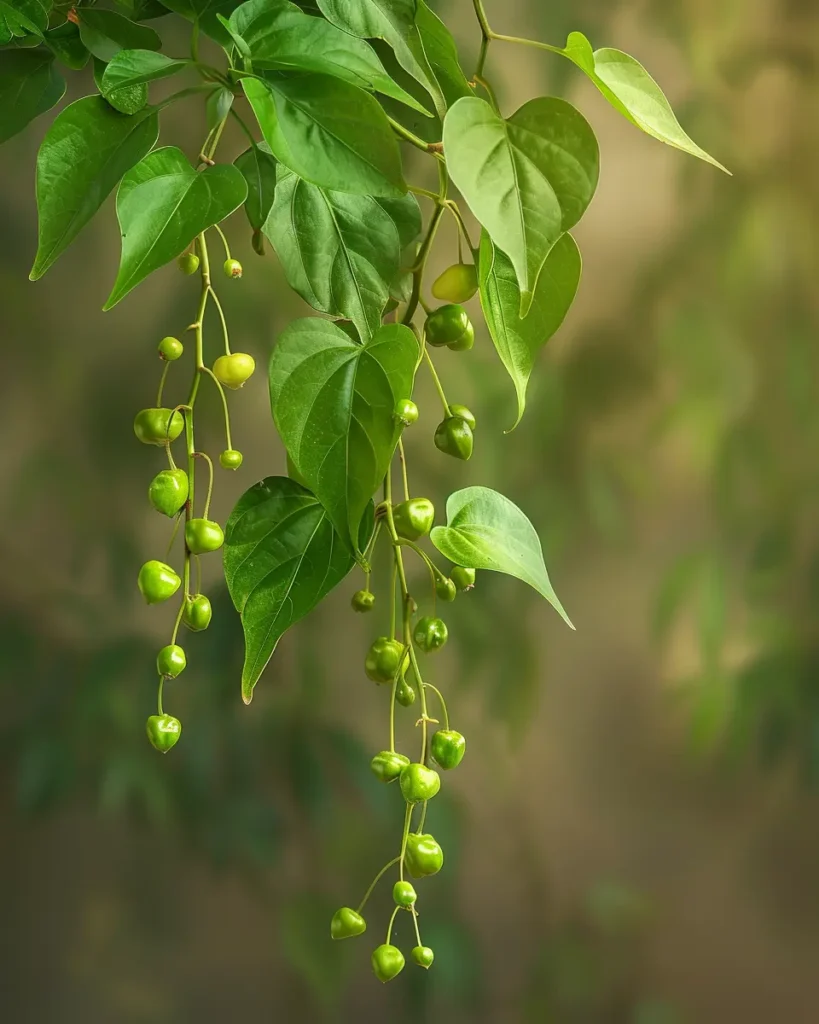
Black Pepper (Piper nigrum)
Traditional Uses of Black Pepper
Digestion: Black pepper is traditionally used as a warming carminative to support appetite, digestive fire, and comfort after heavy meals.
Metabolism & Nutrient Absorption: Piperine, black pepper’s most famous compound, has been studied for its ability to influence absorption and bioavailability of some nutrients and phytochemicals.
Circulation & Warmth: In traditional herbal systems, black pepper is considered warming and stimulating, especially when the body feels sluggish or cold.
Respiratory Comfort: Black pepper’s pungent aromatics have traditionally been used in warming formulas for the chest and throat, often in small amounts.
“Black pepper is tiny, fiery, and surprisingly good at making everyone else in the herbal blend more noticeable.”
Available Black Pepper Products
Black Pepper (Piperine) Extract Capsules — Capsules/Tablets
A standardized extract (often called Bioperine) providing concentrated piperine, commonly used to help boost the absorption of other nutrients and support digestion.
Buy Black Pepper Extract Capsules
Black Pepper Extract Powder — Powder
A concentrated piperine powder that can be sprinkled into food, smoothies, or other supplements to support nutrient bioavailability.
Buy Black Pepper Extract Powder
Black Pepper Essential Oil — Essential Oil
A steam-distilled oil with a warm, spicy aroma, used in aromatherapy and topical blends to support circulation and ease muscle tension.
Buy Black Pepper Essential Oil
Whole Black Peppercorns — Raw/Dried Spice
Whole dried peppercorns for grinding fresh at home, retaining the essential oils and pungency lost in pre-ground pepper.
Buy Whole Black Peppercorns
⚠️ These are dietary supplements/culinary products — not evaluated by the FDA for treating disease. Piperine can significantly increase the absorption of certain medications and supplements (including some prescription drugs), so consult a healthcare provider before combining it with other treatments. Black pepper essential oil should always be diluted before topical use, and internal use of concentrated extracts is not generally recommended during pregnancy without medical guidance.
Key Herbal Actions
Black pepper is known as a carminative, stimulant, warming digestive, bioavailability enhancer, circulatory stimulant, expectorant aromatic, antioxidant, and antimicrobial aromatic.
Carminative
Carminative herbs help ease occasional gas and digestive heaviness. Black pepper’s pungent warmth makes it a classic spice for rich, heavy, or cold foods.
Stimulant
In herbal language, a stimulant gently wakes up body processes. Black pepper is traditionally understood as stimulating digestion, warmth, and movement.
Warming Digestive
A warming digestive herb supports appetite and digestive comfort through heat, pungency, and aromatic activity. This is why black pepper has been used in food traditions around the world.
Bioavailability Enhancer
Piperine has been studied for its ability to increase the absorption and blood levels of certain compounds, including curcumin. This is useful in some formulas but also raises safety questions with medications.
Circulatory Stimulant
Black pepper is traditionally used to bring warmth and movement. This does not mean it medically “improves circulation,” but it helps explain its use in warming herbal blends.
Expectorant Aromatic
Pungent aromatic herbs are traditionally used to support the chest and throat. Black pepper is usually used in very small amounts because its heat can be irritating.
Antioxidant
Black pepper contains phenolic compounds and piperine, which have shown antioxidant activity in laboratory and preclinical studies.
Antimicrobial Aromatic
Black pepper essential oil contains aromatic terpenes that have shown antimicrobial activity in laboratory settings. This supports its traditional use as a warming, preserving culinary spice.
Active Compounds and Extraction
Black pepper contains piperine, chavicine, volatile oils, beta-caryophyllene, limonene, pinene, sabinene, linalool, oleoresins, flavonoids, phenolic acids, and minerals.
Piperine
Piperine is the main pungent alkaloid in black pepper and is responsible for much of its sharp bite. It has been studied for antioxidant activity, digestive effects, and its ability to influence absorption of certain drugs and plant compounds.
Best extraction: Alcohol tincture, powdered pepper in food, capsules, and standardized extracts.
Simple food method: Add freshly ground black pepper to warm meals at the end of cooking. This preserves more aroma than long cooking.
Simple tincture method: Add crushed peppercorns to a clean jar and cover with 40–50% alcohol. Steep for 2–4 weeks, shaking often, then strain and use only in small amounts.
Chavicine
Chavicine is a related pungent compound found in pepper. It can convert into piperine over time and contributes to black pepper’s sharp flavor profile.
Best extraction: Freshly ground powder or alcohol tincture.
Practical note: Grinding peppercorns right before use helps preserve the livelier flavor compounds.
Volatile Oils
Volatile oils give black pepper its aroma. Research has identified compounds such as beta-caryophyllene, limonene, alpha-pinene, beta-pinene, sabinene, and delta-3-carene in black pepper essential oil.
Best extraction: Fresh grinding, covered hot infusion, infused oil, or steam distillation.
Covered infusion method: Crush ½ teaspoon peppercorns and steep in 1 cup hot water for 5–10 minutes, covered. This makes a strong, pungent preparation, so it is often better blended with ginger, honey, or lemon.
Beta-Caryophyllene
Beta-caryophyllene is a sesquiterpene found in black pepper essential oil. It is studied for its interaction with cannabinoid receptor pathways and inflammation-related signaling, though human clinical evidence is still limited.
Best extraction: Essential oil, infused oil, tincture, and freshly ground pepper.
Infused oil method: Add lightly crushed peppercorns to a carrier oil and warm gently using a low-heat water bath for 1–2 hours. Strain well before topical use.
Limonene and Pinene
Limonene and pinene are aromatic terpenes that contribute fresh, citrusy, pine-like notes. These compounds are common in many essential oils and help explain black pepper’s stimulating aroma.
Best extraction: Essential oil, fresh grinding, steam, or covered infusion.
Aromatic steam method: Add a very small pinch of crushed peppercorns to hot water and breathe the aroma gently from a comfortable distance. Avoid strong steam near the eyes or irritated airways.
Oleoresins
Oleoresins are concentrated resinous extracts containing both pungent and aromatic compounds. In the market, black pepper oleoresin is mostly used in food flavoring and manufacturing, not typical home herbalism.
Best extraction: Commercial solvent extraction or alcohol extraction.
Home-friendly version: A tincture is the closest practical home preparation for extracting both pungent and aromatic constituents.
Flavonoids and Phenolic Acids
These antioxidant plant compounds support black pepper’s broader protective chemistry. They are not as famous as piperine, but they contribute to the whole-spice profile.
Best extraction: Food use, hot infusion, vinegar, or tincture.
Vinegar method: Add crushed peppercorns to apple cider vinegar for 1–2 weeks, then strain. Use sparingly in dressings or marinades.
Harvesting and Storing Right
Black pepper grows on a tropical climbing vine. The fruits are harvested while still green and unripe, then dried until they become the wrinkled black peppercorns familiar in kitchens.
For best quality, store whole peppercorns in an airtight glass jar away from light, heat, and moisture. Whole peppercorns keep their aroma better than ground pepper and are usually best within 2–3 years.
Ground black pepper: Best used within 3–6 months for strong flavor.
Whole peppercorns: Best quality within 2–3 years.
Black pepper tincture: Alcohol tinctures may keep for several years in dark glass.
Black pepper essential oil: Store tightly closed in a cool, dark place and use within about 2–4 years, depending on freshness and storage.
Black pepper extract/piperine capsules: Follow the product label and expiration date.
Body Functions Black Pepper can Support
Black pepper can support the digestion system, metabolism, circulation, respiratory system, immune system, brain, skin, and energy and vitality.
Digestion System
Black pepper’s pungent, warming character supports appetite and digestive comfort in traditional herbal use. Piperine and aromatic compounds help explain why it is commonly used with rich or heavy foods.
Metabolism
Black pepper is often discussed in relation to metabolism because piperine may influence nutrient absorption and certain metabolic pathways. Human evidence is still developing, so it is better to view black pepper as supportive seasoning rather than a metabolic treatment.
Circulation
Traditionally, black pepper is used to bring warmth and movement. Its warming stimulant action makes it useful in small amounts in formulas for people who feel cold or sluggish.
Respiratory System
Black pepper’s pungent aromatics can feel opening and warming in the chest and throat. Because it can irritate sensitive airways, it is usually used in small amounts and combined with gentler herbs.
Immune System
Black pepper contains aromatic compounds and piperine that have shown antioxidant and antimicrobial activity in laboratory research. As a kitchen spice, it supports overall dietary diversity and warming seasonal formulas.
Brain
Piperine has been studied in preclinical research for effects related to oxidative stress and nervous system signaling. In practical herbal use, black pepper is more often valued for its warming, stimulating aroma than for direct cognitive claims.
Skin
Black pepper essential oil appears in some topical warming blends, especially for massage. It must be diluted carefully because the pungent compounds can irritate skin.
Energy and Vitality
As a warming stimulant spice, black pepper can make food feel more lively and warming. Herbalists often use it in tiny amounts when a formula needs a little “spark plug.”
Safety and Practical Considerations
Black pepper in normal food amounts is generally well tolerated by many people. Strong extracts, high-piperine supplements, and essential oil preparations require more caution.
Piperine can affect drug-metabolizing enzymes and transporters, which means it may change how some medications are absorbed or processed. People taking prescription medications, especially blood thinners, seizure medications, diabetes medications, blood pressure medications, immune-suppressing drugs, or medications with narrow dosing ranges, should ask a qualified healthcare professional before using black pepper extracts or piperine supplements.
Black pepper may aggravate reflux, gastritis, mouth irritation, hemorrhoids, or sensitive digestion in some people. People preparing for surgery should avoid concentrated piperine supplements unless cleared by a clinician.
Pregnant and breastfeeding people commonly use black pepper in food amounts, but medicinal doses and concentrated extracts should be used only with professional guidance. Black pepper essential oil should not be used internally and should be diluted well for topical use.
Use extra caution with children, older adults, pets, and sensitive individuals. Also, keep pepper away from eyes and mucous membranes — black pepper is tiny, but it is not shy.
FAQ
What does black pepper taste like?
Black pepper tastes sharp, pungent, warming, woody, and slightly citrusy when freshly ground. Pre-ground pepper is usually flatter because many volatile oils fade after grinding.
When is the best time to use black pepper?
Black pepper is most commonly used with meals, especially heavier foods. In herbal formulas, it is often used in small amounts to add warmth and help the formula feel more active.
Is whole or ground black pepper better?
Whole peppercorns are usually better for freshness because they hold their aroma longer. Ground pepper is convenient, but it loses flavor more quickly.
Is black pepper tea, tincture, or capsule better?
For everyday use, food is usually the best form. Tinctures and capsules are stronger and should be used more thoughtfully, especially if they contain concentrated piperine.
Can black pepper be used daily?
Black pepper can be used daily in normal culinary amounts by many people. Daily use of high-dose piperine supplements is different and should be discussed with a healthcare professional if medications or health conditions are involved.
How should black pepper be stored?
Store whole peppercorns in a sealed jar away from heat, light, and moisture. Grind only what you need so the flavor stays bright and aromatic.
Does black pepper combine well with other herbs?
Yes. Black pepper combines well with turmeric, ginger, cinnamon, cardamom, cumin, fennel, thyme, rosemary, and many digestive herbs. It is especially famous for pairing with turmeric because piperine can increase curcumin bioavailability.
Is black pepper safe for everyone?
Not always. People with reflux, ulcers, sensitive digestion, medication use, bleeding concerns, or upcoming surgery should be cautious with concentrated forms.
Can black pepper be used for pets?
Black pepper is not usually recommended as an herbal supplement for pets. It can irritate their nose, mouth, and digestion, so pet use should be guided by a veterinarian.
Can black pepper essential oil be used on skin?
Yes, but only when properly diluted in a carrier oil. It can feel warming and may irritate sensitive skin, so a patch test is wise.
Disclaimer
This content is educational only. It is not medical advice, diagnosis, or treatment. Herbs may interact with medications or health conditions. People who are pregnant, breastfeeding, managing a medical condition, taking prescription medications, or preparing for surgery should consult a qualified healthcare professional before using herbs.
References
PubMed: Black Pepper and Its Pungent Principle Piperine: A Review
PubMed: Effects of Black Pepper on Intestinal Absorption and Hepatic Drug Metabolism
PubMed: Piperine-Mediated Drug Interactions and Formulation Strategy
PubMed Central: Molecular and Pharmacological Aspects of Piperine
PubMed: Influence of Piperine on the Pharmacokinetics of Curcumin
PubMed: A Systematic Review on Black Pepper
PubMed Central: Volatiles of Black Pepper Fruits
Health Canada: Black Pepper Natural Health Product Monograph