


Rosemary is an evergreen Mediterranean herb with needle-like leaves, a resinous aroma, and a long history in kitchens, gardens, and traditional herbal practice. It is one of those herbs that feels both practical and poetic: good with roasted potatoes, but also famous in old herbals for memory, circulation, digestion, and clear-headedness.
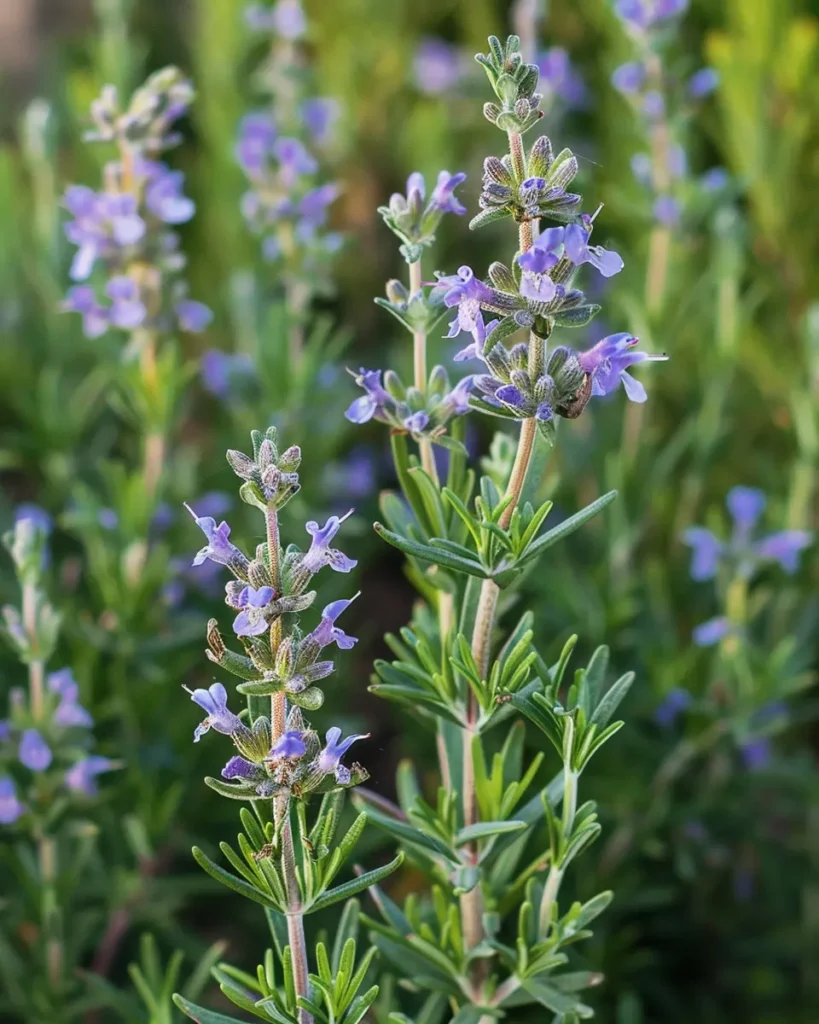
Rosemary (Salvia rosmarinus, formerly Rosmarinus officinalis)
Traditional uses of rosemary:
Digestive Support: Rosemary is traditionally used as an aromatic digestive herb, especially with rich, fatty, or heavy meals.
Circulation and Warmth: Herbalists often use rosemary when the body feels cold, sluggish, or dull, particularly in topical oils, baths, and massage blends.
Brain and Focus Support: Rosemary has a long association with memory and mental clarity. Modern studies have explored rosemary aroma and extracts in relation to attention, cognition, and mood.
Muscles and Joints: Rosemary leaf and rosemary oil have traditional use in external preparations for minor muscle and joint comfort.
Rosemary is not a sleepy herb. It is more like the herbal friend who opens the curtains and says, “We are functioning today.”
“Rosemary is the scent of a clear mind, a warm kitchen, and a garden that means business.”
Available Rosemary Products
Dried Rosemary
Dried rosemary leaf is commonly used for cooking, tea, infused oils, bath blends, steams, and herbal formulas. Good-quality dried rosemary should smell strong, resinous, piney, and fresh. If it smells like old cupboard dust, it belongs in the compost, not the teapot.
Rosemary Tea
Rosemary tea is usually made as a short infusion using dried or fresh leaves. It has a strong, pine-like, slightly bitter flavor. Because rosemary is stimulating and aromatic, a little goes a long way.
Rosemary Tincture
Rosemary tincture is a liquid extract made with alcohol and water. It is useful when a more concentrated and convenient preparation is desired. Alcohol helps extract rosemary’s resinous and aromatic compounds more effectively than water alone.
Rosemary Capsules
Rosemary capsules may contain powdered leaf, dry extract, or standardized extract. They are convenient but can vary greatly in strength. Labels should clearly state whether the product is whole herb powder, extract, or standardized for compounds such as rosmarinic acid or carnosic acid.
Rosemary Glycerite
Rosemary glycerite is an alcohol-free liquid extract made with vegetable glycerin and water. It may be useful for people avoiding alcohol, though glycerin is not as effective as alcohol for extracting some of rosemary’s resinous compounds. The taste is usually sweet, herbal, and strongly aromatic.
Rosemary Essential Oil
Rosemary essential oil is steam-distilled from the leaves and flowering tops. It is highly concentrated and should be diluted properly before topical use. It should not be taken internally unless guided by a qualified professional. Rosemary essential oil is also not appropriate near the face of infants or young children.
Rosemary Powder
Rosemary powder is dried rosemary leaf ground into a fine texture. It may be used in capsules, culinary blends, herbal tooth powders, hair products, and body care formulas. Because powder loses aroma faster than whole or cut leaf, it should be stored tightly sealed and used while still fragrant.
Rosemary Infused Oil
Rosemary infused oil is made by steeping dried rosemary in a carrier oil such as olive oil, jojoba, or sunflower oil. It is commonly used in scalp oils, massage oils, salves, and topical blends. Dried rosemary is preferred for infused oil because fresh herb contains water and may spoil the oil if not handled carefully.
Rosemary Hair and Scalp Products
Rosemary appears in shampoos, scalp oils, rinses, and hair tonics. These products are usually used for scalp freshness and traditional hair care support. Essential oil products should always be properly diluted to reduce irritation risk.
Key Herbal Actions
Rosemary is known as an aromatic, carminative, digestive stimulant, cholagogue, choleretic, circulatory stimulant, antioxidant, antimicrobial-supportive herb in traditional use, nervine stimulant, rubefacient, and vulnerary.
Aromatic
Aromatic herbs contain volatile oils that give them strong scent and traditional activity. Rosemary is strongly aromatic, with a resinous, piney, camphor-like scent. This explains its use in teas, steams, massage oils, cooking, and mental clarity blends.
Carminative
A carminative herb supports digestive comfort, especially when gas or bloating is present. Rosemary is often used with rich foods because its aromatic compounds and bitter edge help support digestive readiness. It is a kitchen herb with a very practical personality.
Digestive Stimulant
Digestive stimulants are traditionally used to support appetite, digestive secretions, and the breakdown of food. Rosemary’s bitter-aromatic flavor fits this category. It is commonly paired with meats, oils, roasted vegetables, and heavier meals for both flavor and digestive logic.
Cholagogue
A cholagogue is an herb traditionally understood to support bile flow from the gallbladder. Rosemary is included in this category in traditional herbalism. People with gallstones, bile duct obstruction, or gallbladder disease should use rosemary medicinally only with professional guidance.
Choleretic
A choleretic supports bile production by the liver. Rosemary’s traditional role in digestive and liver-related formulas is connected to this action. This is not the same as saying rosemary treats liver disease.
Circulatory Stimulant
Rosemary is traditionally used as a warming circulatory stimulant. Topically, rosemary preparations may create a warming, enlivening feeling in the skin. Internally, it is considered a warming herb and may not suit people who are already overheated or very sensitive to stimulating herbs.
Antioxidant
Rosemary is rich in antioxidant compounds such as carnosic acid, carnosol, and rosmarinic acid. These compounds are widely studied for their ability to protect oils, foods, and cells from oxidative stress. Rosemary extract is even used as a natural antioxidant in food preservation.
Nervine Stimulant
A nervine stimulant supports alertness and mental clarity rather than relaxation. Rosemary has long been associated with memory and focus. Its aroma and compounds such as 1,8-cineole have been studied in relation to cognitive performance and mood.
Rubefacient
A rubefacient is a topical herb that brings warmth and redness to the skin by increasing local surface circulation. Rosemary essential oil and infused oil are traditionally used in massage blends for this reason. It must be diluted carefully to avoid irritation.
Vulnerary
Vulnerary herbs are traditionally used to support healthy tissue care. Rosemary has a long history in washes, salves, and topical preparations. Its antioxidant and antimicrobial-supportive properties are part of the traditional logic, though topical irritation is possible in sensitive skin.
Active Compounds and Extraction
Rosemary contains carnosic acid, carnosol, rosmarinic acid, caffeic acid, volatile oils, 1,8-cineole, camphor, alpha-pinene, borneol, verbenone, flavonoids, triterpenes, tannins, and diterpenes.
Carnosic Acid
Carnosic acid is one of rosemary’s major antioxidant diterpenes. It is fat-soluble and helps explain rosemary’s strong antioxidant activity, especially in oil-based preparations and food preservation. It is studied for oxidative stress and cellular protection pathways.
Best extraction methods: alcohol tincture, oil infusion, culinary use with fats, commercial extracts.
How to make rosemary infused oil: Use fully dried rosemary leaf and cover it with olive oil or another carrier oil. Let it infuse in a clean jar for 2–4 weeks in a warm spot away from direct sun, shaking occasionally, then strain. Because carnosic acid is more fat-soluble, oil is a practical home extraction method.
Carnosol
Carnosol is another antioxidant diterpene found in rosemary. It is related to carnosic acid and contributes to rosemary’s antioxidant and resinous profile. It extracts better in alcohol and fats than in plain water.
Best extraction methods: tincture, oil infusion, food preparation with fat.
Simple preparation: Cooking rosemary with olive oil, soups, stews, roasted vegetables, or meats is a traditional way to extract some fat-soluble rosemary compounds into food.
Rosmarinic Acid
Rosmarinic acid is a phenolic acid found in rosemary and many mint-family herbs. It is water-soluble enough to appear in teas and is studied for antioxidant and inflammation-related pathways. It contributes to rosemary’s broader herbal activity beyond the essential oil.
Best extraction methods: infusion, tincture, glycerite.
How to make rosemary tea: Use about 1 teaspoon dried rosemary leaf per cup of just-boiled water. Cover and steep for 5–10 minutes, then strain. Covering the cup helps preserve volatile oils while extracting water-friendly compounds like rosmarinic acid.
Caffeic Acid
Caffeic acid is another phenolic compound found in rosemary. It contributes to rosemary’s antioxidant profile. It extracts well in water and alcohol-water preparations.
Best extraction methods: infusion, tincture.
Simple preparation: A covered hot infusion is a practical method for extracting caffeic acid and related water-soluble phenolics.
Volatile Oils
Rosemary’s volatile oils give it the familiar strong, piney, camphor-like aroma. The essential oil composition varies by chemotype and may include 1,8-cineole, camphor, alpha-pinene, borneol, and verbenone. These compounds are responsible for much of rosemary’s aromatic, respiratory-freshening, and stimulating character.
Best extraction methods: covered infusion, tincture, steam distillation.
Simple preparation: For a rosemary steam, add a small amount of dried rosemary to hot water and inhale gently from a safe distance. Do not put your face directly over boiling water. Steam burns are not part of the healing tradition.
1,8-Cineole
1,8-cineole is an aromatic compound also found in eucalyptus, sage, and other herbs. In rosemary, it contributes to the fresh, open, clearing scent. Human aroma studies have explored blood levels of 1,8-cineole and cognitive performance after rosemary aroma exposure.
Best extraction methods: steam distillation, tincture, covered infusion.
Simple preparation: A covered rosemary tea captures some aromatic compounds, though essential oil is far more concentrated. Aromatic use should be gentle and not overwhelming.
Camphor
Camphor contributes to rosemary’s sharp, penetrating scent and warming topical quality. Rosemary chemotypes vary, and some are higher in camphor than others. Camphor-containing essential oils require caution, especially around children, pregnancy, seizure disorders, and sensitive individuals.
Best extraction methods: steam distillation, tincture.
Simple preparation: For topical use, rosemary essential oil should be diluted into a carrier oil. Avoid use near the face of infants and young children.
Alpha-Pinene
Alpha-pinene is a pine-scented terpene found in rosemary essential oil and many coniferous plants. It contributes to rosemary’s forest-like aroma and is studied as part of volatile oil chemistry. It is mostly captured in essential oil and aromatic preparations.
Best extraction methods: steam distillation, tincture, covered infusion.
Simple preparation: Rosemary leaf added to a shower sachet or steam bowl can release some of this aromatic freshness without using concentrated essential oil.
Flavonoids
Flavonoids are plant compounds studied for antioxidant activity. Rosemary contains flavonoids that support its overall protective plant chemistry. They extract reasonably well in water and alcohol-water preparations.
Best extraction methods: infusion, tincture, glycerite.
Simple preparation: A standard rosemary infusion extracts flavonoids along with phenolic acids. Keep the steep covered and avoid long boiling if you want the aroma to stay pleasant.
Triterpenes
Triterpenes are plant compounds that contribute to rosemary’s broader herbal profile. They are less obvious in taste than volatile oils but still part of the plant’s chemistry. Alcohol and oil preparations extract them better than a short tea.
Best extraction methods: tincture, oil infusion.
Simple preparation: A rosemary tincture or infused oil gives a broader extraction than tea alone.
Harvesting and Storing Right
Rosemary can be harvested through much of the growing season, especially in warm climates where it remains evergreen. The best time is usually morning after dew has dried but before strong midday heat. This helps preserve aromatic oils.
For highest aroma, harvest young leafy stems before flowering or during early flowering. Avoid cutting into old woody stems too aggressively, because rosemary can be slow to regrow from hard wood.
Dry rosemary in small bundles or spread loosely in a shaded, well-ventilated area. Once fully dry, strip the leaves from the stems and store them in an airtight container away from heat, light, and moisture.
Typical shelf life:
Fresh rosemary: About 1–2 weeks refrigerated, depending on freshness.
Dried rosemary leaf: About 1 year for best aroma and quality.
Rosemary powder: About 3–6 months for best freshness.
Rosemary tincture: Often 3–5 years when stored cool, dark, and tightly capped.
Rosemary glycerite: Usually around 1–2 years depending on formulation and storage.
Rosemary infused oil: Usually around 6–12 months depending on oil type, dryness of herb, and storage.
Rosemary essential oil: Commonly around 3–5 years if stored tightly closed, cool, and away from light.
Body Functions Rosemary Can Support
Rosemary can support digestion system, liver support, circulation, brain, nervous system, respiratory system, muscles and joint, skin, dental oral, immune system, energy and vitality, and hair and scalp care.
Digestion System
Rosemary is traditionally used as a warming digestive herb. Its bitter-aromatic flavor supports digestive secretions and comfort after heavy meals. It is especially common in cooking because food is one of rosemary’s best delivery systems.
Liver Support
Rosemary is traditionally associated with bile flow and liver-related digestive function. Its choleretic and cholagogue actions are part of this herbal logic. People with gallbladder disease, bile duct obstruction, or liver conditions should seek professional guidance before using rosemary medicinally.
Circulation
Rosemary is traditionally used as a warming circulatory herb, especially in baths, massage oils, and topical rubs. It may create a feeling of warmth and movement in cold or sluggish areas. People with high blood pressure should be cautious with full hot rosemary baths.
Brain
Rosemary has a long cultural association with memory and clear thinking. Modern studies have explored rosemary aroma, 1,8-cineole exposure, and rosemary extracts in relation to attention, memory, and cognitive performance. This research is interesting, but it does not mean rosemary is a treatment for cognitive disease.
Nervous System
Rosemary acts more like a stimulating nervine than a calming nervine. It may feel clarifying, energizing, and mentally bright. People who are anxious, overstimulated, or sensitive to stimulating herbs may prefer milder plants such as lemon balm or oat straw.
Respiratory System
Rosemary’s aromatic oils can create a fresh, open sensation in teas, steams, and chest rubs. It is traditionally used in seasonal aromatic blends. This is comfort support, not a substitute for medical care when breathing symptoms are serious.
Muscles and Joint
Rosemary leaf and rosemary oil have traditional external use for minor muscle and joint comfort. Massage oils, baths, and liniments are common preparations. Essential oil must be diluted properly to reduce irritation risk.
Skin
Rosemary is used in washes, infused oils, salves, and cosmetic preparations. Its antioxidant compounds and aromatic oils are part of its traditional skin-care role. Sensitive skin should patch test first, especially with essential oil products.
Dental Oral
Rosemary’s aromatic and mildly astringent qualities make it useful in mouth rinses and tooth powders. A cooled rosemary infusion can be used as a simple herbal rinse. It should not replace dental care.
Immune System
Rosemary contains antioxidant and antimicrobial-supportive compounds studied in laboratory settings. In traditional use, it appears in warming seasonal foods, teas, steams, and household preparations. This does not mean rosemary prevents or treats infections.
Energy and Vitality
Rosemary’s scent and flavor feel warming, bright, and activating. It is commonly used when the body or mind feels cold, dull, or sluggish. It is not a caffeine-like stimulant, but it can feel energizing.
Hair and Scalp Care
Rosemary is widely used in scalp oils, rinses, and hair products. Some research has explored rosemary oil in scalp applications, but product strength, dilution, and consistency matter. Rosemary essential oil should always be diluted and kept away from eyes.
Safety and Practical Considerations
Rosemary is widely used as a culinary herb and is generally well tolerated in normal food amounts. Medicinal doses, concentrated extracts, tinctures, and essential oil require more caution.
People who are pregnant or breastfeeding should avoid medicinal doses unless guided by a qualified healthcare professional. Culinary amounts used in food are different from concentrated preparations.
People with seizure disorders, high blood pressure, gallbladder disease, bile duct obstruction, liver disease, bleeding disorders, or complex medication use should seek professional guidance before using rosemary medicinally. Rosemary may not be appropriate before surgery, especially in concentrated forms.
Rosemary essential oil should be diluted before topical use and should not be used internally without qualified supervision. Avoid use near the face of infants and young children. Some rosemary essential oil chemotypes are higher in camphor or 1,8-cineole, which increases the need for caution.
Rosemary may be too stimulating for some people, especially in the evening. If rosemary tea makes you feel alert, do not invite it to your bedtime routine and then blame the herb for being exactly itself.
People with mint-family allergies should use caution. Sensitive individuals, children, older adults, and people taking prescription medications should start with mild preparations or seek professional guidance.
Rosemary is commonly used fresh, dried, powdered, tinctured, infused in oil, or distilled into essential oil. Food use is often the safest and most practical starting point.
FAQ
What does rosemary taste like?
Rosemary tastes piney, resinous, slightly bitter, warm, and aromatic. It has a strong flavor, so a small amount can dominate a dish or tea. Fresh rosemary is brighter, while dried rosemary is more concentrated and woody.
When is the best time to use rosemary?
Rosemary is often best used earlier in the day or with meals. It can feel mentally refreshing and mildly stimulating. People who are sensitive to stimulating herbs may want to avoid it in the evening.
Is fresh or dried rosemary better?
Fresh rosemary has a lively aroma and is excellent for cooking, teas, and infused oils if dried properly first. Dried rosemary is convenient and stores well. Both are useful if they smell strong and fresh.
Is rosemary tea, tincture, or capsule better?
Rosemary tea is a mild traditional preparation. Tincture is more concentrated and extracts a broader range of compounds. Capsules may be convenient, but extracts can vary greatly in strength, so labels should be read carefully.
Can rosemary be used daily?
Rosemary is commonly used daily in culinary amounts. Daily medicinal use is different and should be approached with more caution. People with pregnancy, breastfeeding, seizure history, high blood pressure, gallbladder concerns, medication use, or surgery plans should ask a qualified professional first.
How should rosemary be stored?
Dried rosemary should be stored in an airtight container away from heat, light, and moisture. Rosemary powder should be used sooner because it loses aroma quickly. Essential oil should be stored tightly closed in a cool, dark place.
Does rosemary combine well with other herbs?
Yes, rosemary combines well with thyme, sage, oregano, basil, garlic, ginger, lemon balm, peppermint, nettle, and lavender depending on the preparation. For digestion, it pairs well with thyme, oregano, ginger, and fennel. For scalp oils, it is often paired with lavender or nettle-infused oil.
Is rosemary safe for everyone?
No. Rosemary may not be suitable in medicinal amounts for people who are pregnant, breastfeeding, prone to seizures, managing high blood pressure, dealing with gallbladder or bile duct issues, taking certain medications, or preparing for surgery. Essential oil requires special caution.
Can rosemary be used for pets?
Rosemary is sometimes found in pet foods and grooming products, but concentrated extracts and essential oils should not be used casually with animals. Cats are especially sensitive to many essential oils. Pet use should be guided by a veterinarian or qualified animal herbalist.
Is rosemary essential oil the same as rosemary tea?
No. Rosemary tea is a mild water infusion of the leaf. Rosemary essential oil is a highly concentrated distilled product and must be treated with much more caution.
Disclaimer
This content is educational only. It is not medical advice, diagnosis, or treatment. Herbs may interact with medications or health conditions. People who are pregnant, breastfeeding, managing a medical condition, taking prescription medications, or preparing for surgery should consult a qualified healthcare professional before using herbs.
References
EMA: Rosmarini folium Herbal Medicinal Product
EMA: European Union Herbal Monograph on Rosmarinus officinalis L., folium
EMA: Rosmarini aetheroleum Herbal Medicinal Product
PubMed Central: Rosmarinus officinalis L. as Therapeutic and Prophylactic Agent
PubMed: Short-Term Study on the Effects of Rosemary on Cognitive Function in an Elderly Population
PubMed Central: Cognition Enhancing Effect of Rosemary
NCCIH: Safe Use of Complementary Health Products and Practices