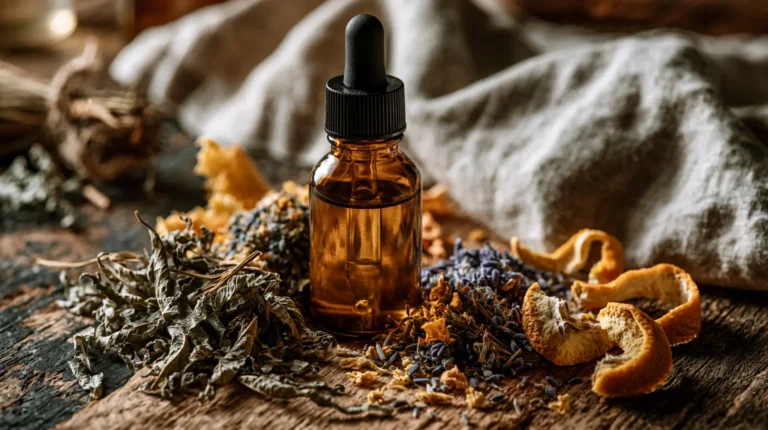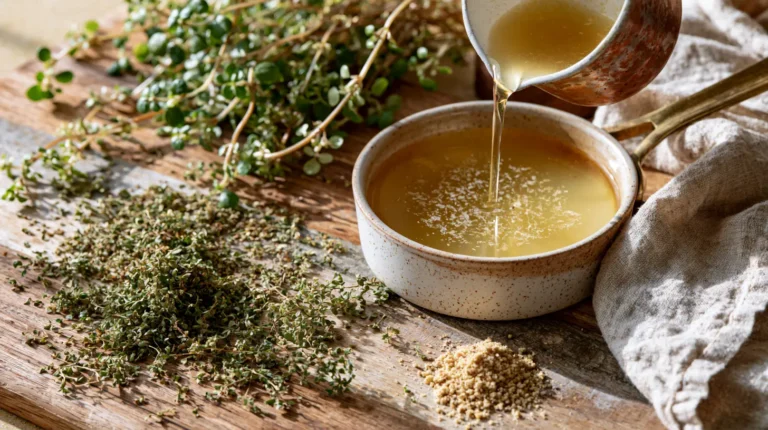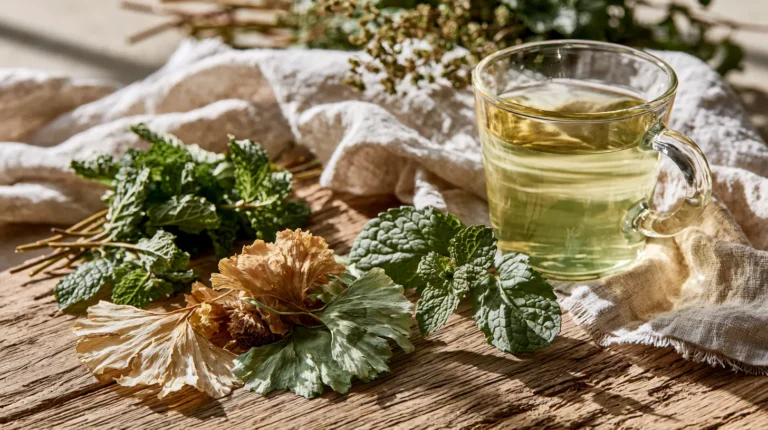

Menopausal transition symptoms can include hot flashes, night sweats, mood swings, sleep changes, brain fog, cycle changes, and vaginal dryness.
Learn more about Menopausal Transition Symptoms
Why It Happens
The menopausal transition happens as ovarian hormone patterns shift, especially estrogen and progesterone. These changes can affect temperature regulation, sleep, mood, skin, vaginal tissues, metabolism, and cycle rhythm.
Main Types of Symptoms
Hot flashes and night sweats often come from vasomotor changes. Sleep disruption may follow night sweats, stress, or shifting hormones. Mood changes can include irritability, sadness, anxiety, or emotional sensitivity. Vaginal dryness may happen as estrogen levels change tissue moisture and elasticity.
Common Triggers
Common triggers include alcohol, spicy foods, caffeine, stress, poor sleep, hot rooms, tight clothing, and skipped meals. Some people also notice symptoms worsen during emotional pressure or busy work seasons.
Daily-Life Patterns
One person may feel mostly overheated and sweaty. Another may feel dry, tired, moody, foggy, and easily overstimulated. Many people experience a mix, which makes this transition feel less like one symptom and more like a small weather system.
Traditional Herbal View
Traditional herbalism looks at patterns. Heat and flushing may call for cooling herbs. Dryness may call for moistening herbs. Stress and poor sleep may call for nervines. Low resilience may call for gentle tonics and nutrient-rich herbs.
Herbalists choose herbs based on the dominant pattern, not just the label “menopause.”
How Herbs Can Help Menopausal Transition Symptoms
Herbalism often sees menopausal transition symptoms as a mix of heat, dryness, nervous system strain, and changing hormonal rhythms. Herbalists use cooling herbs for hot flashes, demulcents for dryness, nervines for mood and sleep, and phytoestrogen-rich plants with extra caution. They choose gentle cooling herbs when heat dominates, moistening herbs when dryness dominates, and calming herbs when stress or sleep disruption leads. These are herbs traditionally used when menopausal transition symptoms happen: sage, lemon balm, red clover, nettle, hibiscus, rose petals, spearmint, chamomile, passionflower, oat straw, skullcap, marshmallow root, ginger, cinnamon, motherwort, lavender, oats, peppermint, shatavari, cardamom, flaxseed, rosehips.
“Menopause is not your body betraying you; it is just changing departments without asking permission first.”
Recipes & Remedies Menopausal Transition Symptoms
Herbal Preparations
Cooling Sage and Lemon Balm Menopause Tea
This simple tea supports the hot, restless, overheated pattern many people notice during menopausal transition. It works best as a gentle daily ritual, not a dramatic rescue drink.
Ingredients
Dried sage leaf: 1 teaspoon
Dried lemon balm: 1 tablespoon
Dried oat straw: 1 tablespoon
Hot water: 1½ cups
Honey: 1 teaspoon, optional
Preparation Instructions
- Place sage, lemon balm, and oat straw in a mug or teapot.
- Pour hot water over the herbs.
- Cover and steep for 10 to 15 minutes.
- Strain well.
- Add honey if desired.
How to Use
Drink 1 cup in the afternoon or evening.
Use sage cautiously if you have epilepsy, take sedatives, use diabetes medication, or are pregnant.
Avoid long-term high-dose sage unless a qualified professional guides you.
Food for support Menopausal Transition Symptoms
Flaxseed, Soy, and Berry Breakfast Bowl
This easy breakfast combines plant protein, fiber, lignans, isoflavones, and antioxidant-rich berries. It supports everyday nourishment during the menopausal transition.
Ingredients
Unsweetened soy yogurt: ¾ cup
Ground flaxseed: 1 tablespoon
Rolled oats: ¼ cup
Blueberries: ½ cup
Walnuts: 1 tablespoon chopped
Cinnamon: ¼ teaspoon
Honey or maple syrup: 1 teaspoon, optional
Preparation Instructions
- Add soy yogurt to a bowl.
- Stir in rolled oats and ground flaxseed.
- Add blueberries and walnuts.
- Sprinkle with cinnamon.
- Add honey or maple syrup if desired.
- Let sit for 5 minutes before eating.
How to Use
Enjoy as breakfast or a steady afternoon snack.
Choose this over sugary snacks when blood sugar swings worsen mood, heat, or fatigue.
Avoid soy if your clinician told you to avoid phytoestrogens.
What Herbs You Need
For menopausal transition symptoms, herbalists often consider sage, lemon balm, oat straw, flaxseed, soy, red clover, black cohosh, nettle, motherwort, marshmallow root, shatavari, dong quai, licorice, lavender, cinnamon, blueberry, and walnut. These plants do not replace medical care, and phytoestrogen-rich herbs need thoughtful safety review.
Sage
Latin name: Salvia officinalis
Key herbal actions: Antihidrotic, meaning traditionally used for excessive sweating. Astringent, meaning it gently tones tissues. Cooling, meaning herbalists use it for hot patterns.
Key active compounds: Rosmarinic acid, thujone, carnosic acid, flavonoids.
Lemon Balm
Latin name: Melissa officinalis
Key herbal actions: Nervine, meaning it supports the nervous system. Carminative, meaning it eases digestive tension. Mild calming herb, meaning it supports relaxation.
Key active compounds: Rosmarinic acid, citral, citronellal, flavonoids.
Oat Straw
Latin name: Avena sativa
Key herbal actions: Nervine tonic, meaning it nourishes nervous system resilience. Mineral-rich, meaning it adds supportive plant minerals. Gentle restorative, meaning it suits long-term stress patterns.
Key active compounds: Silicic acid, avenanthramides, flavonoids, minerals.
Flaxseed
Latin name: Linum usitatissimum
Key herbal actions: Demulcent, meaning it moistens tissues. Fiber-rich, meaning it supports digestion. Phytoestrogenic, meaning it contains plant compounds with estrogen-like activity.
Key active compounds: Secoisolariciresinol diglucoside, alpha-linolenic acid, mucilage, fiber.
Soy
Latin name: Glycine max
Key herbal actions: Nutritive, meaning it provides protein and minerals. Phytoestrogenic, meaning it contains isoflavones. Cardiometabolic supportive, meaning it supports broader midlife nutrition.
Key active compounds: Genistein, daidzein, glycitein, protein, lecithin.
Red Clover
Latin name: Trifolium pratense
Key herbal actions: Phytoestrogenic, meaning it contains isoflavones. Alterative, meaning herbalists use it for long-term tissue support. Nutritive, meaning it provides minerals.
Key active compounds: Biochanin A, formononetin, daidzein, genistein.
Black Cohosh
Latin name: Actaea racemosa
Key herbal actions: Menopause-supportive, meaning it has traditional use during midlife symptoms. Antispasmodic, meaning herbalists use it for tension patterns. Nervine-like, meaning it may support tension and discomfort patterns.
Key active compounds: Triterpene glycosides, actein, cimicifugoside, phenolic acids.
Nettle
Latin name: Urtica dioica
Key herbal actions: Nutritive, meaning it provides minerals. Astringent, meaning it gently tones tissues. Alterative, meaning herbalists use it for long-term vitality.
Key active compounds: Minerals, chlorophyll, flavonoids, phenolic acids.
Motherwort
Latin name: Leonurus cardiaca
Key herbal actions: Nervine, meaning it supports emotional tension. Cardiac tonic, meaning herbalists use it for heart-centered stress. Bitter, meaning it supports digestion.
Key active compounds: Leonurine, iridoids, flavonoids, diterpenes.
Marshmallow Root
Latin name: Althaea officinalis
Key herbal actions: Demulcent, meaning it moistens dry tissues. Emollient, meaning it softens and soothes. Cooling, meaning herbalists use it for dry heat.
Key active compounds: Mucilage polysaccharides, flavonoids, phenolic acids.
Shatavari
Latin name: Asparagus racemosus
Key herbal actions: Demulcent, meaning it supports moisture. Adaptogenic tonic, meaning Ayurvedic herbalism uses it for resilience. Reproductive tonic, meaning it traditionally supports female life transitions.
Key active compounds: Shatavarins, steroidal saponins, flavonoids, polysaccharides.
Dong Quai
Latin name: Angelica sinensis
Key herbal actions: Blood tonic, meaning traditional Chinese herbalism uses it for nourishment patterns. Warming, meaning it suits cold or depleted patterns. Antispasmodic, meaning herbalists use it for tension.
Key active compounds: Ferulic acid, ligustilide, polysaccharides, coumarins.
Licorice
Latin name: Glycyrrhiza glabra
Key herbal actions: Demulcent, meaning it soothes dryness. Adrenal-supportive, meaning herbalists use it for stress patterns. Harmonizer, meaning it blends formulas together.
Key active compounds: Glycyrrhizin, liquiritin, flavonoids, saponins.
Lavender
Latin name: Lavandula angustifolia
Key herbal actions: Nervine, meaning it supports relaxation. Aromatic, meaning it contains fragrant volatile oils. Sleep-supportive, meaning herbalists use it in evening routines.
Key active compounds: Linalool, linalyl acetate, rosmarinic acid, flavonoids.
Cinnamon
Latin name: Cinnamomum verum or Cinnamomum cassia
Key herbal actions: Warming, meaning it supports cold patterns. Carminative, meaning it supports digestion. Flavoring herb, meaning it helps improve compliance.
Key active compounds: Cinnamaldehyde, procyanidins, coumarin, essential oils.
Blueberry
Latin name: Vaccinium corymbosum
Key herbal actions: Antioxidant, meaning it helps protect against oxidative stress. Nutritive, meaning it provides food-based support. Vascular supportive, meaning flavonoids support normal circulation.
Key active compounds: Anthocyanins, vitamin C, polyphenols, fiber.
Walnut
Latin name: Juglans regia
Key herbal actions: Nutritive, meaning it provides healthy fats and minerals. Cardiometabolic supportive, meaning it supports midlife nourishment. Anti-inflammatory food, meaning it contains omega-3 fatty acids.
Key active compounds: Alpha-linolenic acid, polyphenols, tocopherols, minerals.
Key Herbal Products for Menopausal Transition Symptoms
Black Cohosh Capsules
Black cohosh capsules contain dried root extract or standardized preparations. People commonly use them for hot flashes, night sweats, or general menopausal discomfort.
Pros: Capsules feel convenient and easy to dose.
Cons: Product quality varies, and liver safety concerns require caution.
Choose this form when someone wants a capsule and has reviewed safety with a clinician.
Red Clover Isoflavone Capsules
Red clover products contain isoflavones from Trifolium pratense. People commonly use them for hot flashes and midlife support.
Pros: Capsules give a consistent product format.
Cons: Evidence remains mixed, and phytoestrogen safety needs review.
Choose this form when someone wants plant isoflavones but avoids soy.
Soy Isoflavone Supplements
Soy isoflavone products contain concentrated genistein and daidzein. People commonly use them for vasomotor symptoms and midlife nutrition support.
Pros: Research often studies soy isoflavones more than many herbs.
Cons: Concentrated supplements may not suit hormone-sensitive conditions.
Choose this form when food-based soy feels impractical.
Ground Flaxseed
Ground flaxseed provides lignans, fiber, and omega-3 fatty acids. People commonly add it to oatmeal, yogurt, smoothies, and baked foods.
Pros: It works as food, not only as a supplement.
Cons: It spoils faster after grinding and needs refrigeration.
Choose this form when someone wants gentle daily nutritional support.
Menopause Tea Blends
Menopause tea blends often include sage, lemon balm, oat straw, nettle, red clover, or motherwort. People commonly drink them as daily calming rituals.
Pros: Tea supports hydration and creates a soothing routine.
Cons: Tea strength varies and may not suit everyone.
Choose this form when someone prefers gentle daily rituals over capsules.
FAQ
Are menopausal transition symptoms normal?
Yes, many people experience symptoms during the menopausal transition. However, “common” does not mean “you must suffer quietly.” Seek support if symptoms disrupt sleep, work, relationships, or daily comfort.
Can herbs stop hot flashes?
Herbs should not promise to stop hot flashes. Some herbs may support comfort, sweating patterns, stress, or sleep. Evidence varies by herb, product, dose, and person.
Is black cohosh safe for everyone?
No. Black cohosh may not suit people with liver disease, hormone-sensitive conditions, pregnancy, breastfeeding, or certain medications. Stop using it and seek care if dark urine, yellowing skin, abdominal pain, or severe fatigue appears.
Are phytoestrogen herbs the same as hormone therapy?
No. Phytoestrogens are plant compounds, not prescription hormone therapy. They may still affect hormone-sensitive tissues, so people with breast cancer history or estrogen-sensitive conditions should ask a clinician first.
Fresh herbs or dried herbs: which works better?
Both can work well. Fresh lemon balm and sage taste brighter, while dried herbs stay convenient and concentrated. Use clean, correctly identified herbs from trustworthy sources.
How should I store menopause tea blends?
Store dried herbs in airtight containers away from heat, light, and moisture. Most dried leafy herbs taste best within one year. Discard herbs that smell dusty, moldy, or flat.
Can I use these herbs every day?
Some gentle herbs, like oat straw or lemon balm, may suit daily use for many people. Stronger herbs and phytoestrogen-rich products need more caution. Start with one product at a time.
Can pets use these herbs?
Do not give menopause herbs to pets. Human hormone-support herbs, essential oils, and strong teas can harm animals. Ask a veterinarian before using any herb around pets.
References
CDC: Menopause, Women’s Health, and Work
National Institute on Aging: What Is Menopause?
NCCIH: Menopausal Symptoms and Complementary Health Approaches
NCCIH: Menopausal Symptoms In Depth
Office on Women’s Health: Menopause Symptoms and Relief
PubMed Central: Menopausal Symptoms and Their Management
PubMed: Safety and Efficacy of Black Cohosh and Red Clover
PubMed Central: Safety and Efficacy of Black Cohosh and Red Clover
PubMed Central: Isoflavone Supplements for Menopausal Women
PubMed: Soy Isoflavones and Menopausal Hot Flashes
Disclaimer
This article offers educational information only. It does not provide medical advice, diagnosis, or treatment.
Menopausal transition symptoms can overlap with thyroid changes, anemia, pregnancy, medication effects, depression, anxiety, infections, and other health concerns. Please speak with a qualified healthcare professional if symptoms feel severe, sudden, unusual, or disruptive.
Herbs may interact with medications, hormone therapy, surgery, pregnancy, breastfeeding, liver conditions, blood pressure concerns, cancer history, and hormone-sensitive conditions. Always review supplement use with a qualified clinician.