
Indigestion, also called dyspepsia, is a group of upper digestive symptoms that may include fullness, bloating, belching, nausea, burning, or discomfort after eating.
Learn more about Indigestion
Indigestion is not one single problem. It is a general name for several uncomfortable sensations that usually happen in the upper abdomen, especially after meals. Some people feel full too quickly, some feel heavy and bloated, some feel mild nausea, and others notice burning or pressure that makes them loosen their belt and quietly reconsider their dinner choices.
One common type is occasional indigestion, which may happen after eating too quickly, eating a large meal, drinking carbonated beverages, having too much coffee or alcohol, or eating foods that are especially rich, greasy, spicy, or acidic. Another type is more ongoing or recurring indigestion, sometimes called functional dyspepsia, where symptoms occur without a clear structural disease found on routine testing. Research suggests functional dyspepsia affects about 8.4 percent of adults globally, though estimates vary depending on the criteria used.
Common triggers may include large meals, eating late, high-fat foods, stress, certain medications such as NSAIDs or iron supplements, and individual food sensitivities. In some cases, indigestion can be related to other digestive conditions, including reflux, gastritis, ulcers, delayed stomach emptying, gallbladder concerns, or infection such as Helicobacter pylori. This is why recurring, severe, or changing symptoms deserve proper medical evaluation.
In daily life, indigestion may show up as a heavy feeling after meals, frequent burping, bloating around the upper belly, mild nausea, sourness, early fullness, or discomfort that makes eating feel less enjoyable. Some people notice it more when stressed, hurried, or eating while distracted. The digestive system has opinions, and it often shares them loudly when we eat lunch while answering emails.
Traditional herbalism often looks at indigestion through patterns. A “cold and sluggish” pattern may feel heavy, slow, and worse after cold foods; warming aromatic herbs are traditionally chosen here. A “hot and irritated” pattern may feel burning, sour, or sharp; cooling, soothing herbs are usually preferred. A “windy” pattern may include gas, bloating, and belching; carminative herbs are commonly selected. A “tense digestion” pattern may come with stress, tightness, and irregular appetite; gentle relaxing bitters, nervines, and aromatic herbs may be considered.
Herbs are traditionally selected based on how the indigestion shows up. Ginger and fennel are often used when digestion feels slow, cold, gassy, or heavy. Peppermint is often chosen for gas and cramping, though it may not be the best fit for people whose main issue is reflux or heartburn. Chamomile is commonly used when the stomach feels tense, irritated, or stress-reactive. Artichoke leaf and other bitters are traditionally used before meals when sluggish appetite and heavy digestion are the main pattern.
How Herbs Can Help Indigestion
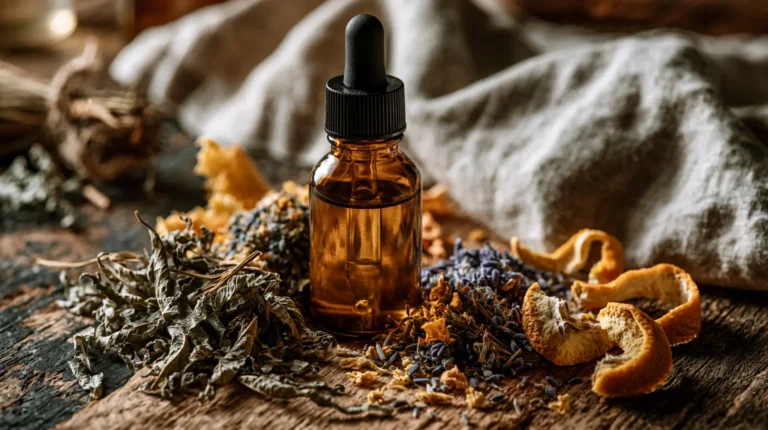
Herbalism traditionally sees indigestion as a sign that the stomach needs better rhythm, warmth, relaxation, or gentle soothing, depending on whether the pattern feels heavy, gassy, tense, or irritated. The main herbal actions include carminatives, which ease gas and digestive tension; bitters, which encourage digestive secretions before meals; aromatics, which bring warmth and movement; and demulcents, which soothe sensitive tissues. Herbalists choose between these actions based on the person’s pattern, and these are herbs traditionally used when indigestion happens: ginger, fennel, peppermint, chamomile, lemon balm, caraway, anise, marshmallow root, slippery elm, dandelion root, orange peel, meadowsweet, dgl licorice, cardamom, cinnamon, spearmint.
“Indigestion is your stomach’s way of saying, ‘I appreciate the meal, but I would like to file a formal complaint.”
Recipes & Remedies Indigestion
Herbal Preparations
Ginger-Fennel After-Meal Tea
A warm, aromatic tea traditionally used after meals when digestion feels heavy, slow, gassy, or uncomfortable. Ginger brings gentle warmth, fennel adds sweet carminative support, peppermint adds a cooling aromatic lift, and chamomile softens the edges when the stomach feels tense.
Ingredients with exact measurements
1 teaspoon dried fennel seed, lightly crushed
1 teaspoon dried chamomile flowers
1/2 teaspoon dried peppermint leaf
1/4 teaspoon dried ginger root or 1 teaspoon freshly grated ginger
1 cup hot water
Optional: 1/2 teaspoon honey, added after steeping
Step-by-step preparation instructions
- Place the fennel, chamomile, peppermint, and ginger in a mug or teapot.
- Pour 1 cup hot water over the herbs.
- Cover and steep for 10 minutes.
- Strain well.
- Add honey if desired.
- Sip warm.
How to use
Drink 1 cup after a meal when the stomach feels heavy, gassy, or unsettled. If peppermint worsens burning, reflux, or sour burps, leave it out and use chamomile, fennel, and ginger only.
Food for support Indigestion
Simple Ginger-Fennel Rice Congee
A gentle, traditional-style rice porridge inspired by simple digestive comfort foods. It is soft, warm, easy to eat, and especially useful as a bland meal when rich foods feel like too much.
Ingredients with exact measurements
1/2 cup white rice
5 cups water or low-sodium vegetable broth
1 teaspoon freshly grated ginger
1/2 teaspoon fennel seed, lightly crushed
1 small carrot, finely diced
1/4 teaspoon sea salt, or to taste
1 teaspoon olive oil or sesame oil
Optional: 1 tablespoon chopped parsley or cilantro
Step-by-step preparation instructions
- Rinse the rice until the water runs mostly clear.
- Add rice, water or broth, ginger, fennel seed, carrot, and salt to a pot.
- Bring to a gentle boil.
- Reduce heat to low and simmer uncovered for 45 to 60 minutes, stirring occasionally.
- Add more water if needed until the rice becomes soft and porridge-like.
- Stir in olive oil or sesame oil before serving.
- Top with parsley or cilantro if desired.
How to use
Enjoy warm as a light meal when digestion feels delicate, heavy, or easily overwhelmed. Eat slowly and keep the portion modest, since even gentle food can feel like a marching band if the stomach is already irritated.
What Herbs You Need
The main herbs traditionally used for indigestion include ginger, fennel, peppermint, chamomile, artichoke leaf, lemon balm, marshmallow root, and licorice root. The recipes above focus on ginger, fennel, peppermint, and chamomile because they are familiar, practical, easy to prepare, and commonly used in home herbal traditions for post-meal heaviness, gas, tension, and mild digestive discomfort.
Ginger
Latin name: Zingiber officinale
Key herbal actions: Aromatic digestive, meaning it brings warmth and movement to sluggish digestion; carminative, meaning it helps reduce gas and digestive pressure; anti-nausea support, meaning it is traditionally used when the stomach feels unsettled.
Key active compounds: Gingerols, shogaols, zingiberene, volatile oils.
Fennel
Latin name: Foeniculum vulgare
Key herbal actions: Carminative, meaning it helps ease gas and bloating; antispasmodic, meaning it may help relax digestive tightness; aromatic digestive, meaning it supports comfortable movement after meals.
Key active compounds: Anethole, fenchone, estragole, flavonoids, volatile oils.
Peppermint
Latin name: Mentha x piperita
Key herbal actions: Carminative, meaning it helps with gas and bloating; antispasmodic, meaning it helps relax digestive tension; aromatic cooling herb, meaning it feels refreshing when digestion is tight or crampy.
Key active compounds: Menthol, menthone, menthyl acetate, rosmarinic acid, volatile oils.
Chamomile
Latin name: Matricaria chamomilla or Matricaria recutita
Key herbal actions: Gentle bitter, meaning it lightly supports digestive readiness; carminative, meaning it helps with gas and unsettled digestion; nervine, meaning it supports the stress-digestion connection; mild demulcent, meaning it can feel soothing to sensitive tissues.
Key active compounds: Apigenin, bisabolol, chamazulene, matricin, flavonoids.
Key Herbal Products for Indigestion
Herbal digestive teas
Digestive teas often combine ginger, fennel, peppermint, chamomile, lemon balm, or licorice. They are commonly used after meals and are easy to adjust based on taste and tolerance. The main advantage is gentleness and flexibility; the downside is that tea is mild and needs preparation time. Someone might choose tea when they want a simple daily ritual rather than a concentrated supplement.
Ginger capsules
Ginger capsules contain dried ginger powder or ginger extract. They are commonly used when someone wants a convenient form without the strong taste of fresh ginger. The advantage is portability and consistency; the downside is that capsules can feel too warming for some people and may cause heartburn or stomach warmth. Someone might choose capsules over tea when traveling or when measuring intake matters.
Enteric-coated peppermint oil capsules
Peppermint oil capsules are concentrated products designed to pass through the stomach before dissolving. They are most often marketed for bloating, gas, and IBS-type digestive discomfort rather than simple heartburn. The advantage is strength and convenience; the downside is that peppermint oil can worsen reflux or cause burning in some people. Someone might choose this form when gas and cramping are the main concern, not sourness or burning.
Digestive bitters
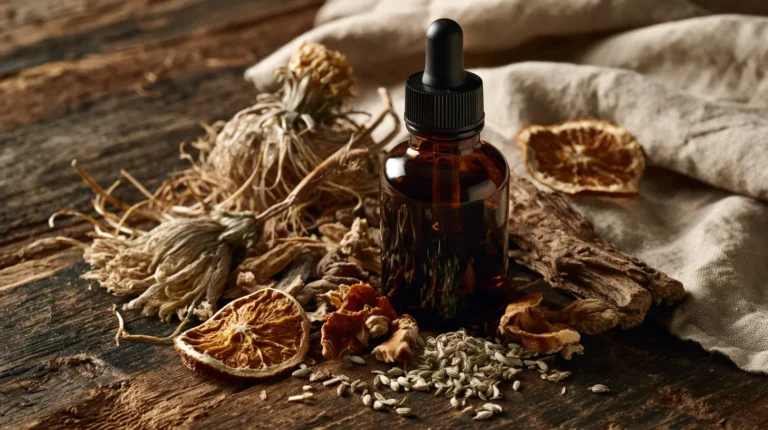
Digestive bitters are liquid extracts made from bitter herbs such as artichoke leaf, gentian, dandelion root, orange peel, or similar plants. They are traditionally used in small amounts before meals to encourage digestive readiness. The advantage is that they may be useful when appetite is low and meals feel heavy; the downside is that they may not suit people with ulcers, strong reflux, gallbladder concerns, pregnancy, or certain medication situations. Someone might choose bitters when the pattern feels sluggish rather than hot, sharp, or irritated.
Demulcent powders or teas
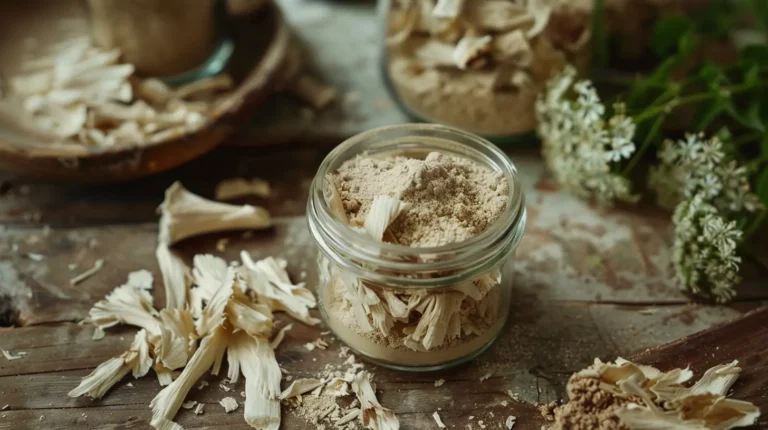
Demulcent products often include marshmallow root, slippery elm, or licorice root. These herbs become slippery or soothing when mixed with water and are traditionally used when tissues feel dry, irritated, or sensitive. The advantage is their gentle coating quality; the downside is that they can interfere with medication absorption if taken too close to medicines. Someone might choose this form when the stomach feels sensitive rather than gassy or cold.
FAQ
Is indigestion the same as heartburn?
Not exactly. Indigestion usually refers to upper abdominal discomfort, fullness, bloating, nausea, or belching, while heartburn is a burning feeling caused by acid moving upward toward the esophagus. They can overlap, but they are not the same pattern.
Which herb is best for indigestion after a heavy meal?
Ginger and fennel are two of the most common traditional choices when digestion feels heavy, slow, or gassy after eating. Peppermint may also be useful for gas and tightness, but it may bother people who are prone to reflux or burning.
Can I drink digestive tea every day?
Many people use gentle digestive teas occasionally or daily, especially blends made from common culinary herbs like ginger, fennel, chamomile, and peppermint. However, daily use should still match your body and your situation. If symptoms are frequent, worsening, or new, it is better to look for the cause instead of simply covering the discomfort with tea.
Are fresh herbs better than dried herbs?
Fresh herbs can be lovely, especially fresh ginger or mint, but dried herbs are often more practical and concentrated by weight. Dried fennel seed, chamomile, and peppermint store well and make reliable teas. The best choice is the one that is good quality, properly stored, and easy for you to use consistently.
How should I store digestive herbs?
Store dried herbs in airtight containers away from heat, light, and moisture. Leaves and flowers are usually best used within about one year, while seeds and roots may last a bit longer if stored well. If an herb has lost its aroma, color, or flavor, it has probably retired from active duty.
Can pets have these herbs for indigestion?
Do not give digestive herbs, essential oils, teas, or supplements to pets without guidance from a veterinarian. Animals metabolize herbs differently from humans, and concentrated products like peppermint oil can be unsafe for them.
When should indigestion be checked by a doctor?
Seek medical guidance if indigestion is severe, persistent, new after age 50, or comes with chest pain, trouble swallowing, vomiting blood, black stools, unexplained weight loss, shortness of breath, yellowing skin or eyes, or ongoing vomiting. These symptoms need proper evaluation and should not be managed with herbs alone.
References
NIDDK: Indigestion Dyspepsia
NIDDK: Symptoms and Causes of Indigestion
PubMed: Global Prevalence of Functional Dyspepsia According to Rome Criteria
NCCIH: Ginger Usefulness and Safety
PubMed: Effect of Ginger on Gastric Motility and Symptoms of Functional Dyspepsia
PubMed: Ginger and Artichoke Extract Supplementation in Functional Dyspepsia
PubMed: Artichoke Leaf Extract in Functional Dyspepsia
NCCIH: Peppermint Oil Usefulness and Safety
NCBI Bookshelf: Ginger LiverTox
Disclaimer
This article is for educational purposes only and is not medical advice. Indigestion can have many causes, and recurring, severe, or unusual symptoms should be discussed with a qualified healthcare professional. Herbs, supplements, and essential oils may interact with medications or may not be appropriate during pregnancy, breastfeeding, childhood, reflux, ulcers, gallbladder disease, liver disease, or other medical conditions. Always check with a healthcare professional before using herbs therapeutically, especially if symptoms are persistent or you take medication.