
Temporary blurred vision means your eyesight becomes fuzzy, hazy, unfocused, or less sharp for a short period of time and then improves. It can happen from something simple like dry eyes, screen strain, poor sleep, allergies, dehydration, or fluctuating blood sugar, but sudden or severe blurred vision should always be taken seriously.
Learn more about Blurred Vision
Temporary blurred vision is a symptom, not a diagnosis. It can come from the eyes themselves, the nervous system, blood sugar changes, hydration status, medications, migraines, allergies, fatigue, or environmental irritation. Sometimes it is mild and short-lived, such as when your eyes feel dry after staring at a screen for too long. Other times, it can point to something that needs prompt medical attention.
One common cause is dry eye. Dry eye happens when the eyes do not make enough tears or when the tear film does not work properly. The National Eye Institute lists blurry vision, scratchiness, burning, redness, and light sensitivity among common dry eye symptoms, and dry eye affects millions of Americans each year.
Screen strain is another frequent pattern. Long hours of reading, phone use, computer work, or reduced blinking can leave the eyes tired, dry, and unfocused. This kind of blur may improve after blinking, resting the eyes, using lubricating eye drops, adjusting lighting, or stepping away from the screen. The eyes are wonderfully designed, but they were not consulted before modern life assigned them twelve browser tabs and a spreadsheet.
Temporary blurred vision may also happen with allergies, sinus congestion, dehydration, lack of sleep, contact lens irritation, hormonal changes, or certain medications. People with diabetes may notice temporary blurry vision when blood sugar changes affect the lens and fluid balance in the eye. Because vision can be affected by many body systems, repeated or unexplained blur deserves proper evaluation.
In plain language, temporary blurred vision may show up in several patterns. A “dry and tired” pattern may include burning, scratchiness, and blur that improves after blinking or resting. A “watery and allergy-related” pattern may include itching, tearing, puffiness, and seasonal symptoms. A “screen strain” pattern may bring tired eyes, headaches, neck tension, and difficulty focusing after close work. A “systemic fluctuation” pattern may appear with dehydration, blood sugar shifts, migraine, or medication effects.
Traditional herbalism approaches temporary blurred vision very carefully. Herbs are not used to “correct eyesight” or replace an eye exam. Instead, herbalists may support surrounding patterns such as dryness, eye fatigue, inflammation balance, circulation, allergy irritation, stress tension, and nutritional support. This is supportive care around the terrain, not a promise to sharpen vision like adjusting a camera lens.
Herbs and foods traditionally associated with eye comfort include bilberry, eyebright, calendula, chamomile, green tea, hibiscus, rose hips, nettle, and turmeric. Modern research is mixed for some popular eye herbs. For example, bilberry has a long history of use for eye health, but NCCIH notes that it has not been clearly shown to improve night vision in healthy people. That does not make it useless as a food-like antioxidant herb, but it does mean we should keep our claims polite and well-behaved.
Important safety note: sudden blurred vision, vision loss, double vision, severe headache, eye pain, weakness, facial drooping, trouble speaking, flashes of light, many new floaters, trauma, or blurred vision in one eye should be treated as urgent. In those cases, herbs are not the first step. The first step is medical care.
How Herbs Can Help Blurred Vision
Herbalism often sees temporary blurred vision as a supportive-care pattern connected with dry or irritated eyes, screen strain, allergy reactivity, stress tension, circulation, or nutritional depletion rather than as a stand-alone issue to manage with herbs alone. Antioxidant-rich herbs, astringents, demulcents, gentle anti-inflammatory herbs, nutritive tonics, and calming nervines are traditionally used to support tissue comfort, moisture balance, seasonal irritation, circulation, and whole-body resilience. Herbalists choose between those actions by noticing whether the blur appears with dryness, itching, screen fatigue, sinus congestion, stress tension, dehydration, or general depletion. These are herbs traditionally used when blurred vision (temporary) happens: bilberry, rose hips, hibiscus, eyebright, chamomile, rose, green tea, spearmint, lemon balm, marshmallow root, nettle, oat straw, lavender, calendula, plantain leaf, turmeric, ginger, cinnamon, black pepper, fennel, rosemary.
“Temporary blurred vision is your eyes saying, ‘Excuse me, we need either hydration, rest, better lighting, or a professional adult with an eye chart.’”
Recipes & Remedies Blurred Vision
Herbal Preparations
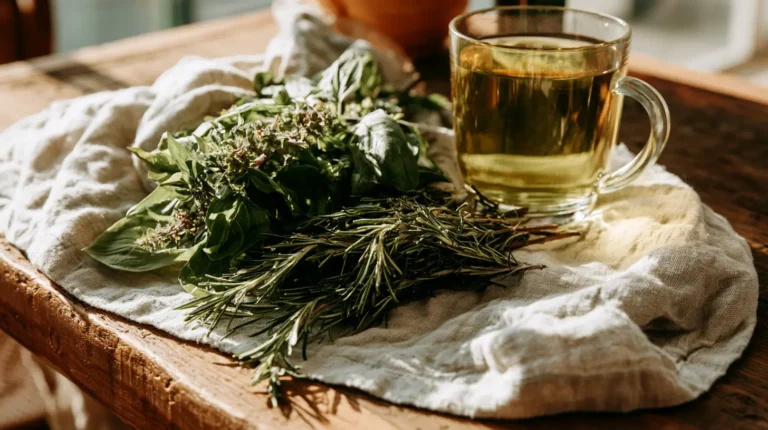
Bilberry Eyebright Eye-Comfort Tea
This gentle tea combines bilberry, eyebright, chamomile, and rose hips for a traditional eye-comfort blend focused on antioxidant-rich plants, tissue soothing, and everyday support during periods of tired or irritated eyes.
Ingredients with exact measurements
1 teaspoon dried bilberries
1 teaspoon dried eyebright
1 teaspoon dried chamomile flowers
1 teaspoon dried rose hips
10 ounces hot water
Optional: 1 teaspoon honey
Step-by-step preparation instructions
Add bilberry, eyebright, chamomile, and rose hips to a teapot or large mug.
Pour 10 ounces of hot water over the herbs.
Cover and steep for 10 to 15 minutes.
Strain very well through a fine mesh strainer.
Add honey if desired.
Sip warm or let it cool to room temperature.
How to use
Drink 1 cup as part of a general eye-comfort routine, especially when eye tiredness is linked with long screen use, dryness, or seasonal irritation. Do not use this tea as an eye wash unless specifically prepared under sterile conditions by a qualified professional.
Food for support Blurred Vision
Spinach, Egg, and Sweet Potato Eye-Support Bowl
This practical meal includes spinach and egg for lutein and zeaxanthin, sweet potato for beta-carotene, olive oil for fat-soluble nutrient absorption, and pumpkin seeds for zinc. It is a food-first way to support everyday eye nutrition without pretending dinner is a prescription.
Ingredients with exact measurements
1 medium sweet potato, peeled and cubed
2 cups fresh spinach
2 eggs
1 tablespoon olive oil
1 tablespoon pumpkin seeds
1/4 teaspoon turmeric powder
1/4 teaspoon sea salt
1/8 teaspoon black pepper
Optional: 1 teaspoon lemon juice
How to use
Enjoy as a nourishing meal when your eyes feel tired, dry, or strained from long workdays. Pair it with hydration, screen breaks, and proper lighting for best everyday support.
What Herbs You Need
The main herbs traditionally used for temporary blurred vision support include bilberry, eyebright, calendula, chamomile, green tea, hibiscus, rose hips, nettle, turmeric, and marshmallow root. These herbs are traditionally selected based on whether the pattern involves dryness, irritation, allergy symptoms, eye fatigue, oxidative stress, or general depletion.
Bilberry
Latin name: Vaccinium myrtillus
Key herbal actions: Antioxidant-rich herb, meaning it contains plant compounds that help protect cells from oxidative stress; vascular support herb, meaning it has traditional use around circulation; traditional eye herb, meaning it has long been associated with visual comfort and eye health support.
Key active compounds: Anthocyanins, anthocyanosides, flavonoids, tannins, and phenolic acids.
Eyebright
Latin name: Euphrasia officinalis
Key herbal actions: Astringent, meaning it gently tones watery tissues; anticatarrhal, meaning it is traditionally used when excess mucus is present; traditional eye-comfort herb, meaning herbalists often use it in formulas for seasonal eye irritation.
Key active compounds: Iridoid glycosides, aucubin, tannins, flavonoids, and phenolic acids.
Calendula
Latin name: Calendula officinalis
Key herbal actions: Vulnerary, meaning it is traditionally used to support tissue comfort; gentle anti-inflammatory herb, meaning it supports a balanced inflammatory response; lymphatic herb, meaning it is traditionally used to support natural clearing processes.
Key active compounds: Triterpenoids, flavonoids, carotenoids, calendulosides, and polysaccharides.
Chamomile
Latin name: Matricaria chamomilla or Matricaria recutita
Key herbal actions: Gentle anti-inflammatory herb, meaning it supports a balanced inflammatory response; nervine, meaning it supports calm when tension contributes to eye strain; carminative, meaning it supports digestion.
Key active compounds: Apigenin, bisabolol, chamazulene, luteolin, and flavonoids.
Green Tea
Latin name: Camellia sinensis
Key herbal actions: Antioxidant-rich herb, meaning it contains polyphenols that help protect cells from oxidative stress; mild stimulant, meaning it can support alertness due to caffeine; astringent, meaning it gently tones tissues.
Key active compounds: EGCG, catechins, L-theanine, caffeine, flavonoids, and tannins.
Hibiscus
Latin name: Hibiscus sabdariffa
Key herbal actions: Antioxidant-rich herb, meaning it contains colorful polyphenols; cooling herb, meaning it is traditionally used when heat or irritation is part of the pattern; sour nutritive herb, meaning it brings tart flavor and plant acids.
Key active compounds: Anthocyanins, hibiscus acid, flavonoids, polyphenols, and organic acids.
Rose Hips
Latin name: Rosa canina or Rosa spp.
Key herbal actions: Vitamin-rich nutritive, meaning it contains naturally occurring vitamin C and other plant nutrients; antioxidant, meaning it supports protection from oxidative stress; astringent, meaning it gently tones tissues.
Key active compounds: Vitamin C, carotenoids, flavonoids, polyphenols, and galactolipids.
Nettle
Latin name: Urtica dioica
Key herbal actions: Nutritive tonic, meaning it provides minerals and plant nutrients; alterative, meaning it is traditionally used for general resilience; astringent, meaning it gently tones tissues.
Key active compounds: Chlorophyll, minerals, flavonoids, phenolic acids, plant sterols, and carotenoids.
Turmeric
Latin name: Curcuma longa
Key herbal actions: Anti-inflammatory herb, meaning it supports a balanced inflammatory response; antioxidant-rich herb, meaning it contains protective polyphenols; digestive herb, meaning it supports healthy digestion in traditional use.
Key active compounds: Curcumin, demethoxycurcumin, bisdemethoxycurcumin, turmerones, and volatile oils.
Marshmallow Root
Latin name: Althaea officinalis
Key herbal actions: Demulcent, meaning it soothes dry or irritated tissues with mucilage; moistening herb, meaning it supports comfort when dryness is part of the pattern; gentle respiratory and mucosal support herb, meaning it is traditionally used when tissues feel scratchy or dry.
Key active compounds: Mucilage polysaccharides, pectin, flavonoids, phenolic acids, and starches.
Key Herbal Products for Blurred Vision (Temporary)
Bilberry Capsules
Bilberry capsules contain powdered bilberry fruit or bilberry extract. They are commonly marketed for eye health and antioxidant support, though evidence for improving vision is limited and mixed. The pros are convenience and standardized extract options; the cons are cost, variable quality, and the risk of expecting too much from a supplement. Someone might choose capsules when they want a simple antioxidant-style product and understands it is not a substitute for eye care.
Eye-Comfort Tea Blends
Eye-comfort tea blends may include bilberry, eyebright, chamomile, rose hips, nettle, or hibiscus. They are commonly used when eye strain, dryness, or seasonal irritation is part of the pattern. The pros are hydration, ritual, and gentle daily use; the cons are slower preparation and less convenience than capsules. Someone might choose tea when they want a calming routine that supports both hydration and rest.
Eyebright Tincture
Eyebright tincture is a liquid extract traditionally used in seasonal eye and sinus formulas. It is commonly chosen when watery, irritated eyes appear with pollen season or sinus discomfort. The pros are portability and easy dosing; the cons are strong taste and alcohol content in many tinctures. Someone might choose tincture when tea is inconvenient.
Lutein and Zeaxanthin Supplements
Lutein and zeaxanthin are carotenoid supplements, not herbs, but they are popular in eye-health products. They are commonly used for long-term eye nutrition, especially in products inspired by macular health research. The pros are strong relevance to eye nutrition; the cons are that they do not address sudden blurred vision and are not a quick fix. Someone might choose this type of product for long-term nutritional support after discussing it with an eye care professional.
Lubricating Eye Drops and Herbal Compress Rituals
Lubricating eye drops are not herbal products, but they are often more directly useful when temporary blur is caused by dry eye. Some people also use warm compresses with plain water or gentle herbal rituals nearby, such as drinking chamomile tea. The pros are direct comfort for dryness; the cons are that anything placed in or near the eyes must be clean and safe. Someone might choose this approach when blur improves after blinking or when the eyes feel dry, scratchy, or tired.
FAQ
Is temporary blurred vision always serious?
Not always. Temporary blur can happen from dry eyes, screen strain, allergies, tiredness, dehydration, or contact lens irritation. However, sudden, severe, one-sided, painful, or repeated blurred vision should be checked by a healthcare professional.
When should I seek urgent help for blurred vision?
Seek urgent medical care if blurred vision comes on suddenly or occurs with vision loss, eye pain, severe headache, double vision, weakness, facial drooping, trouble speaking, confusion, flashes of light, many new floaters, or recent eye injury. These symptoms can point to conditions that need prompt care. Herbs should not be used to delay evaluation in these situations.
Can herbs improve blurry vision?
Herbs should not be expected to correct vision problems, replace glasses, or manage serious eye disease. Some herbs may support related patterns such as dryness, irritation, oxidative stress, seasonal allergies, or stress tension. For repeated or unexplained blurred vision, an eye exam is the safer and smarter first step.
Is bilberry good for vision?
Bilberry is traditionally associated with eye health and contains anthocyanins, which are antioxidant plant compounds. However, NCCIH notes that bilberry has not been clearly shown to improve night vision in healthy people. It may still be used as a food-like antioxidant herb, but expectations should stay realistic.
Can I use herbal tea as an eye wash?
No, not unless it has been prepared under sterile conditions and recommended by a qualified professional. Homemade teas can contain tiny plant particles or microbes that are not safe for the eyes. Drinking tea is very different from putting tea in your eyes.
What foods support eye health?
Leafy greens, eggs, orange vegetables, berries, citrus, nuts, seeds, and fatty fish are commonly discussed for eye-supportive nutrients. Lutein and zeaxanthin are found in leafy greens and egg yolks, while beta-carotene is found in orange vegetables such as sweet potatoes and carrots. Food support is best seen as long-term nourishment, not a quick correction for blur.
Are eye-support herbs safe around pets?
Use caution, especially with essential oils, tinctures, and strong herbs. Do not put herbs, teas, or essential oils in a pet’s eyes. If a pet has eye redness, discharge, squinting, or cloudy vision, contact a veterinarian.
References
National Eye Institute: Dry Eye
NCCIH: Bilberry Usefulness and Safety
NIH MedlinePlus: Vision Problems
NIH MedlinePlus: Eye Emergencies
National Eye Institute: Diabetic Eye Disease
National Eye Institute: Age-Related Macular Degeneration
PubMed: AREDS2 Lutein, Zeaxanthin, and Omega-3 Fatty Acids Trial
NCCIH: Using Dietary Supplements Wisely
Disclaimer
This article is for educational purposes only and is not medical advice. Temporary blurred vision can have many causes, and some require urgent medical care. Seek prompt medical attention for sudden vision changes, eye pain, one-sided vision loss, double vision, severe headache, flashes, floaters, weakness, facial drooping, trouble speaking, injury, or symptoms that persist or worsen. Herbs and supplements should not replace professional eye care, prescription treatment, glasses, contact lens care, diabetes care, or emergency evaluation.