Headaches are pain or pressure felt in the head, scalp, temples, forehead, neck, or behind the eyes, and they can turn an ordinary day into a very loud room inside your skull. They may feel dull, tight, throbbing, sharp, heavy, or pressure-like depending on the cause and pattern.
Learn more about Headaches
Headaches can happen for many reasons, including muscle tension, dehydration, poor sleep, stress, eye strain, sinus pressure, caffeine changes, alcohol, skipped meals, hormonal shifts, illness, certain medications, or migraine patterns. Many headaches are not caused by serious illness, but some headache symptoms need prompt medical attention, especially when pain is sudden, severe, unusual, worsening, or paired with neurological symptoms.
In everyday language, headaches often fall into a few broad patterns. A tension-type headache may feel like tight pressure around the head or neck, almost like the scalp is wearing a hat two sizes too small. A migraine-type headache may involve throbbing pain, light sensitivity, sound sensitivity, nausea, or visual changes. A sinus-related headache may feel like pressure around the forehead, cheeks, or eyes, especially when congestion is present. A dehydration or low-food headache may arrive with fatigue, irritability, lightheadedness, or that “I forgot I am a human with basic maintenance needs” feeling.
Common triggers include stress, lack of sleep, long screen time, skipped meals, dehydration, alcohol, strong smells, weather changes, bright light, neck tension, jaw clenching, sinus congestion, and caffeine changes. Headaches may show up as pressure, throbbing, tightness, eye strain, neck stiffness, nausea, mood changes, sensitivity to light, or difficulty concentrating.
Traditional herbalism tends to understand headaches by pattern rather than one single category. A tense headache may call for relaxing nervines and antispasmodic herbs. A hot, throbbing headache may call for cooling herbs and quiet rest. A sinus-pressure headache may call for aromatic herbs that encourage a sense of movement and openness. A stress-related headache may call for nervines, digestive herbs, and a slower rhythm. A headache linked with dryness or skipped meals may call for hydration, minerals, and gentle nourishment before any strong herb is even invited to the meeting.
Herbs are traditionally selected based on how the headache feels and what seems to be contributing to it. Herbalists often look at whether the pattern is tense, hot, cold, dry, congested, digestive, hormonal, stress-related, or sleep-related. This does not replace medical evaluation, but it helps explain why one person may reach for peppermint and lavender, while another may do better with ginger tea, lemon balm, magnesium-rich foods, or simple hydration.
How Herbs Can Help Headaches
How Herbalism Traditionally Approaches This Issue
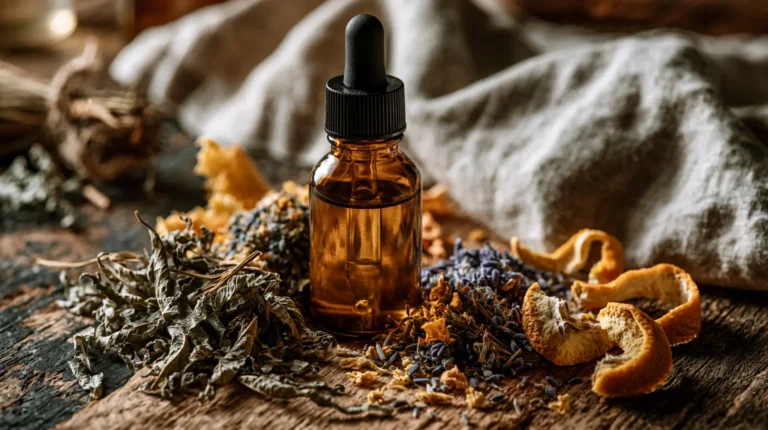
Herbalism often sees headaches as a pattern involving tension, heat, poor circulation, digestive upset, stress, sinus congestion, dehydration, or overstimulated nerves. The main herbal actions used include nervines, which support nervous system calm; antispasmodics, which help relax tight body patterns; aromatics, which bring a sense of movement and freshness; and bitter or digestive herbs, which may support headaches linked with sluggish digestion. Herbalists choose between these actions based on whether the headache feels tight, hot, throbbing, congested, nauseous, stress-related, screen-related, or digestive; herbs traditionally used when headaches happen include peppermint, lavender, lemon balm, ginger, feverfew, chamomile, skullcap, rosemary, yarrow, passionflower, and nettle.
“A headache is your head’s way of turning up the volume on something your body has been whispering. Sometimes the answer is tea, water, quiet, food, sleep, or simply closing 19 mental tabs.”
Recipes & Remedies Headaches
Herbal Preparations
Peppermint, Lavender & Lemon Balm Headache Tea
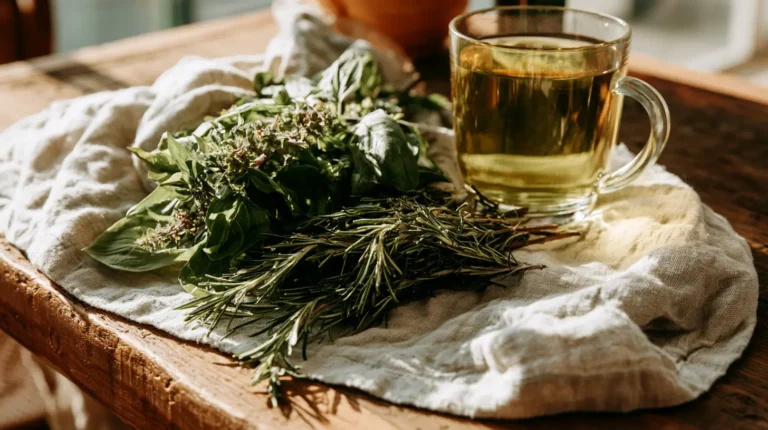
This gentle tea combines cooling peppermint, aromatic lavender, and calming lemon balm for a simple traditional preparation when headaches feel tense, stress-related, or screen-heavy. It is light, fragrant, and best enjoyed away from bright screens if possible.
Ingredients with exact measurements
1 teaspoon dried lemon balm
1 teaspoon dried peppermint
1/4 teaspoon dried lavender flowers
1 cup hot water
1 teaspoon honey, optional
Step-by-step preparation instructions
Place lemon balm, peppermint, and lavender in a mug.
Pour hot water over the herbs.
Cover and steep for 8 to 10 minutes.
Strain well.
Add honey if desired.
Sip slowly in a calm, dim setting if possible.
How to use
Drink 1 cup when the headache feels mild, tense, or stress-related. Use only a small amount of lavender because the flavor can become strong quickly. Avoid peppermint if it worsens reflux. Avoid lavender or chamomile-family blends if you know they do not agree with you. Seek medical care for sudden severe headache, headache after head injury, weakness, confusion, stiff neck, fever, vision changes, repeated vomiting, or a headache that is unusual for you.
Food for support Headaches
Magnesium-Rich Spinach, Pumpkin Seed & Ginger Bowl
Short description
This simple meal combines leafy greens, pumpkin seeds, ginger, and whole grains for a grounding, nourishing bowl. It is especially helpful as a practical food choice when headaches may be connected with skipped meals, stress, low energy, or poor daily rhythm.
Ingredients with exact measurements
1 cup cooked brown rice or quinoa
2 cups fresh spinach
1 tablespoon pumpkin seeds
1 teaspoon fresh grated ginger
1 teaspoon olive oil
1 teaspoon lemon juice
1/4 avocado, sliced
1 pinch sea salt
1 pinch black pepper
Step-by-step preparation instructions
Warm olive oil in a skillet over low to medium heat.
Add fresh ginger and stir for 30 seconds.
Add spinach and cook for 1 to 2 minutes, just until wilted.
Place cooked rice or quinoa in a bowl.
Add the ginger spinach mixture.
Top with pumpkin seeds and avocado.
Add lemon juice, sea salt, and black pepper.
Serve warm.
How to use
Enjoy as a light meal when a headache seems connected with skipped meals, stress, low energy, or needing steady nourishment. Pair with water and a quiet break. This meal is not meant to replace medical care or prescribed migraine treatment.
What Herbs You Need
For headache support, the main herbs and ingredients used in these recipes are peppermint, lavender, lemon balm, ginger, lemon, spinach, pumpkin seed, avocado, black pepper, and whole grains. These herbs and foods are traditionally used to support calm, cooling, digestion, circulation, nourishment, hydration habits, and steady daily rhythm.
Peppermint
Latin name: Mentha x piperita
Key herbal actions:
Aromatic: contains fragrant volatile oils that create a fresh, open sensation.
Cooling: traditionally used when the head feels hot, heavy, or overstimulated.
Carminative: supports digestion when stress or food patterns affect the belly.
Key active compounds:
Menthol, menthone, rosmarinic acid, flavonoids.
Lavender
Latin name: Lavandula angustifolia
Key herbal actions:
Relaxing nervine: traditionally used to support calm and ease tension.
Aromatic: fragrant compounds support a sensory relaxation ritual.
Mild antispasmodic: traditionally used when tension is part of the pattern.
Key active compounds:
Linalool, linalyl acetate, rosmarinic acid, flavonoids.
Lemon Balm
Latin name: Melissa officinalis
Key herbal actions:
Nervine: traditionally used to support the nervous system during restlessness or stress.
Carminative: supports digestion when stress settles in the belly.
Aromatic: has a bright lemony scent that feels uplifting without being sharp.
Key active compounds:
Rosmarinic acid, citral, citronellal, flavonoids.
Ginger
Latin name: Zingiber officinale
Key herbal actions:
Warming aromatic: traditionally used when the body feels cold, sluggish, or nauseated.
Carminative: supports digestion and helps reduce occasional gas.
Circulatory stimulant: traditionally used to encourage warmth and movement.
Key active compounds:
Gingerols, shogaols, zingiberene.
Lemon
Latin name: Citrus limon
Key herbal actions:
Aromatic: brightens teas and foods with a fresh citrus scent.
Digestive-supportive: supports appetite and freshness in food traditions.
Hydration-supportive flavor: may make water and tea more appealing.
Key active compounds:
Citric acid, limonene, flavonoids, vitamin C.
Spinach
Latin name: Spinacia oleracea
Key actions:
Nutritive: provides minerals, fiber, and plant compounds in food form.
Magnesium-containing food: contributes magnesium as part of a balanced diet.
Cooling food: traditionally viewed as green, moistening, and nourishing.
Key active compounds:
Magnesium, folate, lutein, beta-carotene, flavonoids.
Pumpkin Seed
Latin name: Cucurbita pepo
Key actions:
Nutritive: provides minerals, protein, and healthy fats.
Magnesium-containing food: contributes magnesium as part of everyday nutrition.
Grounding food: adds satiety and steadiness to meals.
Key active compounds:
Magnesium, zinc, phytosterols, vitamin E, fatty acids.
Avocado
Latin name: Persea americana
Key actions:
Nutritive: provides fats, fiber, and potassium.
Grounding food: supports steady meals and satiety.
Moistening food: traditionally viewed as rich, soft, and nourishing.
Key active compounds:
Monounsaturated fats, potassium, fiber, carotenoids.
Black Pepper
Latin name: Piper nigrum
Key herbal actions:
Warming stimulant: traditionally used in small amounts to bring warmth and movement.
Carminative: supports digestion and reduces heaviness after meals.
Flavor enhancer: helps simple foods feel more satisfying.
Key active compounds:
Piperine, volatile oils, alkaloids.
Key Herbal Products for Headaches
Peppermint Tea
Peppermint tea is a cooling aromatic infusion made from dried peppermint leaves. It is commonly used when headaches feel heavy, warm, digestive, or screen-related.
Pros: Easy to find, caffeine-free, refreshing, and simple to prepare.
Cons: May worsen reflux or heartburn in some people.
Best choice when: Someone wants a gentle tea that feels cooling and fresh.
Lavender Tea or Aromatic Sachets
Lavender is commonly used in tea blends, bath preparations, sachets, and aromatherapy-style routines. It is often chosen when headache patterns feel tense, stress-related, or overstimulated.
Pros: Pleasant aroma, versatile, and useful in relaxation rituals.
Cons: The taste can become perfume-like if too much is used, and essential oils require safety care.
Best choice when: Headache seems linked with tension, stress, or sensory overload.
Ginger Tea or Capsules
Ginger is commonly sold as tea, capsules, powder, chews, and tinctures. Research on ginger for migraine is mixed, with some studies suggesting possible benefit for acute migraine and others finding no benefit for prevention, so it should be described cautiously.
Pros: Useful as a kitchen herb, supports digestion, and may be helpful when nausea is part of the headache picture.
Cons: Can aggravate reflux and may interact with blood-thinning medications in higher amounts.
Best choice when: Headache comes with nausea, coldness, sluggish digestion, or a need for warming support.
Feverfew Capsules or Tea
Feverfew is a traditional herb often discussed in migraine-support products. Research findings for feverfew are mixed, so it should not be presented as a guaranteed solution.
Pros: Widely available in capsule and tea form.
Cons: Not appropriate during pregnancy; may interact with blood-thinning medications; can cause mouth irritation if fresh leaves are chewed.
Best choice when: Someone is exploring traditional migraine-support herbs with professional guidance.
Magnesium Supplements
Magnesium is not an herb, but it is commonly found in headache and migraine wellness discussions. It may be used by some people under professional guidance, especially when diet, migraine patterns, or deficiency risk are part of the conversation.
Pros: Widely available and also found in foods such as pumpkin seeds, leafy greens, legumes, and nuts.
Cons: Supplements can cause diarrhea, interact with some medications, and may not be appropriate for kidney disease.
Best choice when: Someone wants to discuss a nutrient-based approach with a healthcare professional, especially for recurring headaches.
FAQ
Are headaches always caused by stress?
No. Stress is common, but headaches can also be linked with dehydration, poor sleep, skipped meals, sinus pressure, eye strain, caffeine changes, alcohol, illness, medication effects, hormones, migraine, or other medical conditions. The pattern and context matter.
When should I seek medical care for a headache?
Seek urgent care for a sudden severe headache, the “worst headache ever,” headache after head injury, or headache with fever, stiff neck, confusion, seizure, weakness, numbness, double vision, slurred speech, repeated vomiting, or trouble staying awake. Mayo Clinic also recommends seeing a doctor when headaches become more frequent, more severe, interfere with normal activities, or do not improve with appropriate over-the-counter use.
Can herbal tea stop a headache?
Herbal tea should not be presented as a guaranteed way to stop a headache. It may support hydration, calm, digestion, warmth, cooling, or a quiet ritual depending on the herbs used. Recurring or severe headaches deserve professional evaluation.
Is peppermint better as tea or essential oil?
Peppermint tea is gentler and easier to use safely. Peppermint essential oil is concentrated and should never be placed in the eyes, inside the nose, or used undiluted on skin. It should be used cautiously around children, pets, pregnancy, asthma, and sensitive skin.
Can headaches come from not eating or drinking enough?
Yes, skipped meals and dehydration can contribute to headaches in some people. A simple first step is water, a balanced snack or meal, and a break from screens or bright light. If headaches are frequent or severe, do not assume food or water is the only issue.
Are fresh herbs better than dried herbs?
Fresh herbs can be more fragrant and lively, while dried herbs are convenient, concentrated, and easy to store. For teas, dried herbs are often easier to measure. Use herbs that smell fresh and are stored away from heat, light, and moisture.
Can headache herbs be used for pets?
Do not give headache herbs, essential oils, tinctures, teas, or supplements to pets unless a veterinarian approves. Cats and dogs process plant compounds differently from humans. Essential oils are especially risky around pets and should be handled carefully.
References
Mayo Clinic: Headache — When to See a Doctor
Mayo Clinic: Headaches in Adults — Symptom Checker
Mayo Clinic: Migraine Symptoms and Causes
CDC: Symptoms of Mild TBI and Concussion
NCCIH: Headaches and Complementary Health Approaches
PubMed: Herbal Treatments for Migraine — A Systematic Review of Randomized-Controlled Studies
PubMed: Ginger for Migraine as an Add-On Strategy — Randomized Clinical Trial
PubMed: Ginger for Migraine Prevention — Randomized Trial
Disclaimer
This article is for educational purposes only and is not medical advice, diagnosis, or treatment. Headaches can have many causes, including stress, dehydration, eye strain, sinus issues, migraine, illness, injury, medication effects, high blood pressure, neurological conditions, or other medical concerns. Herbs, foods, teas, supplements, and home practices should not replace care from a qualified healthcare professional. Seek medical guidance promptly for sudden severe headache, headache after head injury, headache with fever or stiff neck, neurological symptoms, vision changes, repeated vomiting, worsening symptoms, new headache after age 50, or headaches that are frequent, severe, unusual, or disabling.