
Cardamom: Aromatic Carminative for Digestive Comfort and Circulatory Warmth
Cardamom is a fragrant warming seed long valued in both culinary and herbal traditions. In Western herbalism, it supports digestive movement, eases tension, and gently restores warmth and coordination in the gut.
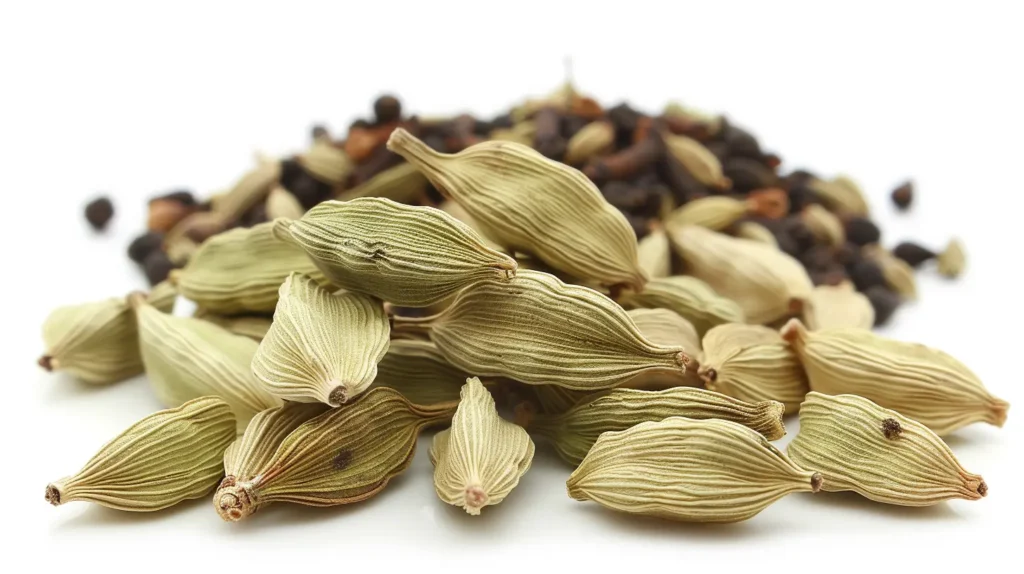
Latin (botanical) name: Elettaria cardamomum
Plant family: Zingiberaceae
Common names: Green cardamom, true cardamom
Cardamom is native to India and Sri Lanka and has been traded along spice routes for centuries. Though strongly associated with Ayurvedic practice, it was incorporated into European monastic and apothecary traditions as a warming aromatic digestive.
In Western herbalism, it is classified as a carminative and digestive stimulant, traditionally used for bloating, digestive constriction, and post-meal heaviness. Its long-standing use as a digestive aromatic is recognized in pharmacognosy literature summarized through PubMed Central.
Herbal Actions
Cardamom is traditionally described as:
- Carminative (reduces gas and digestive tension)
- Aromatic digestive stimulant
- Mild circulatory stimulant
- Warming herb
Its actions are closely tied to its volatile oil content.
Practical Uses
In practice, cardamom is often used when digestion feels tight, bloated, or cool. It is commonly included in digestive teas and bitters formulas to improve flavor while enhancing movement.
It is especially useful when digestive symptoms are linked to cold or damp energetics in traditional frameworks. Its warming quality makes it a frequent addition to winter herbal blends.
Product forms
Cardamom is available as:
- Whole pods
- Crushed seeds
- Powder
- Alcohol-based tincture
- Essential oil (used externally and in aromatic applications)
- Included in digestive spice blends
Whole pods preserve volatile oils better than powder.
Traditional herbal recipes
Cardamom is commonly steeped with fennel and ginger in digestive teas. It has also historically been included in warming syrups and tonic wines.
Lightly crushing pods before infusion improves extraction of aromatic compounds.
Parts Used
The dried seeds contained within the pod are the medicinal part used.
Usage Forms & Shelf Life
Internal use: Tea, tincture, powder, culinary use
External use: Aromatic oil (diluted)
Common preparations:
Infusion of crushed seeds
Powder in food
Tincture
Shelf-life ranges:
Whole pods: 2–3 years when stored airtight
Powder: 1 year
Tincture: 4–6 years
Volatile oils degrade more quickly once ground.
Safety & Considerations and Dosage Guidelines
Cardamom is generally considered gentle and is widely used as a culinary spice. Traditional herbal use typically involves moderate amounts in blends rather than large quantities.
Essential oil should be properly diluted and used with care.
Side Effects & Contraindications
Side effects are uncommon when used in culinary or traditional herbal amounts. Concentrated essential oil may irritate sensitive individuals if improperly diluted.
No major contraindications are noted in traditional herbal literature, though individual sensitivities vary.
Active Constituents
Volatile Oils (1–8%)
Cardamom seeds contain 1–8% essential oil depending on origin and processing. Major compounds include 1,8-cineole, α-terpinyl acetate, limonene, and linalool, as reported in phytochemical analyses summarized through PubMed Central.
Traditional role: Relax digestive smooth muscle, stimulate secretion, warm circulation
Best extraction method: Infusion of crushed seeds or alcohol extraction
Flavonoids and Phenolic Compounds
Contribute antioxidant properties.
Traditional role: Support tissue resilience and balanced inflammatory response
Best extraction method: Alcohol extraction or hot water infusion
How It Works
The volatile oils in cardamom act on smooth muscle and digestive secretions. Aromatic compounds such as 1,8-cineole influence motility and may reduce digestive spasm.
Research examining cardamom’s essential oil composition and biological activity is available through PubMed Central.
In traditional herbal terms, its warming and aromatic qualities restore movement where stagnation is present.
Processing Cautions
Grinding accelerates oxidation of volatile oils, reducing potency. Pods should be stored whole and crushed just before use.
Heat during cooking is generally safe but prolonged high heat may diminish aromatic intensity.
Quick Herb Overview
Botanical family: Zingiberaceae
Parts used: Seeds
Energetics (traditional): Warm, dry
Taste profile: Sweet, aromatic, slightly pungent
Herb Identification
Elettaria cardamomum is a perennial plant with long lance-shaped leaves and pale green pods containing small black seeds.
It grows in tropical climates and produces pods at the base of the plant. It should not be confused with black cardamom (Amomum subulatum), which has a smokier flavor and slightly different properties.
Selecting Quality Herb
High-quality cardamom pods are green, plump, and fragrant. Faded, brittle pods indicate age.
Freshly crushed seeds should release a strong sweet-spicy aroma.
Natural Growing Areas
Cardamom is native to southern India and Sri Lanka and is cultivated in Guatemala, Tanzania, and other tropical regions.
Growing Tips
Cardamom requires warm, humid climates and partial shade. It grows best in rich, well-drained soil with consistent moisture.
Cultivation outside tropical regions requires greenhouse conditions.
Frequently Asked Questions
Is cardamom only culinary?
No. While widely used in cooking, it has a long history of herbal use for digestion.
Does it help with bloating?
Traditionally, yes. It is classified as a carminative herb.
Is green cardamom different from black cardamom?
Yes. Green cardamom is more aromatic and is the form most commonly used in herbal practice.
Can it be used daily?
As a culinary spice, it is commonly used regularly in moderate amounts.
Why is it considered warming?
Its volatile oils stimulate circulation and digestive movement in traditional energetics.
Should pods be crushed before use?
Yes. Crushing releases the aromatic oils for better extraction.
References
Phytochemical and pharmacological review of Elettaria cardamomum — PubMed Central
This content is provided for educational purposes only and reflects traditional Western herbal practice and publicly available research. It is not intended to diagnose, treat, cure, or prevent any disease and does not replace professional medical care or individualized guidance.