

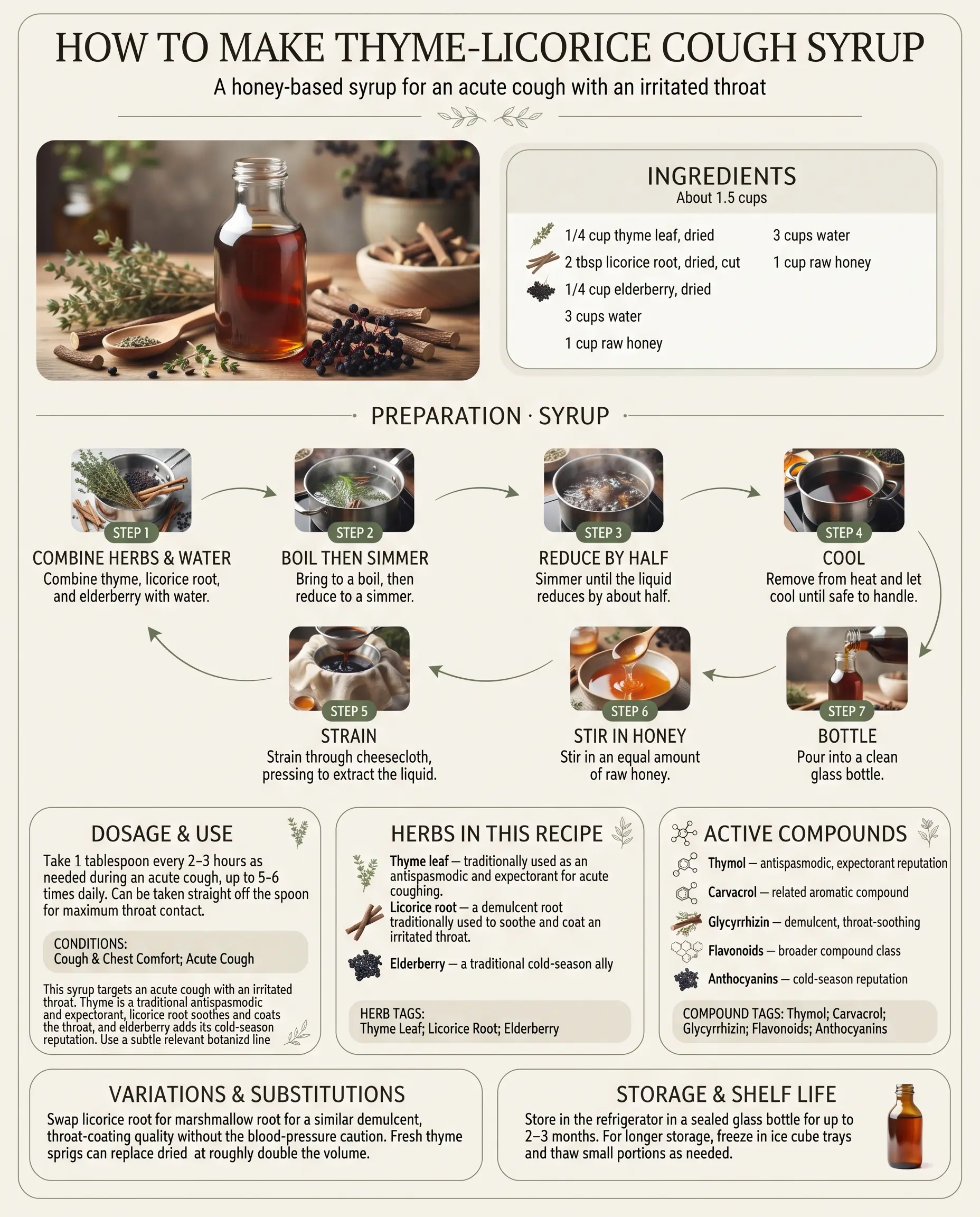
Recipe Details
Preparation Type: Syrup
Ingredients
1/4 cup thyme leaf, dried
2 tbsp licorice root, dried, cut
1/4 cup elderberry, dried
3 cups water
1 cup raw honey
Preparation
- Combine thyme, licorice root, and elderberry with water in a saucepan.
- Bring to a boil, then reduce to a simmer.
- Simmer, partially covered, until the liquid reduces by about half (roughly 30 minutes).
- Remove from heat and let cool until safe to handle.
- Strain through cheesecloth into a measuring cup, pressing to extract the liquid.
- Stir in an equal amount of raw honey.
- Pour into a clean glass bottle.
Yield: About 1.5 cups
Dosage & Usage
Take 1 tablespoon every 2–3 hours as needed during an acute cough, up to 5–6 times daily. Can be taken straight off the spoon for maximum throat contact.
Precautions & Contraindications
Not for children under one year old due to the raw honey. Licorice root should not be used long-term or in large amounts by anyone with high blood pressure, liver disorders, edema, or heart disease — this syrup’s honey base means each dose is a small, diluted amount of licorice, but daily use beyond the acute cough should be discussed with a healthcare practitioner. Avoid if pregnant, as licorice root is generally not recommended during pregnancy. Only cooked elderberry preparations should be used, as raw elderberries can cause gastrointestinal upset.
Health Conditions & How It Works
This syrup targets an acute cough, particularly one accompanied by a raw, irritated throat. Thyme has a long tradition as an antispasmodic and expectorant herb, historically reached for to ease coughing fits and help move mucus. Licorice root is traditionally valued as a demulcent that coats and soothes irritated throat tissue, while elderberry rounds out the formula with its traditional cold-season reputation. The honey base itself soothes on contact with every dose.


Herbs Used in This Recipe
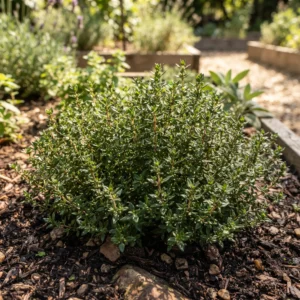
Thyme leaf — traditionally used as an antispasmodic and expectorant for acute coughing.
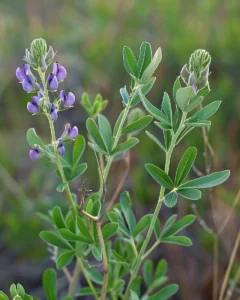
Licorice root — a demulcent root traditionally used to soothe and coat an irritated throat.
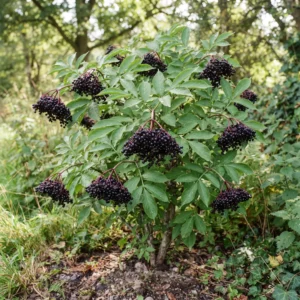
Elderberry — a traditional cold-season ally that complements this formula’s throat and cough focus.
Active Compounds
- Thymol — a volatile oil traditionally associated with thyme’s antispasmodic, expectorant reputation (Thyme)
- Carvacrol — a related aromatic compound contributing to thyme’s traditional properties (Thyme)
- Glycyrrhizin — the primary sweet compound in licorice root, traditionally tied to its demulcent, throat-soothing reputation (Licorice Root)
- Flavonoids — a broader compound class present in licorice root alongside glycyrrhizin (Licorice Root)
- Anthocyanins — the deep pigment compounds tied to elderberry’s traditional cold-season reputation (Elderberry)
Ready-to-Use Product
Herb Pharm Kids Cough Crusader — an alcohol-free herbal syrup built on elderberry, thyme, and licorice root, closely matching this formula’s throat-soothing, cough-easing intent.
Variations & Substitutions
Swap licorice root for marshmallow root if you’d rather avoid licorice’s blood-pressure caution — marshmallow offers a similar demulcent, throat-coating quality without the same contraindications. Fresh thyme sprigs can replace dried at roughly double the volume if available.
Storage & Shelf Life
Store the finished syrup in the refrigerator in a sealed glass bottle for up to 2–3 months. For longer shelf life, freeze in ice cube trays and thaw small portions as needed.
FAQ
Why does licorice root need a caution when it’s such a small amount per dose?
Licorice root’s glycyrrhizin compound can affect blood pressure and potassium levels with regular, ongoing use — a small acute dose in this syrup is generally fine for most people, but daily use over weeks warrants a conversation with a healthcare practitioner.
Why simmer the herbs before adding honey rather than infusing everything together?
Thyme, licorice root, and elderberry all benefit from the heat and time of a simmer to fully release their properties into the water; honey is added afterward, once cooled, to preserve more of its own delicate qualities.
Can I make this syrup without elderberry?
Yes — thyme and licorice root alone still make an effective cough syrup base; elderberry is included here mainly for its traditional cold-season role, not as an essential structural ingredient.
How is this different from the Elderberry-Thyme Cold & Cough Syrup in another recipe?
This formula leans more heavily on thyme and licorice for direct cough and throat relief, while a cold-focused elderberry syrup usually centers elderberry with thyme playing a supporting role — the emphasis and ratios differ even though some ingredients overlap.
References
Mountain Rose Herbs: Licorice Root Organic
Mountain Rose Herbs: Thyme Leaf Organic
American Botanical Council: HerbalGram
Disclaimer
This content is for educational purposes only and has not been evaluated by the FDA. It is not intended to diagnose, treat, cure, or prevent any disease. Consult a qualified healthcare practitioner before using herbal preparations, particularly if pregnant, nursing, or taking medication.