

Recipe Details
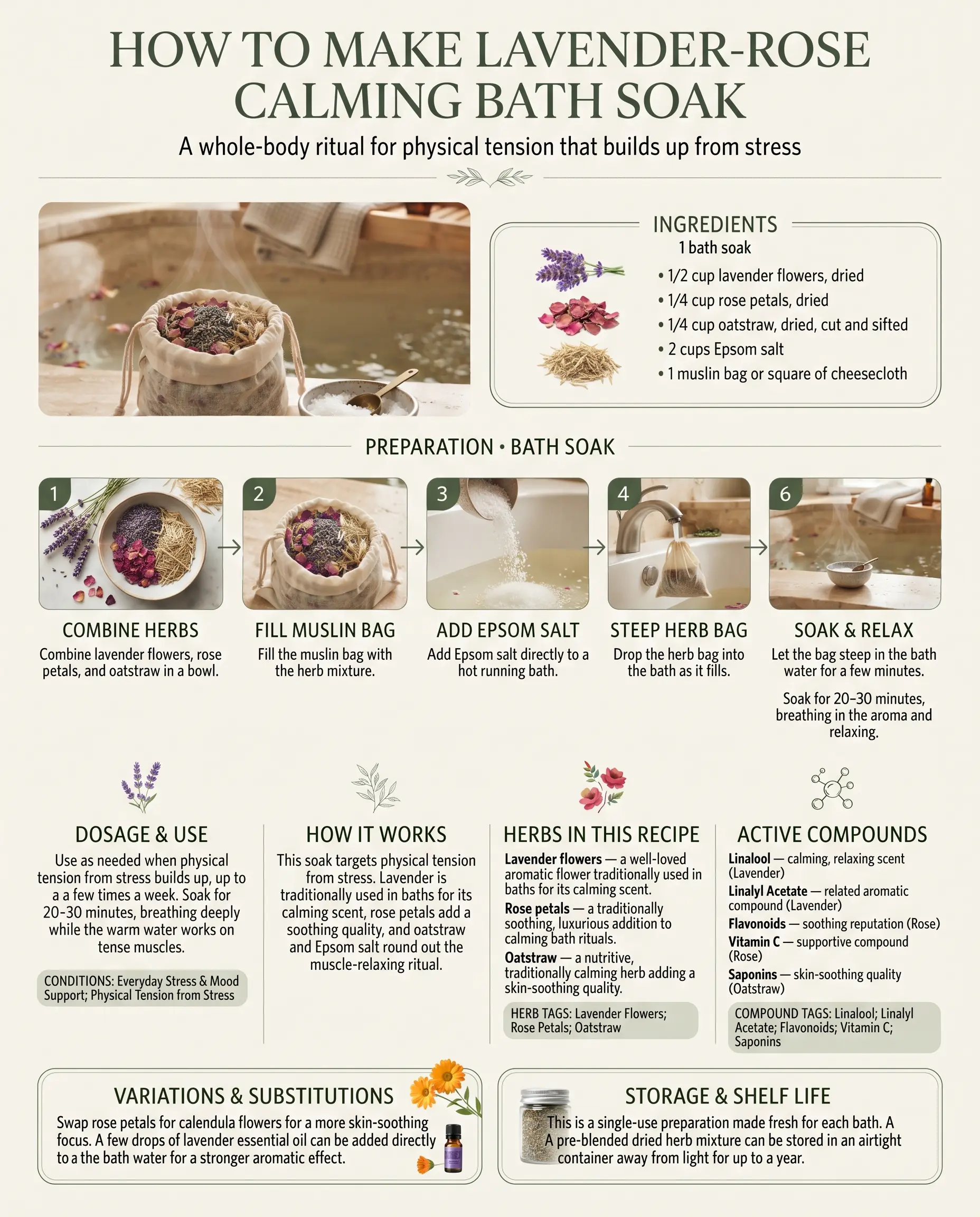
Preparation Type: Bath Soak
Ingredients
1/2 cup lavender flowers, dried
1/4 cup rose petals, dried
1/4 cup oatstraw, dried, cut and sifted
2 cups Epsom salt
1 muslin bag or square of cheesecloth
Preparation
- Combine lavender flowers, rose petals, and oatstraw in a bowl.
- Fill the muslin bag with the herb mixture, or tie the herbs into a square of cheesecloth.
- Add Epsom salt directly to a hot running bath.
- Drop the herb bag into the bath as it fills, or hang it under the faucet so hot water runs through it.
- Let the bag steep in the bath water for a few minutes before getting in.
- Soak for 20–30 minutes, breathing in the aroma and letting your muscles relax.
Yield: 1 bath soak
Dosage & Usage
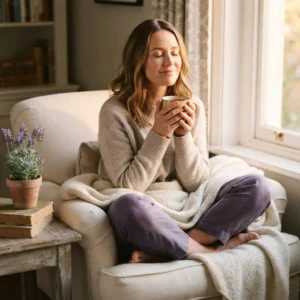
Use as needed when physical tension from stress builds up, up to a few times a week. Soak for 20–30 minutes, breathing deeply and intentionally to take in the aroma while the warm water works on tense muscles.
Precautions & Contraindications
For external use only. Avoid if allergic to plants in the Rosaceae (rose) family. Those with sensitive skin should perform a small patch test with the diluted bath water before a full soak, as lavender and rose can occasionally cause mild skin sensitivity in some individuals. Consult a healthcare practitioner before use during pregnancy, as very hot baths are generally discouraged in pregnancy regardless of the herbs used. Exit the bath if you feel lightheaded, especially if using very hot water.
Health Conditions & How It Works
This bath soak targets physical tension from stress, the tight shoulders, clenched jaw, or general muscular tightness that builds up during a stressful stretch of time. Lavender is traditionally regarded for its calming scent, historically used in baths for relaxation since Roman times, while rose petals add a traditional soothing, luxurious quality to the ritual. Oatstraw and Epsom salt round out the formula, with warm water and Epsom salt traditionally associated with easing physical muscle tension.

Herbs Used in This Recipe
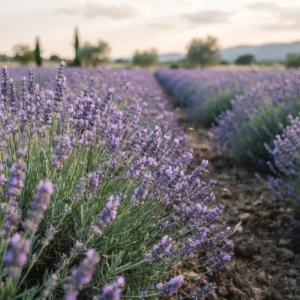
- Lavender flowers — a well-loved aromatic flower traditionally used in baths for its calming, relaxing scent.
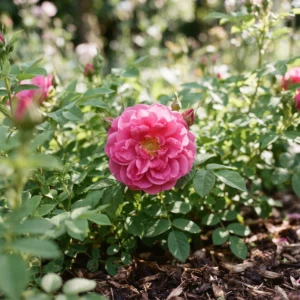
- Rose petals — a traditionally soothing, luxurious addition to calming bath rituals.
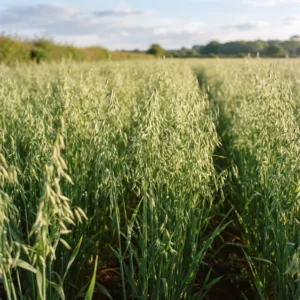
- Oatstraw — a nutritive, traditionally calming herb that adds a gentle, skin-soothing quality to the soak.
Active Compounds
- Linalool — a volatile oil traditionally associated with lavender’s calming, relaxing scent (Lavender)
- Linalyl acetate — a related aromatic compound contributing to lavender’s traditional properties (Lavender)
- Flavonoids — compounds traditionally associated with rose petals’ soothing reputation (Rose)
- Vitamin C — traditionally noted in rose petals alongside other supportive compounds (Rose)
- Saponins — compounds in oatstraw traditionally associated with its gentle, skin-soothing quality when used in a bath (Oatstraw)
Ready-to-Use Product
Star Bright Farm Lavender and Rose Bath Soaking Salt — a sea salt, Himalayan salt, and Epsom salt blend with lavender essential oil and rose petals, closely matching this formula’s aromatic, muscle-relaxing bath ritual (this ready-made version doesn’t include oatstraw, so it’s a related but not exact match).
Variations & Substitutions
Swap rose petals for calendula flowers if you prefer a more skin-soothing focus over the floral, romantic note of rose. A few drops of lavender essential oil can be added directly to the bath water alongside the dried herbs for a stronger aromatic effect.
Storage & Shelf Life
This is a single-use preparation made fresh for each bath; the dried herb mixture itself, if pre-blended ahead of time, can be stored in an airtight container away from light for up to a year.
FAQ
Why hang the herb bag under the running faucet instead of just tossing it in the tub? Running hot water directly through the herbs extracts more of their aromatic oils quickly, giving the bath a stronger scent than simply floating the bag in already-filled water.
Can I use essential oils instead of dried herbs for this soak? Essential oils can be used in place of or alongside dried herbs, but they’re much more concentrated and should be properly diluted in a carrier like Epsom salt before adding to bathwater, rather than dropped in undiluted.
Why does this recipe pair a calming scent with a physical practice like a hot bath? Physical tension and mental stress are closely linked — warm water on its own helps loosen tight muscles, and the aromatic layer from lavender and rose adds a traditional calming element that many people find deepens the overall relaxing effect of the ritual.
Is this bath soak safe to use every night? Occasional to a few-times-weekly use is generally fine for most adults, but very frequent hot baths can be drying to skin — moisturizing afterward and listening to your skin’s response is a reasonable approach.
References
Mountain Rose Herbs: English Lavender Flowers Organic
Mountain Rose Herbs: Oatstraw Organic
American Botanical Council: HerbalGram
Disclaimer
This content is for educational purposes only and has not been evaluated by the FDA. It is not intended to diagnose, treat, cure, or prevent any disease. Consult a qualified healthcare practitioner before using herbal preparations, particularly if pregnant, nursing, or taking medication.