

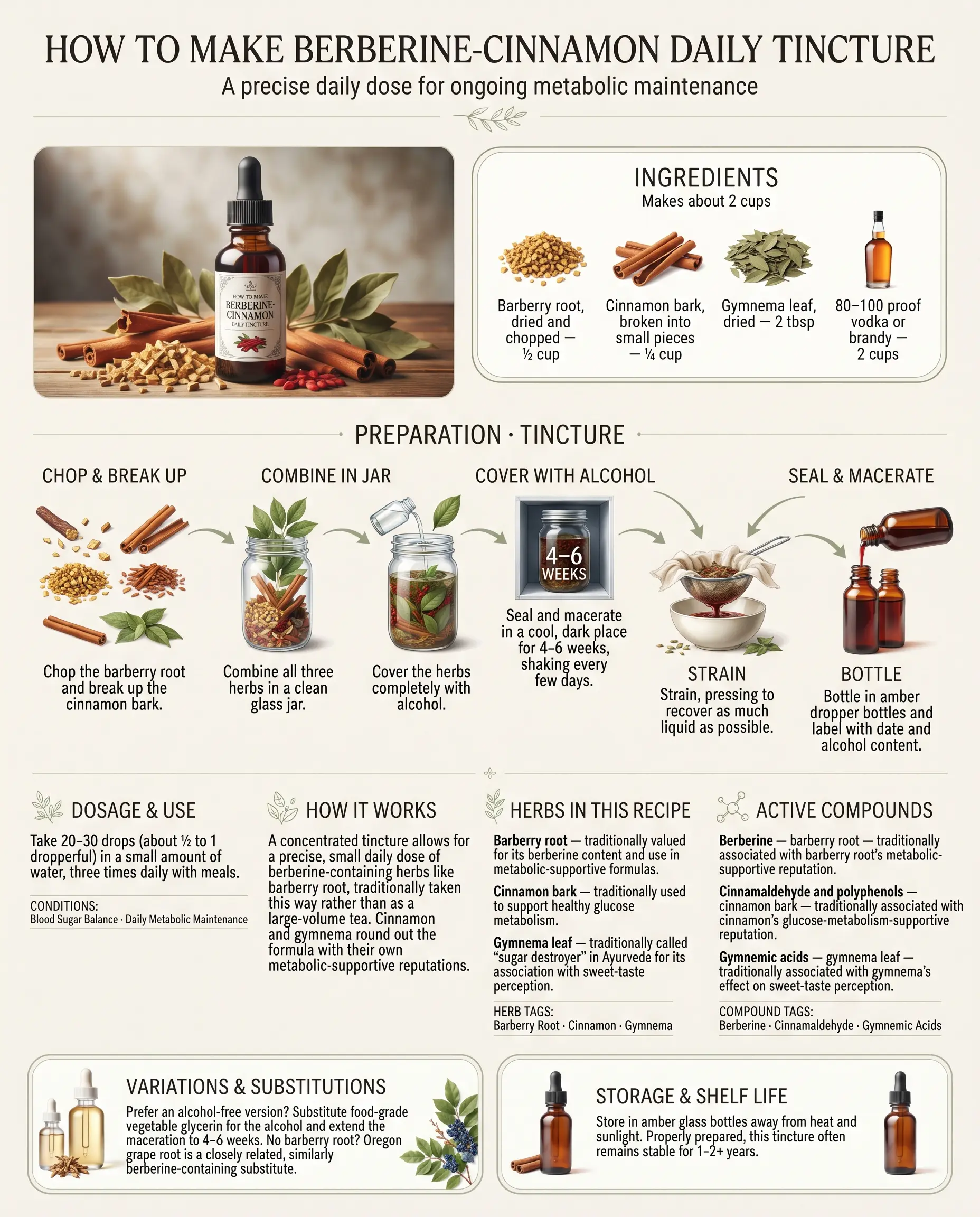
Recipe Details
Preparation Type: Tincture
Ingredients
Barberry root, dried and chopped: ½ cup
Cinnamon bark, broken into small pieces: ¼ cup
Gymnema leaf, dried: 2 tablespoons
80–100 proof vodka or brandy: 2 cups
Preparation
- Chop the barberry root and break the cinnamon bark into small pieces to increase surface area.
- Combine the barberry root, cinnamon, and gymnema leaf in a clean glass jar.
- Pour the alcohol over the herbs, making sure they’re fully submerged, leaving about an inch of headspace.
- Seal the jar and macerate in a cool, dark place for 4–6 weeks, shaking every few days.
- Strain through cheesecloth, pressing to recover as much liquid as possible.
- Bottle in amber dropper bottles, labeling with the alcohol content and date.
Yield: Makes about 2 cups (approximately 45–50% alcohol by volume, depending on the proof of alcohol used)
Dosage & Usage
Take 20–30 drops (about ½ to 1 dropperful) in a small amount of water, three times daily with meals, for a small, precise daily dose.
Precautions & Contraindications
Barberry root is not for use in pregnancy except under the supervision of a qualified healthcare practitioner. Contains alcohol — not appropriate during pregnancy, while nursing, for children, or for those avoiding alcohol for personal or medical reasons; a non-alcohol glycerite may be substituted. Consult a healthcare practitioner before use if taking blood sugar-lowering medication, as berberine-containing herbs, cinnamon, and gymnema may all have an additive effect and can increase the risk of low blood sugar. Berberine-containing herbs may interact with a range of medications metabolized by the liver.
Health Conditions & How It Works
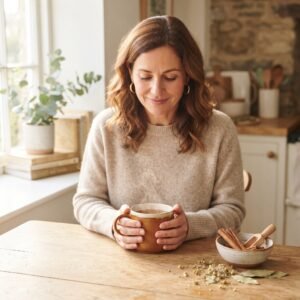
This tincture targets daily metabolic maintenance through a concentrated, low-volume dose. A concentrated tincture allows for a precise, small daily dose of berberine-containing herbs like barberry root, which are traditionally taken this way rather than as a large-volume tea. Cinnamon and gymnema leaf are included to round out the formula with their own traditional metabolic-supportive reputations.
Herbs Used in This Recipe
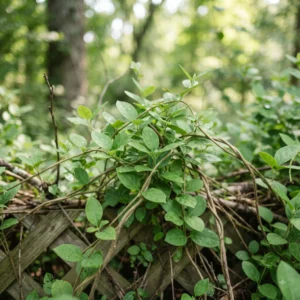
Barberry root — traditionally valued for its berberine content and use in metabolic-supportive formulas.
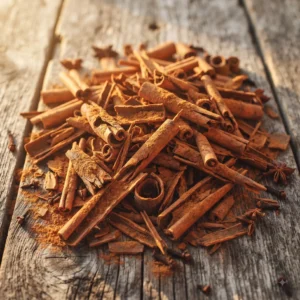
Cinnamon bark — traditionally used to support healthy glucose metabolism.
Gymnema leaf — traditionally called “sugar destroyer” in Ayurveda for its association with sweet-taste perception.
Active Compounds
Berberine — traditionally associated with barberry root’s metabolic-supportive reputation (barberry root).
Cinnamaldehyde and polyphenols — traditionally associated with cinnamon’s glucose-metabolism-supportive reputation (cinnamon bark).
Gymnemic acids — traditionally associated with gymnema’s effect on sweet-taste perception (gymnema leaf).
Ready-to-Use Product
Berberine+ Tincture (Nutritional Frontiers) — a liquid tincture built around berberine from barberry bark and cinnamon, closely matching this formula (does not include gymnema).
Berberine Tincture (Wild & Organic) — a glycerin-based, alcohol-free berberine extract for those avoiding alcohol.
Full Spectrum Cinnamon, Fenugreek & Gymnema (Swanson) — a capsule blend sharing cinnamon and gymnema with this formula, though it uses fenugreek rather than barberry root/berberine.
Variations & Substitutions
Prefer an alcohol-free version? Substitute food-grade vegetable glycerin for the alcohol and extend the maceration to 4–6 weeks. No barberry root on hand? Oregon grape root is a closely related, similarly berberine-containing substitute.
Storage & Shelf Life
Store the finished tincture in amber glass bottles away from heat and sunlight. Properly prepared alcohol tinctures often remain stable for 1–2+ years.
FAQ
Why is barberry root used instead of goldenseal for berberine?
Barberry root is a more sustainable, readily cultivated source of berberine than wild-harvested goldenseal, which is at-risk in parts of its native range.
Can I take this alongside prescribed diabetes medication?
Only under the guidance of a healthcare practitioner — berberine-containing herbs can have an additive effect with blood sugar medications and may require dose adjustments.
How strong should the finished tincture taste?
Expect a strongly bitter, warming, aromatic flavor — this is characteristic of a properly macerated berberine-cinnamon blend.
References
Diabetes and Dietary Supplements: What You Need To Know — NCCIH
Cinnamon: Usefulness and Safety — NCCIH
Barberry Root Organic — Mountain Rose Herbs
Disclaimer
This information is for educational purposes only and is not intended to diagnose, treat, cure, or prevent any disease. Consult a qualified healthcare practitioner before using herbal preparations, particularly if pregnant, nursing, or taking medications, and especially if you take blood sugar medication.