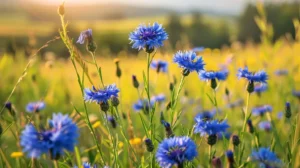
Cornflower is a delicate annual plant best known for its vivid blue petals, though white and pink varieties exist as well. Native to Europe, it has spread widely across North America, often appearing in meadows, fields, and garden borders.
Historically, cornflower grew alongside grain crops—hence the name—and was once considered a common “field companion.” Over time, herbalists began to appreciate that beneath its ornamental charm lies a quietly useful plant.
In traditional Western herbalism, cornflower is most closely associated with the eyes and skin. It has been used in simple preparations like eyewashes, compresses, and gentle skin rinses, especially where tissues feel irritated, overheated, or mildly inflamed.
How It’s Traditionally Prepared
Tea / Infusion
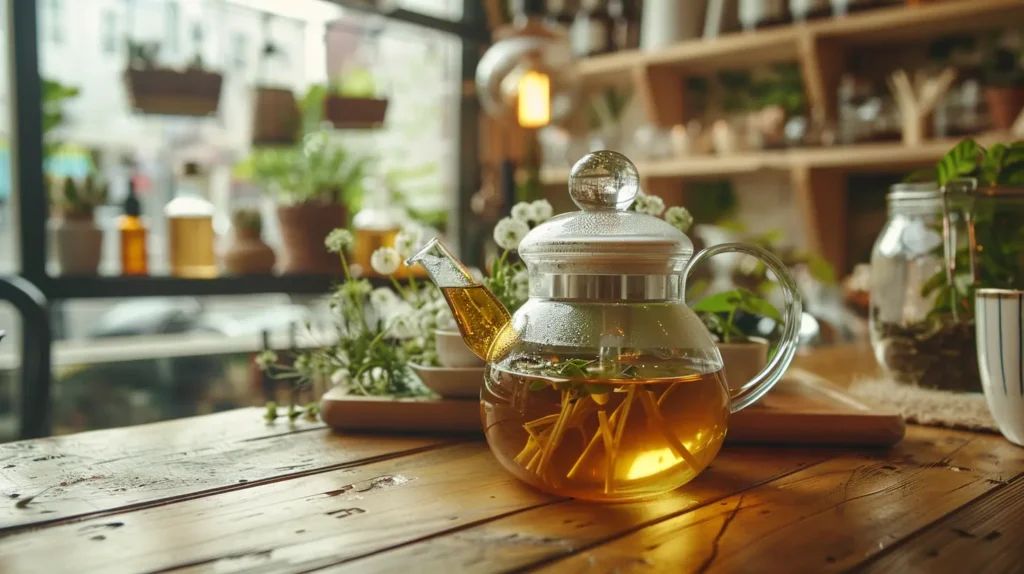
A light infusion of dried petals is used both internally and externally. When cooled, it’s often applied as a compress for the eyes or skin.
Tincture
Less common, but sometimes prepared to preserve the herb for long-term use in blends. Typically used in combination with other gentle herbs.
Glycerite
A mild, alcohol-free extract occasionally used for those preferring gentler preparations, especially in cosmetic or skincare contexts.
Oil / Compress
Cornflower is often infused into oils or used as a warm or cool compress to soothe the skin and delicate tissues.
Active Compounds & Science
Cornflower contains several naturally occurring compounds, including flavonoids (such as apigenin and luteolin derivatives), anthocyanins responsible for its blue color, and small amounts of tannins.
Research has noted that extracts of Centaurea cyanus demonstrate antioxidant activity, largely attributed to these flavonoids and anthocyanins. In vitro studies have shown measurable free radical scavenging capacity, suggesting a role in supporting tissue resilience at a cellular level.
The mild astringent effect is likely linked to tannin content, which can help gently tone tissues. While research is still limited compared to more widely studied herbs, available data supports its traditional use as a gentle, soothing plant.
How to Use (General)
Cornflower is typically used as a light infusion, either taken internally in mild blends or applied externally as a wash, compress, or rinse. It is often combined with other herbs rather than used alone, reflecting its supportive and balancing nature.
Its gentle profile makes it suitable for regular, occasional use rather than intensive or concentrated applications.
Safety & Considerations
Cornflower is generally considered a mild and well-tolerated herb when used appropriately. As a member of the Asteraceae family, individuals with sensitivities to plants like chamomile or ragweed may wish to approach with awareness.
External preparations should be clean and well-prepared, especially when used near the eyes. As with all herbs, quality and proper preparation matter.
Sourcing & Quality Tips
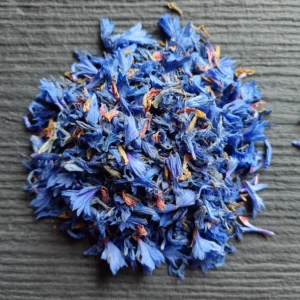
Look for cornflower petals that retain a vibrant blue color—this often reflects careful drying and good preservation of plant compounds. Faded or dull material may indicate age or poor storage.
Dried petals are the most practical and widely available form. Fresh flowers can be used when available, particularly for immediate preparations. Organic or thoughtfully wildcrafted sources are generally preferred for purity and environmental consideration.
FAQ
What is cornflower most commonly used for in herbalism?
It is most often associated with soothing the eyes and calming sensitive skin. Its gentle nature makes it especially suited for delicate areas.
Can cornflower be used internally?
Yes, though it is usually included in blends rather than used alone. Its internal use is typically mild and supportive.
Is cornflower similar to chamomile?
They share some calming and soothing qualities, but cornflower is generally lighter and more subtle in action.
Can I use cornflower daily?
It is traditionally used as needed rather than in large amounts over long periods, especially for external applications.
What does cornflower taste like?
The flavor is very mild, slightly earthy, and often barely noticeable in blends.
Is it safe for sensitive skin?
It is often chosen specifically for sensitive skin, though individual responses can vary.
References
National Center for Complementary and Integrative Health (NCCIH)
European Medicines Agency (EMA)
PubMed
Plants of the World Online – Royal Botanic Gardens, Kew
Journal of Food Composition and Analysis
Phytotherapy Research Journal