
Roses (Rosa spp.)
Cornflower is most closely associated with the eyes and skin. It has been used in simple preparations like eyewashes, compresses, and gentle skin rinses, especially where tissues feel irritated, overheated, or mildly inflamed.
Traditional use in herbalism
For Eye Comfort
Cornflower is perhaps best known for its traditional use around the eyes. Herbalists have long used cooled infusions or compresses to soothe tired, irritated, or overworked eyes—especially after long days of reading, screen use, or exposure to dry environments.
For Skin & External Use
Applied topically, cornflower is valued for its gentle astringency and soothing quality. It’s often used in washes, compresses, or facial steams where the skin feels sensitive, slightly inflamed, or in need of calming support.
For Mild Digestive Support
While less commonly used internally, cornflower has occasionally been included in traditional blends aimed at gently toning and supporting digestion—particularly where there is mild sluggishness or a sense of internal heat.
Key herbal actions
Cornflower is traditionally associated with the following actions:
Astringent – gently tones tissues and may help tighten and refine surface structures
Anti-inflammatory – traditionally used to calm mild irritation and heat
Soothing – softens and comforts delicate tissues, especially externally
Mild bitter (light) – subtly supports digestive tone in blends
Cooling – helps balance overheated or reactive conditions
Common recipes
Classic Cornflower Eye Compress
A traditional soothing compress for tired eyes.
Ingredients:
1 tablespoon dried cornflower petals
1 cup hot water
Materials:
Small bowl, cloth or cotton pads
Instructions:
- Pour hot water over petals.
- Cover and steep 10 minutes.
- Strain and let cool completely.
- Soak pads and apply to closed eyes for 10–15 minutes.
Yield: 1 application
How to use: Apply as needed for eye comfort.
Gentle Cornflower Facial Rinse
A calming rinse for sensitive or warm skin.
Ingredients:
1 tablespoon dried cornflower
1 cup hot water
Instructions:
- Steep for 10–15 minutes.
- Strain and cool.
- Use as a final rinse after cleansing.
Yield: 1 cup
How to use: Apply once daily or as desired.
Cooling Cornflower & Chamomile Tea
A gentle, calming herbal tea.
Ingredients:
1 teaspoon cornflower
1 teaspoon chamomile
1 cup hot water
Instructions:
- Combine herbs.
- Pour hot water over.
- Steep 10 minutes and strain.
Yield: 1 cup
How to use: Drink warm for gentle relaxation.
Cornflower Skin Compress
A soothing compress for irritated skin.
Ingredients:
2 tablespoons cornflower
2 cups hot water
Instructions:
- Steep 15 minutes.
- Strain and cool slightly.
- Apply with cloth to affected area.
Yield: Multiple applications
How to use: Use as needed.
Cornflower Herbal Steam
A gentle facial steam for calming skin.
Ingredients:
2 tablespoons cornflower
1 liter hot water
Instructions:
- Place herbs in bowl.
- Add hot water.
- Lean over bowl and cover head with towel.
Yield: 1 session
How to use: Steam for 5–10 minutes.
Cornflower Infused Oil
A mild oil for skin care.
Ingredients:
1 cup dried cornflower
2 cups carrier oil
Instructions:
- Place herbs in jar.
- Cover with oil.
- Infuse 2–4 weeks, strain.
Yield: ~2 cups
How to use: Apply externally.
Cornflower & Rose Skin Mist
A refreshing botanical mist.
Ingredients:
1 tbsp cornflower
1 tbsp rose petals
1 cup water
Instructions:
- Infuse 15 minutes.
- Strain and cool.
- Store in spray bottle.
Yield: 1 cup
How to use: Mist onto skin as needed.
Cornflower Bath Soak
A calming bath infusion.
Ingredients:
½ cup cornflower petals
Instructions:
- Place herbs in muslin bag.
- Add to bath water.
Yield: 1 bath
How to use: Soak for 15–20 minutes.
Cornflower Digestive Blend
A mild herbal tea blend.
Ingredients:
1 tsp cornflower
1 tsp peppermint
1 cup hot water
Instructions:
- Steep 10 minutes.
- Strain.
Yield: 1 cup
How to use: Drink after meals.
Cornflower Cooling Cloth
A quick soothing cloth for skin or eyes.
Ingredients:
1 cup prepared cornflower tea
Instructions:
- Chill infusion.
- Soak cloth.
- Apply to skin or eyes.
Yield: 1 application
How to use: Use as needed.
Shop this herb
Shop related products
Cornflower appears in a variety of products, often focused on gentle care:
- Herbal teas and eye-support blends
• Skincare formulations such as toners and facial mists
• Extracts and tinctures in combination formulas
• Herbal compress blends and bath products
These forms reflect its traditional role as a mild, soothing, and supportive herb rather than a strong or dominant one.
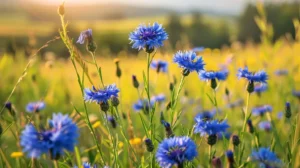
Cornflower is a delicate annual plant best known for its vivid blue petals, though white and pink varieties exist as well. Native to Europe, it has spread widely across North America, often appearing in meadows, fields, and garden borders.
Historically, cornflower grew alongside grain crops—hence the name—and was once considered a common “field companion.” Over time, herbalists began to appreciate that beneath its ornamental charm lies a quietly useful plant.
In traditional Western herbalism, cornflower is most closely associated with the eyes and skin. It has been used in simple preparations like eyewashes, compresses, and gentle skin rinses, especially where tissues feel irritated, overheated, or mildly inflamed.
How It’s Traditionally Prepared
Tea / Infusion
A light infusion of dried petals is used both internally and externally. When cooled, it’s often applied as a compress for the eyes or skin.
Tincture
Less common, but sometimes prepared to preserve the herb for long-term use in blends. Typically used in combination with other gentle herbs.
Glycerite
A mild, alcohol-free extract occasionally used for those preferring gentler preparations, especially in cosmetic or skincare contexts.
Oil / Compress
Cornflower is often infused into oils or used as a warm or cool compress to soothe the skin and delicate tissues.
Active Compounds & Science
Cornflower contains several naturally occurring compounds, including flavonoids (such as apigenin and luteolin derivatives), anthocyanins responsible for its blue color, and small amounts of tannins.
Research has noted that extracts of Centaurea cyanus demonstrate antioxidant activity, largely attributed to these flavonoids and anthocyanins. In vitro studies have shown measurable free radical scavenging capacity, suggesting a role in supporting tissue resilience at a cellular level.
The mild astringent effect is likely linked to tannin content, which can help gently tone tissues. While research is still limited compared to more widely studied herbs, available data supports its traditional use as a gentle, soothing plant.
How to Use (General)
Cornflower is typically used as a light infusion, either taken internally in mild blends or applied externally as a wash, compress, or rinse. It is often combined with other herbs rather than used alone, reflecting its supportive and balancing nature.
Its gentle profile makes it suitable for regular, occasional use rather than intensive or concentrated applications.
Safety & Considerations
Cornflower is generally considered a mild and well-tolerated herb when used appropriately. As a member of the Asteraceae family, individuals with sensitivities to plants like chamomile or ragweed may wish to approach with awareness.
External preparations should be clean and well-prepared, especially when used near the eyes. As with all herbs, quality and proper preparation matter.
Sourcing & Quality Tips
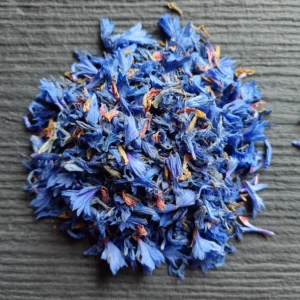
Look for cornflower petals that retain a vibrant blue color—this often reflects careful drying and good preservation of plant compounds. Faded or dull material may indicate age or poor storage.
Dried petals are the most practical and widely available form. Fresh flowers can be used when available, particularly for immediate preparations. Organic or thoughtfully wildcrafted sources are generally preferred for purity and environmental consideration.
FAQ
What is cornflower most commonly used for in herbalism?
It is most often associated with soothing the eyes and calming sensitive skin. Its gentle nature makes it especially suited for delicate areas.
Can cornflower be used internally?
Yes, though it is usually included in blends rather than used alone. Its internal use is typically mild and supportive.
Is cornflower similar to chamomile?
They share some calming and soothing qualities, but cornflower is generally lighter and more subtle in action.
Can I use cornflower daily?
It is traditionally used as needed rather than in large amounts over long periods, especially for external applications.
What does cornflower taste like?
The flavor is very mild, slightly earthy, and often barely noticeable in blends.
Is it safe for sensitive skin?
It is often chosen specifically for sensitive skin, though individual responses can vary.
References
National Center for Complementary and Integrative Health (NCCIH)
European Medicines Agency (EMA)
Plants of the World Online – Royal Botanic Gardens, Kew
Lorem ipsum dolor sit amet, consectetur adipiscing elit. Ut elit tellus, luctus nec ullamcorper mattis, pulvinar dapibus leo.
Related Posts
Contact Us
Important Disclimer!
The information provided on this website is for educational and informational purposes only and is based on traditional herbal practices and publicly available research.
It is not intended to diagnose, treat, cure, or prevent any disease, nor should it be considered medical advice. Always consult a qualified healthcare professional before making changes to your health routine, especially if you are pregnant, nursing, taking medications, or managing a medical condition.
Herbal remedies can affect individuals differently, and safety depends on proper identification, preparation, and use. Any application of the information presented here is done at your own discretion and responsibility.
This website may reference traditional uses of herbs that have not been evaluated by the U.S. Food and Drug Administration. Products mentioned are not intended to replace professional medical care.
By using this site, you acknowledge that you are responsible for your own health decisions.