

Echinacea, elderberry, and ginger bring together three distinct herbal roles: echinacea as the traditional seasonal herb, elderberry as the dark fruit base, and ginger as the warming aromatic component.
They fit naturally into cold-weather teas and syrups, but this combination deserves some nuance: research on the individual herbs does not prove that the three work better together.
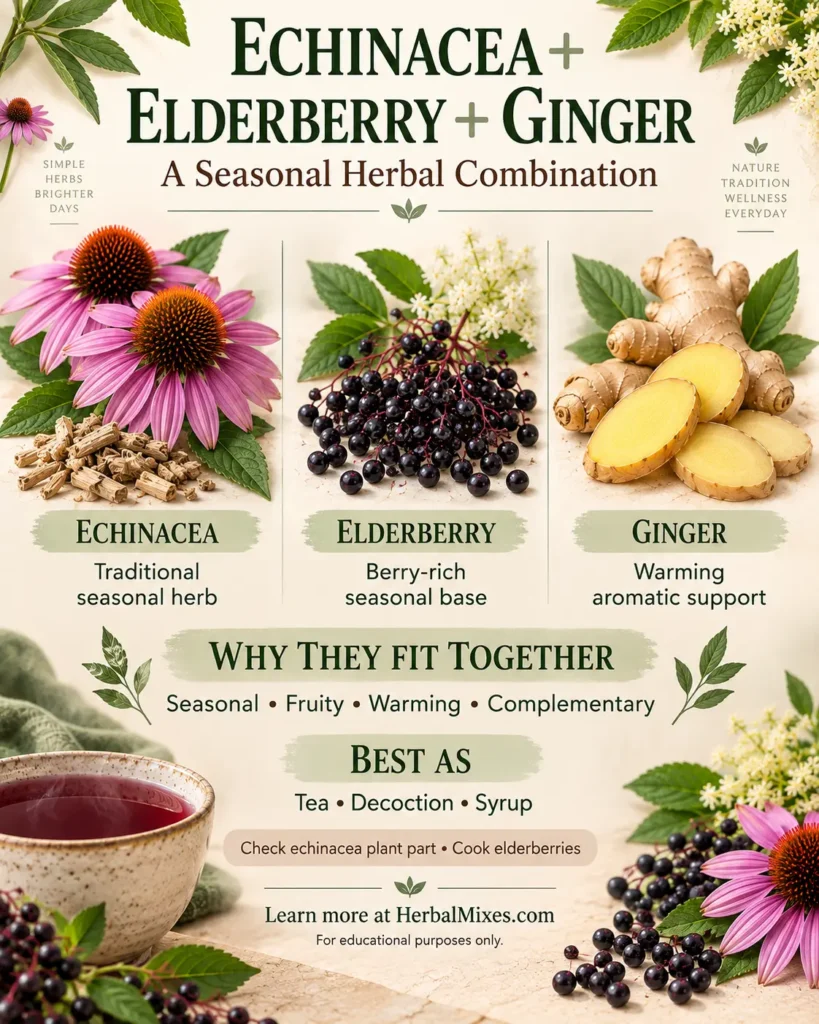
Why These Herbs Work Well Together
This combination is useful from a formulation perspective because each ingredient has a different role rather than simply repeating the same herbal action.
| Herb | Role in the Combination |
| Echinacea | Provides the traditional echinacea component commonly associated with short-term seasonal use; species, plant part, and preparation matter. |
| Elderberry | Provides the dark, fruit-rich base commonly used in seasonal syrups and other cooked preparations. |
| Ginger | Adds warming spice, aromatic character, and digestive support while balancing the berry flavor. |
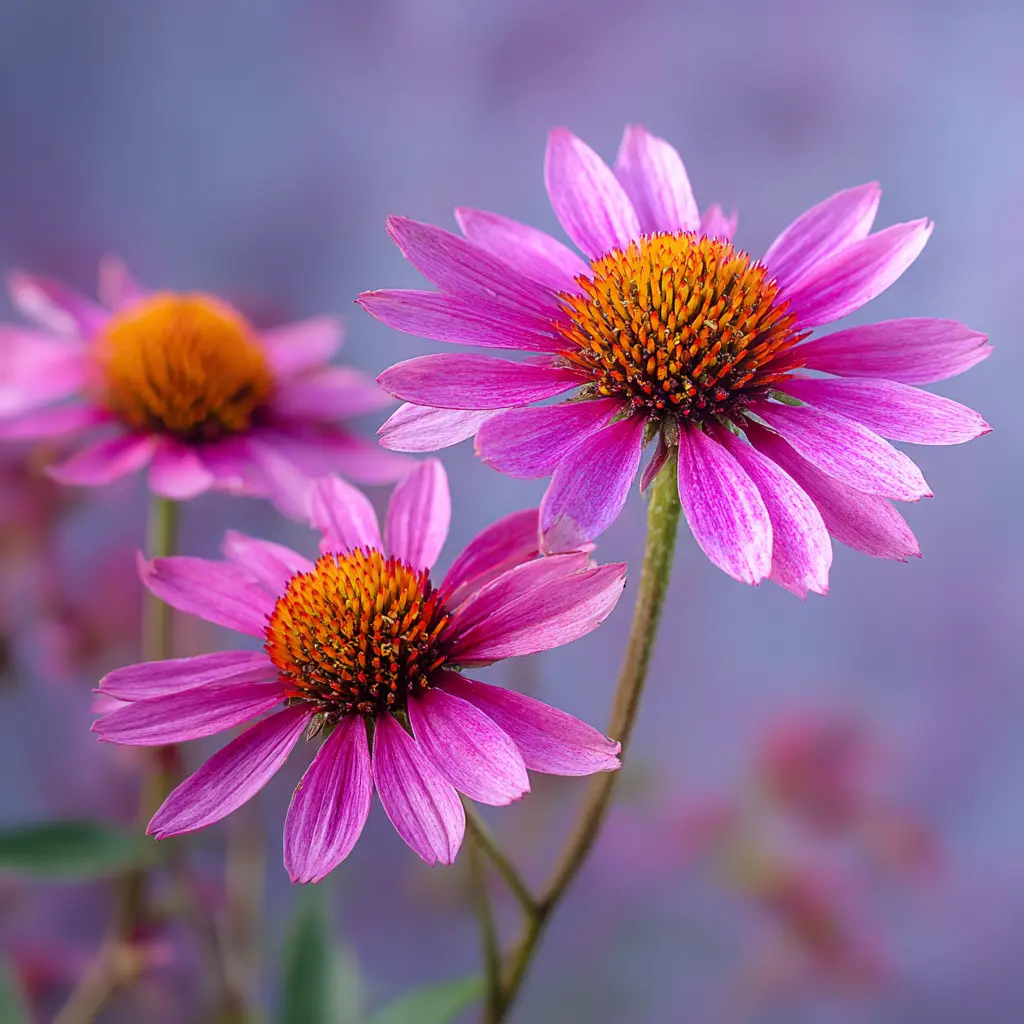
Echinacea — The Seasonal Herb
“Echinacea” can refer to several species and different plant parts, including Echinacea purpurea herb and root and Echinacea angustifolia root. These preparations should not automatically be treated as interchangeable.
NCCIH says taking echinacea may slightly reduce the chance of catching a cold, but it remains unclear whether it shortens a cold. Research is difficult to interpret partly because products differ substantially in species, plant part, and manufacturing method. (NCCIH)
EMA’s conclusions illustrate why the exact preparation matters. Its monograph for E. purpurea aerial herb recognizes specific oral preparations for short-term prevention and treatment of common colds as well-established use, whereas its root monograph bases relief of common-cold symptoms on traditional use. (European Medicines Agency (EMA))
For a HerbalMixes formula, the important lesson is simple: identify which echinacea you are actually using.
Elderberry — The Berry Base
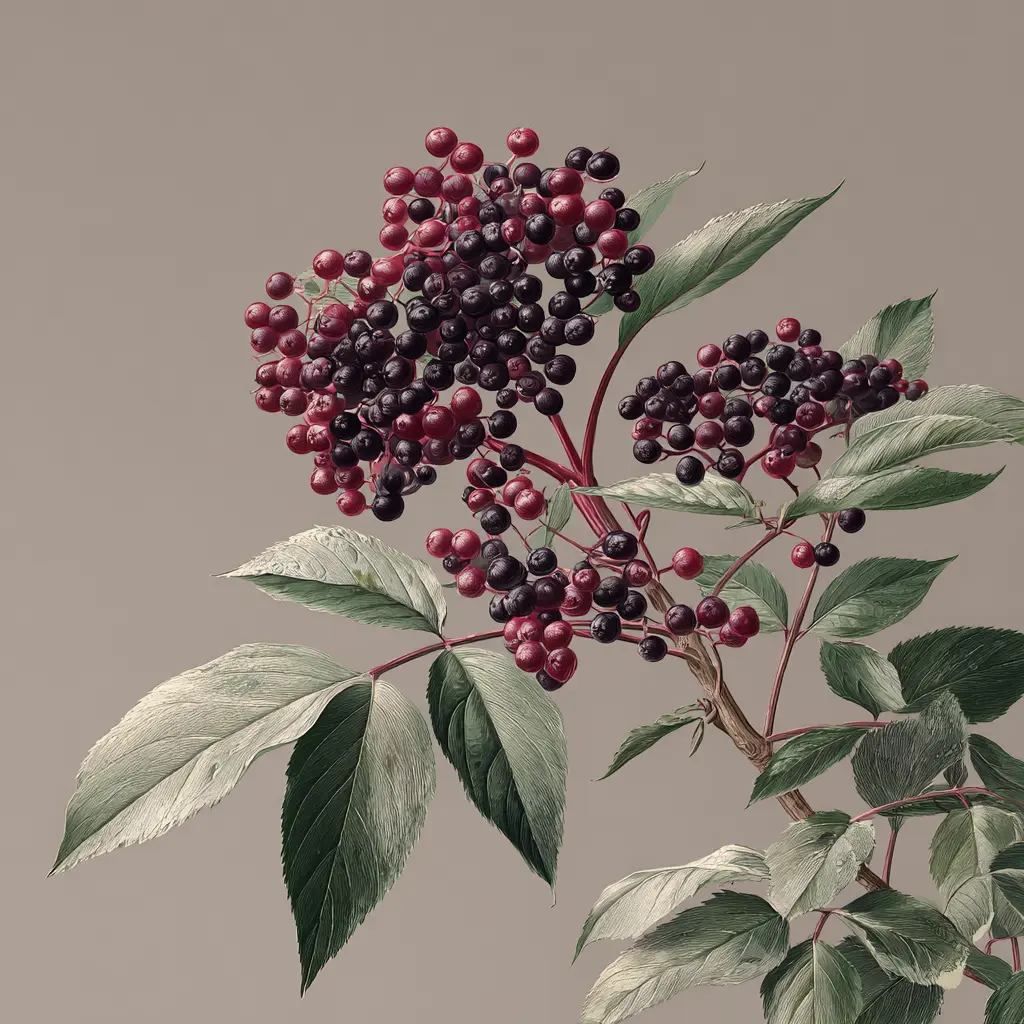
European black elderberry (Sambucus nigra) gives the formula its dark-purple fruit base and works particularly well in cooked teas and syrups.
Some preliminary human research suggests elderberry may help relieve symptoms associated with colds, flu, or other upper respiratory infections, but NCCIH says the research is limited and there is not enough evidence to establish broader health benefits. (NCCIH)
Preparation is important because raw or unripe elderberries and elder leaves and stems contain cyanide-producing substances. Proper cooking eliminates the toxin. (NCCIH)
Ginger — The Warming Component
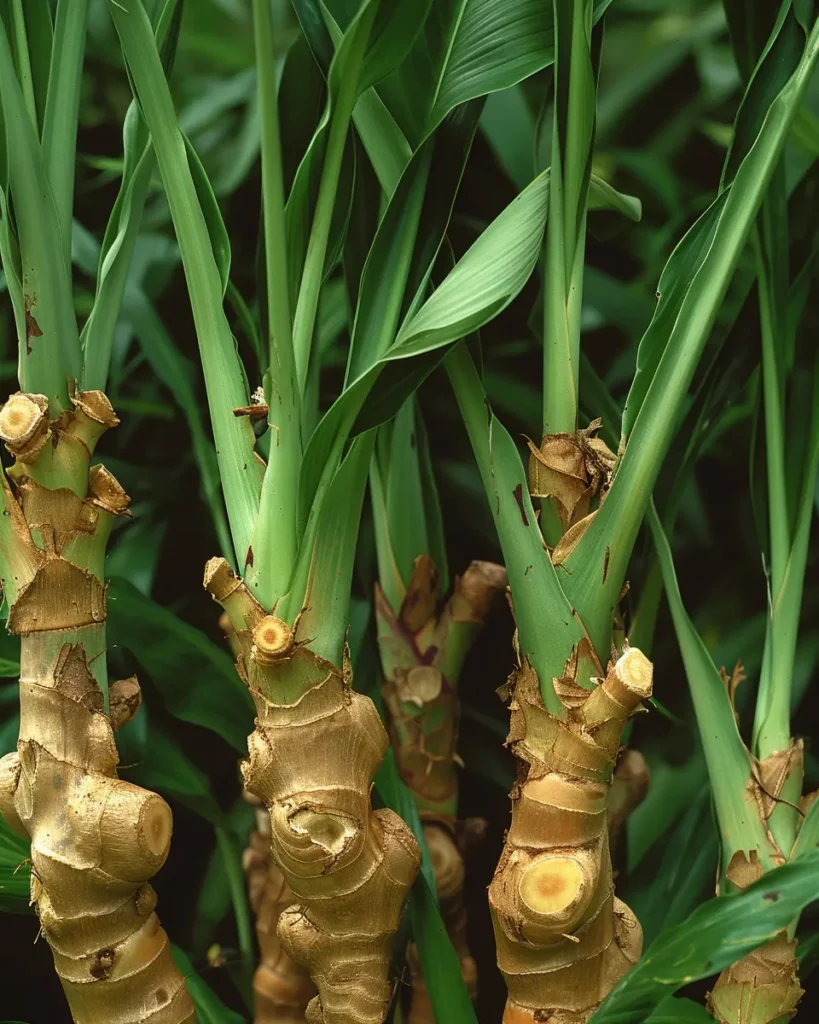
Ginger (Zingiber officinale) contributes a different quality: warmth, pungency, and aroma.
Its established research base is stronger for certain types of nausea than for seasonal respiratory illness. In this combination, therefore, ginger is best described as the warming and flavor-balancing component, rather than as a proven cold or flu treatment. (NCCIH)
It also helps balance elderberry’s fruitiness and echinacea’s more earthy flavor.
Why the Combination Makes Sense
The formulation has three complementary dimensions:
Echinacea → seasonal herbal component
Elderberry → fruit-rich base
Ginger → warming aromatic component
That makes the combination more balanced both functionally and in flavor than simply combining several similarly flavored seasonal herbs.
But “complementary” should not be confused with clinically proven synergy. Research exists on echinacea and elderberry separately, but evidence for respiratory uses varies by preparation and remains limited or inconsistent in important respects. The exact echinacea + elderberry + ginger formula has not been established as a superior three-herb treatment. (NCCIH)
Best Way to Prepare the Combination
Best overall preparation: Tea/decoction using identified echinacea material
The preparation method depends partly on which echinacea plant part you have.
If using echinacea root, it can be gently simmered with elderberries and ginger because all three are relatively sturdy materials.
If using echinacea aerial herb, a better approach is to simmer the elderberries and ginger first, remove the pot from direct heat, then add the echinacea herb and steep it covered.
This is more useful than giving one universal preparation method for every product labeled “echinacea.”
Simple Herbal Combination
For a blend using dried echinacea root, a practical starting point is:
- 2 parts elderberry
- 1 part echinacea root
- ½ part ginger
For example:
2 teaspoons dried elderberries
1 teaspoon cut echinacea root
½ teaspoon dried ginger
This is a practical formulation starting point, not a clinically established therapeutic ratio.
Ginger can easily dominate the flavor, so increase it according to taste rather than assuming a stronger formula is better.
Make It Yourself
What You’ll Need
- 2 teaspoons dried elderberries
- 1 teaspoon cut echinacea root
- ½ teaspoon dried ginger, or a few slices of fresh ginger
- 2 cups water
- Honey or lemon, optional
Basic Method
- Combine elderberries, echinacea root, ginger, and water in a small saucepan.
- Bring to a gentle simmer.
- Simmer approximately 15–20 minutes.
- Strain thoroughly and discard the plant material.
- Allow to cool to a comfortable drinking temperature.
- Add honey or lemon if desired.
If using echinacea aerial herb instead of root, simmer the elderberries and ginger first, remove from heat, then add the echinacea and steep covered before straining.
Preparation Notes
Identify Your Echinacea
This is the most important buying and preparation point.
Check the label for:
- species
- plant part
- form
“Echinacea” alone does not tell you enough about the material.
Cook the Elderberries
Use properly identified ripe elderberries intended for herbal or culinary preparation.
Raw/unripe berries and inappropriate elder plant parts should not be added to homemade preparations because of their cyanogenic constituents. (NCCIH)
Adjust Ginger by Taste
Fresh ginger provides a brighter, juicier pungency, while dried ginger can produce a stronger warming character.
A relatively small amount is usually enough to give the blend noticeable warmth.
Tea and Syrup Are Both Practical
The same general combination also works well as the botanical base for a seasonal syrup.
A dedicated Recipe page should provide the full syrup proportions, sweetener quantity, storage instructions, and shelf-life guidance rather than trying to turn this Synergy article into a complete recipe.
What to Avoid
- Buying echinacea without checking the species and plant part
- Assuming all echinacea products are equivalent
- Using raw or unripe elderberries
- Adding elder leaves or stems
- Making the formula unnecessarily ginger-heavy
- Assuming three herbs automatically work better than one
- Claiming the blend prevents or cures colds or influenza
Safety
Echinacea is likely safe for most adults when appropriate preparations are used for short periods, but allergic reactions can occur and may occasionally be severe. Digestive symptoms such as abdominal pain and nausea can also occur. NCCIH notes theoretical or uncertain interaction concerns involving some medicines, including immunosuppressants. (NCCIH)
Proper elderberry preparation is essential. Raw or unripe berries, leaves, and stems contain cyanide-producing substances that can cause nausea, vomiting, and severe diarrhea; cooking eliminates this toxin. Little is known about medicinal elderberry use during pregnancy or breastfeeding. (NCCIH)
Ginger is generally well tolerated but may cause abdominal discomfort, heartburn, diarrhea, or mouth and throat irritation. People taking medications should discuss concentrated herbal products with an appropriate healthcare professional. (NCCIH)
Pregnant or breastfeeding people, children, people taking prescription medications, and people with significant allergies or medical conditions should seek individualized guidance before using concentrated herbal preparations.
When to Seek Medical Care
This blend may be used as a comforting seasonal beverage, but it does not replace diagnosis, influenza vaccination, antiviral treatment when indicated, or other appropriate medical care. NCCIH specifically cautions that complementary approaches should not substitute for flu vaccination. (NCCIH)
Seek medical care for difficulty breathing, chest pain, confusion, severe dehydration, bluish or gray lips, persistent or severe fever, significant weakness, or symptoms that are rapidly worsening.
People at higher risk for complications from influenza or other respiratory infections should contact a healthcare professional promptly when significant symptoms develop.
Frequently Asked Questions
Can echinacea, elderberry, and ginger be taken together?
They can appear together in herbal preparations, but evidence on each herb should not be interpreted as proof that the exact three-herb combination works better. Suitability also depends on the individual and the specific preparations used.
Which echinacea should I use?
Check both species and plant part. Echinacea purpurea aerial herb and echinacea roots are not identical preparations, and research findings on one echinacea product cannot automatically be applied to another. (NCCIH)
What is the best way to prepare the combination?
When using echinacea root, a gentle decoction with elderberry and ginger is practical. When using echinacea aerial herb, simmer elderberry and ginger first and add the echinacea after removing the pot from direct heat.
Can I make it as a syrup?
Yes, these ingredients can form the botanical base of a homemade syrup. Use a dedicated tested recipe for sweetener ratios, storage, refrigeration, and shelf-life instructions.
Is echinacea plus elderberry better than either herb alone?
There is not enough reliable evidence to conclude that combining them produces a superior clinical effect. Echinacea and elderberry have each been studied separately, but their evidence bases and preparations differ. (NCCIH)
Can I drink this every day?
That depends particularly on the echinacea preparation and the person using it. Echinacea is generally approached as a short-term herbal product rather than assuming indefinite daily use is appropriate. (NCCIH)
Does echinacea + elderberry + ginger prevent colds or flu?
Evidence does not justify claiming that this three-herb combination reliably prevents or treats colds or influenza. NCCIH describes echinacea findings as mixed and elderberry evidence as preliminary. (NCCIH)
References & Evidence
National Center for Complementary and Integrative Health (NCCIH)
Echinacea: Usefulness and Safety
National Center for Complementary and Integrative Health (NCCIH)
Elderberry: Usefulness and Safety
National Center for Complementary and Integrative Health (NCCIH)
Ginger: Usefulness and Safety
National Center for Complementary and Integrative Health (NCCIH)
The Common Cold and Complementary Health Approaches: What the Science Says
European Medicines Agency (EMA)
Echinaceae purpureae radix — Purple Coneflower Root
European Medicines Agency (EMA)
Echinaceae purpureae herba — Purple Coneflower Herb
Disclaimer
For educational purposes only. This information is not intended to diagnose, treat, cure, or prevent disease. Herbal products may cause side effects or interact with medications. Consult an appropriate healthcare professional if you have a medical condition, take medication, are pregnant or breastfeeding, or have persistent or concerning symptoms.