
Green Tea: Traditional Uses, Actions, and Herbal Preparations
Green tea occupies a somewhat unusual but well-earned place in traditional Western herbalism. While its origins lie in East Asia, Western herbalists have long adopted green tea as both a daily tonic and a medicinally relevant beverage. It is valued not for dramatic effects, but for its steady, supportive influence—gently sharpening the mind, supporting digestion, and offering long-term nourishment through regular use. Green tea is less about intervention and more about habitual balance, the kind of plant that works quietly in the background.
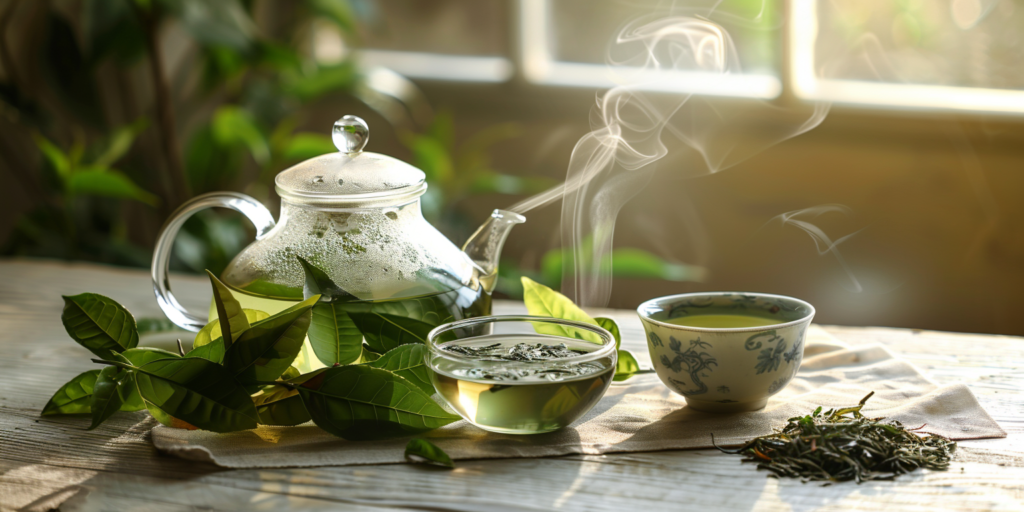
Latin (botanical) name: Camellia sinensis
Plant family: Theaceae
Common names: Green tea, tea plant
Traditional use overview
In Western herbalism, green tea has been used as a mild stimulant-tonic, digestive ally, and antioxidant-rich beverage. It has traditionally supported alertness without excess stimulation, aided digestion after meals, and been used as part of daily routines for general vitality and resilience.
Herbal Actions
Stimulant (mild): Gently supports alertness and mental focus without harsh stimulation.
Antioxidant: Traditionally associated with long-term cellular and tissue support.
Astringent: Supports digestive tone and tissue integrity.
Diuretic (mild): Traditionally used to support fluid movement.
Digestive tonic: Supports comfortable digestion, especially after meals.
Practical Uses
Green tea is most often used as a daily beverage-herb, consumed regularly rather than in short courses. Western herbalists have traditionally recommended it earlier in the day, taken plain or lightly blended, and appreciated for its cumulative rather than immediate effects.
Product Forms
Loose green tea leaves: Whole or cut leaves for infusion.
Tea bags: Convenient pre-measured portions.
Powdered green tea (matcha): Finely ground leaf consumed whole.
Extracts: Liquid or dry extracts used in supplements.
Capsules or tablets: Containing powdered leaf or standardized extract.
Four Traditional Herbal Recipes
Classic Green Tea Infusion:
1 teaspoon green tea leaves steeped in hot (not boiling) water for 2–3 minutes.Green Tea Digestive Blend:
Green tea combined with mint or fennel for after-meal support.Cooling Summer Green Tea:
Lightly brewed green tea chilled and served plain or with lemon peel.Matcha Morning Drink:
Powdered green tea whisked into warm water for a fuller, more tonic preparation.
Parts Used
Young leaves and leaf buds
Usage Forms & Shelf Life
Internal use: Tea, powder, capsules, extracts
External use: Occasionally used in rinses or topical preparations
Shelf life:
Loose leaf tea: 6–12 months (best used fresh)
Powdered tea: 3–6 months after opening
Extracts: 1–3 years, depending on form
Safety & Considerations and Dosage Guidelines
Green tea is traditionally considered safe for regular use in moderate amounts. Typical intake ranges from 1–3 cups of tea daily. Because of its natural caffeine content, Western herbalists often recommend moderating use later in the day. General safety considerations are discussed by the National Center for Complementary and Integrative Health (NCCIH).
Side Effects & Contraindications
Excessive intake may lead to restlessness, digestive discomfort, or sleep disturbance due to caffeine content. Very concentrated extracts have been associated with liver concerns in rare cases, a distinction noted by the NIH Office of Dietary Supplements. Individuals sensitive to caffeine traditionally use smaller amounts or avoid evening consumption.
Active Constituents
Polyphenols (catechins, especially EGCG):
Traditionally associated with antioxidant activity; well extracted in hot water.
Catechins commonly make up 10–15% of dried green tea leaves, with EGCG often representing 50–65% of total catechins, as summarized in PubMed Central.Methylxanthines (caffeine, theobromine):
Contribute to gentle stimulation; water-soluble and readily extracted in tea.Amino acids (L-theanine):
Traditionally associated with calm focus; water-soluble.
L-theanine content is commonly reported at approximately 1–2% of dry leaf weight in analytical studies discussed by the NIH Office of Dietary Supplements.
How It Works
From a traditional Western perspective, green tea works through balanced stimulation and nourishment—supporting alertness while tempering excess through its astringent and calming constituents. Modern research shows that catechins and L-theanine interact in ways that may explain this balanced effect, aligning with long-standing traditional observations described in PubMed Central and NCCIH.
Processing Cautions
Green tea is minimally oxidized, making proper processing and storage essential. Exposure to heat, light, air, or moisture can quickly degrade flavor and active compounds.
Quick Herb Overview
Botanical family: Theaceae
Parts used: Leaf, bud
Energetics (traditional): Cooling, drying
Taste profile: Bitter, astringent, slightly sweet
Herb Identification
Visual traits: Glossy evergreen leaves with serrated edges; white flowers with yellow stamens.
Growth habit: Evergreen shrub or small tree.
Look-alikes: Other Camellia species; only Camellia sinensis is traditionally used as tea.
Selecting Quality Herb
High-quality green tea has a fresh vegetal aroma and vibrant green color. Dull, brownish leaves or flat aroma suggest age or improper storage.
Natural Growing Areas
Native to East Asia, green tea is now cultivated worldwide in temperate and subtropical regions.
Growing Tips
Tea plants prefer acidic, well-drained soil, partial shade, and regular moisture. Leaves are typically harvested multiple times per year once plants mature.
Frequently Asked Questions
Is green tea considered an herb in Western herbalism?
Yes. Western herbalists traditionally view green tea as both a beverage and a functional herb.
Does green tea contain caffeine?
Yes, though typically less than coffee and balanced by other constituents.
Can green tea be taken daily?
Traditionally, yes—it is often used as a daily tonic.
Is matcha different from green tea?
Matcha uses the same plant but is consumed as a powdered whole leaf, making it more concentrated.
Is green tea better taken with or without food?
Traditionally, it may be gentler on digestion when taken with or after meals.
Can green tea be used in the evening?
Many people prefer to avoid it late in the day due to its caffeine content.
References cited using inline clickable source names
General overview and safety considerations National Center for Complementary and Integrative Health (NCCIH)
Constituent composition and antioxidant data PubMed Central
Caffeine and catechin content summaries NIH Office of Dietary Supplements
Tea processing and plant information NC State Extension
This content is for educational purposes only and does not provide medical advice, diagnosis, or treatment.