

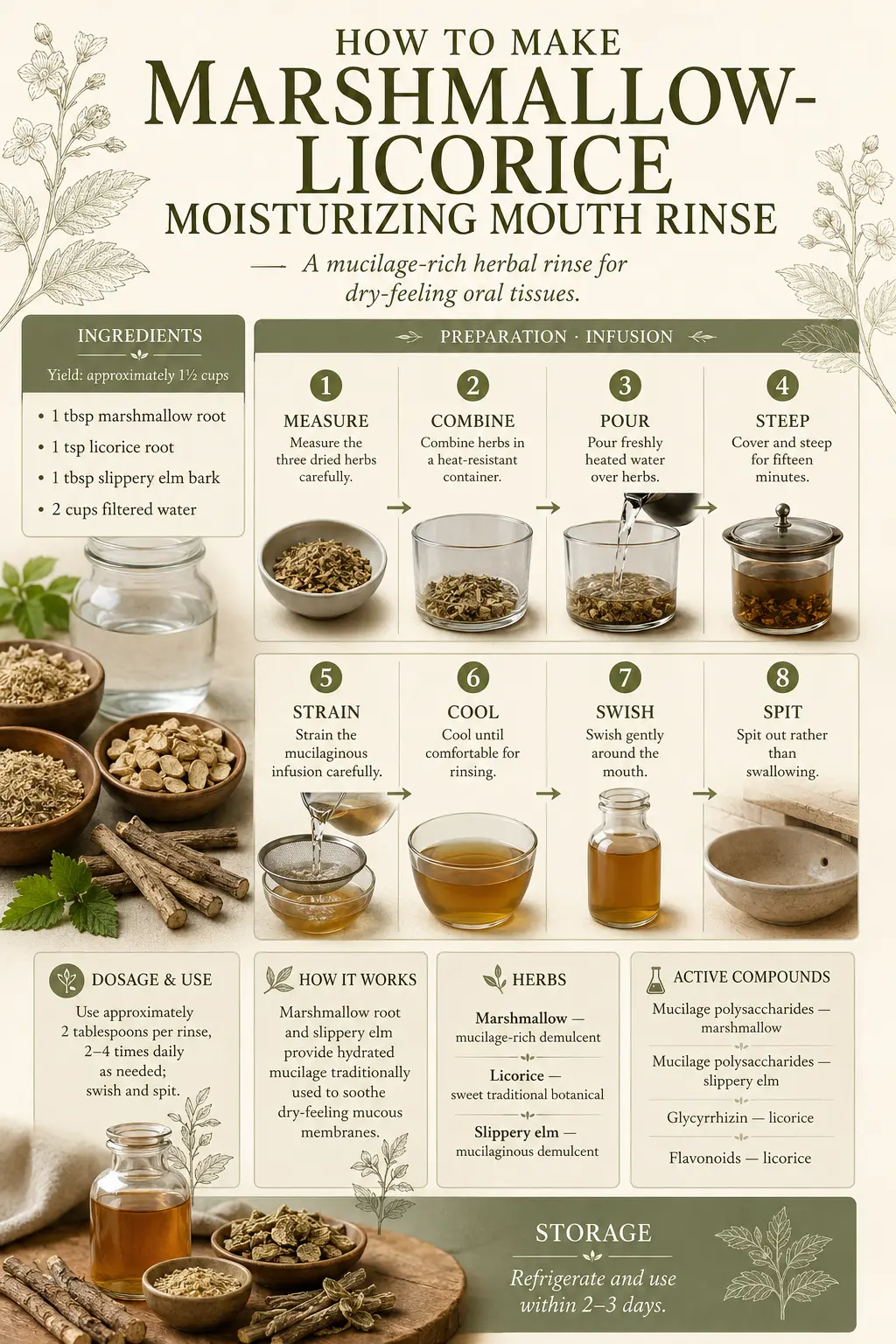
Recipe Details
Preparation Type: Infusion
Ingredients
Marshmallow root — 1 tablespoon
Slippery elm bark — 1 tablespoon
2 cups filtered water
Mountain Rose Herbs describes marshmallow and slippery elm as mucilage-rich demulcents traditionally used for soothing mucous membranes; its slippery elm guidance also notes that the mucilage is particularly well suited to water extraction. (Mountain Rose Herbs)
Preparation
- Combine the marshmallow root, licorice root, and slippery elm bark in a heat-resistant container.
- Bring 2 cups of filtered water just to a boil.
- Pour the hot water over the herbs.
- Cover and steep for 15–20 minutes.
- Strain carefully through fine muslin or a fine-mesh strainer.
- Allow to cool to a comfortable mouth temperature.
Yield
Approximately 1½ cups after straining.
Dosage & Usage
Use approximately 2 tablespoons per rinse, swishing gently around the mouth for 30–60 seconds before spitting out.
Use 2–4 times daily as needed for temporary oral comfort.
Because this preparation is intended as a mouth rinse, do not routinely swallow it. Spitting also substantially reduces exposure to the glycyrrhizin in licorice.
Precautions & Contraindications
- This is a rinse, not a beverage; spit it out after use.
- People with high blood pressure, heart disease, kidney disease, or medication-related concerns should avoid swallowing licorice-containing preparations unless advised otherwise. Licorice contains glycyrrhizin, which can cause serious effects with excessive or prolonged oral exposure. (NCCIH)
- Avoid during pregnancy unless specifically advised by a qualified healthcare professional.
- Marshmallow and slippery elm mucilage can potentially affect absorption of orally administered medicines when swallowed; this concern is much less relevant when the rinse is promptly spit out. (Mountain Rose Herbs)
- Do not use as a substitute for fluoride oral care or professional dental treatment.
- Stop if burning, swelling, rash, or other irritation occurs.
Health Conditions & How It Works
General Dry Mouth / Oral Dryness
Marshmallow root and slippery elm are classic demulcent herbs whose mucilage becomes hydrated and produces a soft, slippery texture. Traditional herbal practice uses these herbs to provide soothing contact with dry or irritated mucous membranes. (Mountain Rose Herbs Blog)
Licorice contributes sweetness and its own long history of traditional use. Because persistent dry mouth can increase the risk of tooth decay and oral infections, an herbal rinse should be considered supportive oral care rather than treatment of the underlying cause. (NIDCR)

Herbs Used in This Recipe
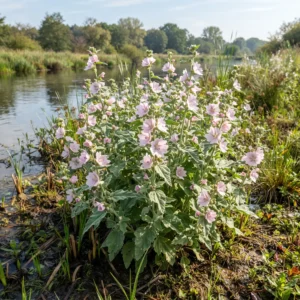
Marshmallow Root — A mucilage-rich demulcent traditionally used to soothe and moisten dry mucous membranes. (Mountain Rose Herbs)
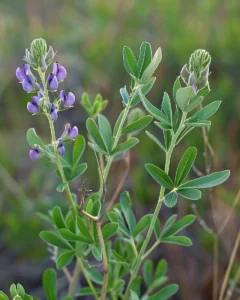
Licorice Root — A naturally sweet root traditionally used in numerous herbal traditions and useful here for flavor and soothing character.
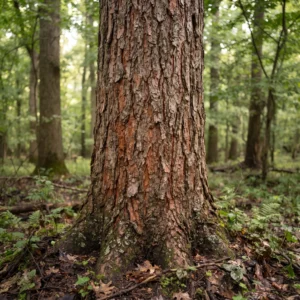
Slippery Elm Bark — A highly mucilaginous botanical traditionally used to create a moist, slippery preparation for dry tissues. (Mountain Rose Herbs)
Active Compounds
- Mucilage polysaccharides — Marshmallow root — Responsible for the root’s characteristic hydrated, slippery demulcent texture.
- Mucilage polysaccharides — Slippery elm bark — Create the thick, slippery character associated with traditional demulcent preparations. (Mountain Rose Herbs Blog)
- Glycyrrhizin — Licorice root — A characteristic saponin responsible in part for licorice’s intense sweetness and important safety considerations. (NCCIH)
- Flavonoids — Licorice root — Contribute to the broader phytochemical profile of licorice.
- Polysaccharides — Marshmallow root — Contribute to its mucilage-rich nature.
Ready-to-Use Product
Throat Soother Tea Blend — Little Herbal Apothecary — contains slippery elm, marshmallow, and licorice. (Little Herbal Apothecary)
Slippery Elm Prebiotic Formula — LifeSpa — combines slippery elm, marshmallow, and licorice in a concentrated tea/decoction preparation. (LifeSpa Store)
Throat Soothe — Leaf Logic Wellness — contains marshmallow, licorice, and slippery elm. (Leaf Logic Wellness Tea)
Throat Soother Pastilles — Mountain Rose Herbs — contains slippery elm and licorice among other ingredients. (Mountain Rose Herbs)
Variations & Substitutions
- Replace slippery elm with additional marshmallow root if sustainably sourced slippery elm is unavailable. Mountain Rose Herbs specifically identifies marshmallow as a practical slippery-elm analog. (Mountain Rose Herbs Blog)
- Use deglycyrrhizinated licorice (DGL) if the formula is being developed as a swallowed preparation and glycyrrhizin exposure is a concern; DGL is not identical to ordinary licorice root and is not necessary for a rinse.
Storage & Shelf Life
Refrigerate in a clean covered glass bottle.
For best quality and food-safety practice, make small batches and use within 2–3 days. Discard if the infusion develops an unusual odor, visible growth, fermentation, or other signs of spoilage.
FAQ
Why are marshmallow and slippery elm both used?
Both are mucilage-rich demulcents, so they reinforce the soft, slippery mouthfeel that makes this preparation suitable for dry-feeling tissues.
Should I swallow the rinse?
No. Swish and spit. This is particularly appropriate because the formula contains licorice.
Can I use this instead of commercial mouthwash?
It can serve as a traditional comfort rinse, but it should not replace brushing with fluoride toothpaste, flossing, or dental care.
Can I make it stronger?
A stronger mucilaginous preparation may become quite thick and difficult to rinse. Increasing the herbs is not necessarily better.
References
NIDCR — Dry Mouth (Xerostomia) (NIDCR)
NIDCR — Dry Mouth and Older Adults (NIDCR)
NCCIH — Licorice Root: Usefulness and Safety (NCCIH)
Mountain Rose Herbs — Slippery Elm Uses and Benefits (Mountain Rose Herbs Blog)
Mountain Rose Herbs — Marshmallow Root (Mountain Rose Herbs)
Disclaimer
This recipe is provided for educational purposes and reflects traditional herbal practice. It is not intended to diagnose, treat, cure, or prevent disease. Persistent dry mouth should be evaluated by a dentist or physician because it can have medication-related, systemic, or salivary-gland causes. (NIDCR)