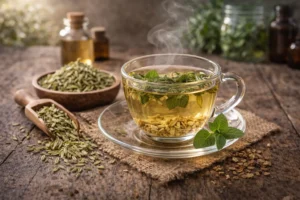
Latin (botanical) name: Melissa officinalis
Plant family: Lamiaceae (mint family) NC State Extension
Common names:
Lemon balm
Melissa
Sweet balm
Traditionally, lemon balm has been used as a calming, uplifting herb for the nervous system and as a soothing digestive ally. In Western herbal practice, it’s often associated with emotional tension, nervous digestion, and times when the mind won’t quite settle, even though the body is tired European Medicines Agency (EMA).
Herbal Actions
Lemon balm’s actions are gentle but wide-reaching.
Practical Uses
In traditional Western herbalism, lemon balm is commonly used when emotional stress affects digestion, sleep, or mental clarity. It’s often chosen for people who feel mentally busy but physically depleted, or for those whose digestion tightens under stress.
Modern studies have explored lemon balm’s effects on mood, cognitive performance, and stress response. Human trials have examined standardized extracts in doses ranging roughly from 300 to 600 mg, reporting measurable effects on calmness, alertness, and mood-related parameters NIH Office of Dietary Supplements.
Product Forms
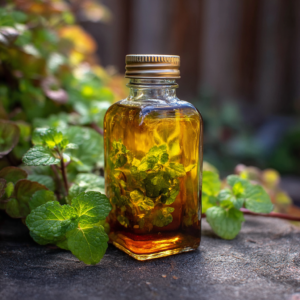
Lemon balm salve is made by infusing lemon balm leaves into oil and blending it into a smooth, spreadable balm. Traditionally used in Western herbal practice for external applications, this salve is valued for its gentle nature and is commonly included in everyday skin-care or comfort-focused routines.
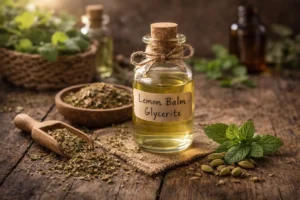
Lemon balm alcohol-free extract is typically made using glycerin or another non-alcohol base, creating a mildly sweet, easy-to-take liquid form. This preparation is often chosen by those who prefer to avoid alcohol while still using a traditional liquid herbal extract as part of everyday routines.
Lemon balm tincture is prepared by extracting the leaves in alcohol or an alcohol-free base, creating a concentrated liquid form. This format is traditionally used in Western herbalism for its convenience and long shelf life and is often chosen by those who prefer liquid preparations over teas or capsules.
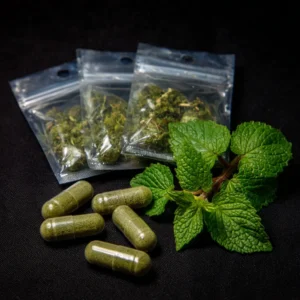
Lemon balm capsules are made from dried lemon balm leaves, providing a simple alternative to teas or liquid extracts. This familiar capsule form is often chosen by those who prefer a measured, plant-based option that fits easily into daily herbal routines without preparation.
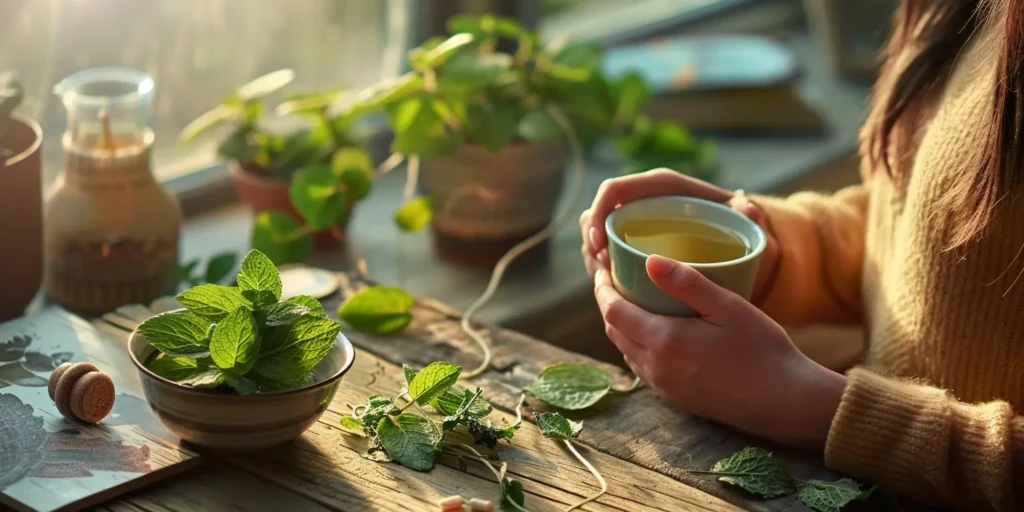
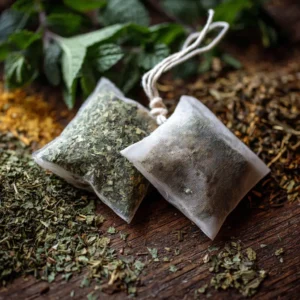
Tea bags containing lemon balm provide a convenient way to enjoy this gently aromatic herb without measuring or loose leaves. Commonly blended alone or with complementary herbs, they are traditionally used as part of everyday herbal tea routines where ease and consistency are preferred.
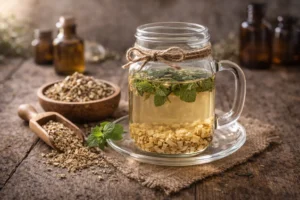
Loose dried lemon balm is made from carefully dried leaves, valued in Western herbalism for their gentle, aromatic character. Commonly prepared as a tea, this bulk herb format allows flexibility in strength and preparation and is often chosen for everyday herbal use.
Traditional Recipes
Parts Used
The leaves and flowering aerial parts are used. Harvest typically occurs just before flowering, when aromatic content is highest NC State Extension.
Herb Identification
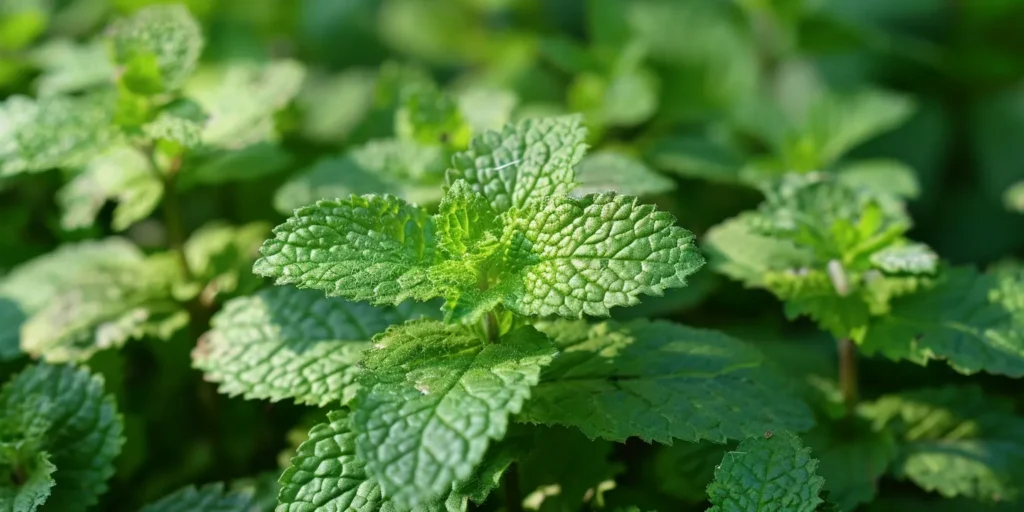
Lemon balm is a perennial herb with soft, heart-shaped leaves, a pronounced lemon scent when crushed, and small white to pale yellow flowers.
It grows in clumps, reaching about 60–90 cm in height. Look-alikes include other mint-family plants, but the lemon scent is a reliable distinguishing feature NC State Extension.
Selecting Quality Herb
High-quality lemon balm should have a fresh, lemony aroma and a vibrant green color. Dull color or lack of scent often indicates age or poor storage.
Organic cultivation and gentle processing help preserve the plant’s delicate volatile compounds European Medicines Agency (EMA).
Usage Forms & Shelf Life
Internal vs external use:
Lemon balm is widely used internally as tea, tincture, or extract. Externally, it appears in creams, salves, and ointments, especially for skin applications.
Common preparations:
Infusion (tea)
Tincture
Fluid extract
Topical creams and salves
Shelf life:
Dried lemon balm leaf is generally best used within one year due to loss of aromatic compounds. Alcohol-based tinctures typically remain effective for two to five years when stored properly Herbal Academy.
Active Constituents
Lemon balm contains several well-studied groups of compounds.
Essential oils (including citral, citronellal, and geraniol):
These aromatic compounds contribute to lemon balm’s calming scent and are best preserved through gentle infusion or alcohol extraction PubMed Central.
Phenolic acids (notably rosmarinic acid):
Rosmarinic acid is one of the most studied constituents. Quantitative analyses report levels ranging from approximately 1.5 to 4.5 percent in dried leaf, depending on growing conditions and harvest timing PubMed Central.
Flavonoids:
These compounds are traditionally associated with antioxidant and calming effects and are readily extracted in water and alcohol PubMed Central.
How It Works
Lemon balm appears to influence the nervous system through interactions with neurotransmitter pathways related to calm and focus. Research has explored its effects on GABA-transaminase activity, which may help explain its traditional calming reputation PubMed Central.
Its digestive benefits are thought to arise from a combination of aromatic oils and bitter components that gently stimulate and relax digestive processes.
Side Effects & Contraindications
Side effects are uncommon but may include mild digestive discomfort in sensitive individuals. Lemon balm is generally avoided in cases of known hypersensitivity to plants in the mint family.
Due to limited data, conservative use is often recommended during pregnancy and breastfeeding European Medicines Agency (EMA).
Frequently Asked Questions
Is lemon balm safe for daily use?
Lemon balm has a long history of daily use as a tea or gentle tonic. Traditional sources and modern assessments describe it as well tolerated when used appropriately European Medicines Agency (EMA).
Does lemon balm make you sleepy?
Lemon balm is calming but not strongly sedating. Many people use it during the day without feeling drowsy NIH Office of Dietary Supplements.
What does lemon balm taste like?
It has a light lemon flavor with gentle bitterness and a fresh, herbal aroma.
Fresh or dried lemon balm—which is better?
Fresh lemon balm is often preferred for tinctures due to higher aromatic content, while dried leaf works well for teas if stored properly Herbal Academy.
Can pets use lemon balm?
Lemon balm is sometimes used for pets in very small amounts, but conservative dosing and professional guidance are recommended American Herbal Products Association.
References
European Medicines Agency — Melissae folium herbal monograph
NIH Office of Dietary Supplements — Lemon Balm Fact Sheet
NC State Extension — Melissa officinalis plant profile
PubMed Central — Lemon balm phytochemistry and pharmacology
American Herbal Products Association — Herbs in History: Lemon Balm