Shatavari is a traditional Ayurvedic root herb best known for women’s wellness, reproductive support, digestive comfort, and gentle nourishment. The name is often translated in herbal circles as “she who possesses a hundred husbands,” which is a very dramatic way of saying this plant has a long reputation for supporting vitality and reproductive wellness.
The part most commonly used is the tuberous root. Shatavari is naturally sweet-bitter, moistening, and cooling in traditional herbal language. It is often chosen when someone needs gentle rebuilding rather than stimulation. Think less “espresso shot” and more “warm nourishing bowl of comfort.”
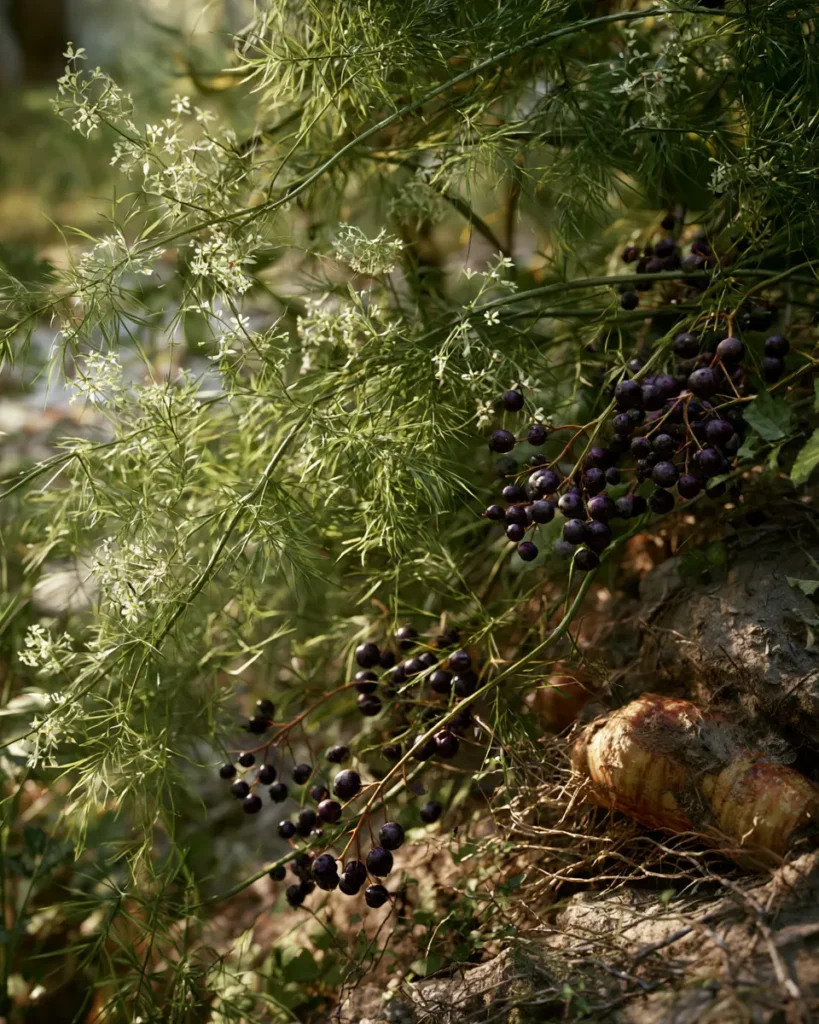
Shatavari (Asparagus racemosus)
Shatavari is traditionally connected with these wellness areas:
Women’s Wellness: Shatavari is widely used in Ayurveda to support menstrual, reproductive, postpartum, and menopausal wellness traditions.
Lactation Support: Traditionally, shatavari is used as a galactagogue, meaning an herb used to support breast milk production. Human research is limited, so it should be used with professional guidance during breastfeeding.
Digestive Comfort: Shatavari root is traditionally viewed as cooling and soothing, especially when digestion feels dry, irritated, or depleted.
Nourishment and Vitality: As a moistening tonic root, shatavari is often used when long-term stress, poor appetite, or depletion has left the body needing steady support.
“Shatavari is the root that whispers, ‘Slow down, nourish deeply, and let the body refill the well.”
Available Shatavari Products
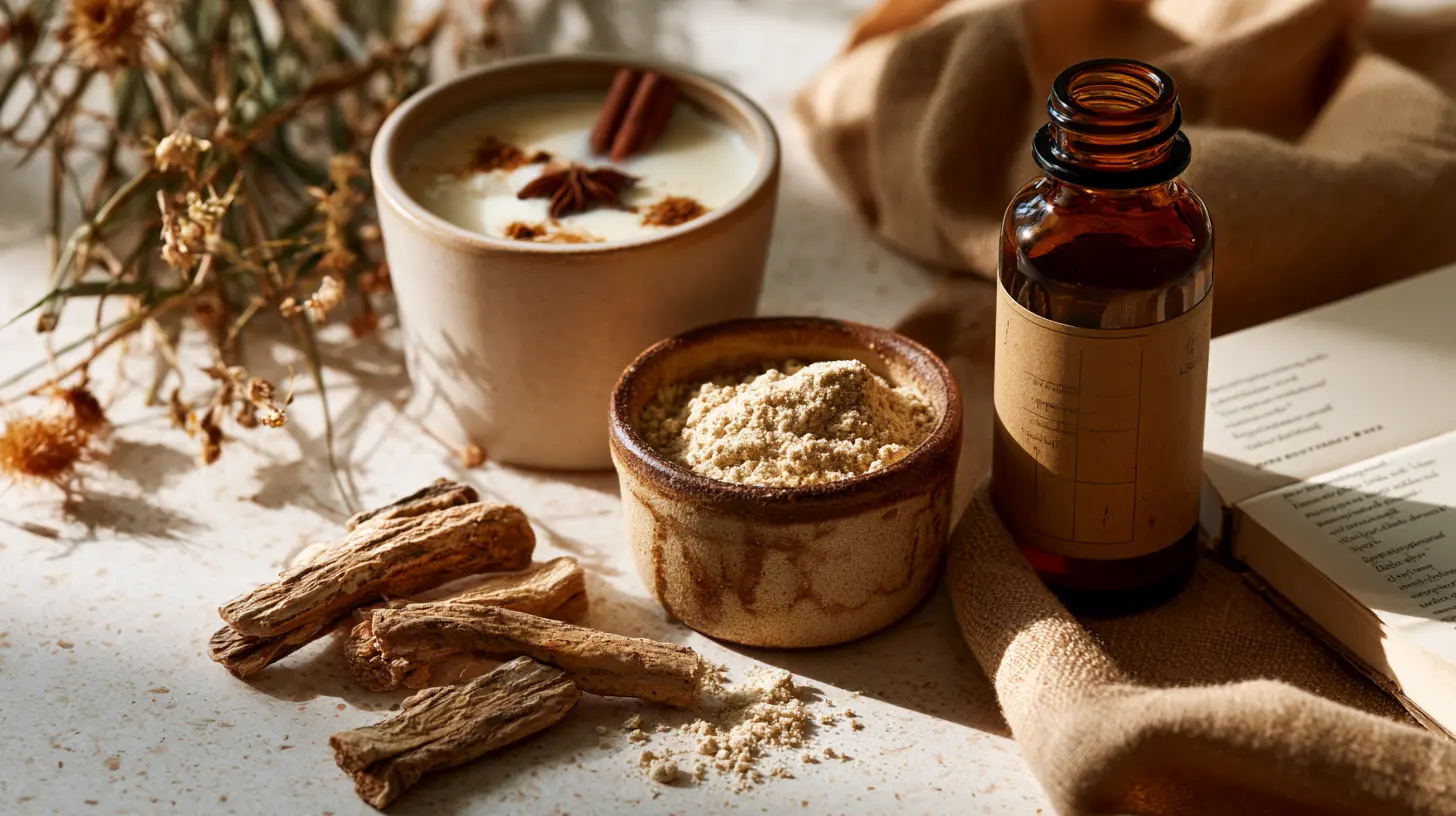
Dried Shatavari Root
Dried shatavari root is commonly sold as cut root pieces or slices. It is used for decoctions, powders, and traditional milk preparations. Good-quality dried root should smell mild, earthy, and slightly sweet, without mustiness or mold.
Shatavari Powder
Shatavari powder is one of the most common forms. It can be mixed into warm milk, plant milk, smoothies, honey, ghee, or water. Because powders lose freshness faster than whole root, store it tightly sealed and use it within a reasonable time.
Shatavari Capsules
Capsules are convenient for people who do not enjoy the taste or texture of powders. They may contain whole root powder or concentrated extract. Check labels for plant part, serving size, and whether the product is standardized.
Shatavari Tablets
Tablets are common in Ayurvedic supplement lines. They may contain shatavari alone or as part of a formula. Read labels carefully because traditional formulas may include several herbs and minerals.
Shatavari Tincture
Shatavari tincture is less traditional than powder or decoction but may be available. Alcohol-water extraction can capture some compounds, though root powders and milk decoctions are more common in Ayurvedic use.
Shatavari Glycerite
A glycerite may be useful for people avoiding alcohol. Glycerin gives a sweet taste and works well with shatavari’s naturally sweet, moistening profile. It may be gentler but less concentrated than some alcohol-based extracts.
Shatavari Extract
Shatavari extracts may be standardized for saponins or shatavarin content. These are stronger than whole root powder and should be used more cautiously, especially by people taking medications or managing hormone-sensitive conditions.
Shatavari Milk Preparation
A classic traditional preparation is shatavari powder simmered or stirred into warm milk or plant milk. This style fits the herb’s nourishing, moistening nature. It is often combined with spices such as cardamom, cinnamon, ginger, or saffron.
Key Herbal Actions
Shatavari is known as a nutritive tonic, adaptogen-like tonic, demulcent, galactagogue, reproductive tonic, cooling digestive tonic, rasayana, antioxidant, and mild immune-supportive herb.
Nutritive Tonic
A nutritive tonic is an herb used to support nourishment and restoration over time. Shatavari fits this category because it is traditionally used as a rebuilding root rather than a quick stimulant.
Adaptogen-Like Tonic
Shatavari is often described as adaptogen-like because it is used traditionally for resilience under stress. It is gentler and more moistening than many classic adaptogens, making it especially relevant when stress is paired with dryness or depletion.
Demulcent
A demulcent herb contains soothing, mucilage-like qualities that support irritated or dry tissues. Shatavari root is traditionally used for its cooling, moistening effect on the digestive and reproductive systems.
Galactagogue
A galactagogue is an herb traditionally used to support breast milk production. Shatavari has a long reputation in this area, but breastfeeding people should use it with guidance from a qualified healthcare professional.
Reproductive Tonic
Shatavari is one of Ayurveda’s classic reproductive tonics, especially for women. It is traditionally used to support menstrual rhythm, fertility wellness, postpartum recovery, and menopausal transitions. It should not be described as a fertility treatment or hormone therapy.
Cooling Digestive Tonic
Shatavari is traditionally considered cooling and soothing for digestion. It is often used when the digestive tract feels irritated, dry, or depleted rather than cold, sluggish, or heavy.
Rasayana
In Ayurveda, a rasayana is a rejuvenative tonic used to support longevity, resilience, and tissue nourishment. Shatavari is one of the better-known rasayana herbs for women’s health and deep nourishment.
Antioxidant
Shatavari contains saponins, flavonoids, and phenolic compounds studied for antioxidant activity. This supports its modern reputation as a protective, restorative herb.
Mild Immune-Supportive Herb
Shatavari polysaccharides and saponins have been studied for immune-modulating activity, mostly in laboratory and animal research. In practical herbal use, it is best framed as gentle nourishment rather than a fast immune stimulant.
Active Compounds and Extraction
Shatavari contains steroidal saponins known as shatavarins, especially shatavarin I and related saponins, along with mucilage, polysaccharides, flavonoids, isoflavones, alkaloids such as asparagamine A, phenolic compounds, minerals, and small amounts of sterols.
Steroidal Saponins: Shatavarins
Shatavarins are the signature compounds most often associated with shatavari root. These steroidal saponins are studied in relation to reproductive wellness, immune modulation, antioxidant activity, and traditional tonic use. They help explain why shatavari is treated as a specialized root herb rather than just a food starch.
Best extraction methods:
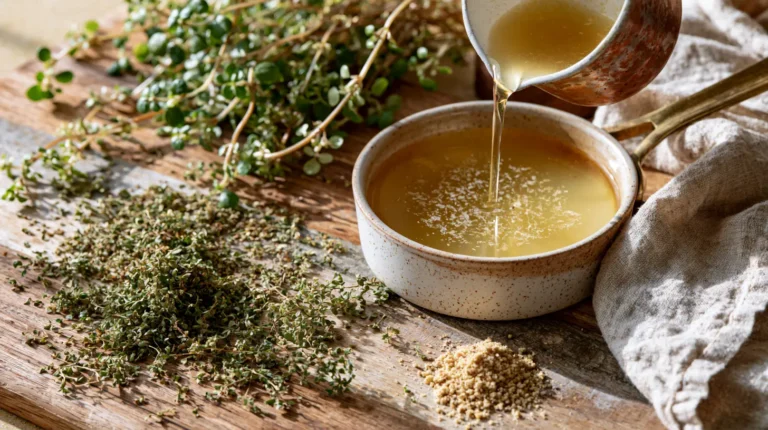
Decoction: Add 1 teaspoon dried shatavari root to 1 cup water. Simmer gently for 15–20 minutes, then strain. This is useful for root pieces and helps extract water-soluble compounds.
Milk decoction: Simmer 1/2 to 1 teaspoon shatavari powder or cut root in milk or plant milk for 10–15 minutes. This traditional method fits the herb’s nourishing, moistening character.
Hydroalcoholic tincture: A water-and-alcohol tincture may capture a broader range of saponins and related compounds. This is usually prepared commercially or by experienced herbalists.
Mucilage
Mucilage is a slippery, soothing plant compound that becomes soft and gel-like in water. It contributes to shatavari’s moistening, demulcent quality. This is one reason the root is traditionally used when tissues feel dry or irritated.
Best extraction methods:
Warm water infusion: Stir 1/2 teaspoon shatavari powder into warm water and let it sit for several minutes before drinking.
Milk preparation: Warm milk or plant milk helps carry shatavari’s soothing quality and creates a more comforting preparation.
Long steep: Add shatavari powder to warm liquid and steep covered for 10–15 minutes before drinking.
Polysaccharides
Polysaccharides are complex carbohydrate compounds that often contribute to the tonic and immune-supportive qualities of root herbs. In shatavari, they are part of the nourishing root profile.
Best extraction methods:
Decoction: Simmering root material in water is one of the best simple methods for extracting polysaccharides.
Soup or porridge preparation: Shatavari powder can be added to warm foods where appropriate, especially when the goal is gentle nourishment.
Flavonoids and Isoflavones
Shatavari contains flavonoids and isoflavone-like compounds. These plant compounds are studied for antioxidant activity and may help explain some of the herb’s traditional reproductive and tissue-supportive uses.
Best extraction methods:
Hydroalcoholic extract: A water-and-alcohol preparation can extract a broader range of flavonoids than water alone.
Powdered root: Whole powder keeps the full plant material present, including compounds that may not dissolve completely into tea.
Phenolic Compounds
Phenolic compounds are antioxidant plant constituents found in many herbs. In shatavari, they support the herb’s broader protective and restorative profile.
Best extraction methods:
Decoction: A gentle simmer extracts some water-soluble phenolic compounds.
Tincture: Alcohol-water extraction may capture a wider range of phenolics.
Asparagamine A
Asparagamine A is an alkaloid identified in shatavari root. It is more important as part of the herb’s phytochemical profile than as a home-preparation target. Most traditional uses focus on the whole root rather than isolated alkaloids.
Best extraction methods:
Whole-root preparations: Decoction, powder, and commercial extracts provide the broader root profile.
Commercial extract: More concentrated products may better represent minor compounds, though they also require more caution.
Harvesting and Storing Right
Shatavari root is usually harvested when the plant is mature and the tuberous roots are well developed. In traditional cultivation, roots are typically harvested after the plant has had time to build strength underground.
The best harvest season is often late autumn or the dry season, when the plant’s energy is concentrated in the roots. Roots should be cleaned, sliced, and dried thoroughly to prevent mold.
Because shatavari is widely used and wild populations may be pressured in some regions, choose cultivated or responsibly sourced material whenever possible. Sustainable sourcing matters for root herbs because harvesting the root usually kills the plant.
Storage tips:
Dried root pieces: Store in an airtight jar away from heat, light, and moisture. Best used within 1–2 years.
Powder: Store tightly sealed and use within 3–6 months after opening.
Capsules and tablets: Follow the product expiration date and keep away from heat and humidity.
Tincture: Store in dark glass in a cool place.
Glycerite: Follow the label. Many glycerites are best used within 1–2 years.
Extracts: Store according to the manufacturer’s instructions.
Body Functions Shatavari Can Support
Shatavari can support reproductive system female, hormonal balance, digestion system, stress support, nervous system, immune system, energy and vitality, skin, urinary system, and reproductive system male.
Reproductive System Female
Shatavari is one of Ayurveda’s most famous herbs for women’s reproductive wellness. It is traditionally used to support menstrual comfort, fertility wellness, postpartum nourishment, and menopausal transitions. It should not be presented as a treatment for infertility, hormonal disorders, or pregnancy complications.
Hormonal Balance
Shatavari is often discussed as a hormone-supportive herb because of its traditional use and plant saponins. Its action is better described as reproductive and endocrine support rather than direct hormone replacement. People with hormone-sensitive conditions should seek professional guidance.
Digestion System
Shatavari is traditionally used as a cooling, soothing digestive tonic. Its demulcent quality may be helpful when digestion feels dry, irritated, or depleted. People with very sluggish digestion may prefer combining it with warming spices such as ginger or cardamom.
Stress Support
As an adaptogen-like tonic, shatavari is used when stress has left the body feeling depleted rather than overstimulated. It pairs well with nourishment, rest, and steady routines. It is not a sedative or quick stress reliever.
Nervous System
Shatavari’s traditional nervous-system support is linked to nourishment and restoration. It may be useful in formulas where dryness, irritability, and depletion are part of the picture. It does not act like a strong calming herb such as valerian or passionflower.
Immune System
Shatavari compounds have been studied for immune-modulating effects, especially polysaccharides and saponins. In home herbal practice, it is best described as a nourishing tonic that may support resilience over time.
Energy and Vitality
Shatavari is not a stimulant. It supports vitality in a slow, rebuilding way through nourishment, moisture, and traditional rasayana use. It is more “restore the reserves” than “push harder.”
Skin
Shatavari’s moistening and antioxidant qualities make it relevant to skin wellness, especially when dryness and depletion are part of the traditional pattern. It should not be framed as a treatment for skin disease.
Urinary System
Shatavari is traditionally considered cooling and moistening, and it has been used in urinary wellness traditions. This does not mean it treats urinary infections or kidney disease. Anyone with pain, fever, blood in urine, or urinary symptoms should seek medical care.
Reproductive System Male
Although most famous for women’s wellness, shatavari is also used in Ayurveda as a reproductive and vitality tonic for men. Its role is generally nourishing and restorative, not a treatment for fertility or hormone conditions.
Safety and Practical Considerations
Shatavari is widely used in traditional herbal practice, but safety data in humans is still limited compared with common foods or well-studied medications.
People who are pregnant should not use shatavari supplements unless guided by a qualified healthcare professional. Although it has traditional reproductive use, pregnancy requires extra caution.
Breastfeeding people should also seek professional guidance. Shatavari is traditionally used as a galactagogue, but product quality, dose, individual health, and infant safety all matter.
People with hormone-sensitive conditions, such as certain breast, ovarian, uterine, or prostate conditions, should consult a healthcare professional before using shatavari. Its traditional reproductive use and saponin content make caution reasonable.
People taking diabetes medications should be cautious because some research explores effects on blood sugar. Anyone using medication for blood sugar should monitor carefully under professional guidance.
People with allergies to asparagus or related plants should avoid shatavari. Possible side effects may include digestive upset, loose stool, bloating, or allergic reaction.
Because shatavari is moistening and somewhat heavy, it may not suit everyone. People with very sluggish digestion, heavy mucus patterns, or a tendency toward loose stools may need smaller amounts or warming companion herbs.
Children, older adults, and sensitive individuals should use extra caution, especially with extracts. Start low, avoid high-dose products, and choose reputable suppliers.
FAQ
What does shatavari taste like?
Shatavari tastes mildly sweet, bitter, earthy, and slightly starchy. Powdered shatavari has a root-like flavor that blends well with warm milk, cinnamon, cardamom, honey, or ghee.
When is the best time to use shatavari?
Shatavari is often used with food or warm milk. Some people take it in the evening because it feels nourishing and grounding. Follow product directions or professional guidance, especially with extracts.
Is fresh or dried shatavari better?
Dried shatavari root and powder are the most common forms on the market. Fresh root is less available and usually used close to where the plant grows. For most people, dried cultivated root is the practical choice.
Is shatavari tea, powder, tincture, or capsule better?
Powder and capsules are the most common forms. Decoction or warm milk preparations are traditional and fit the root’s nourishing nature. Tinctures and extracts are more concentrated and should be used more cautiously.
Can shatavari be used daily?
Shatavari is traditionally used as a tonic over time, but daily use is not right for everyone. People who are pregnant, breastfeeding, taking medications, managing hormone-sensitive conditions, or dealing with digestive sensitivity should seek guidance first.
How should shatavari be stored?
Store dried root and powder in airtight containers away from heat, light, and moisture. Powder should be used sooner than whole root because it loses freshness faster. Capsules, extracts, and glycerites should be stored according to the label.
Does shatavari combine well with other herbs?
Yes. Shatavari combines well with ashwagandha, licorice root, ginger, cardamom, cinnamon, fennel, rose, saffron, nettle, oat straw, and holy basil depending on the formula. Warming spices are often added to make it easier to digest.
Is shatavari the same as asparagus?
Shatavari is related to asparagus, but it is not the same as the common culinary asparagus vegetable. Shatavari is Asparagus racemosus, while common garden asparagus is Asparagus officinalis. They have different traditional uses.
Is shatavari safe for everyone?
No. Shatavari may not be appropriate for people who are pregnant, breastfeeding without guidance, allergic to asparagus, taking diabetes medications, or managing hormone-sensitive conditions. Concentrated extracts require extra caution.
Can shatavari be used for pets?
Shatavari should not be given to pets without guidance from a veterinarian trained in herbal medicine. Pets process herbs differently than humans, and reproductive or endocrine-active herbs require professional review.
Disclaimer
This content is educational only. It is not medical advice, diagnosis, or treatment. Herbs may interact with medications or health conditions. People who are pregnant, breastfeeding, managing a medical condition, taking prescription medications, or preparing for surgery should consult a qualified healthcare professional before using herbs.
References
Kew Science: Plants of the World Online – Asparagus racemosus
PubMed: Asparagus racemosus – An Update
PubMed: Steroidal Saponins from Asparagus racemosus
PubMed: Shatavari and Galactagogue Research