Mustard seed has been used around the world as both food and traditional herbal support. It appears in spice blends, pickles, condiments, oils, plasters, baths, and warming topical preparations. In herbal practice, mustard seed is usually understood as a pungent, stimulating seed used for digestion, circulation, respiratory comfort, and warmth.
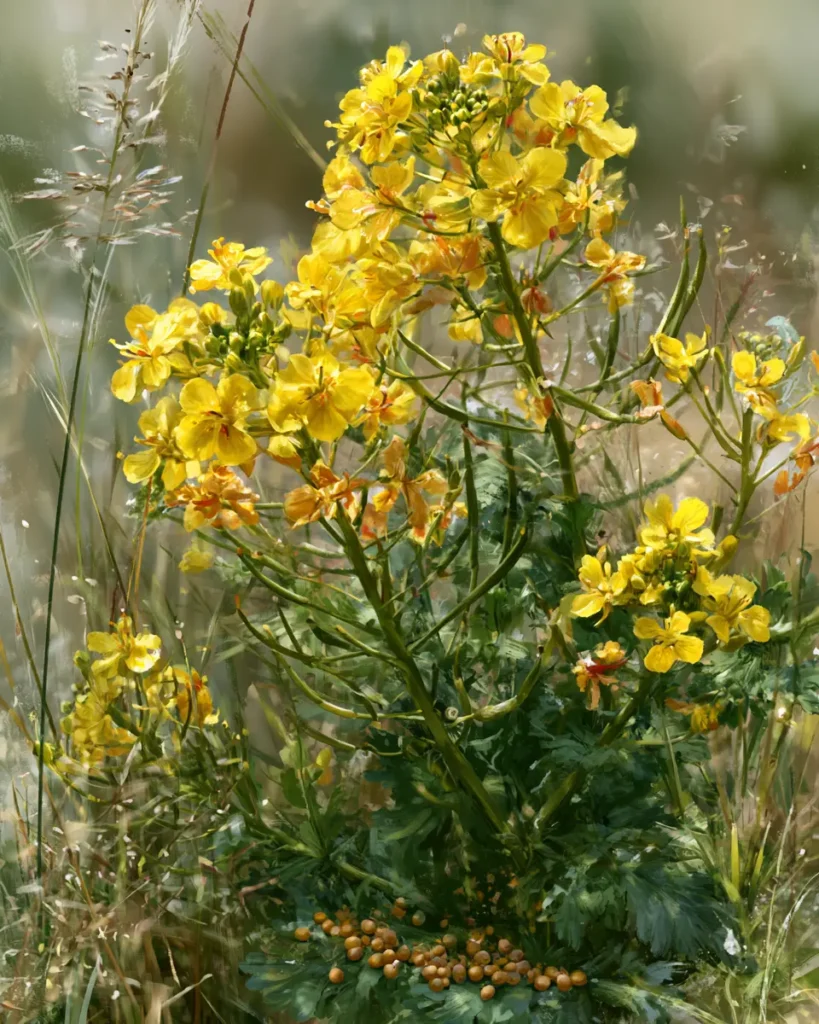
Mustard Seed (Sinapis alba, Brassica juncea, Brassica nigra)
Mustard seed is traditionally connected with these wellness areas:
Digestive Support: Mustard seed’s pungent taste may stimulate saliva and digestive secretions, especially when used as a condiment with heavier meals.
Respiratory Comfort: The warming vapors of prepared mustard and mustard seed preparations have traditionally been used to create a clear-feeling sensation in the chest and sinuses.
Circulation and Warmth: Mustard seed is a classic warming herb. Externally, it has been used as a rubefacient to bring warmth and redness to the skin.
Seasonal Wellness: Mustard seed belongs to the Brassicaceae family, known for glucosinolates and isothiocyanates, the same broad compound family found in horseradish, wasabi, broccoli, and cabbage.
“Mustard seed is proof that a tiny herb can bring serious warmth to the table.”
Available Mustard Seed Products
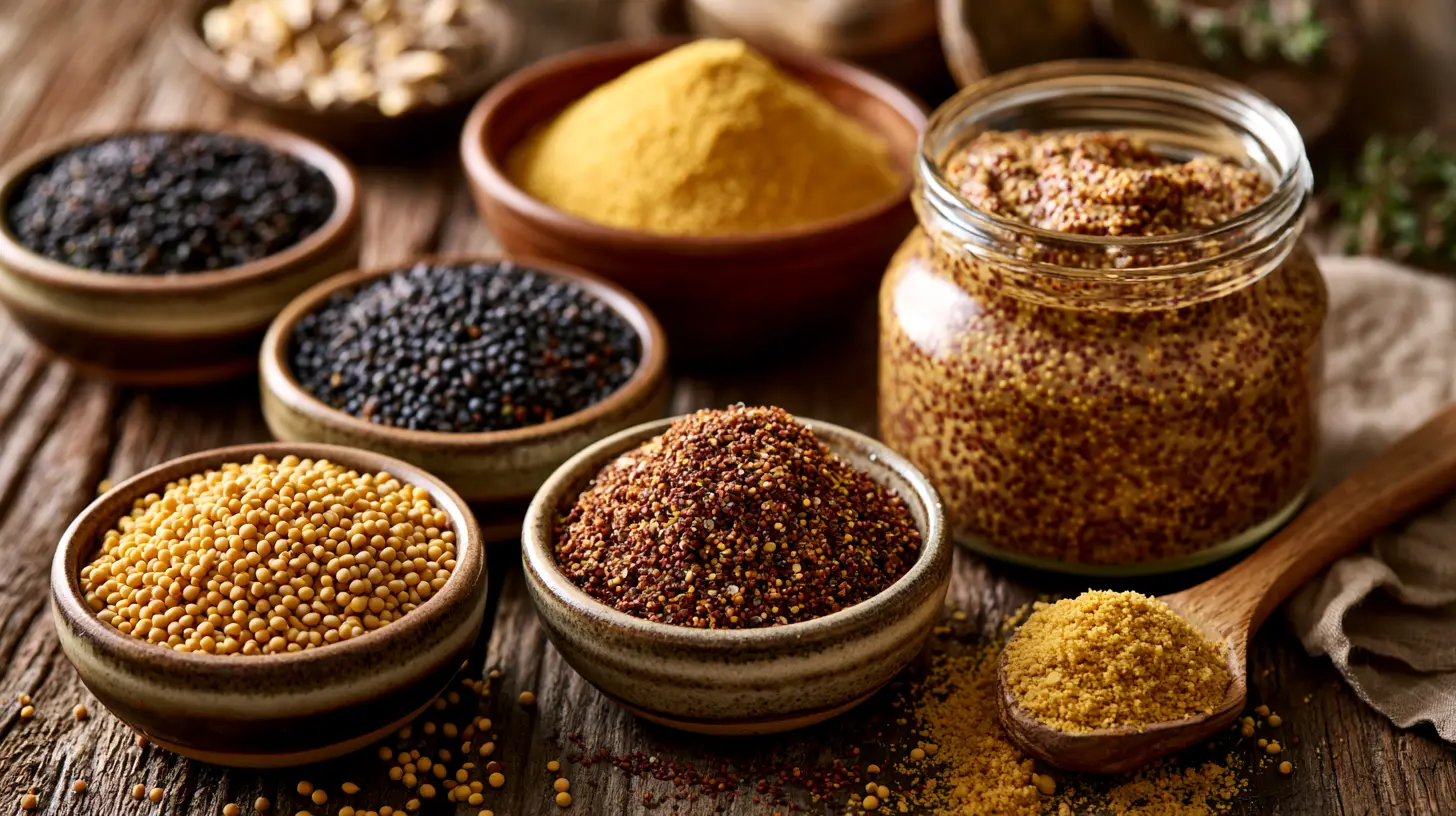
Whole Mustard Seed
Whole mustard seeds are sold as yellow, brown, or black seeds. Yellow mustard seed is usually milder, while brown and black mustard seeds are sharper and more pungent. Whole seeds are commonly used in pickling, spice blends, curries, and infused vinegars.
Ground Mustard Seed
Ground mustard seed, also called mustard powder, is used in sauces, rubs, dressings, and herbal preparations. Once ground, mustard loses strength faster than whole seed. Choose powder that smells fresh, sharp, and clean.
Prepared Mustard
Prepared mustard is made by mixing ground mustard seed with water, vinegar, salt, and sometimes spices. It is the most common culinary form and can be used in small amounts to support appetite and digestion through pungent flavor.
Mustard Seed Oil
Mustard seed oil is used in some culinary traditions and traditional body-care practices. Food-grade mustard oil regulations vary by country because of erucic acid content. In the United States, some mustard oils are sold for external use only, so labels must be read carefully.
Mustard Seed Capsules
Capsules may contain ground mustard seed or extracts. Because mustard seed can irritate the digestive tract in larger amounts, supplement-style use should be approached carefully. Culinary use is usually more traditional and safer for most people.
Mustard Poultice or Mustard Plaster
Mustard plasters are traditional external preparations made with ground mustard seed and flour or another diluting ingredient. They create strong warmth on the skin. They can also irritate or burn skin if made too strong or left on too long.
Mustard Bath
Mustard bath powders are traditional warming preparations used for cold-weather comfort. They are usually diluted in bath water and may include mustard powder with soothing ingredients such as oats, clay, or salts. They should not be used on broken or sensitive skin.
Key Herbal Actions
Mustard seed is known as a pungent stimulant, digestive stimulant, rubefacient, diaphoretic, expectorant, carminative, antimicrobial food herb, and antioxidant-rich Brassica seed.
Pungent Stimulant
A pungent stimulant is an herb that wakes up the senses with sharp, warming compounds. Mustard seed fits this action well because crushing the seed and adding liquid creates the familiar mustard heat.
Digestive Stimulant
Mustard seed has traditionally been used as a condiment to encourage appetite and digestion. Its pungent taste stimulates the mouth and may help the body prepare for food.
Rubefacient
A rubefacient is an herb used externally to bring warmth and redness to the skin. Mustard seed is one of the classic rubefacient herbs, especially in old-fashioned plasters. This action requires caution because mustard can burn the skin.
Diaphoretic
A diaphoretic supports the body’s natural sweating response. Warming herbs like mustard seed have traditionally been used in baths and external preparations when someone feels chilled.
Expectorant
An expectorant traditionally supports the body’s natural clearing of mucus. Mustard seed’s sharp vapors and warming quality explain its traditional use in chest rubs, plasters, and respiratory folk preparations.
Carminative
A carminative helps ease the feeling of gas and digestive heaviness. Mustard seed is not as gentle as fennel or chamomile, but its warming quality may support digestion when used in small culinary amounts.
Antimicrobial Food Herb
Mustard seed contains isothiocyanates, which have shown antimicrobial activity in laboratory studies. This does not mean mustard acts like an antibiotic in the body, but it helps explain its long use in preserved foods, condiments, and pungent culinary traditions.
Antioxidant-Rich Brassica Seed
Mustard seeds contain glucosinolates, phenolic compounds, flavonoids, and other plant constituents. These compounds contribute to mustard’s broader food-based wellness profile.
Active Compounds and Extraction
Mustard seed contains glucosinolates such as sinigrin in brown and black mustard and sinalbin in white/yellow mustard, plus myrosinase enzyme, allyl isothiocyanate, p-hydroxybenzyl isothiocyanate, mucilage, fixed oils, proteins, phenolic compounds, flavonoids, minerals, and small amounts of volatile compounds.
Glucosinolates
Glucosinolates are sulfur-containing plant compounds found in mustard and other Brassica-family plants. In brown and black mustard seed, sinigrin is especially important. In white or yellow mustard seed, sinalbin is more characteristic and produces a milder heat.
Best extraction methods:
Crushing with liquid: Grind or crush mustard seed, then add water, vinegar, or another liquid. This activates the plant chemistry that creates mustard’s pungency.
Prepared mustard: Mix ground seed with water first, wait a few minutes for heat to develop, then add vinegar to stabilize the flavor.
Food use: Add whole or ground mustard seed to meals, sauces, pickles, and spice blends. This is the most practical traditional method.
Myrosinase
Myrosinase is the enzyme that converts glucosinolates into pungent isothiocyanates when the seed is crushed and moistened. Without crushing and moisture, the seed stays much quieter. Think of myrosinase as the tiny kitchen assistant that turns mustard from seed into spark.
Best extraction methods:
Fresh grinding: Grind seeds shortly before use for the strongest effect.
Cool or warm water activation: Add cool or lukewarm water to ground mustard and let it sit briefly. Very hot water can reduce enzyme activity and soften the pungency.
Avoid long cooking: Heat can reduce mustard’s sharpness. Add prepared mustard near the end of cooking when flavor matters.
Allyl Isothiocyanate
Allyl isothiocyanate is a sharp, volatile compound especially associated with brown and black mustard seeds. It contributes to the nose-tingling heat found in strong mustards, horseradish, and wasabi-like foods.
Best extraction methods:
Fresh paste: Grind brown or black mustard seed and mix with water. Let it rest for several minutes before adding vinegar or salt.
Covered preparation: Keep freshly prepared mustard covered to preserve volatile compounds.
Short storage: Fresh mustard paste is strongest when newly made and gradually mellows over time.
Sinalbin-Derived Compounds
White and yellow mustard seeds contain sinalbin, which produces a milder pungency compared with sinigrin-rich brown or black mustard. This is why yellow mustard is usually gentler and less nose-clearing.
Best extraction methods:
Ground yellow mustard: Mix powder with liquid to create a mild mustard paste.
Vinegar preparation: Vinegar helps preserve the flavor and makes a stable condiment.
Mucilage
Yellow mustard seed contains mucilage, a slippery plant fiber that swells with water. This helps explain the thickening quality of mustard powder in sauces and prepared mustard.
Best extraction methods:
Water soaking: Mix ground yellow mustard with water and let it sit. The mucilage helps thicken the paste.
Culinary blending: Mustard powder can help emulsify dressings and sauces because of its mucilage and seed proteins.
Fixed Oils
Mustard seeds contain fixed oils. These are fatty oils, different from the pungent volatile “mustard oils” created from glucosinolates. Mustard seed oil is used in some culinary and body-care traditions.
Best extraction methods:
Pressed oil: Mustard seed oil is produced through mechanical pressing or commercial extraction.
Food or external use: Only use mustard oil according to the label. In some countries, certain mustard oils are not approved for internal culinary use.
Phenolic Compounds and Flavonoids
Mustard seeds contain phenolic compounds and flavonoids that contribute antioxidant activity. These compounds support the broader nutritional profile of mustard seed.
Best extraction methods:
Whole food use: Eating mustard as a condiment provides small amounts of these compounds.
Infused vinegar: Vinegar-based mustard preparations may capture some acid-soluble plant compounds.
Harvesting and Storing Right
Mustard seed is harvested when the seed pods mature and dry on the plant, usually in late summer to early autumn depending on climate and species. The pods should be dry but not so overripe that they shatter and scatter the seeds.
Harvesting is usually done in dry weather after morning moisture has evaporated. Seeds should be fully dried before storage to prevent mold.
Storage tips:
Whole mustard seed: Store in an airtight jar away from heat, light, and moisture. Best used within 2–3 years.
Ground mustard powder: Store tightly sealed and use within 6–12 months for best flavor.
Prepared mustard: Refrigerate after opening and follow the label. Homemade mustard is best used within a few weeks.
Mustard oil: Store according to the label, away from heat and light.
Mustard bath or plaster powder: Keep dry and tightly sealed. Discard if it smells stale or rancid.
Body Functions Mustard Seed Can Support
Mustard seed can support digestion system, respiratory system, circulation, metabolism, immune system, skin, muscles and joint, and energy and vitality.
Digestion System
Mustard seed is most commonly used as a digestive condiment. Its pungency stimulates saliva and may encourage digestive readiness before and during meals. People with reflux, ulcers, gastritis, or sensitive digestion should use it cautiously.
Respiratory System
Mustard seed has a long tradition in warming respiratory preparations such as mustard plasters and baths. The pungent vapors can create a clear-feeling sensation in the nose and chest. This is supportive and sensory, not a treatment for respiratory illness.
Circulation
Mustard seed is warming and stimulating. Externally, it has been used to bring blood flow to the skin surface. This is why mustard plasters feel hot, but also why they must be used carefully.
Metabolism
Mustard seed belongs to the Brassica family, which is known for sulfur-containing glucosinolates. These compounds are part of normal plant-food metabolism discussions, but mustard seed should not be framed as a weight-loss herb. Its main role is culinary stimulation and warmth.
Immune System
Mustard seed contains isothiocyanates studied for antimicrobial and antioxidant activity in laboratory settings. As a food herb, it may fit seasonal wellness traditions. It should not be described as preventing or curing infection.
Skin
Externally, mustard seed has been used as a rubefacient to warm the skin. This may be useful in traditional topical preparations, but the same action can cause irritation, redness, blistering, or burns. Use only on intact skin and with proper dilution.
Muscles and Joint
Mustard baths and plasters have traditionally been used for cold, stiff, or achy feelings in muscles and joints. The effect is mainly warming and stimulating at the skin surface. It should not be used over injuries, inflammation, broken skin, or unexplained pain without guidance.
Energy and Vitality
Mustard seed does not provide caffeine-like energy. Its sharp taste and warming effect can feel awakening, especially when used in food. It is a “wake up the senses” herb rather than a stimulant tonic.
Safety and Practical Considerations
Mustard seed is commonly used as food, but strong internal use, supplements, plasters, and baths require caution. More mustard is not better, especially when the skin or stomach is involved.
People with mustard allergy should avoid mustard seed completely. Mustard is a recognized food allergen in some countries and can cause serious allergic reactions in sensitive individuals.
People with stomach ulcers, gastritis, acid reflux, inflammatory bowel conditions, kidney disease, or strong digestive sensitivity should be cautious with concentrated mustard preparations.
Mustard seed poultices and plasters can burn the skin. They should be diluted, used briefly, and removed immediately if burning becomes uncomfortable. Do not use on children, older adults with fragile skin, the face, broken skin, or sensitive areas.
Pregnant and breastfeeding people should avoid medicinal or concentrated mustard seed use. Culinary amounts may be different, but strong internal or topical preparations should be avoided unless professionally guided.
Mustard seed may irritate the eyes, nose, throat, and lungs if inhaled as powder or strong vapor. Prepare it in a ventilated area and avoid touching the eyes after handling.
People with thyroid conditions should use moderation with concentrated Brassica-family supplements. Normal culinary use is different from high-dose supplement use, but caution is reasonable.
Pets should not be given mustard seed or mustard condiments. Mustard can irritate an animal’s digestive tract and may be unsafe.
FAQ
What does mustard seed taste like?
Mustard seed tastes pungent, sharp, warming, and slightly bitter. Yellow mustard seed is usually milder, while brown and black seeds are hotter and more nose-tingling.
When is the best time to use mustard seed?
Mustard seed is most often used with meals. Traditionally, it is used as a condiment with rich, fatty, or heavy foods to support appetite and digestion.
Is whole or ground mustard seed better?
Whole mustard seed stores longer and keeps its flavor better. Ground mustard is more convenient and activates faster when mixed with liquid. For the strongest taste, grind seeds shortly before use.
Is mustard seed tea, tincture, capsule, or food better?
Food use is the most traditional and practical form. Capsules and tinctures are stronger and should be used cautiously. Mustard seed tea is not a common daily herbal tea because the seed is pungent and potentially irritating.
Can mustard seed be used daily?
Small culinary amounts may be used regularly by many people. Strong daily use or supplement use is not appropriate for everyone, especially people with digestive irritation, allergy, pregnancy, breastfeeding, kidney concerns, or thyroid concerns.
How should mustard seed be stored?
Store whole mustard seed in an airtight jar away from heat, light, and moisture. Ground mustard should be used sooner because it loses strength faster. Prepared mustard should be refrigerated after opening.
Does mustard seed combine well with other herbs?
Yes. Mustard seed combines well with turmeric, black pepper, cumin, coriander, ginger, garlic, dill, fennel, thyme, horseradish, and vinegar. In topical traditions, it is often diluted with flour, oats, or clay.
Is yellow mustard seed the same as black mustard seed?
No. Yellow or white mustard is usually Sinapis alba and tends to be milder. Black mustard is Brassica nigra and is much sharper. Brown mustard, Brassica juncea, is also pungent and widely used in strong mustards and spice blends.
Is mustard seed safe for everyone?
No. People with mustard allergy, sensitive digestion, ulcers, reflux, kidney disease, thyroid concerns, pregnancy, breastfeeding, or sensitive skin should use caution or avoid concentrated use.
Can mustard seed be used for pets?
No. Mustard seed and mustard condiments should not be given to pets. They can irritate the digestive tract and may be unsafe. Pet use should be discussed only with a veterinarian.
Disclaimer
This content is educational only. It is not medical advice, diagnosis, or treatment. Herbs may interact with medications or health conditions. People who are pregnant, breastfeeding, managing a medical condition, taking prescription medications, or preparing for surgery should consult a qualified healthcare professional before using herbs.
References
Kew Science: Plants of the World Online – Sinapis alba
Kew Science: Plants of the World Online – Brassica juncea
Kew Science: Plants of the World Online – Brassica nigra
Linus Pauling Institute: Isothiocyanates
PubMed: Glucosinolates and Their Breakdown Products in Food and Food Plants
PubMed Central: Isothiocyanates from Brassica Vegetables and Their Biological Activities