


Ajwain, also called carom seed or ajowan, is the small seed-like fruit of a plant in the Apiaceae family, the same broad family that gives us fennel, dill, cumin, parsley, and celery. Traditionally, ajwain has been used in South Asian, Persian, Middle Eastern, and Ayurvedic-inspired herbal traditions for digestive comfort, gas and bloating support, respiratory warmth, and oral freshness. Its sharp thyme-like aroma comes largely from thymol, a compound also found in thyme.
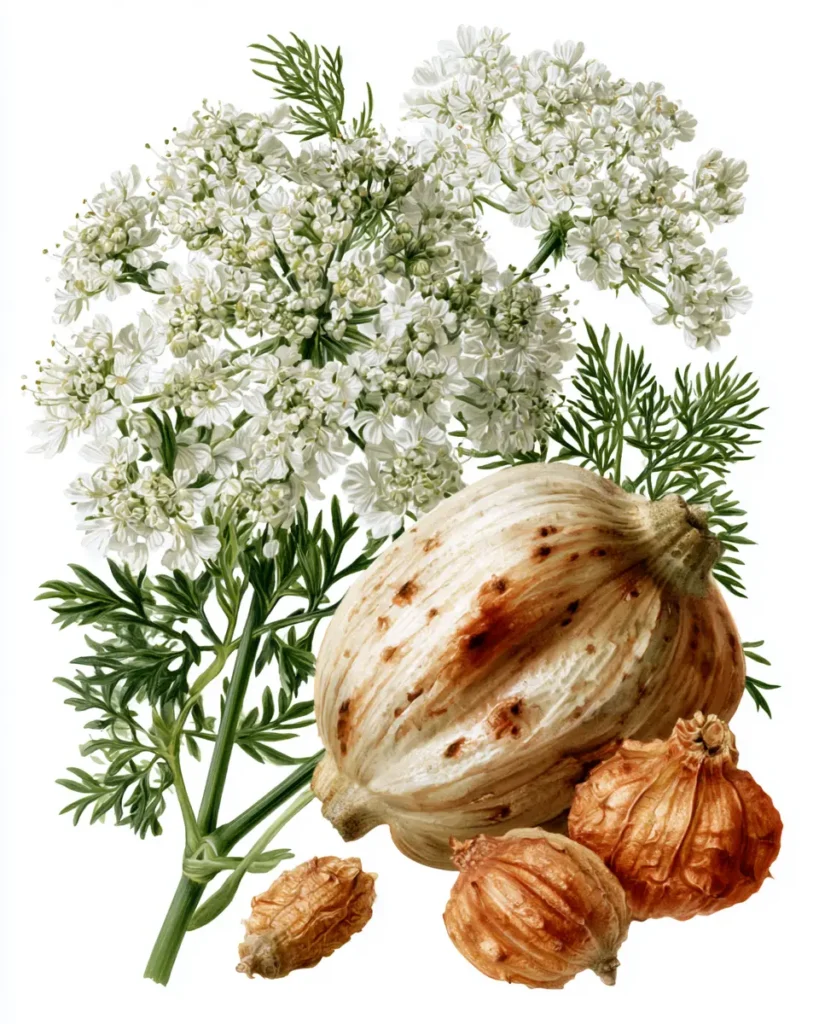
Ajwain (Trachyspermum ammi)
Traditional Uses of Ajwain
Digestive Support: Ajwain is traditionally used after meals to support comfortable digestion, especially when food feels heavy or gas-forming.
Gas and Bloating: Its strong aromatic oils make it a classic carminative herb, meaning it helps the body release trapped digestive gas.
Respiratory Warmth: Ajwain’s pungent, warming nature has made it a traditional choice in steam, tea, and spice blends for seasonal respiratory comfort.
Oral Freshness: In some traditions, roasted ajwain is chewed in tiny amounts after meals to freshen the mouth and support digestion.
“Ajwain may be tiny, but it walks into the digestive system like it owns the place.”
Available Ajwain Products
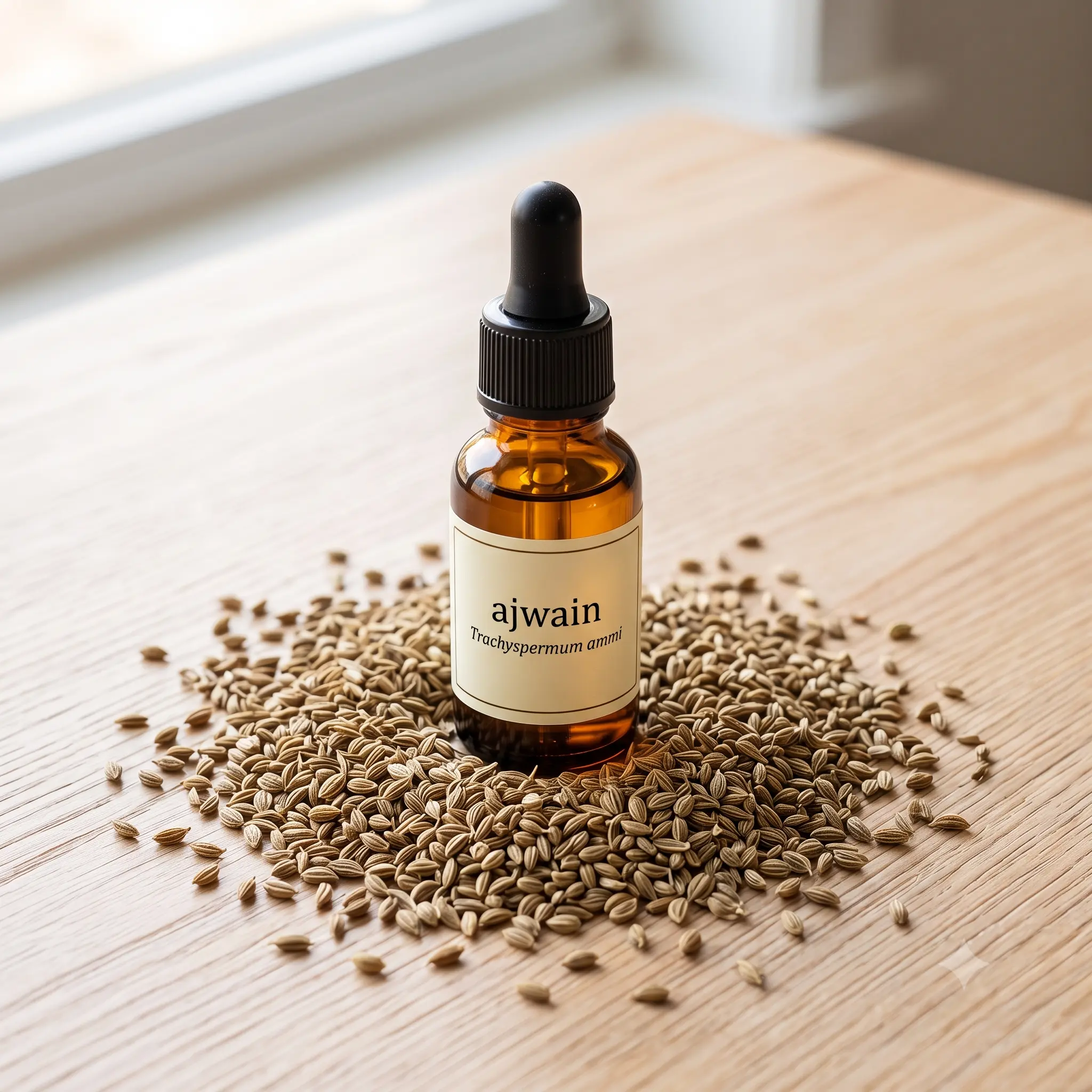
Ajwain Essential Oil
A concentrated aromatic oil traditionally used for topical comfort and aromatherapy….
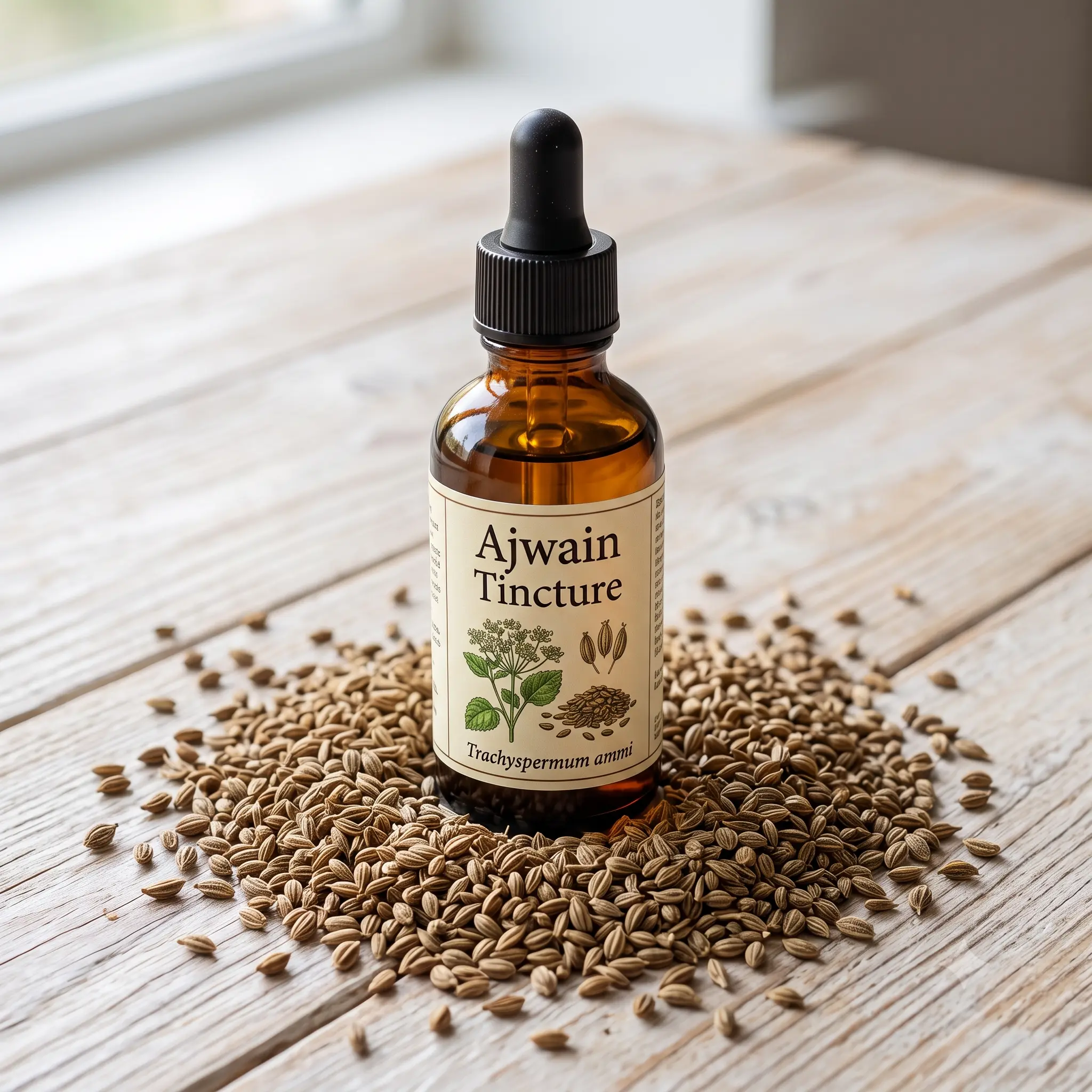
Ajwain Tincture
A concentrated liquid extract that supports healthy digestion and eases bloating….
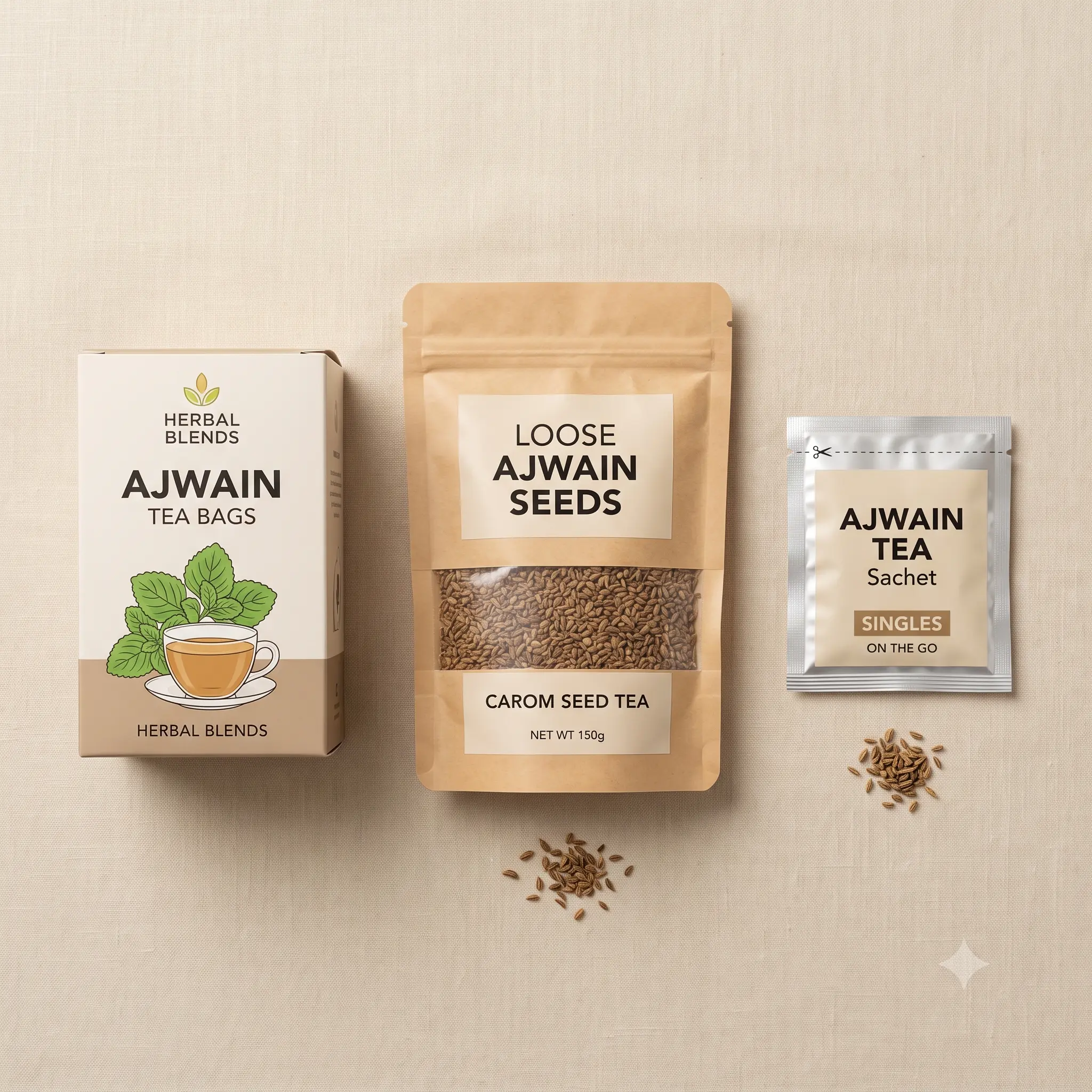
Ajwain Tea
A warming herbal tea traditionally used to support digestion and ease bloating…
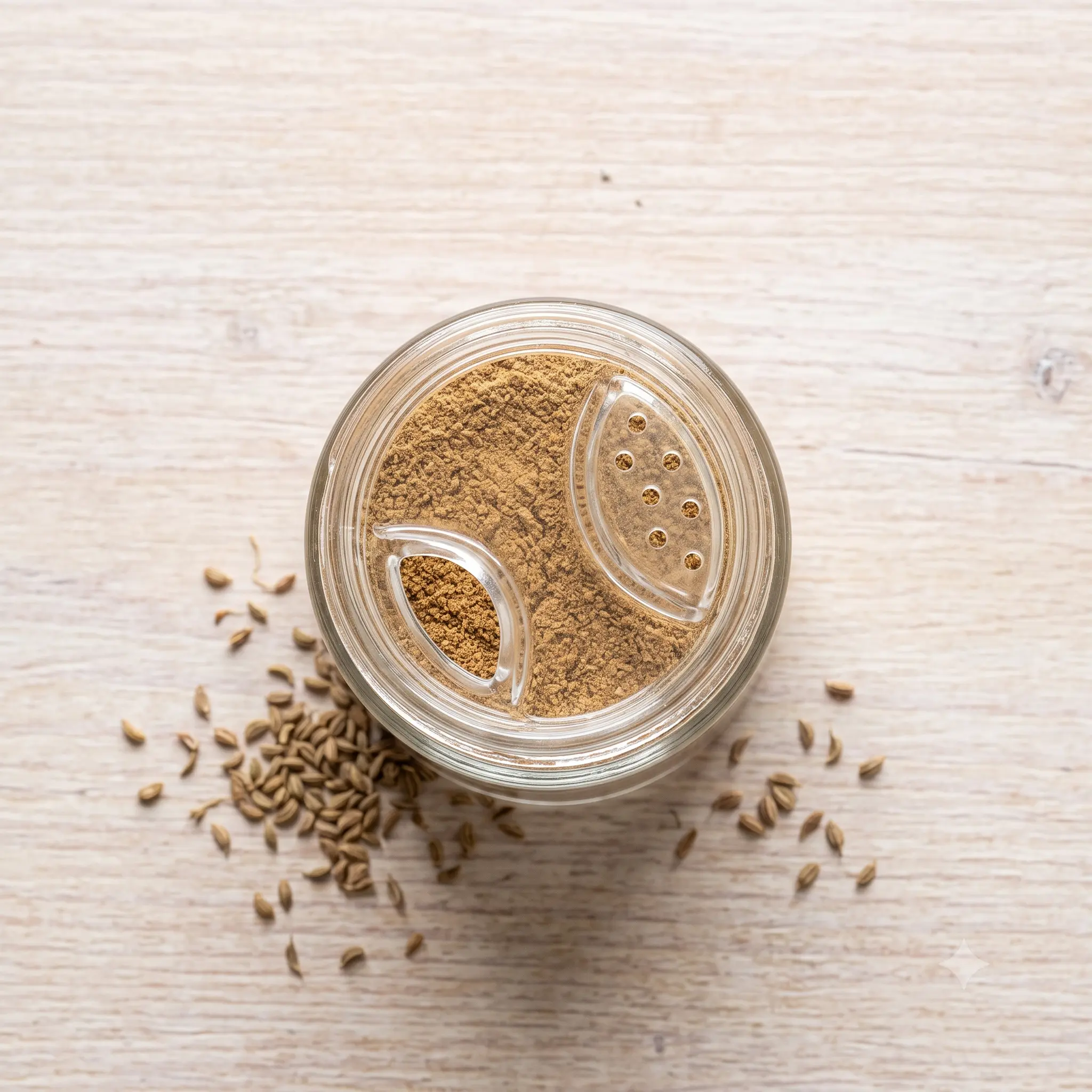
Ajwain Powder
A convenient ground spice that supports healthy digestion and eases bloating….
Whole Ajwain Seeds
Whole ajwain seeds are the most common and traditional form. They are used in cooking, tea, digestive spice blends, and after-meal preparations. Look for seeds that smell strong, thyme-like, warm, and slightly peppery.
Roasted Ajwain
Roasted ajwain is commonly used in food and traditional digestive preparations. Dry roasting softens the harsh edge, deepens the aroma, and makes the flavor more rounded.
Ajwain Powder
Ajwain powder is convenient for recipes, spice blends, and capsules. It loses aroma faster than whole seeds, so it should be bought in small amounts and stored tightly sealed.
Ajwain Tea
Ajwain tea is made by steeping or lightly simmering the seeds in hot water. It is often used after meals when digestion feels slow, heavy, or gassy.
Ajwain Tincture
Ajwain tincture is less common than tea or whole seed use, but it can be made as a hydroalcoholic extract. Alcohol-water mixtures help extract aromatic compounds like thymol more effectively than water alone.
Ajwain Capsules
Capsules may be available as ajwain seed powder or extract. They are convenient, but because ajwain is strong and warming, label directions matter.
Ajwain Essential Oil
Ajwain essential oil is highly concentrated and usually rich in thymol. It should be used with great caution, properly diluted, and not taken internally unless guided by a qualified professional.
Ajwain Water
Ajwain water is a traditional home preparation made by soaking, steeping, or simmering the seeds. It is simple, but strong; a little seed goes a long way.
Key Herbal Actions
Ajwain is known as a carminative, aromatic digestive, antispasmodic, warming stimulant, antimicrobial-supportive herb, expectorant, antioxidant, and pungent culinary herb.
Carminative
A carminative herb supports the movement and release of digestive gas. Ajwain is one of the classic carminative spices, especially in meals containing beans, lentils, breads, and heavier foods.
Aromatic Digestive
Aromatic digestives contain strong volatile oils that wake up the senses and support digestive activity. Ajwain’s thymol-rich aroma explains why even a small pinch can feel powerful.
Antispasmodic
Antispasmodic herbs are traditionally used to ease patterns of gripping or tightness. Ajwain is traditionally used when digestive discomfort includes cramping, gas, or tension.
Warming Stimulant
Warming stimulants increase a sense of heat and movement in the body. Ajwain is not a cooling herb; it is sharp, hot, and active, which is why moderation matters.
Antimicrobial-Supportive Herb
Ajwain essential oil and thymol have been studied in laboratory settings for antimicrobial activity. This does not mean ajwain should be used as an antibiotic replacement, but it helps explain its traditional role in food preservation and oral freshness.
Expectorant
Ajwain is traditionally used in warming respiratory preparations. Its aromatic oils may support the body’s natural process of keeping airways clear.
Antioxidant
Ajwain contains phenolic compounds and volatile oils that show antioxidant activity in research settings. These compounds contribute to its broader protective plant chemistry.
Pungent Culinary Herb
Ajwain is both food and herb. Its pungent flavor helps make heavy foods more digestible in traditional cooking, especially flatbreads, legumes, and fried foods.
Active Compounds and Extraction
Ajwain contains thymol, gamma-terpinene, p-cymene, carvacrol, alpha-pinene, beta-pinene, limonene, terpenes, flavonoids, phenolic compounds, fixed oils, proteins, fiber, and minerals.
Thymol
Thymol is the major aromatic compound associated with ajwain’s thyme-like smell. It has been studied for antimicrobial, antioxidant, and digestive-supportive activity, and it is one reason ajwain feels so sharp and active.
Best extraction: Tincture, steam distillation, or covered hot infusion.
To make ajwain tea, lightly crush 1/4 to 1/2 teaspoon of seeds, pour over 1 cup hot water, cover, and steep 10 minutes. Covering helps keep aromatic oils from escaping.
Gamma-Terpinene
Gamma-terpinene is a volatile terpene found in ajwain essential oil. It contributes to the herb’s aroma and is part of the seed’s antioxidant and aromatic profile.
Best extraction: Essential oil distillation or alcohol-water tincture.
At home, a tincture captures more aromatic compounds than plain water. For everyday use, tea or culinary use is usually more practical.
P-Cymene
P-cymene is another aromatic terpene found in ajwain essential oil. It adds to the warm, spicy scent and works alongside thymol and other compounds.
Best extraction: Tincture or covered infusion.
A short covered infusion is enough for a simple tea. Do not boil ajwain uncovered for long periods, or much of the aroma will disappear into the kitchen air.
Carvacrol
Carvacrol is a phenolic monoterpene also found in oregano and thyme. It is studied for antimicrobial activity and contributes to ajwain’s strong warming nature.
Best extraction: Alcohol-water extract or essential oil.
Because carvacrol is aromatic and not purely water-soluble, tincture extracts it more broadly than tea. Essential oil is concentrated and should be handled carefully.
Flavonoids
Flavonoids are antioxidant plant compounds. Ajwain contains flavonoid-type constituents that contribute to its overall antioxidant profile.
Best extraction: Hot water infusion or tincture.
A simple tea extracts some water-soluble flavonoids. Tincture may provide a broader extraction when properly prepared.
Phenolic Compounds
Phenolic compounds are plant constituents often linked with antioxidant activity. In ajwain, thymol and related phenolics help explain the seed’s strong biological activity in laboratory research.
Best extraction: Tincture or covered hot infusion.
For daily kitchen use, crushing the seeds before steeping or cooking helps release these compounds.
Fixed Oils, Fiber, and Minerals
Ajwain seeds also contain fixed oils, fiber, and minerals in small amounts. These are more relevant when ajwain is eaten as a spice rather than taken as a strained tea.
Best extraction: Whole food use or powder.
Use tiny amounts in cooking, especially in flatbreads, lentils, vegetables, and savory dishes. Roasting or frying briefly in oil releases the aroma and improves flavor.
Harvesting and Storing Right
Ajwain is usually harvested when the seed-like fruits mature and dry on the plant. The umbels are cut, dried further, and threshed to collect the small aromatic fruits.
For home gardeners in warm climates, harvest once the seed heads turn dry and brownish but before they scatter. Morning is a good time after dew has dried. The goal is dry, aromatic seed material with minimal moisture.
Store whole ajwain seeds in an airtight jar away from heat, light, and moisture. Whole seeds keep their aroma for about 1–2 years when stored well. Ground ajwain powder is best used within about 6 months because the volatile oils fade quickly.
Ajwain essential oil should be stored in a dark glass bottle, tightly closed, away from heat and children. Tinctures can keep for several years when prepared properly, while infused waters and teas should be used fresh.
Body Functions Ajwain Can Support
Ajwain can support digestion system, respiratory system, dental oral comfort, metabolism, immune system, circulation, and energy and vitality.
Digestion System
Ajwain is most strongly associated with digestion. Its carminative and aromatic digestive actions make it especially useful in traditional cooking with beans, lentils, breads, and rich foods.
Respiratory System
Ajwain’s pungent aromatic compounds make it a traditional warming herb for respiratory comfort. It is sometimes used in tea or steam preparations, though essential oil should never be used casually near children, pets, or sensitive individuals.
Dental Oral
Ajwain has a long history as an after-meal mouth freshener in some traditions. Its thymol-rich aroma helps explain its use in oral freshness practices, though it is not a substitute for dental care.
Metabolism
Ajwain’s warming, pungent nature has traditionally been used to “wake up” sluggish digestion. In herbal terms, this supports digestive fire, but it should not be exaggerated into weight-loss claims.
Immune System
Ajwain contains thymol and other phenolic compounds studied for antimicrobial and antioxidant activity. This supports its traditional use in food and seasonal wellness, but it should not be used as a replacement for medical treatment.
Circulation
As a warming spice, ajwain may create a sense of warmth and movement. This is a traditional energetic use rather than a claim that it treats circulation disorders.
Energy and Vitality
Ajwain’s sharp aroma and digestive warmth can feel stimulating, especially after heavy meals. It is not an adaptogen or energy tonic, but it may support comfort when sluggish digestion makes a person feel dull or weighed down.
Safety and Practical Considerations
Ajwain is strong, hot, pungent, and best used in modest amounts. Culinary use in small quantities is generally the safest way most people encounter it.
Pregnant people should avoid medicinal amounts of ajwain, and breastfeeding people should use caution unless guided by a qualified professional. People with ulcers, reflux, active gastritis, liver conditions, bleeding disorders, or those taking blood thinners, antiplatelet drugs, sedatives, or multiple medications should seek professional advice before using ajwain therapeutically.
Ajwain essential oil is very concentrated and can irritate skin, mucous membranes, and the digestive tract. It should not be taken internally without professional supervision and should be kept away from children and pets.
Sensitive individuals may find ajwain too heating. If it causes burning, nausea, rash, headache, or digestive irritation, stop using it.
Ajwain is most commonly used dried, whole, roasted, powdered, or infused as tea. Fresh ajwain leaves are used in some cuisines, but the seed-like fruits are the main herbal and culinary material.
FAQ
What does ajwain taste like?
Ajwain tastes pungent, bitter, hot, and thyme-like. It has a strong aroma because it contains thymol, the same compound that gives thyme part of its scent.
When is the best time to use ajwain?
Ajwain is traditionally used with meals or after meals, especially when food is heavy or gas-forming. It is commonly cooked into breads, lentils, beans, and savory dishes.
Is fresh or dried ajwain better?
Dried ajwain seeds are the standard form for both cooking and herbal use. Fresh leaves may be used as a culinary herb in some regions, but the dried seed-like fruits are much more common.
Is ajwain tea, tincture, or capsule better?
Tea is simple and traditional for digestive comfort. Tincture may extract more aromatic compounds, while capsules are convenient but easier to overuse if directions are ignored.
Can ajwain be used daily?
Ajwain can be used regularly as a small culinary spice. Daily medicinal use is different and should be approached cautiously, especially for pregnant people, sensitive individuals, or anyone taking medications.
How should ajwain be stored?
Store ajwain seeds in an airtight jar away from heat, light, and moisture. Whole seeds keep their aroma much longer than powder.
Does ajwain combine well with other herbs?
Yes. Ajwain combines well with fennel, cumin, coriander, ginger, black pepper, cardamom, and turmeric in digestive spice blends. For tea, it is often balanced with gentler herbs because the flavor is strong.
Is ajwain safe for everyone?
No. Ajwain may be too heating or irritating for some people, especially those with reflux, ulcers, gastritis, pregnancy, medication use, or bleeding concerns.
Can ajwain be used for pets?
Pet use should be guided by a veterinarian or qualified animal herbalist. Ajwain’s strong essential oil content makes casual pet use inappropriate.
Why is ajwain often roasted before use?
Roasting softens the raw sharpness and improves the flavor. It also helps release the aromatic oils, making ajwain easier to enjoy in food.
Disclaimer
This content is educational only. It is not medical advice, diagnosis, or treatment. Herbs may interact with medications or health conditions. People who are pregnant, breastfeeding, managing a medical condition, taking prescription medications, or preparing for surgery should consult a qualified healthcare professional before using herbs.
References
PubMed: Trachyspermum ammi – A Review on Its Multidimensional Uses in Indian Folklore Medicines
PubMed: Chemical Constituents, Antifungal and Antioxidative Effects of Ajwain Essential Oil
PubMed: Thymol and Carvacrol – Pharmacological Properties and Biological Activity
NCBI Bookshelf: Herbal Medicine Safety and Herb-Drug Interaction Considerations
Plants of the World Online: Trachyspermum ammi