


Gymnema is a climbing vine native to India, Africa, and parts of Asia, best known in Ayurveda by the name gurmar, often translated as “sugar destroyer.” That nickname comes from a fascinating effect: when gymnema leaf touches the tongue, its compounds can temporarily reduce the ability to taste sweetness.
Traditionally, gymnema has been used to support healthy sugar metabolism, appetite balance, digestion, and cravings for sweet foods. It is a focused herb — not the kind you casually sprinkle on soup, but one you approach with respect, especially if blood sugar medication is involved.
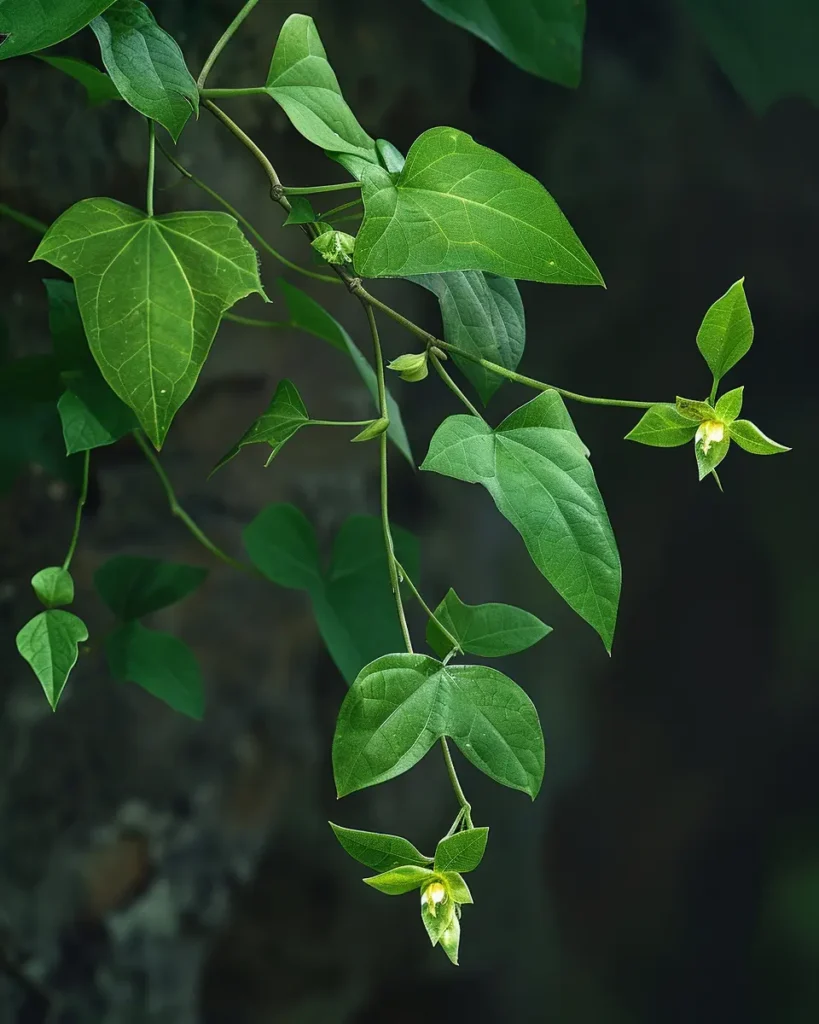
Gymnema (Gymnema sylvestre)
Traditional Uses of Gymnema
Sugar Craving Support: Gymnema is traditionally known for temporarily dulling the taste of sweetness, which may help explain its use in formulas for sweet cravings.
Metabolic Support: Gymnema has been studied for glucose metabolism, insulin-related activity, and lipid markers, mostly in small human studies and preclinical research.
Digestive Support: As a bitter and slightly astringent herb, gymnema has traditionally been used to support appetite and digestive function.
Weight & Appetite Balance: Gymnema is sometimes used in formulas intended to support balanced appetite, especially when sweet taste drives snacking.
“Gymnema is the herb that politely tells sugar, ‘You’re not as charming as you think.’”
Available Gymnema Products
Dried Gymnema Leaf
Dried gymnema leaf is used for tea, decoction-style infusions, powders, and traditional chewing preparations. Look for products that clearly list Gymnema sylvestre leaf and come from a reputable supplier.
Gymnema Tea
Gymnema tea is usually made from dried leaf. It has a bitter, earthy, slightly green taste and is often blended with cinnamon, fennel, ginger, or mint to make it more pleasant.
Gymnema Tincture
Gymnema tincture is a concentrated liquid extract. Alcohol and water together help extract gymnemic acids, saponins, flavonoids, and other plant compounds.
Gymnema Capsules
Capsules are one of the most common market forms. They may contain whole leaf powder or standardized extract, often labeled for gymnemic acid content.
Gymnema Tablets
Tablets are similar to capsules and may contain powdered herb, extract, or standardized gymnemic acids. Check whether the product is third-party tested and whether it gives a clear serving size.
Gymnema Powder
Gymnema powder can be mixed into water, smoothies, or capsules, though the taste is strong. Powder is less convenient than capsules but allows flexible serving sizes.
Gymnema Extract
Gymnema extracts are often standardized to gymnemic acids, sometimes around 25% or higher depending on the product. These are stronger than whole leaf and need more careful use.
Gymnema Glycerite
Gymnema glycerite is less common. It may be used when someone wants an alcohol-free liquid extract, though glycerin may not extract some constituents as strongly as alcohol-water blends.
Gymnema Essential Oil
Gymnema is not commonly used as an essential oil herb. Products labeled “gymnema oil” are usually not traditional essential oils and should be evaluated carefully.
Key Herbal Actions
Gymnema is known as a metabolic tonic, hypoglycemic herb, bitter tonic, sugar-taste modulator, appetite-supportive herb, antioxidant, anti-inflammatory, and digestive support herb.
Metabolic Tonic
A metabolic tonic is traditionally used to support long-term metabolic balance. Gymnema is strongly associated with glucose metabolism in traditional use and modern research.
Hypoglycemic Herb
This term means an herb may lower blood glucose. Gymnema has shown blood-sugar-lowering effects in some research, which is why it must be used cautiously with diabetes medications.
Bitter Tonic
Bitter herbs stimulate taste receptors and traditionally support appetite and digestive secretions. Gymnema’s bitter taste connects it to classic digestive herbalism.
Sugar-Taste Modulator
Gymnemic acids can temporarily reduce sweet taste perception by interacting with sweet taste receptors on the tongue. This is one of gymnema’s most distinctive herbal actions.
Appetite-Supportive Herb
Because gymnema may reduce the appeal of sweet taste, it is often used in formulas for appetite and craving support. This effect is temporary and depends on direct contact with the tongue.
Antioxidant
Gymnema contains flavonoids, phenolics, and saponins studied for antioxidant activity. These compounds contribute to its broader plant chemistry.
Anti-inflammatory
Gymnema extracts have been studied in preclinical models for inflammation-modulating effects. Human evidence is still limited, so this action should be described gently.
Digestive Support Herb
Gymnema’s bitter and slightly astringent qualities make it relevant to digestion. It is not a classic kitchen carminative like fennel or ginger, but it still fits into digestive-herbal traditions.
Active Compounds and Extraction
Gymnema contains gymnemic acids, gymnemasaponins, gurmarin, flavonoids, phenolic compounds, tannins, saponins, alkaloids, sterols, and triterpenoids.
Gymnemic Acids
Gymnemic acids are triterpene saponins and the best-known compounds in gymnema. They are studied for their ability to temporarily block sweet taste receptors and for possible effects on glucose absorption and metabolism.
Best extraction: Alcohol-water tincture, standardized extract, capsules, and tea.
Simple tea method: Use 1 teaspoon dried gymnema leaf per cup of hot water. Cover and steep for 10–15 minutes, then strain. The taste is bitter, so blending with cinnamon or mint can help.
Gymnemasaponins
Gymnemasaponins are saponin compounds found in gymnema. Saponins are soap-like plant compounds that can influence absorption and cell signaling in research models.
Best extraction: Hot water infusion, decoction, tincture, and standardized extract.
Stronger infusion method: Simmer 1 teaspoon dried leaf in 1 cup water for 10 minutes, then cover and steep another 10 minutes before straining.
Gurmarin
Gurmarin is a peptide from gymnema leaves that has been studied for sweet taste suppression, especially in animal research. It helps explain why gymnema became famous as “sugar destroyer.”
Best extraction: Fresh or dried leaf preparations that contact the tongue.
Taste method: Sip gymnema tea slowly and let it touch the tongue before swallowing. The sweet-taste effect is usually temporary and may vary from person to person.
Flavonoids
Flavonoids are plant compounds studied for antioxidant activity. In gymnema, they contribute to the whole-herb profile alongside saponins and phenolic compounds.
Best extraction: Hot infusion, tincture, and powder.
Simple powder method: Mix a small measured amount of gymnema powder into water or a smoothie. Because the taste is strong, many people prefer capsules.
Phenolic Compounds
Phenolic compounds are antioxidant plant chemicals. They help protect the plant and contribute to gymnema’s research profile around oxidative stress.
Best extraction: Tea, tincture, and hydroalcoholic extract.
Covered infusion method: Steep gymnema in covered hot water for 10–15 minutes to preserve both water-soluble and aromatic fractions.
Tannins
Tannins are astringent compounds that create a drying, puckering sensation. They contribute to gymnema’s slightly rough, bitter mouthfeel.
Best extraction: Hot water infusion.
Practical note: If gymnema tea feels too drying, combine it with gentler herbs such as cinnamon, fennel, licorice root, or marshmallow root, depending on your needs and safety considerations.
Sterols and Triterpenoids
Gymnema contains sterols and triterpenoid compounds that contribute to its complex chemistry. These are often discussed in relation to metabolic and inflammation-related research.
Best extraction: Alcohol-water extract and standardized preparations.
Tincture method: Fill a clean jar halfway with dried gymnema leaf, cover with 40–50% alcohol, seal, and shake daily for 2–4 weeks. Strain and store in dark glass.
Harvesting and Storing Right
Gymnema leaves are the main plant part used. They are generally harvested during the active growing season when leaves are mature, healthy, and fully developed. In tropical growing regions, harvest timing may vary with rainfall, plant age, and cultivation method.
Harvest leaves during the cooler part of the day after surface moisture has dried. Avoid damaged, moldy, or insect-heavy leaves.
Fresh gymnema leaf: Use soon after harvest, or dry promptly in a shaded, well-ventilated place.
Dried gymnema leaf: Store in an airtight jar away from heat, light, and moisture. Best quality is usually within 1 year.
Gymnema powder: Store tightly sealed and use within 3–6 months for best quality.
Gymnema tincture: Store in dark glass in a cool place. Alcohol tinctures may keep for several years.
Gymnema capsules/extracts: Follow the product label and expiration date. Keep away from heat and humidity.
Body Functions Gymnema can Support
Gymnema can support metabolism, pancreas, digestion system, nervous system, energy and vitality, circulation, and liver support.
Metabolism
Gymnema is most strongly associated with metabolic support. Its gymnemic acids and saponins have been studied for effects on sweet taste, glucose absorption, insulin-related activity, and lipid markers.
Pancreas
Some studies have explored gymnema’s relationship with insulin secretion and pancreatic beta-cell function. This research is interesting but should not be interpreted as a promise that gymnema repairs or replaces pancreatic function.
Digestion System
Gymnema’s bitter taste connects it to digestive support. Bitter herbs traditionally stimulate appetite and digestive secretions, although gymnema is more famous for its sugar-taste effect than for classic digestion.
Nervous System
Gymnema may indirectly support nervous-system comfort for people who feel driven by sweet cravings, because it temporarily changes sweet taste perception. This is a sensory effect, not a sedative or mood treatment.
Energy and Vitality
Balanced meals and stable eating patterns are important for daily energy. Gymnema is sometimes used as part of a broader wellness plan for sugar and appetite balance, but it should not be used to push through fatigue or replace nutrition.
Circulation
Gymnema has been studied for lipid markers and cardiometabolic risk factors in some human and preclinical research. It is best viewed as a metabolic-support herb rather than a circulation treatment.
Liver Support
Gymnema is metabolically active and may affect liver enzymes involved in processing medications. This makes it relevant to liver function mostly from a safety and interaction perspective.
Safety and Practical Considerations
Gymnema is a serious herb, especially for anyone managing blood sugar. Because it may lower glucose, it can increase the risk of hypoglycemia when combined with insulin, metformin, sulfonylureas, GLP-1 medications, SGLT2 inhibitors, or other blood-sugar-lowering drugs or supplements.
People with diabetes, prediabetes, hypoglycemia, liver disease, kidney disease, upcoming surgery, or prescription medication use should consult a qualified healthcare professional before using gymnema. Blood sugar monitoring may be necessary when gymnema is used alongside medical care.
Gymnema may affect drug-metabolizing enzymes, including some cytochrome P450 pathways. This means it could change how certain medications are processed.
Avoid gymnema during pregnancy and breastfeeding unless supervised by a qualified clinician. Safety data is not strong enough for casual use in these situations. Children, older adults, and sensitive individuals should use extra caution.
Possible side effects include low blood sugar symptoms, nausea, stomach upset, headache, dizziness, shakiness, sweating, or weakness. Stop use and seek medical advice if symptoms of low blood sugar occur.
Gymnema can temporarily make sweet foods taste dull or strange. This may sound helpful, but do not test it right before serving birthday cake unless you enjoy awkward conversations.
FAQ
What does gymnema taste like?
Gymnema tastes bitter, green, earthy, and slightly astringent. It is not a sweet or pleasant tea for most people, which is why capsules are common.
Why is gymnema called “sugar destroyer”?
Gymnema is called “sugar destroyer” because compounds in the leaf can temporarily reduce the ability to taste sweetness. This effect happens when the herb directly contacts the tongue.
When is the best time to use gymnema?
Gymnema is often used before meals or before sweet cravings, depending on the preparation. People taking blood sugar medication should only use it with professional guidance.
Is gymnema tea, tincture, or capsule better?
Tea allows contact with the tongue, which may support the sweet-taste effect. Capsules are convenient but may not affect sweet taste as strongly because they bypass the tongue.
Can gymnema be used daily?
Some products are marketed for daily use, but daily gymnema is not appropriate for everyone. People with blood sugar concerns, medication use, pregnancy, breastfeeding, or chronic conditions should get professional guidance first.
How should gymnema be stored?
Store dried gymnema leaf and powder in airtight containers away from heat, light, and moisture. Capsules and extracts should be stored according to the label.
Does gymnema combine well with other herbs?
Yes. Gymnema is often combined with cinnamon, bitter melon, fenugreek, turmeric, ginger, green tea, or holy basil in metabolic-support formulas. These combinations may also affect blood sugar, so safety matters.
Is gymnema safe for everyone?
No. Gymnema should be used cautiously by people with diabetes, hypoglycemia, medication use, pregnancy, breastfeeding, liver disease, kidney disease, or upcoming surgery.
Can gymnema be used for pets?
Gymnema should not be used for pets unless guided by a veterinarian or qualified animal herbalist. Blood sugar-active herbs can be risky for animals.
Can gymnema replace diabetes medication?
No. Gymnema should not replace prescribed diabetes medication or medical care. Anyone interested in using it for metabolic support should work with a qualified healthcare professional.
Disclaimer
This content is educational only. It is not medical advice, diagnosis, or treatment. Herbs may interact with medications or health conditions. People who are pregnant, breastfeeding, managing a medical condition, taking prescription medications, or preparing for surgery should consult a qualified healthcare professional before using herbs.
References
NCCIH: Diabetes and Dietary Supplements
NCBI Bookshelf: Non-Pharmaceutical Intervention Options for Type 2 Diabetes
NCBI Bookshelf LiverTox: Gymnema
PubMed Central: Gymnema sylvestre: A Memoir
PubMed Central: Phytochemical and Pharmacological Properties of Gymnema sylvestre
PubMed: Gymnema sylvestre Supplementation and Glycemic Control Meta-Analysis
EFSA: Risk Assessment of Substances Used in Food Supplements