


Cacao is the seed of the tropical Theobroma cacao tree, the plant behind cocoa powder, cacao nibs, cocoa butter, and chocolate. Traditionally, cacao has been used as a nourishing, warming, gently stimulating food-herb connected with mood, energy, circulation, and ritual. It is rich, bitter, aromatic, and a little dramatic — but honestly, cacao has earned the right.
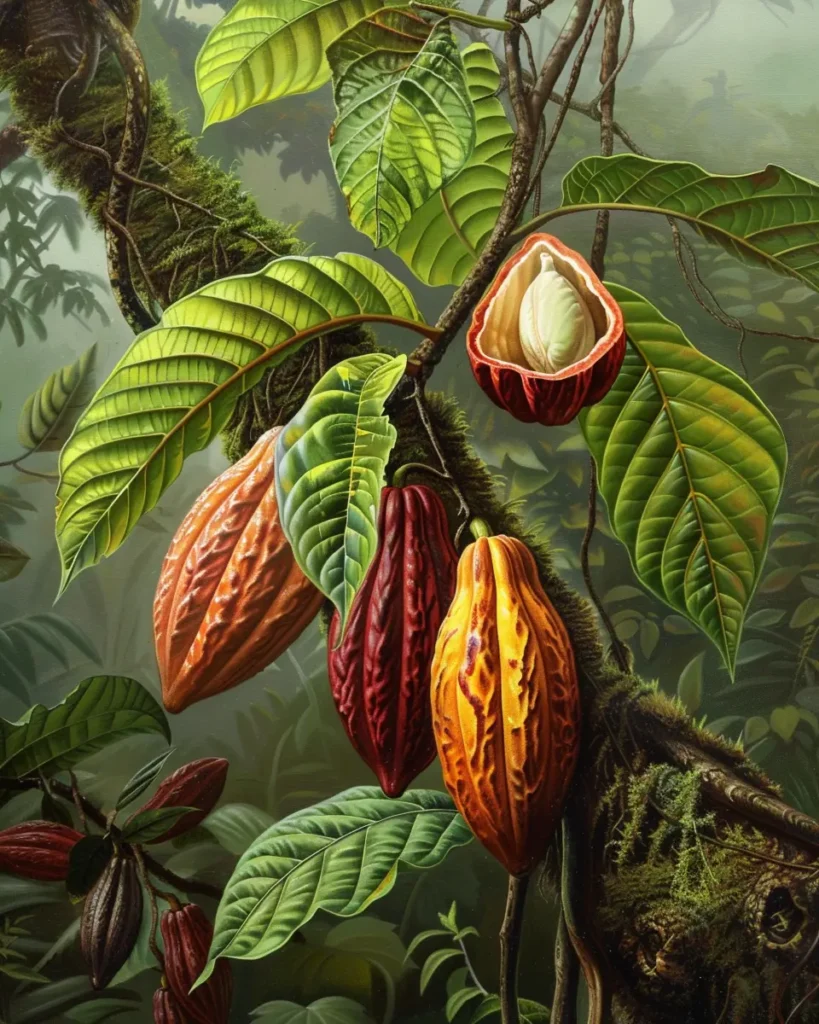
Cacao (Theobroma cacao)
Traditional Uses of Cacao
Mood & Nervous System: Cacao has traditionally been used as an uplifting, warming food that supports alertness, pleasure, and emotional comfort.
Circulation: Cocoa flavanols have been studied for vascular function, nitric oxide pathways, and blood pressure effects.
Energy & Vitality: Cacao contains theobromine and a small amount of caffeine, giving it a gentler, longer-lasting stimulation than coffee for many people.
Skin & Nourishment: Cocoa butter is traditionally used externally as a rich emollient for dry skin, while cacao powder and nibs provide minerals and plant polyphenols.
A Friendly Herbal Quote – Thought About Cacao
“Cacao is the bitter bean that somehow learned how to comfort the heart.”
Available Cacao Products
Cacao Capsules — Capsules/Tablets
A concentrated cacao supplement providing antioxidant support in an easy-to-take form for those who want the benefits without preparing a drink.
Buy Cacao Capsules
Ceremonial Cacao Paste — Paste/Drink Block
Minimally processed, stone-ground cacao paste from whole beans, traditionally melted into hot water or milk as a rich, ritual drinking chocolate.
Buy Ceremonial Cacao Paste
Raw Cacao Powder — Powder
Unsweetened, minimally processed powder made from ground cacao beans, used in smoothies, baking, and hot cacao drinks.
Buy Raw Cacao Powder
Cacao Nibs — Raw/Crushed Bean
Crushed, fermented cacao beans with a crunchy texture and intense chocolate flavor, eaten as a snack or added to smoothies, oatmeal, and baked goods.
Buy Cacao Nibs
⚠️ These are foods/dietary supplements — not evaluated by the FDA for treating disease. Cacao contains caffeine and theobromine, both stimulants, so it’s not recommended in large amounts during pregnancy, for children, or for those sensitive to caffeine. It may also interact with certain heart medications (MAO inhibitors). Check with a healthcare provider if you have concerns, especially with concentrated ceremonial-grade preparations, which are much stronger than typical cocoa powder.
Key Herbal Actions
Cacao is known as a nutritive, antioxidant, mild stimulant, mood-supportive nervine, circulatory-supportive herb, vasodilatory food, emollient, and bitter tonic.
Nutritive
Nutritive herbs and foods provide meaningful nutrients. Cacao contains magnesium, iron, potassium, copper, manganese, fiber, and beneficial plant compounds, though sweetened chocolate also brings sugar and calories.
Antioxidant
Cacao is rich in flavanols and other polyphenols studied for antioxidant activity. These compounds are one reason high-flavanol cocoa has attracted cardiovascular and metabolic research.
Mild Stimulant
Cacao contains theobromine and a smaller amount of caffeine. Theobromine is milder than caffeine for many people, but it can still feel stimulating, especially in sensitive individuals.
Mood-Supportive Nervine
In herbal language, nervines support the nervous system. Cacao’s pleasant taste, aroma, theobromine content, and cultural association with comfort explain why it is traditionally viewed as uplifting.
Circulatory-Supportive Herb
Cocoa flavanols have been studied for vascular function and nitric oxide-related effects. Research suggests flavanol-rich cocoa may have small short-term effects on blood pressure, but it is not a replacement for medical care.
Vasodilatory Food
Vasodilation means widening of blood vessels. Cocoa flavanols are studied for supporting nitric oxide availability, which helps explain cacao’s connection with vascular health.
Emollient
Cocoa butter is an emollient, meaning it softens and protects skin. It is thick, rich, and useful in body-care preparations where moisture needs a protective seal.
Bitter Tonic
Unsweetened cacao is naturally bitter. Bitter foods are traditionally used to support appetite and digestion, especially when taken in small amounts before or with food.
Active Compounds and Extraction
Cacao contains flavanols, epicatechin, catechin, procyanidins, theobromine, caffeine, cocoa butter triglycerides, polyphenols, phenolic acids, magnesium, iron, potassium, fiber, and aromatic compounds.
Flavanols
Flavanols are polyphenol compounds found in cacao, especially epicatechin, catechin, and procyanidins. They are studied for antioxidant activity, endothelial function, nitric oxide signaling, and cardiometabolic markers.
Best extraction: Cacao powder drinks, high-flavanol cocoa extracts, dark chocolate, and cacao nibs.
Simple cacao drink: Whisk 1–2 teaspoons unsweetened cacao powder into warm milk or a milk alternative. Avoid boiling for long periods, and sweeten lightly if desired.
Epicatechin
Epicatechin is one of cacao’s best-studied flavanols. It is strongly associated with research on blood vessel function and nitric oxide pathways.
Best extraction: Minimally processed cocoa powder, cacao nibs, high-flavanol cocoa products.
Practical method: Choose unsweetened or low-sugar cocoa products and look for less-alkalized options when flavanol content matters.
Catechin and Procyanidins
Catechin and procyanidins are related polyphenols that contribute to cacao’s bitter taste and antioxidant profile. They are part of the reason darker, more bitter cacao products are often richer in plant compounds.
Best extraction: Cacao powder, nibs, dark chocolate, hydroalcoholic extracts.
Food method: Add cacao nibs to oatmeal, yogurt, smoothies, or trail mix. The bitterness pairs well with cinnamon, vanilla, berries, nuts, and a little honey.
Theobromine
Theobromine is cacao’s main methylxanthine compound. It is chemically related to caffeine but usually feels gentler and longer-lasting; it has been studied for effects on alertness, vascular function, and smooth muscle activity.
Best extraction: Hot drinks, powder, nibs, chocolate, capsules, and extracts.
Simple method: Use cacao earlier in the day if you are sensitive to stimulation. Evening cacao sounds cozy until your brain decides to reorganize the pantry at midnight.
Caffeine
Cacao contains smaller amounts of caffeine than coffee, but it can still matter for sensitive people. Dark chocolate and concentrated cacao products may be stimulating.
Best extraction: Hot water, food use, and extracts.
Practical note: People with anxiety, insomnia, palpitations, or caffeine sensitivity may do better with smaller servings.
Cocoa Butter Triglycerides
Cocoa butter is rich in fats, including stearic, oleic, and palmitic acids. It gives chocolate its smooth texture and makes cocoa butter useful in topical skin preparations.
Best extraction: Pressing cacao beans.
Skin-care method: Melt cocoa butter gently with a carrier oil using low heat, then pour into a clean jar for a simple body balm. Patch test before broad use.
Magnesium and Minerals
Cacao provides minerals such as magnesium, copper, manganese, iron, and potassium. Mineral content varies by product, soil, processing, and serving size.
Best extraction: Whole-food use: nibs, powder, and dark chocolate.
Food method: Use unsweetened cacao powder in smoothies, oatmeal, or warm drinks as part of a balanced diet.
Fiber
Cacao powder contains dietary fiber, especially when compared with many sweetened chocolate products. Fiber supports digestive regularity and helps make cacao powder more food-like than candy-like.
Best extraction: Whole cacao powder and nibs.
Simple method: Add 1 teaspoon cacao powder to oatmeal or smoothies and increase gradually if your digestion is sensitive.
Harvesting and Storing Right
Cacao pods grow directly from the trunk and branches of the cacao tree. When ripe, the pods are harvested, opened, and the seeds are fermented with their sweet pulp for several days. After fermentation, the beans are dried, roasted or processed, cracked into nibs, and then pressed or ground into different products.
Cacao nibs: Store airtight, cool, dry, and away from light. Best quality is usually within 6–12 months after opening.
Cacao powder: Store in an airtight container away from moisture and heat. Best quality is usually within 1–2 years.
Dark chocolate: Store cool and dry, ideally around 60–70°F, away from strong smells. Avoid refrigeration unless needed in hot climates.
Cocoa butter: Store tightly closed away from heat and light. Best quality is often within 1–2 years.
Cacao tincture: Store in dark glass in a cool place. Alcohol extracts may keep for several years.
Cacao capsules/extracts: Follow the product label and expiration date.
Body Functions Cacao can Support
Cacao can support the nervous system, brain, circulation, energy and vitality, digestion system, skin, metabolism, and muscles and joints.
Nervous System
Cacao’s theobromine and small caffeine content make it gently stimulating for many people. Its aroma, flavor, and traditional ceremonial use also connect it with mood and emotional comfort.
Brain
Cocoa flavanols have been studied for blood flow and cognitive performance, though results vary by study design, dose, and product type. Cacao is best understood as a supportive food-herb, not a cognitive treatment.
Circulation
Cocoa flavanols are studied for endothelial function and nitric oxide-related vasodilation. Reviews suggest flavanol-rich cocoa may have small short-term blood-pressure effects, but chocolate high in sugar and fat is not the same as a high-flavanol cocoa preparation.
Energy and Vitality
Theobromine gives cacao its gentle lift. People who find coffee too sharp may still enjoy cacao, though sensitive individuals can feel overstimulated.
Digestion System
Unsweetened cacao is bitter and contains fiber, both of which connect it to traditional digestive support. However, sweet chocolate, dairy-rich hot cocoa, or large servings may bother reflux or sensitive digestion.
Skin
Cocoa butter is a classic topical emollient for dry skin. Internally, cacao flavanols have been studied for skin blood flow and photoprotection, but this research should not be turned into a promise that chocolate protects skin from sun damage.
Metabolism
Cocoa flavanols have been studied for select cardiometabolic markers, including insulin sensitivity and lipid measures. The best research usually involves controlled cocoa flavanol intake, not sugary chocolate eaten without limits.
Muscles and Joint
Cacao provides magnesium and polyphenols, which support general nourishment and antioxidant activity. It is not a joint remedy, but it can be part of a nutrient-rich diet that supports overall muscle function.
Safety and Practical Considerations
Cacao is generally safe for many people in food amounts, but concentrated extracts and large servings deserve caution. Cacao contains theobromine and caffeine, which can contribute to insomnia, anxiety, palpitations, headaches, reflux, or jitteriness in sensitive people.
Cacao may interact with stimulant medications, some heart medications, blood pressure medications, diabetes medications, MAOIs, and other medications affected by caffeine-like compounds. People with arrhythmias, severe anxiety, insomnia, reflux, migraines triggered by chocolate, kidney disease, or cardiovascular conditions should use caution.
Dark chocolate can be high in calories, sugar, saturated fat, and sometimes heavy metals such as cadmium or lead depending on sourcing and processing. Choose reputable brands, rotate foods, and keep servings moderate.
Pregnant or breastfeeding people should consider total caffeine and methylxanthine intake from coffee, tea, chocolate, and supplements. Children and older adults may be more sensitive to stimulation.
Cacao and chocolate are unsafe for dogs and many pets because theobromine can be toxic to them. Keep chocolate products away from animals.
FAQ
What does cacao taste like?
Cacao tastes bitter, earthy, rich, slightly fruity, and aromatic. The less sugar it contains, the more you notice its natural bitterness.
When is the best time to use cacao?
Cacao is often best earlier in the day or afternoon because of theobromine and caffeine. Sensitive people may want to avoid it close to bedtime.
Is cacao or cocoa better?
The terms are often used differently by brands. Less processed cacao or natural cocoa may contain more flavanols, while Dutch-processed cocoa is smoother but often lower in flavanols.
Is cacao powder, nibs, or dark chocolate better?
Cacao powder is versatile and lower in fat than chocolate. Nibs are crunchy and less processed, while dark chocolate is enjoyable but often includes sugar and added ingredients.
Can cacao be used daily?
Many people can enjoy modest food amounts regularly. Daily concentrated cacao extracts or large chocolate servings should be used thoughtfully, especially if you are sensitive to stimulants.
How should cacao be stored?
Store cacao powder and nibs in airtight containers away from heat, light, and moisture. Chocolate should be kept cool and dry, away from strong odors.
Does cacao combine well with other herbs?
Yes. Cacao combines beautifully with cinnamon, cardamom, ginger, vanilla, cayenne, rose, ashwagandha, maca, mint, orange peel, and reishi.
Is cacao safe for everyone?
No. People with caffeine sensitivity, reflux, migraines triggered by chocolate, heart rhythm concerns, anxiety, insomnia, or medication use should be cautious.
Can cacao be used for pets?
No. Cacao and chocolate should not be given to pets. Theobromine can be toxic to dogs and other animals, so keep cacao products safely out of reach.
Is cacao the same as chocolate?
Not exactly. Cacao is the plant and its less processed bean products, while chocolate is a prepared food made from cocoa solids, cocoa butter, sweetener, and sometimes milk or flavorings.
Disclaimer
This content is educational only. It is not medical advice, diagnosis, or treatment. Herbs may interact with medications or health conditions. People who are pregnant, breastfeeding, managing a medical condition, taking prescription medications, or preparing for surgery should consult a qualified healthcare professional before using herbs.
References
PubMed Central: The Health Effects of Chocolate and Cocoa
PubMed Central: Effect of Cocoa on Blood Pressure
PubMed Central: The Neuroprotective Effects of Cocoa Flavanol
PubMed: Cocoa Flavanol Intake and Biomarkers for Cardiometabolic Health
PubMed: Influence of Piperine on the Pharmacokinetics of Curcumin
PubMed: Exploring Cocoa Properties: Is Theobromine a Cognitive Modulator?