


Ashwagandha is a small shrub in the nightshade family, traditionally valued for its root. The name is often translated as “smell of the horse,” referring to the root’s strong earthy scent and its traditional association with strength and stamina. Do not worry, a proper cup of ashwagandha tea does not require a horse or smell like a barn on purpose.
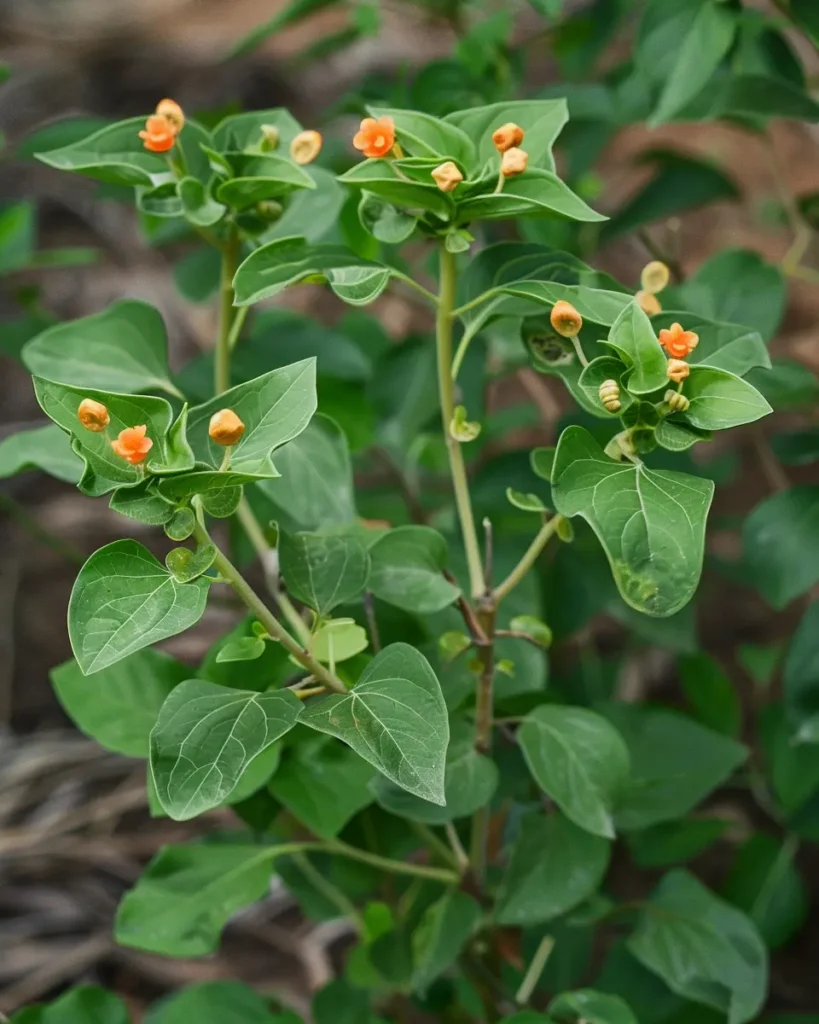
Ashwagandha (Withania somnifera) – Common names include ashwagandha, Indian ginseng, winter cherry, and withania. In Ayurveda, ashwagandha is one of the best-known rasayana herbs, traditionally used to support vitality, resilience, sleep, and recovery from stress.
Traditional uses of ashwagandha:
Stress Support: Ashwagandha is traditionally used as an adaptogen, meaning it supports the body’s natural resilience during periods of stress.
Sleep Support: It is often used when stress, tension, or mental overactivity affects sleep rhythm.
Energy & Vitality: Ashwagandha is traditionally used as a restorative tonic when fatigue, depletion, or burnout-like patterns are present.
Nervous System Support: Herbalists often choose ashwagandha when the nervous system feels tired, tense, and undernourished rather than simply overstimulated.
Ashwagandha is not a quick “energy button.” It is more like a slow, steady root that helps the body remember how to rebuild.
“Ashwagandha is the root that whispers, ‘You can be strong without running on empty.”
Available Ashwagandha Products
Ashwagandha Capsules (KSM-66) — Capsules/Tablets
A standardized root extract supplement, clinically studied for helping reduce cortisol and perceived stress, commonly used for stress and energy support.
Buy Ashwagandha Capsules
Ashwagandha Gummies — Gummies
A chewable, flavored alternative to capsules for those who don’t like swallowing pills, combining ashwagandha with calming or mood-support ingredients.
Buy Ashwagandha Gummies
Ashwagandha Liquid Extract Drops — Tincture/Liquid Drops
A concentrated liquid root extract taken in drop form, offering an alcohol-free way to support mood, stress, and vitality.
Buy Ashwagandha Liquid Drops
Ashwagandha Root Powder — Powder
Raw, ground root powder that blends into smoothies, warm milk (“moon milk”), or coffee — a traditional Ayurvedic way of taking the herb.
Buy Ashwagandha Root Powder
Ashwagandha Tea — Tea Bags
A caffeine-free herbal tea made from pure ashwagandha root, offering an earthy, grounding way to incorporate the adaptogen into a daily ritual.
Buy Ashwagandha Tea
Ashwagandha Dried Root (Cut & Sifted) — Raw/Dried Herb
Whole dried, cut root pieces for brewing your own infusions or making homemade tinctures and blends.
Buy Ashwagandha Dried Root
⚠️ These are dietary supplements — not evaluated by the FDA for treating disease. Ashwagandha is generally not recommended during pregnancy or breastfeeding, and may interact with thyroid medications, sedatives, or immunosuppressants. It belongs to the nightshade family, so those with nightshade sensitivities should be cautious. Check with a healthcare provider before use, especially if you have a thyroid condition or take other medications.
Key Herbal Actions
Ashwagandha is known as an adaptogen, nervine tonic, rasayana, mild sedative, anxiolytic-supportive herb, anti-inflammatory-supportive herb, immunomodulating-supportive herb, endocrine-supportive herb, antioxidant, restorative tonic, and reproductive tonic.
Adaptogen
An adaptogen is an herb traditionally used to support resilience during stress. Ashwagandha is one of the best-known adaptogens. It is often chosen when stress is paired with fatigue, poor recovery, tension, or feeling depleted.
Nervine Tonic
A nervine tonic supports the nervous system over time. Ashwagandha is not usually used as a quick calming herb like passionflower or skullcap. It is more restorative, especially when stress has worn down the system.
Rasayana
In Ayurveda, rasayana herbs are traditionally used to support rejuvenation, vitality, strength, and healthy aging. Ashwagandha is a classic rasayana. This traditional category is broader than a single modern health claim.
Mild Sedative
Ashwagandha can feel calming or sleep-supportive for some people. It is not a strong sedative for everyone, but it may support sleep quality when stress is part of the picture. Some people feel relaxed; others may feel heavy or even slightly stimulated, depending on constitution and dose.
Anxiolytic-Supportive Herb
Ashwagandha has been studied in humans for stress and anxiety-related symptoms, with several studies suggesting benefit. Evidence is promising but not perfect, and product types vary. It should not replace mental health care.
Anti-inflammatory-Supportive Herb
Ashwagandha contains withanolides and other compounds studied for effects on inflammation-related pathways. This supports traditional use in musculoskeletal and stress-related formulas. It does not mean ashwagandha treats inflammatory disease.
Immunomodulating-Supportive Herb
Ashwagandha is traditionally used to support immune resilience, especially during stress and depletion. Some research explores immune-related effects. People with autoimmune conditions or those taking immunosuppressive medications should use caution.
Endocrine-Supportive Herb
Ashwagandha has been studied for effects on thyroid hormones, cortisol, testosterone, fertility markers, and stress hormones. This is one reason it can be useful but also why it is not appropriate for everyone. Hormone-sensitive situations require professional guidance.
Antioxidant
Ashwagandha contains withanolides, flavonoids, phenolics, and other compounds studied for antioxidant activity. Antioxidants help protect cells from oxidative stress. This supports its reputation as a restorative tonic.
Restorative Tonic
A restorative tonic is used to rebuild strength and resilience gradually. Ashwagandha is often used when someone feels depleted rather than simply tense. It is a slow-root herb, not a “take once and transform your life by Tuesday” herb.
Reproductive Tonic
Ashwagandha has traditional use in reproductive vitality formulas, especially male reproductive support in Ayurveda. Human studies have explored sperm parameters and testosterone markers. This use requires caution with hormone-sensitive conditions and pregnancy.
Active Compounds and Extraction
Ashwagandha contains withanolides, withaferin A, withanolide A, withanosides, sitoindosides, alkaloids, steroidal lactones, flavonoids, phenolic compounds, iron, amino acids, polysaccharides, and starches.
Withanolides
Withanolides are steroidal lactones considered key marker compounds in ashwagandha. They are studied for stress, inflammation-related, immune, neurological, and endocrine activity. The amount varies widely by plant part, extract type, and standardization.
Best extraction: Alcohol-water tincture, standardized extract, powder.
For a traditional approach, powdered root can be used in warm milk or water. For a stronger extract, alcohol-water tincture or standardized capsules provide more concentrated withanolide exposure.
Withaferin A
Withaferin A is one of the most studied withanolides. It is found more prominently in leaves than roots, though amounts vary. It has strong biological activity in laboratory research, which is why root-and-leaf extracts may differ from traditional root-only preparations.
Best extraction: Alcohol-water extract, standardized extract.
Because withaferin A can be potent, products high in leaf extract should be used cautiously. Root-only preparations may be gentler and more traditional.
Withanolide A
Withanolide A is another important withanolide studied in relation to nervous system, stress, and cellular protection research. It contributes to ashwagandha’s adaptogenic profile. Like other withanolides, it is affected by extraction method and product quality.
Best extraction: Alcohol-water extract, tincture, standardized extract.
A tincture or standardized extract is better for this compound than a quick tea. Whole-root powder provides a broader traditional preparation.
Withanosides
Withanosides are glycosylated withanolides found in ashwagandha root. They are studied for antioxidant, stress-related, and neuroprotective mechanisms. They contribute to the root’s restorative reputation.
Best extraction: Alcohol-water tincture, powder, standardized root extract.
Powdered root is a practical traditional form. Extracts may provide higher levels but require more safety attention.
Sitoindosides
Sitoindosides are compounds associated with ashwagandha’s adaptogenic research. They have been studied for anti-stress and antioxidant activity. They are part of the whole-root profile rather than isolated “magic molecules.”
Best extraction: Powder, alcohol-water extract, standardized extract.
Traditional milk preparations and powders may provide a broad compound range, while standardized extracts focus on marker compounds.
Alkaloids
Ashwagandha contains alkaloids such as anaferine, anahygrine, cuscohygrine, and others in small amounts. Alkaloids are biologically active plant compounds and may contribute to the herb’s nervous system and physiological effects. Their presence is one reason dosage and safety matter.
Best extraction: Alcohol-water tincture, extract.
Alcohol-water extraction captures alkaloids more broadly than water alone. Concentrated extracts should be used with caution.
Steroidal Lactones
Withanolides belong to the broader group of steroidal lactones. These compounds are central to ashwagandha’s pharmacological interest. They may influence stress, immune, endocrine, and inflammatory pathways.
Best extraction: Tincture, extract, powder.
A root decoction is traditional, but alcohol-water extraction is often better for a broad range of steroidal lactones.
Flavonoids and Phenolic Compounds
Ashwagandha contains antioxidant flavonoids and phenolic compounds. These support cellular protection and overall tissue resilience. They are not the main focus of ashwagandha, but they contribute to the herb’s whole-plant activity.
Best extraction: Decoction, tincture, glycerite.
A decoction extracts some water-soluble antioxidant compounds. A tincture extracts a broader range.
Polysaccharides
Polysaccharides are larger water-soluble compounds that may contribute to immune and restorative activity. They are part of the root’s nourishing profile. These compounds are better extracted with water than alcohol alone.
Best extraction: Decoction, long simmer, powder.
Simmering ashwagandha root for 10–20 minutes extracts water-soluble polysaccharides. Powdered root also provides these compounds when consumed whole.
Iron and Minerals
Ashwagandha root may contain minerals, including iron, depending on soil and growing conditions. It should not be treated as an iron supplement. Its nutritive value is best understood as part of the whole-root tonic profile.
Best extraction: Powder, decoction.
Consuming root powder gives more whole-root material. Decoction extracts some water-soluble minerals.
Starches
Ashwagandha root contains starches and other root carbohydrates. These contribute to its dense, earthy nature and traditional use in nourishing preparations. Milk preparations may soften its bitterness and make it feel more tonic.
Best extraction: Decoction, powder, milk preparation.
To make an ashwagandha milk drink, simmer ½ to 1 teaspoon powder in 1 cup milk or milk alternative for 5–10 minutes, then cool slightly and add honey or spices if desired.
Harvesting and Storing Right
Ashwagandha root is usually harvested after the plant has matured, often about 150–180 days after planting, when berries are formed and leaves begin to dry. The root is the main medicinal part and is typically harvested in dry weather.
The best time to harvest is when the plant is mature and the soil is not overly wet. Roots should be washed, cut, and dried thoroughly. Good airflow is important because thick roots can hold moisture.
Store dried ashwagandha root in an airtight container away from heat, light, and moisture. Cut root usually keeps good quality for 2–3 years. Powder is best used within 6–12 months. Tinctures and extracts may remain stable for several years when properly stored. Prepared decoctions should be refrigerated and used within 24–48 hours.
Body Functions Ashwagandha Can Support
Ashwagandha can support stress support, nervous system, sleep, adrenal, energy and vitality, brain, muscles and joint, reproductive system male, reproductive system female, thyroid support, immune system, metabolism, and circulation.
Stress Support
Ashwagandha is best known as a stress-support herb. Human studies suggest it may help support perceived stress, cortisol balance, and stress-related quality of life in some adults. Results vary by extract, dose, and individual response.
Nervous System
Ashwagandha acts as a restorative nervine in traditional herbalism. It is often used when the nervous system feels tired, tense, depleted, or overworked. Withanolides, withanosides, and other compounds may contribute to nervous system support.
Sleep
Ashwagandha has been studied for sleep quality and sleep onset in some human trials. It may be especially useful when sleep disruption is connected with stress. Some people find it calming, while others do better taking it earlier in the day.
Adrenal
In herbal language, ashwagandha is often described as supporting adrenal resilience because of its adaptogenic role in stress response. This does not mean it treats adrenal disease. People with endocrine conditions should use it only with professional guidance.
Energy and Vitality
Ashwagandha is traditionally used as a tonic for strength, stamina, and recovery. It does not stimulate like caffeine. Its energy support is more restorative and may build gradually over weeks.
Brain
Ashwagandha has been studied for memory, cognition, stress response, and neuroprotective mechanisms. Some research suggests possible support for cognitive function and mental well-being, but evidence is still developing. It should be framed as supportive, not therapeutic for neurological disease.
Muscles and Joint
Ashwagandha has been studied in exercise and strength contexts, including muscle strength, recovery, and body composition markers. Traditional use also includes musculoskeletal resilience. This does not mean it replaces training, nutrition, rest, or medical care.
Reproductive System Male
Ashwagandha has traditional use in male reproductive vitality formulas. Human studies have explored sperm parameters, testosterone, and fertility-related markers. People using fertility treatments or hormone-related medications should consult a healthcare professional.
Reproductive System Female
Ashwagandha may support stress resilience and vitality in women, but reproductive use requires caution. It should be avoided during pregnancy unless specifically guided by a qualified professional. People with hormone-sensitive conditions should not self-use concentrated extracts.
Thyroid Support
Ashwagandha has been studied for effects on thyroid hormone levels, and some reports suggest it may increase thyroid activity in certain people. This may be relevant for some, but risky for others. People with hyperthyroidism, autoimmune thyroid disease, thyroid nodules, or thyroid medication use should seek medical guidance before using it.
Immune System
Ashwagandha may support immune resilience through stress regulation and immunomodulating activity. People with autoimmune conditions or those taking immunosuppressive drugs should be cautious. Immune modulation is not the same as “boosting,” and stronger is not always better.
Metabolism
Some studies explore ashwagandha’s effects on blood sugar, lipids, stress-related eating, and body composition. Evidence is promising but mixed. It is best viewed as supportive within a broader lifestyle plan.
Circulation
Ashwagandha may indirectly support circulation through stress, inflammation-related pathways, and metabolic markers. It is not a primary cardiovascular herb. People taking blood pressure or heart medications should use caution with concentrated products.
Safety and Practical Considerations
Ashwagandha is widely used, but it is not appropriate for everyone.
Avoid ashwagandha during pregnancy unless specifically directed by a qualified healthcare professional. It is traditionally considered contraindicated in pregnancy by many sources because of concerns about possible uterine stimulation or miscarriage risk. Breastfeeding safety data is limited, so professional guidance is recommended.
People with thyroid conditions should use caution. Ashwagandha may affect thyroid hormone levels and may not be appropriate for hyperthyroidism, Graves’ disease, thyroid medication use, or unstable thyroid conditions.
People with autoimmune diseases should consult a healthcare professional before using ashwagandha because it may affect immune activity. This includes conditions such as rheumatoid arthritis, lupus, multiple sclerosis, Hashimoto’s thyroiditis, and others.
Ashwagandha may interact with sedatives, sleep medications, anti-anxiety medications, alcohol, thyroid medications, blood sugar medications, blood pressure medications, immunosuppressants, and other prescriptions.
Rare cases of liver injury have been reported with ashwagandha products. Stop use and seek medical care if symptoms such as yellowing skin or eyes, dark urine, severe fatigue, persistent nausea, abdominal pain, or itching occur.
People with liver disease should avoid ashwagandha unless guided by a qualified healthcare professional. People preparing for surgery should discuss use with their healthcare team, especially because of possible sedative, thyroid, blood sugar, and blood pressure effects.
Common side effects may include stomach upset, diarrhea, nausea, drowsiness, headache, or vivid dreams. Some people feel heavy or emotionally flat on it; others feel better. Herbs have personalities, and so do people.
Children, older adults, and sensitive individuals need extra caution. Pet use should be guided by a veterinarian or qualified animal herbalist.
FAQ
What does ashwagandha taste like?
Ashwagandha tastes earthy, bitter, slightly musky, and root-like. The flavor is not delicate. It is often blended with milk, cacao, cinnamon, cardamom, ginger, or honey to make it more pleasant.
When is the best time to use ashwagandha?
Some people take ashwagandha in the evening for sleep support, while others take it in the morning or afternoon for stress resilience. If it makes you drowsy, evening may be better. If it feels stimulating or gives vivid dreams, take it earlier in the day or reconsider whether it suits you.
Is ashwagandha root or leaf better?
Traditional use focuses mainly on the root. Leaf extracts may have different chemistry and may contain higher levels of withaferin A. For gentle traditional use, root-only products are often preferred.
Is ashwagandha tea, tincture, capsule, or powder better?
Powder and decoction are traditional and food-like. Tinctures and capsules are convenient. Standardized extracts are stronger and may be useful in research-based products, but they require more safety awareness.
Can ashwagandha be used daily?
Ashwagandha is often used daily for limited periods in studies and traditional practice, but daily use is not suitable for everyone. People with pregnancy, breastfeeding, thyroid disease, autoimmune disease, liver disease, medication use, or surgery plans should seek professional guidance. It is not a “forever herb” for everyone.
How should ashwagandha be stored?
Store dried root or powder in an airtight container away from light, heat, and moisture. Powder loses freshness faster than cut root. Tinctures and extracts should be stored tightly closed in a cool, dark place.
Does ashwagandha combine well with other herbs?
Yes. Ashwagandha combines well with tulsi, oat straw, licorice root, shatavari, ginger, cinnamon, cardamom, cacao, passionflower, and reishi. For sleep formulas, it may pair with passionflower or skullcap. For stress support, it pairs nicely with holy basil.
Is ashwagandha safe for everyone?
No. Ashwagandha is not appropriate for pregnancy, and it may not be appropriate for thyroid disorders, autoimmune disease, liver disease, medication use, breastfeeding, or upcoming surgery. Safety depends heavily on the person and the product.
Can ashwagandha be used for pets?
Ashwagandha appears in some animal wellness formulas, but pet use should be guided by a veterinarian or qualified animal herbalist. Animals metabolize herbs differently than humans. Do not give ashwagandha extracts or human supplements to pets without professional guidance.
Is ashwagandha the same as ginseng?
No. Ashwagandha is sometimes called Indian ginseng, but it is not true ginseng. True ginseng usually refers to Panax ginseng or Panax quinquefolius. They have different chemistry, energetics, and traditional uses.
Disclaimer
This content is educational only. It is not medical advice, diagnosis, or treatment. Herbs may interact with medications or health conditions. People who are pregnant, breastfeeding, managing a medical condition, taking prescription medications, or preparing for surgery should consult a qualified healthcare professional before using herbs.
References
Memorial Sloan Kettering Cancer Center: Ashwagandha
Health Canada: Ashwagandha Monograph
PMC: An Overview on Ashwagandha – A Rasayana of Ayurveda
PMC: Scientific Basis for the Therapeutic Use of Withania somnifera
PubMed: Ashwagandha Root Extract in Adults with Stress and Anxiety – Systematic Review
PubMed: Ashwagandha and Sleep – Systematic Review and Meta-Analysis