


Oat is both a familiar food and a respected herb. Most people know oats as breakfast, but herbalists also use the green aerial parts, oat straw, and fresh milky oat tops as gentle restorative herbs for the nervous system, stress support, sleep rhythm, skin, and mineral nourishment.
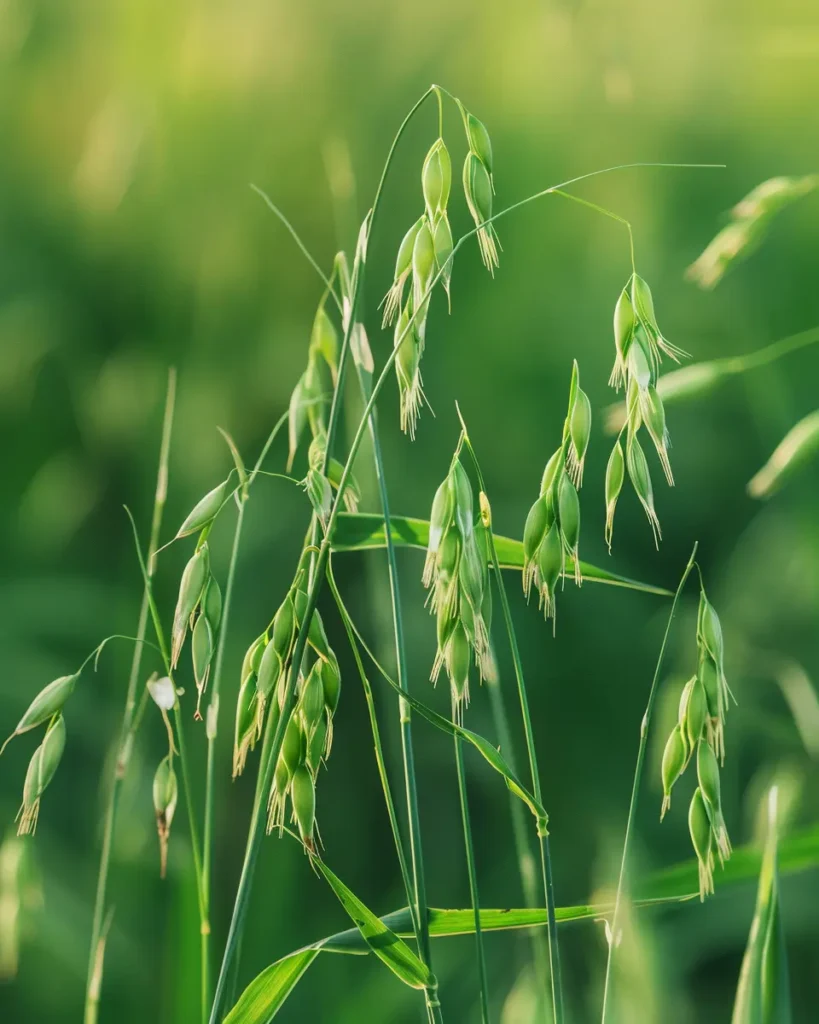
Oat (Avena sativa)
Traditional uses of oat:
Nervous System Support: Milky oat tops and green oat herb are traditionally used as gentle nervines, especially when someone feels depleted, tense, or “wired but tired.”
Stress & Sleep Support: European herbal tradition recognizes oat herb for mild symptoms of mental stress and to aid sleep based on long-standing use.
Skin Comfort: Colloidal oatmeal is widely used in baths, lotions, and creams for dry, itchy, or irritated skin.
Heart & Metabolic Wellness: Oat grain and oat bran are rich in beta-glucan, a soluble fiber studied for cholesterol and blood sugar support as part of a balanced diet.
Oat is the herb equivalent of a calm person who also brings snacks.
“Oat is quiet strength in plant form: nourishing, steady, and kind to tired nerves.”
Available Oat Products
Dried Oat Straw
Dried oat straw is made from the green stems and leaves of Avena sativa. It is commonly used in long infusions, mineral-rich teas, baths, and hair rinses. Good oat straw should look greenish, smell fresh and grassy, and not appear gray, dusty, or musty.
Oat straw is often chosen when someone wants a slow, nourishing herb rather than a strong fast-acting preparation.
Milky Oat Tops
Milky oat tops are the immature oat seeds harvested during the brief “milky” stage, when a white milky liquid appears if the seed is squeezed. This stage is short, which makes fresh milky oat preparations more specialized. Herbalists often use milky oat tops as a restorative nervous system tonic.
Green Oat Herb
Green oat herb refers to the fresh or dried aerial parts harvested before flowering. This is the form described in the European herbal monograph for traditional use in mild mental stress and sleep support. It may be prepared as tea, tincture, or liquid extract.
Oat Tincture
Oat tincture may be made from fresh milky oat tops or green oat herb. Fresh milky oat tincture is valued by herbalists because the fresh stage is difficult to preserve in dried form. Tincture is practical when someone wants a shelf-stable preparation.
Oat Capsules
Oat capsules may contain oat straw powder, green oat extract, oat bran, or beta-glucan-rich oat fiber. Labels should be checked carefully because “oat” products can mean very different things. Oat straw capsules are not the same as oat beta-glucan capsules.
Oat Glycerite
Oat glycerite is an alcohol-free liquid preparation, often made from milky oat tops or oat straw. It can be useful for people avoiding alcohol. Because oat is gentle and slightly sweet, glycerites can be pleasant and easy to use.
Oat Powder
Oat powder may refer to powdered oat straw, oat flour, oat bran, or colloidal oatmeal. These are not interchangeable. Oat straw powder is used as an herb, oat flour and bran are foods, and colloidal oatmeal is a finely prepared topical skin ingredient.
Colloidal Oatmeal
Colloidal oatmeal is finely ground oat material processed for use in baths, creams, lotions, and skin products. It forms a soothing coating on the skin and is commonly used for dryness, itching, and irritation. It is for external use unless a product specifically says otherwise.
Oat Bran
Oat bran is the outer layer of the oat grain and is especially rich in beta-glucan soluble fiber. It is used as food, not usually as a classic herbal tea ingredient. Oat bran is often added to cereals, muffins, smoothies, and porridge.
Rolled Oats, Steel-Cut Oats, and Oat Groats
These are food forms of oat grain. They provide fiber, minerals, protein, and beta-glucan. They are best understood as nourishing foods rather than herbal extracts.
Key Herbal Actions
Oat is known as a nervine, nutritive tonic, trophorestorative, demulcent, emollient, antioxidant, mild relaxant, vulnerary, and soluble-fiber-rich food herb.
Nervine
A nervine is an herb traditionally used to support the nervous system. Milky oat tops and green oat herb are classic gentle nervines. They are not heavy sedatives; they are more like steady nourishment for an overworked system.
Nutritive Tonic
A nutritive tonic is an herb or food used regularly to support general nourishment. Oat straw is traditionally valued for minerals and a gentle building quality. Oat grain and oat bran also provide fiber, protein, and micronutrients.
Trophorestorative
A trophorestorative is traditionally understood as an herb that helps restore function to a specific tissue or system over time. In herbalism, milky oats are often described as trophorestorative to the nervous system. This is a traditional concept rather than a quick “take it once and feel it forever” effect.
Demulcent
Demulcent herbs contain compounds that feel softening or soothing to tissues. Oats contain soluble fibers and polysaccharides that can become gel-like in water. This is especially relevant to oat grain, oat bran, and topical colloidal oatmeal.
Emollient
An emollient softens and protects the skin. Colloidal oatmeal is a classic external emollient because it helps form a protective, soothing layer on the skin. This is one reason oat baths are so popular for dry or itchy skin.
Antioxidant
Oats contain antioxidant compounds, including avenanthramides, which are unique polyphenols found mainly in oats. These compounds are studied for antioxidant and anti-inflammatory activity. They are especially relevant to whole oat foods and oat-based skin care.
Mild Relaxant
Oat herb is traditionally used to support relaxation and sleep rhythm. It is mild and nourishing rather than strongly sedating. This makes it useful in formulas where calm support is wanted without heaviness.
Vulnerary
A vulnerary herb is traditionally used to support tissue comfort and repair. Topical oat preparations, especially colloidal oatmeal, are used for skin that feels dry, itchy, or irritated. Oat’s softening and protective qualities are the main reason.
Soluble-Fiber-Rich Food Herb
Oat grain and oat bran contain beta-glucan, a soluble fiber that forms a gel in the digestive tract. This fiber is studied for supporting healthy cholesterol levels and post-meal blood sugar response as part of a balanced diet. This is food-as-medicine territory, but still not a replacement for medical care.
Active Compounds and Extraction
Oat contains beta-glucans, avenanthramides, saponins, flavonoids, silica and minerals, starches, proteins including avenins, fatty acids, polysaccharides, and small amounts of alkaloids such as gramine in green plant parts.
Beta-Glucans
Beta-glucans are soluble fibers found especially in oat grain and oat bran. They absorb water and form a gel-like texture in the digestive tract. Oat beta-glucan is studied for cholesterol support, and about 3 grams per day is the amount commonly associated with approved heart-health claims in several regulatory systems.
Best extraction: Food preparation, porridge, oat bran, overnight oats, decoction.
To prepare beta-glucan-rich oats, cook rolled oats or oat bran in water until creamy. For overnight oats, soak rolled oats in milk or water for several hours. The thick texture is the soluble fiber doing its job.
Avenanthramides
Avenanthramides are unique polyphenols found mainly in oats. They are studied for antioxidant and anti-inflammatory activity, especially in relation to skin and cardiovascular wellness. They are one of the compounds that make oat more interesting than “just beige breakfast.”
Best extraction: Food use, water extraction, topical colloidal oatmeal.
Whole oat foods and colloidal oatmeal are practical ways to use avenanthramide-containing oat preparations. For skin, colloidal oatmeal baths or lotions are the most common forms.
Saponins
Oats contain triterpenoid saponins, including avenacosides. Saponins are plant compounds that can foam slightly in water and may contribute to oat’s traditional nervous system and immune-supportive reputation. In oats, they occur in the broader matrix of fibers, minerals, and polyphenols.
Best extraction: Water-alcohol extract, tincture, infusion.
Fresh milky oat tincture or green oat tincture may extract saponins more effectively than plain water alone. A long oat straw infusion can still capture water-soluble components.
Flavonoids
Flavonoids are antioxidant plant compounds. In oat herb, they contribute to the plant’s broader tissue-supportive activity. They are not the main reason people use oats, but they add to the whole-plant profile.
Best extraction: Hot infusion, tincture, glycerite.
To make oat straw infusion, use about 1 ounce dried oat straw per quart of hot water. Steep covered for 4–8 hours, then strain. This long steep is often used when the goal is mineral-rich nourishment.
Silica and Minerals
Oat straw is traditionally valued for minerals, including silica, calcium, magnesium, and trace minerals, though amounts vary by soil and growing conditions. Silica is associated with connective tissue structure in the body. Herbalists often use oat straw as a slow nutritive herb for bones, hair, nails, and nervous system nourishment.
Best extraction: Long hot infusion.
A long infusion is preferred because minerals need more time to extract. Pour hot water over dried oat straw, cover, steep several hours, then strain.
Starches
Oat grain contains starches that provide slow-release carbohydrates. When cooked, these starches help create oatmeal’s creamy texture. They are part of oat’s role as a sustaining food.
Best extraction: Cooking, porridge, baking.
Cook oats thoroughly in water or milk. For easier digestion, some people prefer soaked or well-cooked oats rather than dry oat products.
Proteins and Avenins
Oats contain proteins, including avenins. Avenins are structurally different from wheat gluten but may still be problematic for some people with celiac disease or oat sensitivity. Cross-contamination with wheat, barley, or rye is also a major concern unless oats are certified gluten-free.
Best extraction: Food use.
Protein is consumed when oat grain is eaten. It is not the main focus of oat straw tea or topical colloidal oatmeal.
Fatty Acids
Whole oats and oat germ contain small amounts of fats, including unsaturated fatty acids. These contribute to the nutritional value of oat foods. Because fats can oxidize, oat flour and oat bran should be stored carefully.
Best extraction: Whole food use.
Eat oats as food, and store oat bran or oat flour in a cool place. Refrigeration can help preserve freshness.
Polysaccharides
Oats contain water-soluble polysaccharides that contribute to their soothing texture. These compounds are relevant both internally as fiber and externally in skin preparations. They help explain why oat baths feel soft and coating.
Best extraction: Water extraction, bath, topical preparation.
For an oat bath, place colloidal oatmeal or finely ground oats in warm bath water and soak. If using whole oats, tie them in a muslin bag so you do not create plumbing drama.
Harvesting and Storing Right
Oat straw is harvested when the plant is still green, often before the seed fully matures. Milky oat tops must be harvested during the short milky stage, when squeezing the immature seed releases a white, milky fluid. This stage may last only about a week, so timing matters.
The best time of day to harvest oat herb is late morning after dew has dried. Harvesting dry plant material helps reduce mold risk during drying.
Dry oat straw and oat tops in a shaded, well-ventilated area. Store dried oat straw in an airtight container away from light, heat, and moisture. Oat straw is usually best used within 1 year. Milky oat tincture may remain usable for several years when properly prepared and stored. Oat bran and oat flour should be used within a few months or refrigerated to slow rancidity. Colloidal oatmeal products should be stored according to the product label and protected from moisture.
Body Functions Oat Can Support
Oat can support the nervous system, stress support, sleep, skin, digestion system, circulation, metabolism, energy and vitality, muscles and joint, spine and bones, immune system, and brain.
Nervous System
Milky oat tops and green oat herb are classic nervous system herbs. They are traditionally used when stress leaves a person depleted, tense, or easily overwhelmed. Their action is slow, nourishing, and restorative rather than forceful.
Stress Support
The European Medicines Agency recognizes oat herb as a traditional herbal medicine for mild symptoms of mental stress. Herbalists often use oat in long-term formulas for people who feel stretched thin. It is best suited for steady support, not dramatic instant effects.
Sleep
Oat herb is traditionally used to aid sleep, especially when sleep issues are connected with nervous tension. It is not a strong sedative like valerian may be for some people. Oat works more like background support for a calmer rhythm.
Skin
Colloidal oatmeal is widely used in skin products because it helps soothe, soften, and protect dry or irritated skin. Avenanthramides, beta-glucans, starches, and lipids all contribute to this topical effect. Oat baths are a classic for a reason.
Digestion System
Oat grain and oat bran support digestion through soluble and insoluble fiber. Beta-glucan forms a gel that can support bowel regularity and feed beneficial gut bacteria. Oat straw tea is less fiber-rich than oat food but may still be gently nourishing.
Circulation
Oat beta-glucan has been studied for supporting healthy cholesterol levels as part of a heart-healthy diet. Regulatory agencies have recognized claims around oat beta-glucan and cholesterol when sufficient daily amounts are consumed. This applies to oat grain, oat bran, and oat fiber, not oat straw tea.
Metabolism
Oat foods can support metabolic wellness through fiber, slower carbohydrate absorption, and satiety. Beta-glucan may help moderate post-meal glucose response in some contexts. Unsweetened oats are more supportive than instant oat packets that taste like dessert in disguise.
Energy and Vitality
Oats provide slow-release carbohydrates, protein, minerals, and fiber. As food, they support steady energy better than quick sugary breakfasts for many people. As an herb, oat straw and milky oats are traditionally used for people who feel depleted.
Muscles and Joint
Oat straw’s mineral content makes it a traditional nutritive herb for musculoskeletal support. It does not act like a pain-relieving herb, but it may contribute gentle mineral nourishment over time. This use is traditional and supportive.
Spine and Bones
Oat straw is traditionally used as a mineral-rich herb for bones and connective tissues. Silica and other minerals are part of this reputation. It should be viewed as nutritional support, not a treatment for bone disease.
Immune System
Oat supports immune wellness mostly through nourishment, fiber, and skin-barrier support. Beta-glucans are studied for immune-related activity, though oat beta-glucans are best known for metabolic and cholesterol research. Oat is supportive rather than strongly immune-stimulating.
Brain
Green oat extracts have been studied for effects on cognitive performance and stress-related function, with some research suggesting potential acute cognitive benefits. Traditional herbalism also places milky oats in nervous system restoration formulas. Evidence is still developing, so this is best framed as gentle brain and nervous system support.
Safety and Practical Considerations
Oat is generally gentle, but the right form matters.
People with celiac disease or gluten sensitivity should use only certified gluten-free oats because oats are often contaminated with wheat, barley, or rye during growing, harvesting, or processing. Some people with celiac disease may also react to avenin, the oat protein, even when oats are gluten-free.
People with oat allergy should avoid oat products, including topical colloidal oatmeal. Those with very sensitive skin should patch test oat-based skin products before wider use.
Oat foods contain fiber and may cause gas, bloating, or digestive changes if increased too quickly. Start with small servings and increase gradually with adequate fluids.
Pregnant or breastfeeding people commonly eat oats as food, but medicinal use of milky oat tinctures, concentrated extracts, or large amounts of oat herb should be discussed with a qualified healthcare professional. Children and older adults usually do best with gentle food or mild tea forms unless guided otherwise.
People taking medications for cholesterol, blood sugar, digestion, or chronic conditions should speak with a healthcare professional before using concentrated oat fiber or extracts regularly. Oat bran and beta-glucan supplements may affect absorption of some medications if taken at the same time, so spacing them apart may be practical.
FAQ
What does oat straw taste like?
Oat straw tastes mild, grassy, slightly sweet, and earthy. It is much lighter than oatmeal. A long infusion has a soft, green, mineral-rich flavor.
What is the difference between oat straw and milky oats?
Oat straw is the dried green stem and leaf of the oat plant. Milky oats are the immature seed tops harvested during the short milky stage. Oat straw is more mineral-nutritive, while milky oats are more specifically used as a nervous system restorative.
When is the best time to use oat?
Oat straw infusion can be used during the day as a nourishing tea. Milky oat tincture is often used consistently over time for nervous system support. Oatmeal is best used whenever you want a steady, fiber-rich meal.
Is fresh or dried oat better?
Fresh milky oat tops are especially valued for tincture because the milky stage is short-lived. Dried oat straw is very practical and useful for long infusions. Oat grain and oat bran are best used as fresh, well-stored foods.
Is oat tea, tincture, or capsule better?
For mineral nourishment, oat straw tea or long infusion is traditional. For milky oats, fresh tincture is often preferred by herbalists. Capsules may be convenient, but the label should clarify whether it contains oat straw, green oat extract, oat bran, or beta-glucan.
Can oat be used daily?
Oat foods are commonly eaten daily by many people. Oat straw infusion is also traditionally used regularly as a gentle nutritive herb. People with celiac disease, oat sensitivity, medication concerns, or medical conditions should choose carefully and seek guidance.
How should oat be stored?
Store oat straw in an airtight container away from light and moisture. Store oat bran, oat flour, and oat powder in a cool place, ideally refrigerated after opening. Whole oat groats and rolled oats keep longer than flour or bran.
Does oat combine well with other herbs?
Yes, oat combines well with lemon balm, skullcap, chamomile, passionflower, nettle, alfalfa, rose, and lavender. For mineral support, oat straw is often paired with nettle. For nervous system support, milky oats pair nicely with lemon balm and skullcap.
Is oat safe for everyone?
No. People with oat allergy, celiac disease, gluten sensitivity, or avenin sensitivity need caution. Certified gluten-free oats are important for people avoiding gluten. Concentrated oat extracts or fiber supplements may not be appropriate for everyone.
Can oat be used for pets?
Oats are sometimes used in pet foods and topical pet shampoos, but herbal use should be guided by a veterinarian or qualified animal herbalist. Pets can have allergies or digestive sensitivities too. Avoid using concentrated extracts without professional guidance.
Disclaimer
This content is educational only. It is not medical advice, diagnosis, or treatment. Herbs may interact with medications or health conditions. People who are pregnant, breastfeeding, managing a medical condition, taking prescription medications, or preparing for surgery should consult a qualified healthcare professional before using herbs.
References
EMA: Community Herbal Monograph on Avena sativa L., herba
PubMed: Acute and Chronic Effects of Green Oat Avena sativa Extract
PubMed: Cholesterol-Lowering Effects of Oat Beta-Glucan
PubMed: Global Review of Heart Health Claims for Oat Beta-Glucan Products
Health Canada: Oat Products and Blood Cholesterol Lowering
PMC: Oat Avenanthramides and Their Health Benefits
PMC: Colloidal Oatmeal Formulations and Skin Barrier Benefits