
Frequently waking during the night means sleep is interrupted again and again, sometimes with easy returns to sleep and sometimes with long, frustrating staring contests with the ceiling. It can leave a person feeling as if they “slept,” but never fully rested.
Learn more about Frequently Waking
Frequently waking is often connected to what sleep specialists call difficulty staying asleep, or sleep maintenance insomnia. It can happen for many reasons: stress, anxiety, irregular sleep schedules, alcohol, caffeine, blood sugar shifts, pain, hormonal changes, aging, medications, overheating, noise, light, nighttime urination, digestion, restless legs, or breathing disruptions such as sleep apnea.
A brief awakening during the night is not automatically a problem. Sleep naturally moves through lighter and deeper stages in cycles, and many people wake briefly without remembering it. The issue becomes more noticeable when the mind switches on, the body feels restless, or the person has trouble returning to sleep.
In everyday life, frequent waking may show up as waking around the same time each night, waking after 3 to 5 hours of sleep, feeling alert at 2 or 3 a.m., needing to use the bathroom often, waking hot or tense, or waking with racing thoughts. The next day may feel foggy, irritable, low-energy, or strangely powered by coffee and determination.
Traditional herbalism does not look at every nighttime waking pattern the same way. A person who wakes with worry and a busy mind may be understood through a nervous system pattern, where relaxing nervines are often chosen. Someone who wakes hot, restless, or dry may be viewed through a heat or dryness pattern, where cooling, moistening herbs and gentle evening routines may be favored.
Another common pattern is digestive restlessness. In traditional practice, if a person wakes after a heavy late meal, with reflux, bloating, or discomfort, herbalists may consider carminative and bitter herbs before bedtime rather than strong sedative herbs. If the waking feels connected to muscle tension or physical restlessness, mineral-rich herbs and gentle relaxing nervines may be selected.
Herbs are traditionally chosen by matching the person’s sleep pattern, not simply by asking, “Which herb knocks me out?” Herbalism is more like careful matchmaking than a sleep hammer. The goal is usually to support the body’s natural evening rhythm, calm overactivity, ease tension, and make the nighttime environment feel safer and quieter to the nervous system.
How Herbs Can Help Frequently Waking
Herbalism often sees frequent nighttime waking as a sign that the nervous system, digestion, body temperature, or daily rhythm is not fully settling into a steady overnight pattern. Relaxing nervines, gentle sedatives, antispasmodics, carminatives, and mineral-rich herbs are commonly used to support calm, ease tension, settle the stomach, and encourage a smoother evening transition. Herbalists choose between these actions by watching how the waking happens: busy thoughts may call for calming nervines, tension may call for antispasmodic herbs, digestive discomfort may call for carminatives, and hot restlessness may call for cooling herbs. These are herbs traditionally used when frequently waking happens: lemon balm, chamomile, passionflower, oat straw, lavender, skullcap, cinnamon, marshmallow root, rose, ginger, fennel, hops.
“Waking at 3 a.m. does not mean your body is broken; sometimes it just means your nervous system scheduled an unnecessary meeting and forgot to invite common sense.”
Recipes & Remedies Frequently Waking
Herbal Preparations
Calm-Through-the-Night Herbal Tea
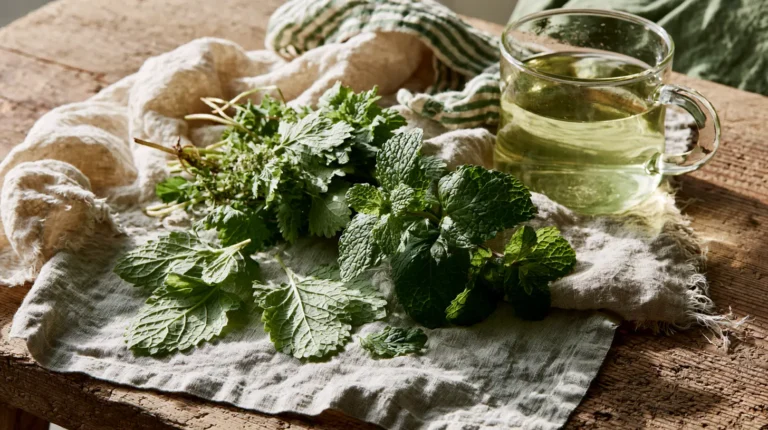
This gentle evening tea combines lemon balm, chamomile, passionflower, and oat straw, herbs traditionally used to calm the mind, soften tension, and support a more settled bedtime routine.
Ingredients with exact measurements
1 teaspoon dried lemon balm
1 teaspoon dried chamomile flowers
1 teaspoon dried passionflower
1 teaspoon dried oat straw
10 ounces hot water
Optional: 1 teaspoon honey
Step-by-step preparation instructions
Add the dried herbs to a teapot, mug infuser, or French press.
Pour 10 ounces of just-boiled water over the herbs.
Cover and steep for 10 to 15 minutes. Covering helps keep the aromatic compounds from drifting away with the steam.
Strain well.
Add honey if desired.
Sip slowly in a quiet setting, ideally away from bright screens and late-night problem-solving.
How to use
Drink 1 cup about 30 to 60 minutes before bed as part of a calming nighttime routine. Start with a small amount the first time to make sure the herbs agree with you.
Food for support Frequently Waking
Warm Oatmeal with Tart Cherries, Almond Butter, and Cinnamon
This simple bedtime-friendly bowl is inspired by traditional evening porridges. Oats provide gentle nourishment, tart cherries naturally contain small amounts of melatonin, almond butter adds satisfying fat and magnesium, and cinnamon brings warmth without making the recipe heavy.
Ingredients with exact measurements
1/2 cup rolled oats
1 cup water or milk of choice
1/4 cup unsweetened tart cherries, fresh, frozen, or dried
1 tablespoon almond butter
1/4 teaspoon cinnamon
1 teaspoon ground flaxseed
Pinch of salt
Optional: 1 teaspoon maple syrup
Step-by-step preparation instructions
Add oats, water or milk, tart cherries, cinnamon, and a pinch of salt to a small saucepan.
Simmer over medium-low heat for 5 to 7 minutes, stirring often.
Remove from heat and stir in almond butter and ground flaxseed.
Add maple syrup if desired.
Let it cool slightly before eating.
How to use
Enjoy a small bowl in the evening when nighttime waking seems linked with hunger, blood sugar dips, or going to bed underfed. Keep the portion light, especially if heavy meals tend to disturb your sleep.
What Herbs You Need
The main herbs traditionally used for frequently waking are lemon balm, chamomile, passionflower, oat straw, skullcap, lavender, valerian, and hops. These herbs are usually selected based on the pattern: a busy mind, emotional stress, muscle tension, digestive discomfort, or restless sleep.
Lemon Balm
Latin name: Melissa officinalis
Key herbal actions: Nervine, meaning it helps support a calmer nervous system; carminative, meaning it helps ease digestive gas and tension; mild antispasmodic, meaning it helps relax mild physical tightness.
Key active compounds: Rosmarinic acid, citral, citronellal, geranial, neral, flavonoids, and triterpenes.
Chamomile
Latin name: Matricaria chamomilla or Matricaria recutita
Key herbal actions: Gentle nervine, meaning it supports relaxation; carminative, meaning it helps settle digestion; anti-inflammatory, meaning it supports a balanced inflammatory response.
Key active compounds: Apigenin, bisabolol, chamazulene, luteolin, and flavonoids.
Passionflower
Latin name: Passiflora incarnata
Key herbal actions: Relaxing nervine, meaning it supports nervous system calm; mild sedative, meaning it is traditionally used for restlessness; antispasmodic, meaning it may help ease tension patterns.
Key active compounds: Flavonoids such as vitexin, isovitexin, orientin, and chrysin; harmala alkaloids in small amounts.
Oat Straw
Latin name: Avena sativa
Key herbal actions: Nutritive nervine, meaning it gently nourishes and supports the nervous system over time; mineral-rich tonic, meaning it contributes plant-based minerals; restorative, meaning it is traditionally used during periods of depletion.
Key active compounds: Avenanthramides, silica, minerals, flavonoids, and saponins.
Skullcap
Latin name: Scutellaria lateriflora
Key herbal actions: Nervine, meaning it supports calm; antispasmodic, meaning it is traditionally used for physical tension; restorative, meaning herbalists often choose it when stress feels wired and jumpy.
Key active compounds: Baicalin, baicalein, scutellarin, wogonin, and flavonoids.
Lavender
Latin name: Lavandula angustifolia
Key herbal actions: Aromatic nervine, meaning its scent and preparations are traditionally used to calm the senses; carminative, meaning it may support digestion; mild relaxant, meaning it is used in gentle evening routines.
Key active compounds: Linalool, linalyl acetate, lavandulol, cineole, and flavonoids.
Valerian
Latin name: Valeriana officinalis
Key herbal actions: Strong relaxing nervine, meaning it is traditionally used for restlessness; sedative, meaning it may promote drowsiness in some people; antispasmodic, meaning it may be chosen when tension is part of the pattern.
Key active compounds: Valerenic acid, valepotriates, sesquiterpenes, and volatile oils.
Hops
Latin name: Humulus lupulus
Key herbal actions: Bitter nervine, meaning it combines digestive bitterness with calming traditional use; sedative, meaning it is often used in sleep formulas; digestive bitter, meaning it supports digestive secretions before or after meals.
Key active compounds: Humulone, lupulone, xanthohumol, 2-methyl-3-buten-2-ol, and bitter acids.
Key Herbal Products for Frequently Waking
Sleep Tea Blends
Sleep tea blends usually combine gentle herbs such as chamomile, lemon balm, passionflower, lavender, oat straw, or skullcap. They are commonly used in the evening as part of a bedtime routine. The main benefit is that tea encourages a slow ritual, which matters because sleep often dislikes being rushed like a late email. The downside is that drinking too much liquid close to bedtime may increase nighttime bathroom trips.
Tinctures
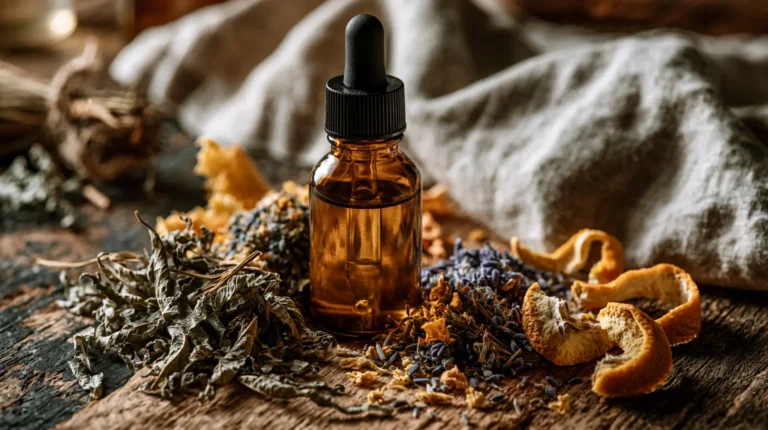
Tinctures are concentrated liquid herbal extracts, usually taken in small amounts. They are commonly chosen when someone wants a stronger-tasting, compact preparation that does not require brewing tea. They are practical for travel and quick use, but many tinctures contain alcohol, which may not be appropriate for everyone. Alcohol-free glycerites may be a gentler option, though they are often milder.
Capsules
Capsules are dried powdered herbs or extracts placed in a pill form. They are commonly used by people who dislike herbal flavors or want a very convenient option. The benefit is ease; the drawback is that capsules skip the calming ritual of tea and may vary widely in strength depending on the product. Capsules may be preferred when taste is the main barrier.
Glycerites
Glycerites are alcohol-free liquid herbal extracts made with vegetable glycerin. They are often sweet-tasting and easier for sensitive palates. They may be useful for people avoiding alcohol-based tinctures, though they are usually less concentrated than alcohol extracts. They work well when someone wants a gentle product that feels easy to take.
Aromatic Products
Lavender pillows, herbal sachets, essential oil inhalers, and room sprays are aromatic products used to support a calming sleep environment. They are not the same as taking herbs internally, but scent can be a meaningful part of a wind-down routine. The benefit is that they are easy and pleasant; the drawback is that strong scents can bother sensitive people, pets, or anyone prone to headaches. Essential oils should be used carefully and never applied undiluted to the skin.
FAQ
Is frequently waking during the night always a problem?
Not always. Brief awakenings can be part of normal sleep cycles, especially if you fall back asleep easily and feel rested in the morning. It becomes more worth exploring when it happens often, lasts a long time, or leaves you feeling unrefreshed during the day.
Which herb is best for frequently waking?
There is no single best herb for everyone. Lemon balm and chamomile are often chosen for gentle calming support, passionflower for restless thoughts, oat straw for long-term nervous system nourishment, and valerian for stronger restlessness patterns. The best choice depends on why you are waking.
Can I drink sleep tea every night?
Many gentle herbal teas can be used regularly by healthy adults, but it is still wise to rotate herbs, use modest amounts, and pay attention to how your body responds. If you take medications, are pregnant or breastfeeding, have liver disease, have sleep apnea, or have a chronic medical condition, check with a qualified clinician first.
Why do I wake up around 3 a.m.?
Waking around the same time can be related to stress hormones, alcohol, blood sugar changes, overheating, light exposure, bathroom needs, or simply lighter sleep cycles. Traditional herbalists often look at the full pattern: what you ate, when you went to bed, whether you feel hot or anxious, and how easily you fall back asleep.
Are fresh herbs better than dried herbs?
Fresh herbs can be lovely, especially lemon balm and lavender, but dried herbs are often more practical and consistent for tea blends. Dried herbs are also easier to measure and store. Use fresh herbs at about two to three times the amount of dried herbs because fresh plants contain more water.
How should I store sleep herbs?
Store dried herbs in airtight glass jars away from heat, light, and moisture. Most delicate aromatic herbs, such as chamomile, lemon balm, and lavender, are best used within 6 to 12 months for good flavor and aroma. If an herb smells flat, dusty, or like old hay, it has probably retired from active duty.
Are sleep herbs safe around pets?
Use caution. Cats, dogs, birds, and other pets can be sensitive to herbs and especially essential oils. Do not diffuse strong essential oils in poorly ventilated rooms with pets, and do not give sleep herbs to animals unless guided by a veterinarian trained in herbal use.
References
CDC: Short Sleep Duration and Sleep Difficulties Among Adults, United States, 2024
NCCIH: Sleep Disorders and Complementary Health Approaches
NCCIH: Valerian Usefulness and Safety
PubMed: Effects of Herbal Combination Melissa officinalis and Nepeta menthoides on Insomnia Severity
PubMed: Clinical Efficacy and Tolerability of Lemon Balm in Psychological Well-Being
Disclaimer
This article is for educational purposes only and is not medical advice. Herbs and supplements are not a substitute for professional care, diagnosis, or treatment. Talk with a qualified healthcare professional if you have persistent sleep problems, loud snoring, gasping during sleep, severe daytime sleepiness, pregnancy, chronic illness, or if you take medications. Stop using any herb that causes unwanted effects.