
Herbs, Recipes, Products, and Safety Tips
Poor concentration is the feeling that your attention keeps slipping away, even when you genuinely want to focus. It may show up as rereading the same sentence, jumping between tasks, forgetting details, or staring at your screen while your brain quietly leaves the building.
Learn more about Poor Concentration
Poor concentration can happen when attention, energy, sleep, stress levels, nutrition, and the nervous system are not working together smoothly. Focus is not just about willpower; it depends on many body systems, including the brain, hormones, blood sugar balance, hydration, sleep quality, mood, and daily rhythm.
One common pattern is tired concentration, where the mind feels slow because sleep has been poor or the day has been too demanding. Another is scattered concentration, where stress, worry, or too many interruptions make it hard to stay with one task. A third pattern is low-energy concentration, where skipped meals, dehydration, or blood sugar swings make attention fade. A fourth is overstimulated concentration, where too much caffeine, screen time, multitasking, or mental noise makes the brain alert but not organized.
In daily life, poor concentration may look like forgetting why you opened a tab, struggling to finish reading, making small mistakes, feeling mentally restless, losing track during conversations, or needing much longer to complete simple tasks. It can be frustrating because the intention is there, but the mental “grip” feels weak.
Traditional herbalism tends to understand poor concentration through patterns such as nervous system strain, depletion, sluggish circulation, weak digestion, or overstimulation. A depleted pattern may call for nutritive herbs, gentle tonics, and steady meals. A tense or scattered pattern may call for calming nervines. A sluggish pattern may call for aromatic herbs that support digestion and mental brightness. A tired-but-wired pattern may call for herbs that calm the nervous system without dulling the mind.
Herbalists traditionally choose herbs by watching how concentration breaks down. If someone feels anxious and scattered, lemon balm, gotu kola, or skullcap may be considered. If focus fades with fatigue, bacopa, rhodiola, or oat straw may be used cautiously as longer-term support. If concentration drops after heavy meals, rosemary, peppermint, ginger, or bitters may be chosen. If someone feels depleted, mineral-rich herbs such as nettle and oat straw may be included as part of a steady rebuilding routine.
How Herbs Can Help
How Herbalism Traditionally Approaches This Issue
Herbalism typically sees poor concentration as a pattern involving mental fatigue, nervous system overstimulation, sluggish circulation, poor digestion, or depleted reserves. Nootropic herbs are traditionally used to support memory and learning, nervines help calm scattered attention, adaptogens support stress resilience, and aromatic herbs help brighten sluggish focus. Herbalists choose between those actions by looking at whether poor concentration feels tired, anxious, overstimulated, sluggish, or depleted; these are herbs traditionally used when poor concentration happens: rosemary, lemon balm, peppermint, gotu kola, oat straw, bacopa, cinnamon, cardamom, green tea, ginger, sage, nettle, rhodiola, orange peel, ginkgo, parsley, lavender.
“Poor concentration is when your brain opens the meeting, loses the agenda, and then asks everyone to circle back after tea.”
Recipes & Remedies
Herbal Preparations
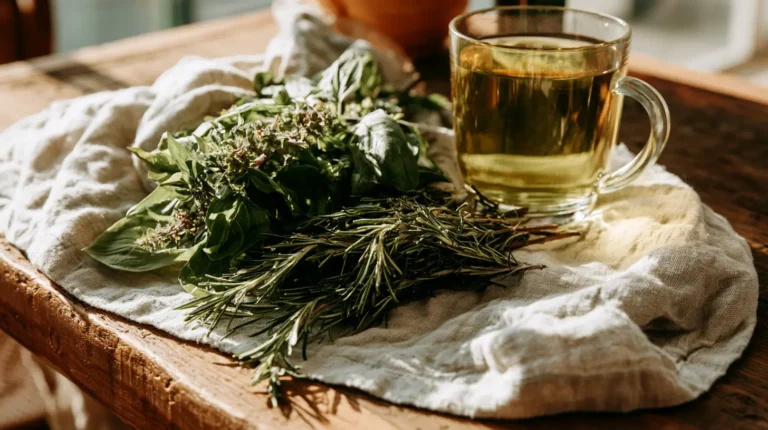
Calm Focus Herbal Tea
This tea combines lemon balm for calm focus, rosemary for aromatic clarity, peppermint for brightness, and gotu kola for traditional mental support. It is a gentle daytime tea for people who feel distracted, mentally tired, or pulled in too many directions.
Ingredients with exact measurements
1 teaspoon dried lemon balm
1/2 teaspoon dried gotu kola
1/2 teaspoon dried peppermint
1/4 teaspoon dried rosemary
1 cup hot water
1 teaspoon honey, optional
1 small squeeze of lemon juice, optional
Step-by-step preparation instructions
Place lemon balm, gotu kola, peppermint, and rosemary into a mug or teapot.
Pour 1 cup hot water over the herbs.
Cover and steep for 8 to 10 minutes.
Strain well.
Add honey and lemon juice if desired.
Sip slowly before beginning a focused task.
How to use
Drink 1 cup in the morning or early afternoon when you want a calm focus ritual. This tea is best paired with one clear task, a glass of water, and fewer open tabs than your soul currently wants. Avoid using rosemary or peppermint late in the day if they feel too stimulating for you.
Food for support Poor Concentration
Steady Focus Oat Bowl with Walnuts, Blueberries, and Cinnamon
This simple meal supports steady energy with oats, healthy fats, fiber, fruit, and warming spice. It is especially useful when poor concentration seems connected with skipped meals, sugary breakfasts, or mid-morning energy dips.
Ingredients with exact measurements
1/2 cup rolled oats
1 cup water or unsweetened milk
1/4 teaspoon cinnamon
1 tablespoon ground flaxseed
1/4 cup blueberries
2 tablespoons chopped walnuts
1 teaspoon honey or maple syrup, optional
1 small pinch sea salt
Optional: 1 teaspoon dried nettle powder or finely powdered oat straw
Step-by-step preparation instructions
Add oats, water or milk, cinnamon, and sea salt to a small saucepan.
Cook over medium-low heat for 5 to 7 minutes, stirring often.
Remove from heat and stir in ground flaxseed.
Top with blueberries and walnuts.
Add honey or maple syrup if desired.
If using nettle powder or oat straw powder, stir it in after cooking.
How to use
Enjoy this bowl for breakfast or as a grounding workday meal when concentration tends to fade. Pair it with water and a realistic work plan. The realistic part matters; breakfast cannot organize a 97-item to-do list by itself.
What Herbs You Need
The herbs traditionally used for poor concentration often include nootropics, calming nervines, aromatic circulatory herbs, adaptogens, and nutritive tonics. The recipes above use lemon balm, gotu kola, peppermint, rosemary, cinnamon, nettle, and oat straw; other commonly used focus-support herbs include bacopa, sage, ginkgo, rhodiola, ginger, and green tea.
Bacopa
Latin name: Bacopa monnieri
Key herbal actions:
Nootropic: traditionally used to support memory, learning, and mental performance.
Nervine tonic: traditionally used to nourish the nervous system over time.
Adaptogen-like tonic: often used when concentration issues are linked with stress and mental fatigue.
Key active compounds relevant to this issue: bacosides, alkaloids, saponins, flavonoids, sterols, and triterpenoids.
Gotu Kola
Latin name: Centella asiatica
Key herbal actions:
Nootropic: traditionally used to support memory, attention, and mental clarity.
Nervine tonic: traditionally used when the mind feels tired, scattered, or strained.
Restorative herb: used in traditional systems for long-term vitality and tissue support.
Key active compounds relevant to this issue: asiaticoside, madecassoside, asiatic acid, madecassic acid, flavonoids, and triterpenes.
Rosemary
Latin name: Salvia rosmarinus, formerly Rosmarinus officinalis
Key herbal actions:
Aromatic circulatory herb: traditionally used to encourage warmth, movement, and mental brightness.
Digestive aromatic: traditionally used when focus feels dull after heavy meals.
Mental clarity herb: historically associated with memory and attention.
Key active compounds relevant to this issue: rosmarinic acid, carnosic acid, carnosol, cineole, camphor, and volatile oils.
Sage
Latin name: Salvia officinalis
Key herbal actions:
Cognitive support herb: traditionally used for memory and mental sharpness.
Aromatic nervine: used when poor concentration feels dull, tired, or heavy.
Digestive herb: traditionally used to support digestion after rich foods.
Key active compounds relevant to this issue: rosmarinic acid, thujone, cineole, camphor, carnosic acid, and flavonoids.
Lemon Balm
Latin name: Melissa officinalis
Key herbal actions:
Calming nervine: traditionally used when stress makes concentration scattered.
Carminative: traditionally used to support digestion when tension affects the stomach.
Mild relaxant: used when the mind feels busy but tired.
Key active compounds relevant to this issue: rosmarinic acid, citral, citronellal, linalool, flavonoids, and volatile oils.
Peppermint
Latin name: Mentha x piperita
Key herbal actions:
Aromatic stimulant: traditionally used to refresh the senses.
Carminative: traditionally used to support comfortable digestion.
Cooling herb: traditionally used when mental heaviness feels warm, dull, or stagnant.
Key active compounds relevant to this issue: menthol, menthone, rosmarinic acid, flavonoids, and volatile oils.
Ginkgo
Latin name: Ginkgo biloba
Key herbal actions:
Circulatory herb: traditionally used to support healthy blood flow.
Cognitive support herb: commonly used in modern herbal products for memory and focus.
Antioxidant-rich herb: contains compounds studied for oxidative stress pathways.
Key active compounds relevant to this issue: ginkgolides, bilobalide, flavone glycosides, quercetin, kaempferol, and terpenoids.
Rhodiola
Latin name: Rhodiola rosea
Key herbal actions:
Adaptogen: traditionally used to support stress adaptation and stamina.
Uplifting tonic: used when low motivation and mental fatigue are part of the picture.
Mental performance herb: commonly included in modern focus and endurance formulas.
Key active compounds relevant to this issue: rosavins, salidroside, tyrosol, flavonoids, and phenolic compounds.
Nettle
Latin name: Urtica dioica
Key herbal actions:
Nutritive tonic: traditionally used as a mineral-rich daily herb.
Restorative herb: traditionally used when depletion contributes to fatigue or low focus.
Alterative: traditionally used to support normal elimination and overall balance.
Key active compounds relevant to this issue: chlorophyll, flavonoids, phenolic acids, carotenoids, calcium, magnesium, potassium, and iron.
Oat Straw
Latin name: Avena sativa
Key herbal actions:
Nervine tonic: traditionally used to nourish an overworked nervous system.
Nutritive tonic: provides minerals and plant compounds used for long-term support.
Moistening herb: traditionally used when the body feels depleted, dry, or frayed.
Key active compounds relevant to this issue: beta-glucans, avenanthramides, flavonoids, silica, magnesium, and saponins.
Ginger
Latin name: Zingiber officinale
Key herbal actions:
Warming digestive: traditionally used when sluggish digestion contributes to heaviness.
Circulatory stimulant: traditionally used to encourage warmth and movement.
Carminative: traditionally used to ease digestive gas and discomfort.
Key active compounds relevant to this issue: gingerols, shogaols, zingerone, and volatile oils.
Cinnamon
Latin name: Cinnamomum verum or Cinnamomum cassia
Key herbal actions:
Warming digestive: traditionally used to support digestive comfort and warmth.
Aromatic spice: used in food traditions to support steady, enjoyable meals.
Circulatory warming herb: traditionally used when the body feels cold or sluggish.
Key active compounds relevant to this issue: cinnamaldehyde, cinnamic acid, eugenol, coumarin, procyanidins, and polyphenols.
Key Herbal Products
Bacopa Capsules
Bacopa capsules usually contain powdered Bacopa monnieri or standardized extract. They are commonly used by people interested in traditional memory, learning, and attention support.
Pros: easy to measure, widely available, and often standardized for bacoside content.
Cons: may take consistent use over time, may cause digestive upset in some people, and may feel too sedating for certain users.
Best choice when: someone wants a traditional nootropic herb in a convenient, measured form.
Ginkgo Extract
Ginkgo extract is usually sold as capsules, tablets, or liquid extract made from ginkgo leaf. It is one of the most common herbal products marketed for memory and concentration support.
Pros: widely available, well-known, and available in standardized extracts.
Cons: research for healthy adults is mixed, and ginkgo may interact with blood thinners or increase bleeding risk in some people.
Best choice when: someone wants a classic cognitive-support supplement and has checked safety with a healthcare professional.
Focus Tea Blends
Focus tea blends often include rosemary, peppermint, lemon balm, green tea, gotu kola, sage, or ginger. These blends are commonly used as a daytime ritual for mental clarity.
Pros: gentle, hydrating, easy to customize, and helpful for creating a focused pause before work.
Cons: less concentrated than capsules or tinctures, and some blends contain caffeine.
Best choice when: someone wants a simple, low-pressure approach that combines herbs with a calming routine.
Gotu Kola Tincture
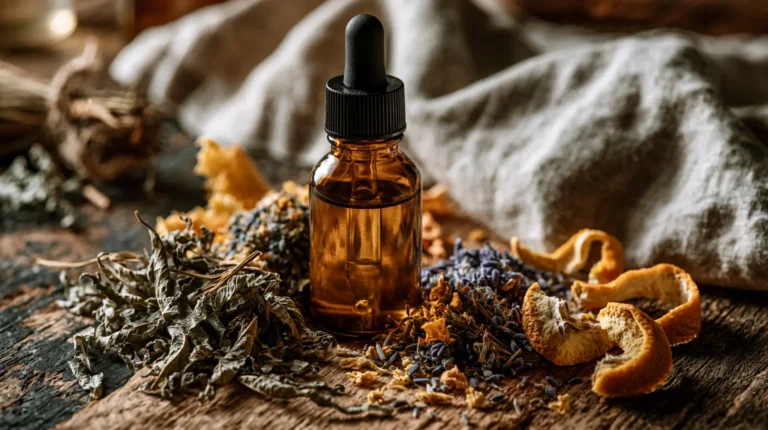
Gotu kola tincture is a liquid herbal extract commonly used in traditional herbal routines for calm focus and mental endurance. It may be alcohol-based or glycerin-based.
Pros: portable, easy to combine with other herbs, and useful when tea is inconvenient.
Cons: taste can be bitter, alcohol-based tinctures are not appropriate for everyone, and quality varies.
Best choice when: someone wants flexible serving sizes and a calm-focus herb rather than a stimulating formula.
Adaptogen Powder Blends
Adaptogen powders for concentration may include rhodiola, bacopa, ashwagandha, maca, green tea, or mushroom extracts. They are commonly mixed into smoothies, coffee, oatmeal, or warm drinks.
Pros: versatile, easy to add to food, and useful for people who like daily routines.
Cons: blends can contain many ingredients, serving sizes may be unclear, and some formulas may be too stimulating.
Best choice when: someone wants an all-in-one product and is willing to read labels carefully.
FAQ
Is poor concentration the same as brain fog?
They overlap, but they are not exactly the same. Brain fog often feels like mental cloudiness or slow thinking, while poor concentration is more specifically about difficulty staying focused on one task. Many people experience both at the same time.
When should poor concentration be checked by a professional?
Poor concentration should be checked if it is sudden, severe, worsening, or affecting work, school, driving, relationships, or daily responsibilities. It also deserves attention if it comes with confusion, depression, anxiety, sleep problems, dizziness, headaches, weakness, or major memory changes. Herbs can support wellness routines, but they should not replace proper evaluation.
Can herbs improve focus immediately?
Some aromatic herbs, such as peppermint, rosemary, ginger, or green tea, may feel refreshing fairly quickly because of their scent, taste, and stimulating qualities. Other herbs, such as bacopa, gotu kola, nettle, and oat straw, are traditionally used more gradually over time. For concentration, herbs usually work best with sleep, hydration, food, movement, and fewer distractions.
What does focus tea taste like?
Focus tea often tastes bright, minty, lemony, herbal, or slightly bitter. Lemon balm gives a soft lemon-mint flavor, peppermint adds freshness, rosemary tastes piney and aromatic, and gotu kola is earthy-green. Honey or lemon can make it friendlier if your taste buds are cautious.
Is fresh rosemary better than dried rosemary?
Fresh rosemary has a brighter flavor and aroma, while dried rosemary is stronger and easier to store. Either can be used, but dried rosemary should be measured carefully because it can quickly dominate a tea or recipe. Rosemary is useful, but it does like to be the main character.
Can I use concentration herbs every day?
Gentle herbs such as lemon balm, peppermint, nettle, and oat straw are commonly used in daily tea routines. Stronger products such as bacopa extract, ginkgo, rhodiola, sage extract, or concentrated blends need more caution and may not be appropriate for everyone. Speak with a healthcare professional if you take medications, are pregnant or breastfeeding, have a medical condition, or are preparing for surgery.
Are concentration herbs safe for pets?
Do not give herbs, essential oils, tinctures, powders, or supplements to pets unless guided by a veterinarian. Pets process herbs differently than humans, and ingredients that are gentle for people may be unsafe for dogs, cats, birds, or other animals. Keep herbal products stored safely away from pets.
References
NCCIH: Ginkgo Usefulness and Safety
NCCIH: Rhodiola Usefulness and Safety
NCBI Bookshelf: Bacopa monnieri
PubMed: The Cognitive-Enhancing Effects of Bacopa monnieri
PubMed: Bacopa monnieri and Cognitive Performance in Healthy Adults
PubMed: Modulation of Cognitive Performance and Mood by Aromas of Peppermint and Ylang-Ylang
PubMed: Rosemary Aroma and Cognitive Performance
NHLBI: Sleep Deprivation and Deficiency
NIH Office of Dietary Supplements: Magnesium Fact Sheet
NIH Office of Dietary Supplements: Vitamin B12 Fact Sheet
Disclaimer
This article is for educational purposes only and is not medical advice. Poor concentration can have many causes, including lack of sleep, stress, dehydration, blood sugar swings, nutrient deficiencies, medication effects, anxiety, depression, attention disorders, hormonal changes, neurological conditions, and other health factors. Herbs and supplements may interact with medications, medical conditions, pregnancy, breastfeeding, surgery, or existing treatment plans. Always speak with a qualified healthcare professional before using herbal products, especially concentrated extracts, capsules, tinctures, essential oils, or adaptogen formulas.