
Eye Dryness and Irritation: A Gentle Herbal Approach to Comfortable, Clear Vision

You know the feeling—your eyes start to sting by mid-afternoon, the screen looks harsher than it should, and blinking doesn’t quite bring relief. Maybe they feel gritty, or oddly tired even after a full night’s sleep. Eye dryness and irritation are incredibly common in modern life, especially with long hours indoors, artificial light, and constant screen use. From a traditional herbal perspective, this isn’t just about the eyes themselves—it’s often a reflection of hydration, circulation, and nervous system balance.
Herbal recipes for Eye Dryness and Irritation
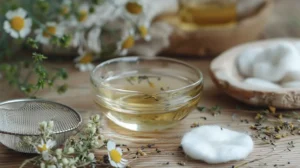
A simple place to begin is with gentle, soothing preparations that support moisture and calm irritation. A classic approach is a warm (not hot) compress using chamomile tea, long valued for its calming and anti-inflammatory qualities as described by the European Medicines Agency (EMA). Another option is an infusion of eyebright (Euphrasia), traditionally used for eye comfort and clarity, with documented astringent and soothing properties noted in PubMed Central.
For internal support, a mild tea of nettle leaf or oat straw can be helpful. These are considered nutritive herbs, offering minerals that support overall tissue hydration and resilience, as outlined by the National Center for Complementary and Integrative Health (NCCIH).
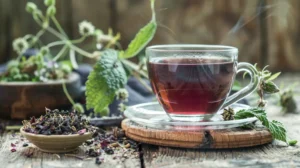
Bilberry and Nettle Nourishing Tea
A gentle internal herbal tea traditionally used to support eye...
Read More
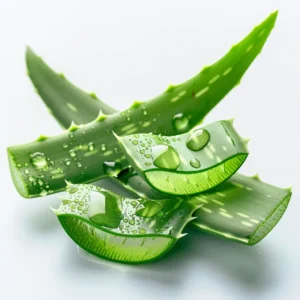
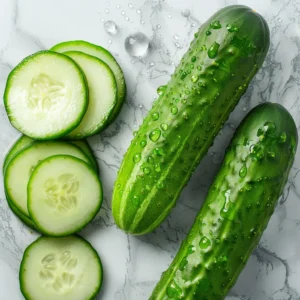
Cooling Cucumber and Aloe Eye Gel
A refreshing topical preparation combining cooling botanicals to support hydration...
Read MoreHerbal Support for Eye Dryness and Irritation
Traditional Western herbalism doesn’t view dry or irritated eyes as a single isolated issue. Instead, it looks at patterns—dry tissues, overstimulation, poor circulation, or underlying tension.
Demulcent herbs, such as marshmallow root or slippery elm, are often considered when dryness is prominent. These herbs are rich in mucilage, a gel-like substance that helps soothe and moisten tissues, including mucous membranes, as described by the World Health Organization (WHO).
Nervine herbs like lemon balm and oat tops are used when eye strain is tied to mental fatigue or nervous system overload. There’s a quiet recognition here: tired eyes are often connected to a tired mind.
Circulatory-supporting herbs such as ginkgo are traditionally used to support blood flow to delicate tissues like the retina. Research summarized in PubMed Central highlights ginkgo’s role in microcirculation and antioxidant activity.
Anti-inflammatory herbs, including calendula and chamomile, are used when irritation or sensitivity is more pronounced. These herbs gently calm tissues without suppressing natural processes.
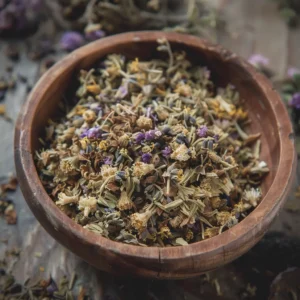
Herbs used for Eye Dryness and Irritation support
How These Herbs Work in the Body
Herbs that support eye comfort tend to work through a few overlapping pathways.
Many contain flavonoids—compounds known for their antioxidant activity, helping protect delicate eye tissues from oxidative stress. Bilberry, for example, has been studied for its anthocyanins, which support retinal health and visual function, as discussed in NIH Office of Dietary Supplements.
Mucilage-rich herbs form a soothing layer over irritated tissues, reducing friction and dryness. This action is mechanical as much as biochemical, which is part of why these herbs feel immediately comforting.
Volatile oils, found in herbs like chamomile and fennel, contribute gentle anti-inflammatory and calming effects. According to the European Medicines Agency (EMA), these compounds can support relaxation of smooth tissues and reduce irritation.
Nervine herbs influence the nervous system, helping reduce tension and overstimulation. When the nervous system settles, blinking patterns, tear production, and eye comfort often follow.
Herbal Preparations and Recipes
Preparation matters more than it might seem at first glance. A tea or infusion offers a gentle, hydrating way to work with herbs daily, while tinctures provide a more concentrated form that fits easily into a busy routine.
Topical preparations, like compresses, are especially relevant for eye support because they bring herbs directly into contact with the tissues involved. That said, simplicity is key—clean preparation and gentle application are more important than complexity.
If you’re exploring this further, it’s worth looking into individual herb profiles and preparation methods. Understanding how a marshmallow root decoction differs from a chamomile infusion, for example, adds a whole new layer of appreciation.
What Is Eye Dryness and Irritation?
At its simplest, this pattern reflects a lack of adequate moisture or lubrication on the surface of the eye, often combined with sensitivity or mild inflammation. From a functional perspective, it’s about imbalance—either not enough tear production, or tears that evaporate too quickly.
Why It Happens
Several factors tend to converge. Reduced blinking during screen use is a major one. Environmental conditions like dry air or wind can also contribute. Internal factors—hydration, nutrition, and nervous system strain—play a quieter but equally important role.
Oxidative stress and inflammation are often part of the picture as well, as described in research available through PubMed Central.
How It Commonly Shows Up
People often describe a gritty or sandy feeling, as if something is in the eye. Others notice redness, sensitivity to light, or fluctuating vision that improves after blinking. There can also be a subtle sense of fatigue, especially later in the day.
Foundations of Support
Herbs tend to work best when basic habits are in place. Regular breaks from screens, consistent hydration, and adequate sleep all influence how the eyes feel.
Gentle movement supports circulation, while reducing environmental dryness—whether through humidifiers or simply stepping outside—can make a noticeable difference. Herbal support fits into this broader context rather than replacing it.
Learning More
If this topic resonates, exploring individual herbs like eyebright, calendula, or bilberry can deepen your understanding. Preparation methods—infusions, decoctions, and topical applications—are equally worth learning, as they shape how herbs interact with the body.
FAQ
How long does it usually take to notice herbal support?
Herbal approaches tend to work gradually. Some soothing effects, especially from demulcent herbs, may be felt relatively quickly, while deeper support develops over time.
Can multiple herbs be combined?
Yes, traditional herbalism often combines herbs to address different aspects of a pattern, such as dryness, tension, and circulation.
Is tea or tincture better for eye support?
It depends on preference and context. Teas offer hydration and gentle support, while tinctures are more concentrated and convenient.
Can herbs be used daily?
Many herbs traditionally used for nourishment and balance are incorporated into daily routines, especially in gentle forms like teas.
When should someone pause and reassess?
If discomfort persists or changes noticeably, it’s wise to step back and seek further guidance to better understand what’s happening.
References
European Medicines Agency (EMA) – Chamomile Monograph
PubMed Central – Euphrasia Study
National Center for Complementary and Integrative Health (NCCIH) – Herbs Overview
World Health Organization (WHO) – Selected Medicinal Plants
PubMed Central – Ginkgo and Microcirculation
NIH Office of Dietary Supplements – Bilberry
European Medicines Agency (EMA) – Fennel Monograph
PubMed Central – Dry Eye and Oxidative Stress
This content is provided for educational purposes only. It reflects traditional Western herbal practices and publicly available research. It is not intended to diagnose, treat, or replace professional medical care. Always consult a qualified healthcare professional for personal health decisions.