
Bilberry: Herbal Support for Vision and Microcirculation
Bilberry is a deeply pigmented berry long associated with visual clarity and vascular resilience. In traditional Western herbalism, it supports delicate capillary function, retinal nourishment, and tissue protection against oxidative stress.
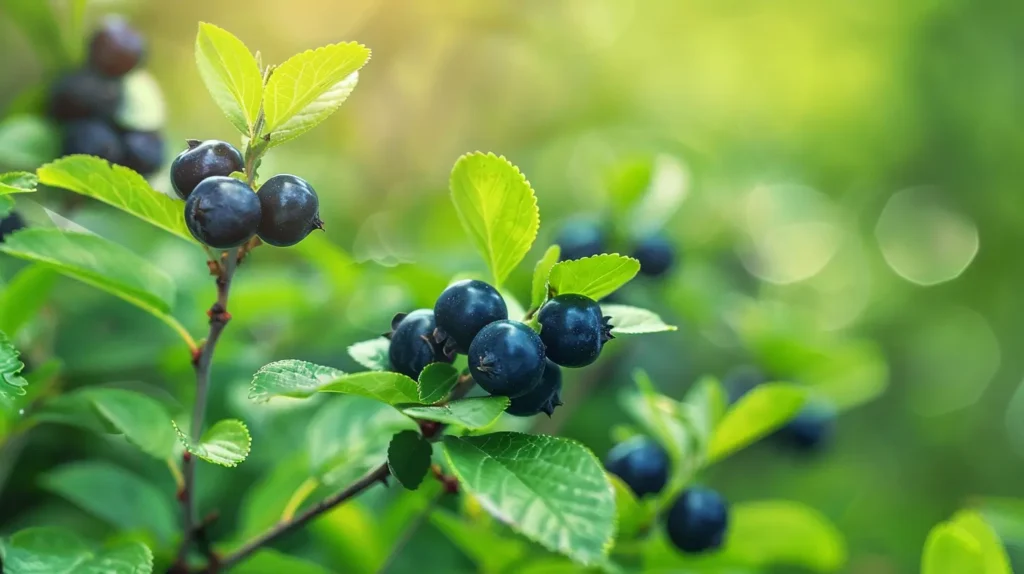
Latin (botanical) name: Vaccinium myrtillus
Plant family: Ericaceae
Common names: Bilberry, European blueberry, Whortleberry, Huckleberry
Traditional use overview:
Bilberry has been used traditionally to support eye function, especially in low-light conditions, and to strengthen small blood vessels. It was also valued for maintaining healthy circulation and supporting mucous membranes in the digestive tract.
Herbal Actions
- Antioxidant – protects tissues from oxidative stress
- Vasoprotective – supports integrity of small blood vessels
- Astringent – tones tissues and reduces excess secretions
- Anti-inflammatory – helps calm irritated tissues
- Microcirculatory support – enhances blood flow in fine capillary networks
Practical Uses
Bilberry is commonly used where there is strain on the eyes, especially from prolonged visual effort or low-light conditions.
It is also traditionally used to support circulation in delicate tissues, including the eyes and extremities, and to maintain overall vascular tone.
Product forms
- Dried berries – used in teas or eaten directly
- Standardized extracts – concentrated forms rich in anthocyanins
- Capsules and tablets – convenient internal use
- Tinctures – alcohol-based extracts
- Powder – added to formulations or foods
- Juice or syrup – traditional and modern use
Traditional herbal recipes
Bilberry Infusion
Dried berries are steeped in hot water for 10–15 minutes to create a mild tea traditionally used for digestive and vascular support.
Bilberry Syrup
Fresh or dried berries are simmered gently and combined with a sweetener to create a traditional preparation used for regular intake.
Bilberry Powder Blend
Powdered berries are mixed into foods or drinks to support long-term tissue nourishment.
Parts Used
- Fruit (berries primarily)
- Leaves (less commonly, more astringent and traditionally used differently)
Usage Forms & Shelf Life
Internal vs external use:
- Primarily internal use
- External use is uncommon
Common preparations:
- Infusion
- Extract
- Powder
- Syrup
Shelf life:
- Dried berries: up to 1–2 years
- Extracts: 2–4 years
- Fresh berries: several days refrigerated
Safety & Considerations and Dosage Guidelines
Bilberry is generally considered safe when used in typical dietary or supplemental amounts.
- Standardized extracts often provide 80–160 mg anthocyanins daily
- Whole berry preparations are used more traditionally and gently
- Long-term use is common in traditional practice
Side Effects & Contraindications
Bilberry is well tolerated for most individuals.
- Excessive intake may lead to mild digestive discomfort
- Leaves are more astringent and less commonly used internally
- Individuals on blood-thinning medications should exercise caution with concentrated extracts
Active Constituents
Anthocyanins (e.g., delphinidin, cyanidin, malvidin glycosides)
- Responsible for deep blue-purple color
- Strong antioxidant activity
- Support capillary integrity and retinal function
- Standardized extracts often contain ~25% anthocyanins
National Center for Biotechnology Information (NCBI)
Flavonoids (e.g., quercetin, myricetin)
- Support vascular tone and reduce oxidative stress
- Extracted in both water and alcohol
Tannins
- Provide astringent action
- Help tone mucous membranes
- Water-soluble
Vitamin C
- Supports collagen and vascular health
- Present in moderate amounts (~10 mg per 100 g fresh berries)
U.S. Department of Agriculture (USDA)
How It Works
Bilberry works through its rich concentration of anthocyanins, which interact with blood vessel walls and help maintain their flexibility and integrity.
These compounds also support the retina by improving oxygen and nutrient delivery, while reducing oxidative stress in light-sensitive tissues.
Processing Cautions
Bilberry’s key compounds are sensitive to heat and prolonged processing.
Gentle drying and careful extraction help preserve anthocyanins. Standardized extracts ensure consistent levels of active compounds, which can vary widely in raw material.
Quick Herb Overview
- Botanical family: Ericaceae
- Parts used: Fruit
- Energetics (traditional): Cooling, slightly drying
- Taste profile: Sweet, mildly astringent
Herb Identification
Visual traits:
Small, dark blue to nearly black berries with deep purple flesh that stains easily.
Growth habit:
Low-growing shrub found in forests and mountainous regions.
Look-alikes and safety notes:
Often confused with blueberries (Vaccinium corymbosum), but bilberries have darker flesh and more intense pigmentation.
Selecting Quality Herb
- Look for deeply colored berries indicating high anthocyanin content
- Avoid faded or dull material
- Standardized extracts should specify anthocyanin percentage
- Organic or wild-harvested sources are often preferred
Natural Growing Areas
Bilberry is native to Northern and Central Europe and grows widely in forested and mountainous regions. It thrives in acidic soils and cooler climates.
Growing Tips
- Prefers acidic, well-drained soil
- Requires cool climates and partial shade
- Difficult to cultivate compared to cultivated blueberries
- Often wild-harvested rather than farmed
Frequently Asked Questions
Is bilberry the same as blueberry?
They are closely related but not identical. Bilberries have darker flesh and typically higher anthocyanin content.
Why is bilberry associated with eye health?
Its anthocyanins support blood flow and protection in delicate eye tissues, especially the retina.
Can bilberry be used daily?
Traditionally, it has been used regularly as both food and herbal support, especially in berry season.
Are fresh or dried berries better?
Both are useful. Fresh berries provide hydration, while dried forms concentrate certain compounds.
What makes bilberry different from other berries?
Its unusually high anthocyanin concentration gives it strong antioxidant and vascular-supporting properties.
Is bilberry only for vision?
No, it also supports general circulation and tissue integrity throughout the body.
References cited using inline clickable source names
National Center for Biotechnology Information (NCBI)
U.S. Department of Agriculture (USDA)
This content is for educational purposes only and reflects traditional herbal knowledge. It is not intended to diagnose, treat, or replace professional medical advice.