
Slippery Elm: Traditional Demulcent for Digestive and Mucosal Support
Slippery elm is one of the classic soothing herbs of Western herbalism, valued for its ability to protect and nourish delicate mucosal tissues. Traditionally, it supports digestive comfort, throat resilience, and gentle tissue restoration when irritation or dryness is present.
Latin (botanical) name: Ulmus rubra
Plant family: Ulmaceae
Common names: Slippery elm, red elm, Indian elm
Slippery elm is native to North America and has a long history of use among Indigenous communities and later Western herbal practitioners. The inner bark has traditionally been used as a demulcent for digestive and respiratory support.
Its traditional use is documented in herbal pharmacopoeias, including monographs from the American Herbal Pharmacopoeia (AHP).
Herbal Actions
Slippery elm is traditionally described as:
- Demulcent (coating and soothing)
- Emollient (softening to tissues)
- Nutritive mucosal tonic
- Mild anti-inflammatory
These actions arise primarily from its high mucilage content, which forms a gel when mixed with water.
Practical Uses
In traditional Western herbalism, slippery elm is used when digestive tissues feel irritated, sensitive, or depleted. It is often chosen when warmth or stimulation would be too intense.
It has historically been used for digestive sensitivity, dry coughs, and urinary tract dryness. Because it is both soothing and nutritive, it is frequently included in long-term supportive formulas.
Product forms
Slippery elm is available in several forms:
- Powdered inner bark (most common)
- Capsules
- Lozenges
- Tincture (less common due to mucilage solubility limits)
- Included in throat or digestive blends
Powdered bark stirred into water is the most traditional preparation.
Traditional herbal recipes
A simple preparation involves stirring powdered slippery elm bark into warm water until it forms a smooth, thick drink. It has also traditionally been combined with marshmallow root and licorice in soothing blends.
Because mucilage is water-soluble but not alcohol-soluble, tinctures are less commonly used when demulcent action is the goal.
Parts Used
The medicinal portion is the inner bark of the tree.
Usage Forms & Shelf Life
Internal use: Powder mixed with water, capsules, lozenges
External use: Poultices and topical applications
Common preparations:
Powder stirred into warm water
Cold or warm infusions
Poultice paste
Shelf-life ranges:
Powdered bark: approximately 1–2 years when stored in dry, airtight conditions
Whole bark pieces: 2–3 years
Because it is hygroscopic, moisture exposure can shorten shelf life.
Safety & Considerations and Dosage Guidelines
Slippery elm is generally considered gentle. Because it forms a coating layer, it is traditionally taken separately from medications to avoid slowing absorption.
Sustainable sourcing is an important consideration, as overharvesting has impacted wild populations in some areas.
Side Effects & Contraindications
Side effects are uncommon. As with other mucilaginous herbs, its gel-forming nature may temporarily reduce absorption of other substances if taken simultaneously.
Sustainability concerns are discussed in conservation-oriented herbal monographs from the American Herbal Pharmacopoeia (AHP).
Active Constituents
Mucilage Polysaccharides
Slippery elm bark contains approximately 10–15% mucilage by weight, depending on harvest conditions, according to phytochemical summaries available through PubMed Central.
Major components include arabinose, galactose, and rhamnose-rich polysaccharides.
Traditional role: Tissue coating and hydration
Best extraction method: Water-based preparations
Starch and Simple Sugars
Contribute to its nutritive and bulk-forming qualities.
Tannins (minor component)
Provide mild astringency that may contribute to tissue tone.
How It Works
When mixed with water, slippery elm’s mucilage swells and forms a viscous gel. This gel adheres to mucosal surfaces, creating a protective barrier that reduces friction and dryness.
Laboratory research suggests that mucilage-rich extracts can form bioadhesive films and help maintain epithelial integrity, as discussed in pharmacological studies available through PubMed Central.
In traditional herbal understanding, this coating action supports tissue resilience and comfort.
Processing Cautions
Slippery elm bark must be carefully dried to prevent mold. Powder absorbs moisture readily, so airtight storage is essential.
Heat does not significantly damage mucilage, but excessive boiling is unnecessary and may alter texture.
Ethical sourcing is critical due to declining wild populations in some regions.
Quick Herb Overview
Botanical family: Ulmaceae
Parts used: Inner bark
Energetics (traditional): Cool, moist
Taste profile: Mild, slightly sweet, mucilaginous
Herb Identification
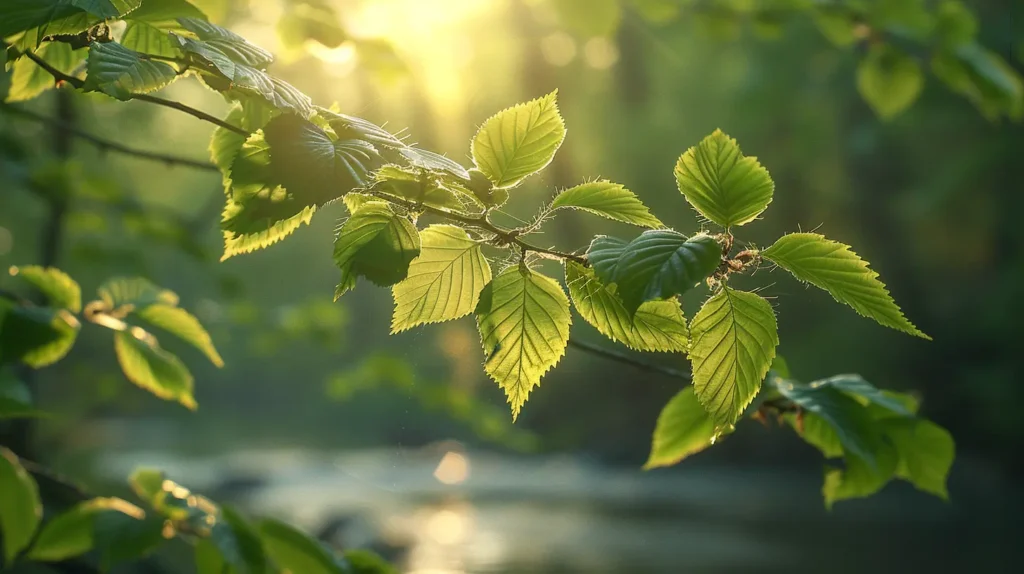
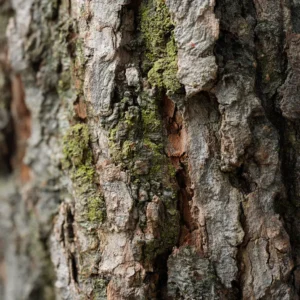
Ulmus rubra is a medium-sized deciduous tree native to eastern North America. It has rough, reddish-brown bark and serrated, asymmetrical leaves.
The inner bark is pale and slippery when moistened, which gives the herb its common name. It should not be confused with other elm species when harvesting, and sustainable harvesting practices are essential.
Selecting Quality Herb
High-quality slippery elm powder should have a light tan color and produce a smooth, gel-like consistency when mixed with water. It should not smell musty or stale.
Reputable suppliers ensure sustainable harvesting practices and proper drying.
Natural Growing Areas
Slippery elm grows throughout eastern and central North America, especially in rich, moist woodland soils.
Growing Tips
Slippery elm trees prefer well-drained, fertile soils and partial to full sun. They are susceptible to Dutch elm disease, which has significantly reduced populations.
Because bark harvesting can harm trees, cultivation planning should prioritize sustainability.
Frequently Asked Questions
Why is it called slippery elm?
The inner bark becomes slippery and gel-like when mixed with water due to its mucilage content.
Is slippery elm the same as marshmallow root?
Both are demulcent herbs, but they come from different plant families and have slightly different textures and constituent profiles.
Can slippery elm be used daily?
Traditionally, it has been used regularly in supportive digestive routines when appropriate.
Why is it important to separate it from medications?
Its mucilage may slow absorption of other substances.
Is slippery elm sustainable?
Wild populations have declined in some areas, so sourcing from responsible suppliers is important.
Can it be used externally?
Yes, poultices have historically been used for skin and tissue support.
References
Monograph: Slippery Elm Bark — American Herbal Pharmacopoeia (AHP)
Pharmacological overview of mucilage-containing herbs — PubMed Central
This content is provided for educational purposes only and reflects traditional Western herbal practice and publicly available research. It is not intended to diagnose, treat, cure, or prevent any disease and does not replace professional medical care or individualized guidance.