

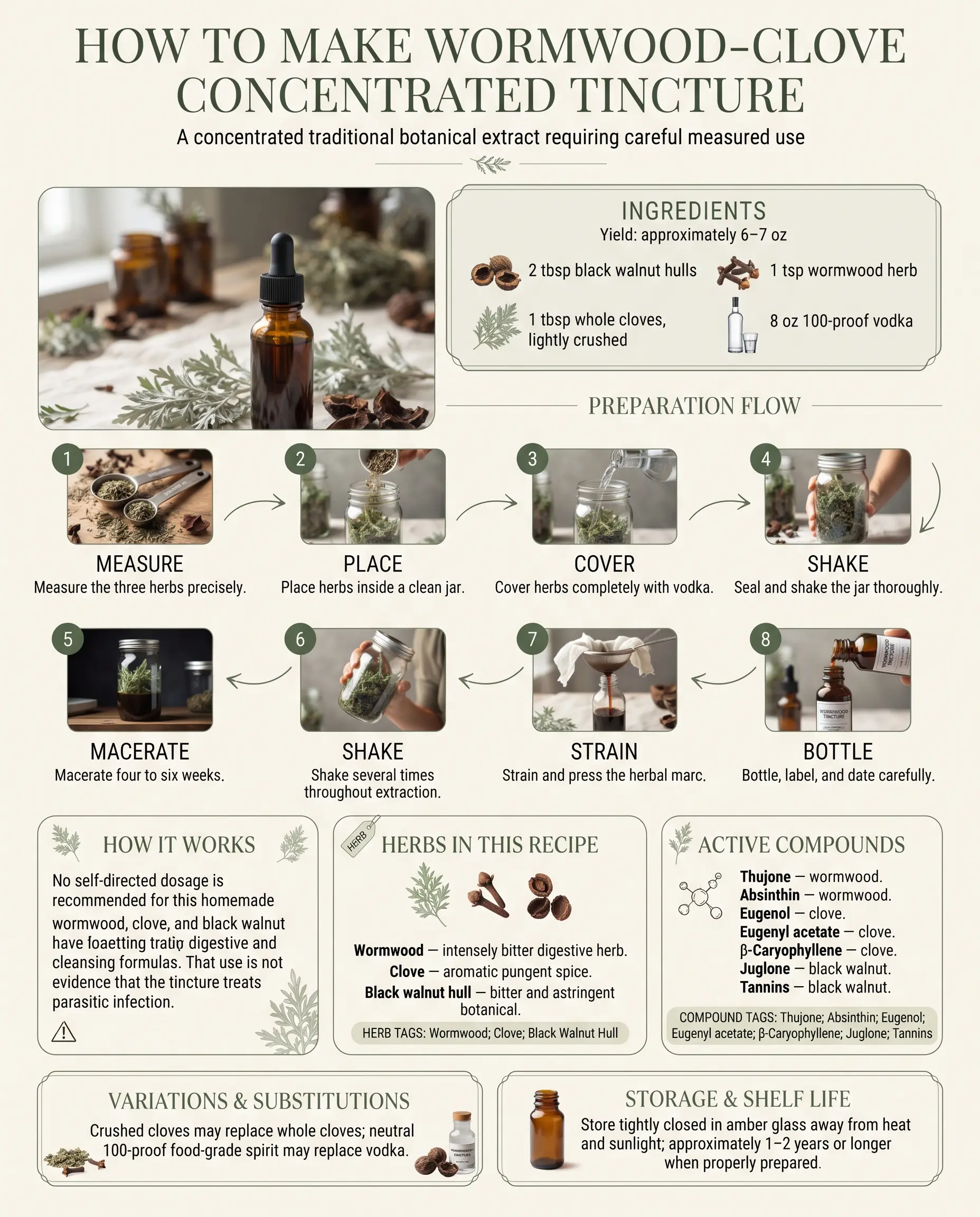
Recipe Details
Preparation Type: Tincture
Ingredients
Black walnut hulls — 2 tablespoons
Whole cloves — 1 tablespoon, lightly crushed
8 oz 100-proof vodka
1 sterilized 12-oz glass jar
Preparation
- Place the herbs in the sterilized jar.
- Pour in the vodka, ensuring all plant material is submerged.
- Seal tightly.
- Shake thoroughly.
- Store in a cool, dark location for 4–6 weeks, shaking several times per week.
- Strain through muslin or fine cheesecloth.
- Press the marc to recover the liquid.
- Bottle in amber glass with a secure cap or dropper.
Yield
Approximately 6–7 oz finished tincture.
Dosage & Usage
No self-directed dosage is recommended for this homemade wormwood tincture. Concentrated alcoholic extracts can deliver substantially different constituent levels depending on herb strength, extraction ratio, alcohol percentage, and extraction time.
If a qualified practitioner recommends a wormwood tincture, use the dose they specify for the particular preparation.
Precautions & Contraindications
- Avoid during pregnancy and lactation.
- Do not use long-term.
- Do not exceed practitioner- or product-directed amounts.
- Use particular caution with a history of seizures because excessive thujone exposure can have neurotoxic effects.
- Contains alcohol.
- People avoiding alcohol for medical, religious, recovery, or other reasons should choose a different preparation.
- Black walnut preparations are not intended for prolonged unsupervised use.
- Discuss use with a healthcare professional if taking prescription medications or managing a chronic condition.
Health Conditions & How It Works
Wormwood has a long history as a bitter digestive herb and is available in tea, solid, and liquid preparations. Black walnut hull and clove have also been used in traditional Western herbal formulas associated with digestive and cleansing practices. A tincture provides a compact, measured liquid format, but concentration also makes appropriate dosing and safety more important.
Herbs Used in This Recipe
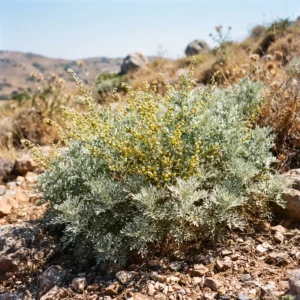
Wormwood — The primary bitter herb in the formula, traditionally associated with digestive bitters and older European herbal practice.
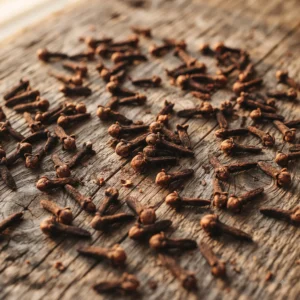
Clove — Adds concentrated aromatic and pungent qualities to the extract.
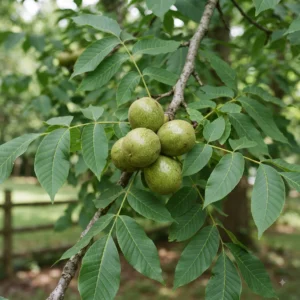
Black Walnut Hull — Traditionally used as a bitter and astringent botanical and frequently paired with wormwood in folk-herbal formulas.
Active Compounds
- Thujone — Wormwood — A characteristic volatile constituent and the primary safety consideration in concentrated wormwood preparations.
- Absinthin — Wormwood — A bitter sesquiterpene lactone contributing to wormwood’s characteristic bitterness.
- Artabsin and related bitter sesquiterpene lactones — Wormwood — Contribute to the plant’s intensely bitter profile.
- Eugenol — Clove — The major aromatic constituent of clove.
- Eugenyl acetate — Clove — A secondary aromatic constituent found in clove oil.
- β-Caryophyllene — Clove — A volatile constituent of clove alongside eugenol and other aromatic compounds.
- Juglone — Black walnut — A characteristic black-walnut naphthoquinone.
- Tannins — Black walnut hull — Contribute to the strongly astringent character of walnut hull preparations.
Ready-to-Use Product
ClarkFx All-in-One Tincture — Dr. Clark Store — specifically combines black walnut hull, clove, and wormwood.
Paracleanse Tincture — Natural Living — contains the same three core herbs.
Wormwood-Clove-Black Walnut Tincture — Sagrusan — a commercial alcoholic extract containing all three herbs.
Black Walnut Wormwood Clove & Garlic Liquid Drops — LiveWell Earth — a broader liquid botanical formula containing the three core ingredients.
Variations & Substitutions
- Whole cloves → crushed cloves: increases exposed surface area and makes extraction faster, although the finished tincture may require finer filtration.
- Vodka → another food-grade 100-proof spirit: a neutral spirit is preferred so the botanical flavors remain dominant.
Storage & Shelf Life
Store tightly closed in amber glass away from heat and sunlight. A properly prepared alcohol tincture can generally keep for 1–2 years or longer when made and stored correctly.
FAQ
Why use a tincture instead of tea?
A tincture provides a compact liquid extract and makes small-volume measurement practical.
Why is wormwood kept low in the formula?
Wormwood contains thujone and is not simply interchangeable with milder culinary herbs. Conservative formulation and appropriate dosing are important.
Can I use this as a daily digestive tonic?
This particular wormwood-containing formula is not intended as an indefinite daily tonic.
Does a tincture treat parasites?
No. It represents a traditional herbal formulation. A suspected parasitic infection should be appropriately diagnosed and treated according to the organism involved.
References
European Medicines Agency — Wormwood Herb
PubMed — Wormwood: Neurotoxic and Neuroprotective Properties
PubMed — Syzygium aromaticum Traditional Uses and Phytochemistry
PubMed — Clove Essential Oil Chemical Composition