



Astringent simply means something that tightens and firms up body tissue, kind of like how a strong cup of black tea makes your mouth feel a little dry and puckered. In herbal medicine, astringent refers to a plant’s ability to cause proteins in body tissue to contract or bind together, a process called tannin-binding — this happens because these herbs are naturally high in tannins, plant compounds that draw together and temporarily tighten the surface of skin, mucous membranes, or the lining of the gut. It’s the tiny plant chemistry doing all the heavy lifting here, and it’s been used this way for a very long time.
In the body, astringent herbs primarily engage the digestive system, though many are also used topically on skin. Internally, tannins can help firm up the lining of the digestive tract, which is why astringent herbs are often reached for when things feel a little too loose or irritated in the gut. The tightening effect can also reduce minor irritation and support the body’s natural process of managing mild, temporary looseness. Topically, that same tightening action is why astringent herbs show up in skincare — helping skin look and feel firmer and more toned.
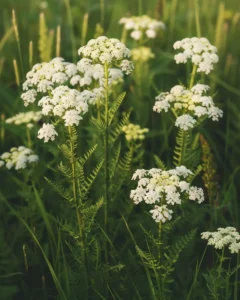
People typically look for astringent herbs in pretty specific, relatable moments. Maybe it’s an occasional bout of loose stools after a meal that didn’t sit quite right, or a minor cut or scrape where a little extra tightening support feels helpful while it heals. Others reach for astringent herbs in their skincare routine, using them as a natural toner for a firmer, more refreshed look after cleansing.
One honest safety note: because astringent herbs can be quite drying and tightening, it’s best to start with a small amount rather than a strong dose, and if digestive discomfort is ongoing, severe, or comes with other concerning symptoms, it’s worth checking in with a healthcare provider rather than relying on herbs alone. Some astringent herbs aren’t recommended for long-term daily use, so occasional, situational use tends to work best.
Suggested herbs: Witch Hazel, Raspberry Leaf, Yarrow, Oak Bark, Blackberry Leaf, Plantain, Rose, Sage, Pomegranate, Uva Ursi
Herbs With This Effect
Explore herbs commonly valued for this property.
Featured Recipes
Recipes that put this property to use.
Available Herbal Products
Explore and shop ready-made products offering this benefit.
Explore herbs commonly valued for their gentle astringent support.
References
- Cleveland Clinic
- Mayo Clinic
- Mount Sinai Health Library — Herbal Medicine
- NIH National Center for Complementary and Integrative Health
Frequently Asked Questions
Q: How quickly do astringent herbs work for an upset stomach?
A: Many people notice a difference within a few hours of drinking an astringent herbal tea, though it depends on the herb and the cause. If discomfort continues past a day or two, it's worth checking with a doctor.
Q: Can I use astringent herbs on my face every day?
A: Occasional use as a toner is common, but daily use can be too drying for some skin types. Start with a couple times a week and see how your skin responds before using it more often.
Q: Is astringent the same as antibacterial?
A: Not quite — astringent refers to the tightening effect on tissue, while antibacterial refers to fighting unwanted bacteria. Some herbs happen to offer both properties, but they work through different mechanisms.
Q: Can astringent herbs make constipation worse?
A: They can, since their tightening effect isn't ideal if you're already prone to constipation. Astringent herbs are best suited for occasional looseness, not regular digestive support.
This information is for educational purposes only and is not intended as medical advice. Consult a qualified healthcare professional before using any herb, especially if pregnant, breastfeeding, taking medications, or managing a health condition.