

Antiviral
Feel a cold coming on? Antiviral herbs gently support your immune system's natural response to everyday viruses.


Antiviral simply means something that may help the body resist or deal with viruses — the kind behind common colds, flu, and other everyday bugs. In herbal medicine, antiviral refers to a plant’s ability to interfere with a virus’s ability to enter cells, replicate, or spread through the body, without directly killing the virus the way a targeted antiviral drug might. Instead, these herbs typically work through plant compounds — including flavonoids, polyphenols, and various essential oils — which is, once again, the tiny plant chemistry doing all the heavy lifting.
In terms of how this plays out physically, antiviral herbs primarily support the immune system, working with your body’s own defenses rather than acting as a standalone treatment. Some plant compounds appear to make it harder for viruses to attach to and enter healthy cells. Others seem to support the immune system’s own signaling — essentially helping your body recognize and respond to an invader a little more efficiently. A few also carry general antioxidant properties, which support cells that are under stress while your immune system does its work. None of this happens instantly or dramatically — it’s a gradual, supportive process rather than a switch that flips.
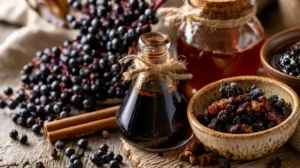
People typically go looking for antiviral herbs in familiar, everyday situations. Maybe it’s that first tickle in the throat that signals a cold might be coming, or the achy, run-down feeling after being around someone who’s sick. Others reach for antiviral herbs and teas proactively, especially during flu season or when travel, poor sleep, or stress has them feeling more vulnerable than usual. These are ordinary, low-stakes moments — not emergencies — where a supportive herb feels like a reasonable thing to reach for.
One honest safety note: antiviral herbs are meant to offer gentle, everyday support, not to treat serious viral illnesses on their own — if symptoms are severe, last longer than expected, or come with a high fever, it’s worth checking in with a healthcare provider. As with most herbs, it’s smart to start with a small amount to see how your body responds, and to check with a doctor first if you’re pregnant, nursing, immunocompromised, or taking medication.
Suggested herbs: Elderberry, Echinacea, Garlic, Oregano, Astragalus, Licorice Root, Ginger, Lemon Balm, Andrographis, Reishi
Herbs With This Effect
Explore herbs commonly valued for this property.
Featured Recipes
Recipes that put this property to use.
Available Herbal Products
Explore and shop ready-made products offering this benefit.
Explore herbs commonly valued for their gentle antiviral support.
References
- NIH National Center for Complementary and Integrative Health
- Mount Sinai Health Library — Herbal Medicine
- Cleveland Clinic
- Mayo Clinic
Frequently Asked Questions
Q: Can antiviral herbs actually prevent me from catching a cold?
A: They're not a guarantee, but many people use antiviral herbs proactively to support their immune system during high-exposure times, like flu season or travel — think of it as tipping the odds in your favor, not a shield.
Q: Should I take antiviral herbs every day, or only when I feel sick?
A: Both approaches are common — some people use milder herbs like elderberry daily during cold season, while others save more potent options for the first sign of symptoms. Start light and see what fits your routine.
Q: Can I get antiviral benefits from food instead of supplements?
A: Yes — garlic, ginger, and oregano are easy to work into everyday cooking, giving you a gentle, ongoing dose of the same plant compounds found in tinctures or capsules.
Q: Is it safe to combine antiviral herbs with over-the-counter cold medicine?
A: Usually, but it's worth checking with a pharmacist or doctor first, especially if you're combining multiple herbs or taking other medications regularly, just to be safe.
This information is for educational purposes only and is not intended as medical advice. Consult a qualified healthcare professional before using any herb, especially if pregnant, breastfeeding, taking medications, or managing a health condition.