

Marshmallow root, honey, and ginger combine three contrasting qualities: marshmallow root provides soothing mucilage, honey adds a coating sweetness, and ginger brings gentle warmth and spice.
This combination makes particular sense when the goal is a comforting drink for a dry or irritated throat. The preparation method matters because marshmallow root behaves very differently in water from ginger.
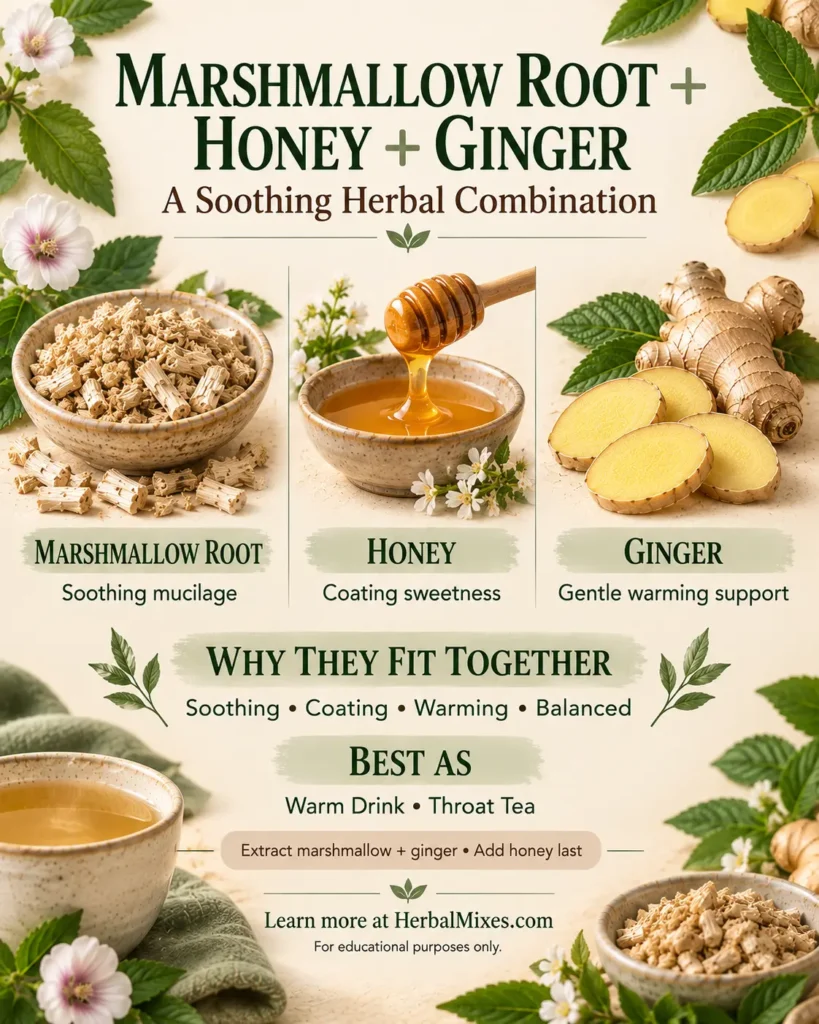
Why These Ingredients Work Well Together
Unlike combinations built from three similar herbs, this blend gives each ingredient a very different job.
| Ingredient | Role in the Combination |
| Marshmallow Root | Provides mucilage and the main soothing, demulcent character of the preparation. |
| Honey | Adds sweetness and a coating texture; it also has some evidence for temporary cough relief. |
| Ginger | Adds warmth, spice and aromatic character while balancing marshmallow’s mild flavor and honey’s sweetness. |
Marshmallow Root — The Soothing Foundation
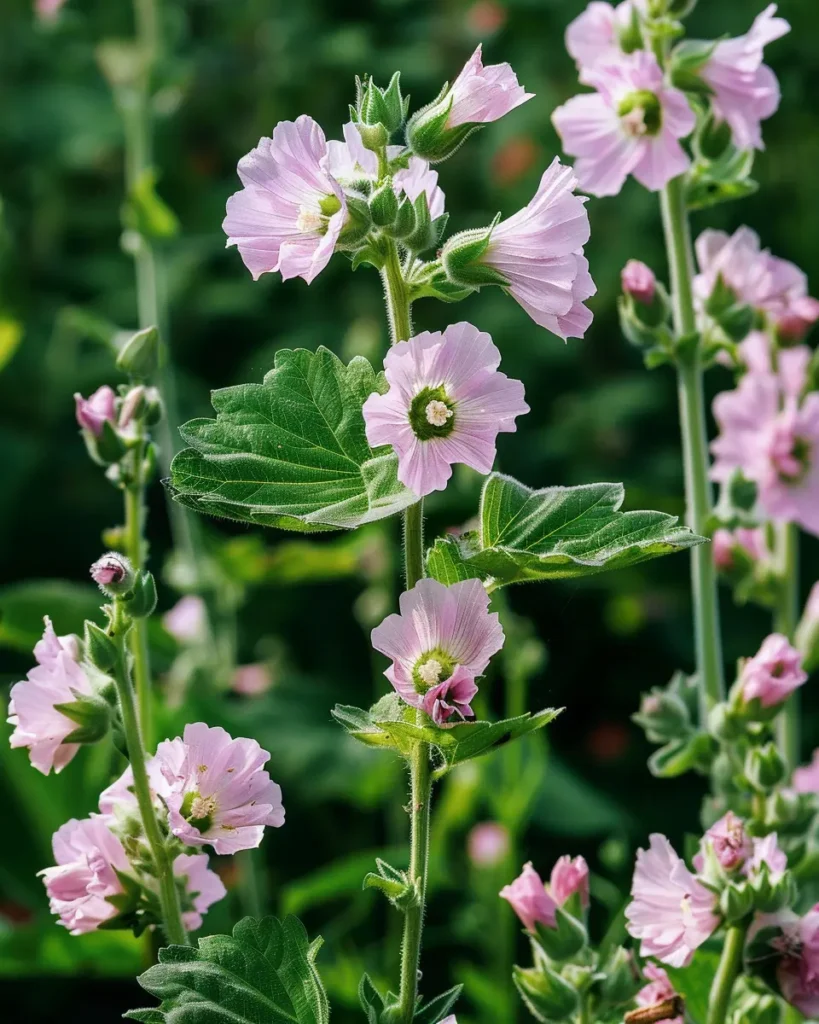
Marshmallow root (Althaea officinalis) is rich in mucilage—a group of polysaccharides that becomes slippery when hydrated.
This physical characteristic is central to the herb’s traditional use. EMA recognizes marshmallow-root preparations, based on long-standing use, for irritation of the mouth or throat and associated dry cough. EMA also emphasizes that the clinical evidence is insufficient for firm conclusions, so this should be described as traditional use rather than a proven medical treatment. (European Medicines Agency (EMA))
For this combination, marshmallow root is the primary soothing ingredient.
Honey — The Coating Sweetener
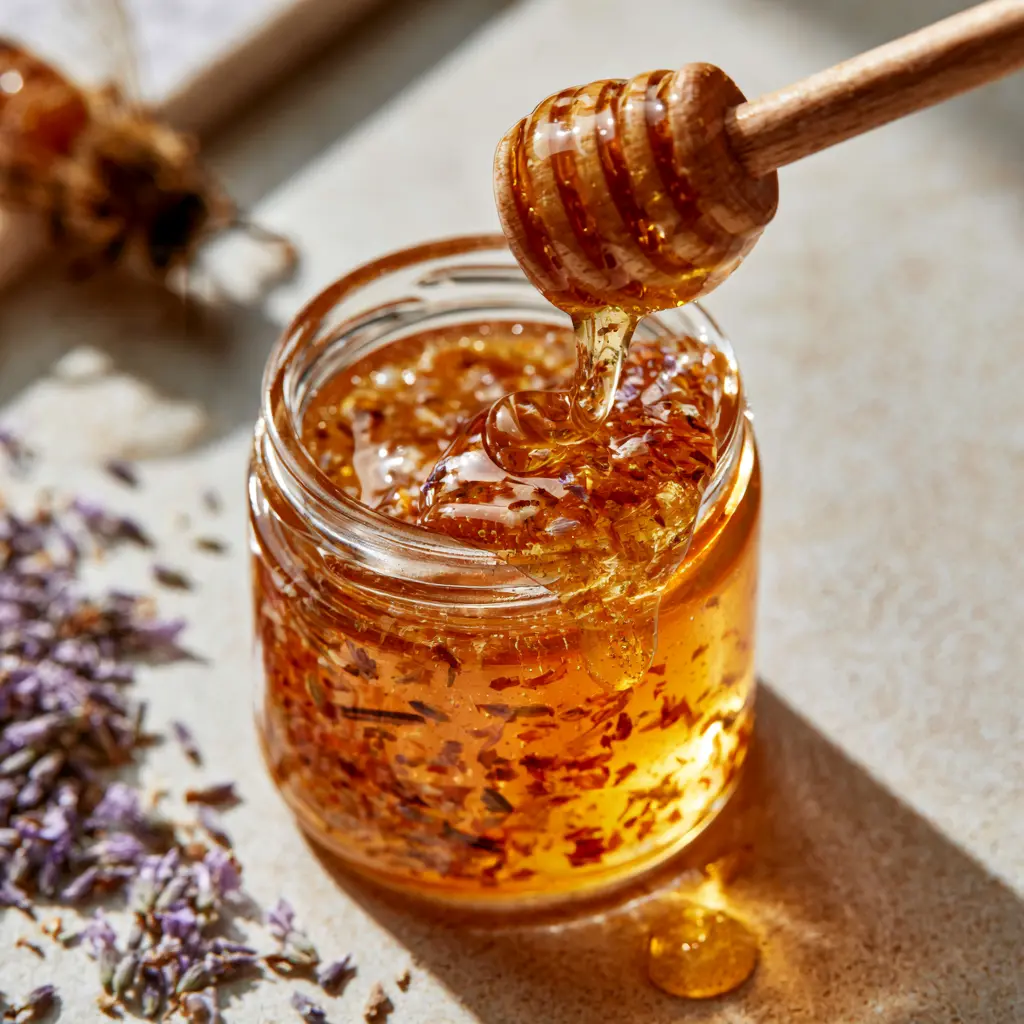
Honey does more than make the preparation taste better.
NCCIH notes that a small amount of research suggests honey may decrease nighttime coughing in children. CDC also lists honey as an option for cough relief in adults and children who are at least 1 year old. (NCCIH)
Honey therefore fits the formula particularly well because its texture and sweetness complement marshmallow root’s mucilaginous character.
It is still best understood as a comfort measure, not as a treatment for the underlying cause of a cough.
Ginger — The Warming Counterbalance
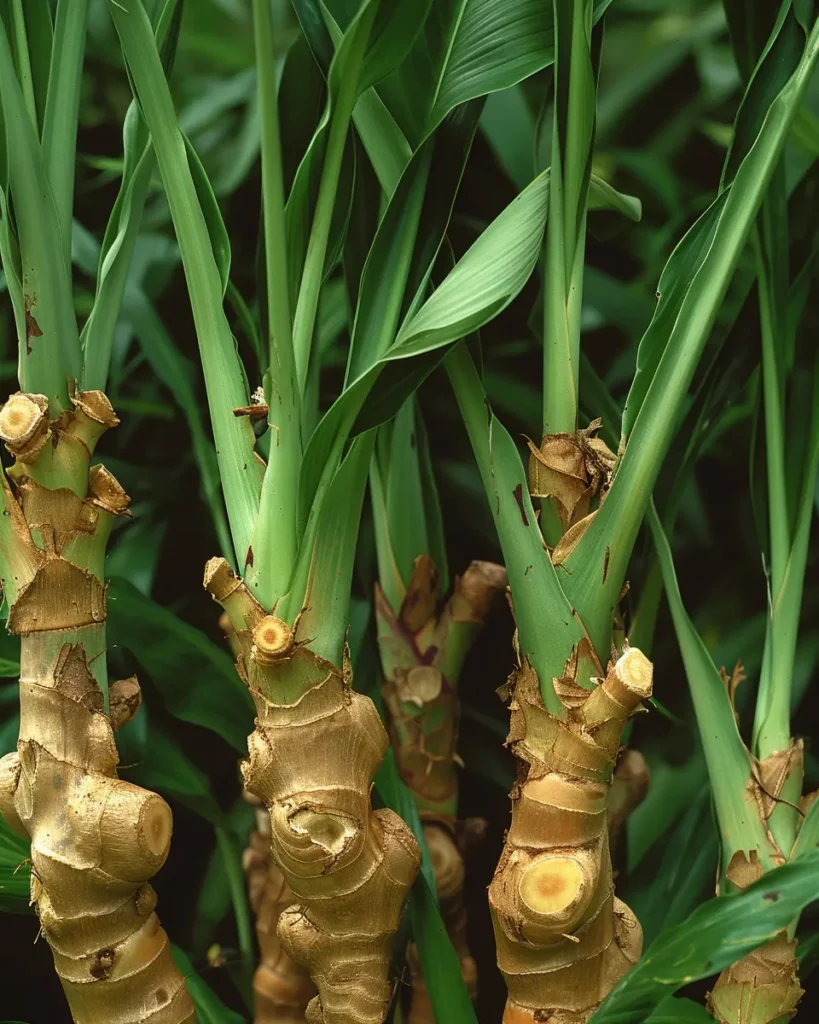
Ginger (Zingiber officinale) gives the combination a warmer and more aromatic character.
Without ginger, marshmallow root and honey can produce a very mild, sweet preparation. A modest amount of ginger adds pungency and helps balance that sweetness.
Ginger has been studied extensively for some uses, particularly nausea, but that research should not be transformed into a claim that ginger treats cough or respiratory infections. It can also cause heartburn, abdominal discomfort, diarrhea, or mouth and throat irritation in some people. (NCCIH)
Why the Combination Makes Sense
The formula can be understood very simply:
Marshmallow root → soothing
Honey → coating + sweetening
Ginger → warming + balancing
This creates a particularly pleasant formulation for a dry, scratchy or irritated throat.
There is also an important practical advantage: honey makes marshmallow’s otherwise bland flavor more appealing, while ginger prevents the finished drink from becoming overwhelmingly sweet.
But the exact marshmallow root + honey + ginger combination has not been established as a clinically proven herbal synergy. The formulation rationale comes from the ingredients’ different traditional, sensory, and preparation roles.
Best Way to Prepare the Combination
Best overall preparation: Two-stage water extraction, followed by honey
This is better than simply boiling everything together.
Marshmallow root is valued for its water-extractable mucilage and works particularly well with prolonged water contact. Ginger is a dense rhizome that tolerates hot water and gentle simmering.
Honey doesn’t need extraction at all.
A practical method is therefore:
1. Extract marshmallow root separately.
2. Prepare ginger with hot water.
3. Combine them.
4. Add honey to taste.
This preserves the distinct purpose of each ingredient.
Simple Herbal Combination
A practical starting preparation is:
- 2 parts marshmallow root
- ½–1 part ginger
- Honey to taste
For example:
2 teaspoons cut marshmallow root
½–1 teaspoon chopped or sliced ginger
1–2 teaspoons honey after preparation
This is a practical starting point, not a clinically established therapeutic ratio.
Use less ginger when the throat is especially sensitive, because strong ginger can feel irritating rather than soothing for some people.
Make It Yourself
What You’ll Need
- 2 teaspoons cut dried marshmallow root
- ½–1 teaspoon fresh or dried ginger
- 2 cups water
- 1–2 teaspoons honey, or to taste
Basic Method
- Place marshmallow root in 1 cup of cool or room-temperature water.
- Allow it to macerate for several hours, then strain.
- Place ginger in the remaining cup of water and gently simmer for about 5–10 minutes.
- Strain the ginger preparation.
- Combine the marshmallow liquid with the warm ginger preparation.
- Add honey to taste once the drink is comfortably warm.
For the full preparation with precise storage guidance:
Preparation Notes
Give Marshmallow Root Time
Marshmallow root doesn’t need to behave like a conventional quick tea.
Longer water contact helps produce the characteristic slippery liquid associated with its mucilage.
Keep the Ginger Moderate
Ginger is the supporting ingredient here, not the star.
Too much can overpower the mild marshmallow root and may feel unpleasant on an already sensitive throat.
Add Honey Last
Honey requires no herbal extraction.
Add it after the marshmallow and ginger preparations have been combined. This also makes it easier to adjust sweetness individually.
Adjust the Temperature
For an irritated throat, the drink does not need to be extremely hot.
Warm or comfortably lukewarm may be more pleasant.
What to Avoid
- Giving honey to infants younger than 12 months
- Making the formula excessively ginger-heavy
- Assuming stronger ginger means greater throat relief
- Treating marshmallow root’s traditional use as proof that it cures cough
- Using very hot liquid when it feels irritating
- Assuming a persistent cough is simply something to manage with herbal tea
- Claiming the combination treats respiratory infections
Safety
Honey must never be given to an infant younger than 12 months because of the risk of infant botulism. For adults and children at least 1 year old, CDC includes honey among measures that can temporarily relieve cough. (CDC)
EMA’s conclusions for marshmallow root are based primarily on traditional use, not strong clinical-trial evidence. Its summary covers preparations used for mouth/throat irritation and associated dry cough and notes use in adults, adolescents, and children over age 3 for those specific medicinal preparations. Product-specific directions still matter. (European Medicines Agency (EMA))
Ginger can cause abdominal discomfort, heartburn, diarrhea, and mouth or throat irritation. Anyone taking medication should discuss medicinal or concentrated herbal preparations with an appropriate healthcare professional because herb–drug interactions are possible. (NCCIH)
Pregnant or breastfeeding people should seek individualized guidance before regularly using concentrated herbal preparations.
When to Seek Medical Care
A soothing drink can temporarily improve comfort, but it doesn’t identify or treat the underlying cause of a cough or sore throat.
Seek medical care for difficulty breathing, chest pain, coughing up blood, severe trouble swallowing, dehydration, confusion, blue or gray lips, severe weakness, or rapidly worsening symptoms.
A persistent cough, recurring cough, prolonged fever, or symptoms that worsen after initially improving also deserve medical evaluation.
Frequently Asked Questions
Can marshmallow root, honey, and ginger be used together?
Yes, they can be combined in a beverage when each ingredient is appropriate for the person using it. The rationale is primarily complementary: marshmallow supplies mucilage, honey adds a coating sweetness, and ginger contributes warmth.
What is the best way to prepare them?
A two-stage preparation works especially well: macerate marshmallow root in water, prepare ginger separately with hot water, combine the liquids, and then add honey.
Should marshmallow root be cold infused?
Cool or room-temperature maceration is a useful way to prepare marshmallow root because it emphasizes its water-soluble mucilage. EMA also describes marshmallow preparations made by maceration. (European Medicines Agency (EMA))
Can I simply put everything in hot water?
Yes, a simpler warm preparation is possible. However, preparing marshmallow separately gives it more water-contact time while allowing you to control the strength of the ginger.
How much honey should I add?
Add enough for the desired taste and texture rather than treating honey as a precisely dosed herbal ingredient. People managing sugar intake should account for honey as an added sugar.
Is this combination better for a dry or wet cough?
The formulation makes the most sense for dry, scratchy throat comfort, because marshmallow root’s traditional use specifically includes throat irritation with associated dry cough. A wet, persistent, or worsening cough may have different causes and should not automatically be treated as an herbal self-care issue. (European Medicines Agency (EMA))
Does honey actually help with coughing?
There is some evidence that honey may reduce nighttime coughing, particularly in children, but it provides symptom relief rather than treating the underlying infection. NCCIH describes the evidence as limited but promising. (NCCIH)
References & Evidence
European Medicines Agency (EMA)
Marshmallow Root — Althaeae radix
EMA recognizes marshmallow root’s traditional use for mouth or throat irritation and associated dry cough while noting limitations in the clinical evidence. (European Medicines Agency (EMA))
National Center for Complementary and Integrative Health (NCCIH)
Colds, Flu, and Complementary Health Approaches
NCCIH summarizes the limited evidence supporting honey for nighttime cough relief and emphasizes that no complementary approach has been shown helpful for influenza. (NCCIH)
Centers for Disease Control and Prevention (CDC)
Manage Common Cold
CDC includes honey as a cough-relief option for adults and children at least 1 year old. (CDC)
National Center for Complementary and Integrative Health (NCCIH)
Ginger: Usefulness and Safety
NCCIH summarizes current ginger evidence, adverse effects, and safety considerations. (NCCIH)
Disclaimer
For educational purposes only. This information is not intended to diagnose, treat, cure, or prevent disease. Herbal products may cause side effects or interact with medications. Consult an appropriate healthcare professional if you have a medical condition, take medication, are pregnant or breastfeeding, or have persistent or concerning symptoms.