
Cramp Bark: Traditional Uses, Actions, and Herbal Preparations
Cramp bark is one of those classic Western herbs that earns trust through reliability. Herbalists have long valued it as a plant that helps the body release rather than suppress—especially when muscles contract too tightly and refuse to let go. Traditionally, cramp bark has been used to support smooth muscle relaxation and physical ease, particularly when tension shows up in rhythmic or spasmodic patterns. It’s a steady, grounding ally, often brought in quietly when the body needs help softening its grip.
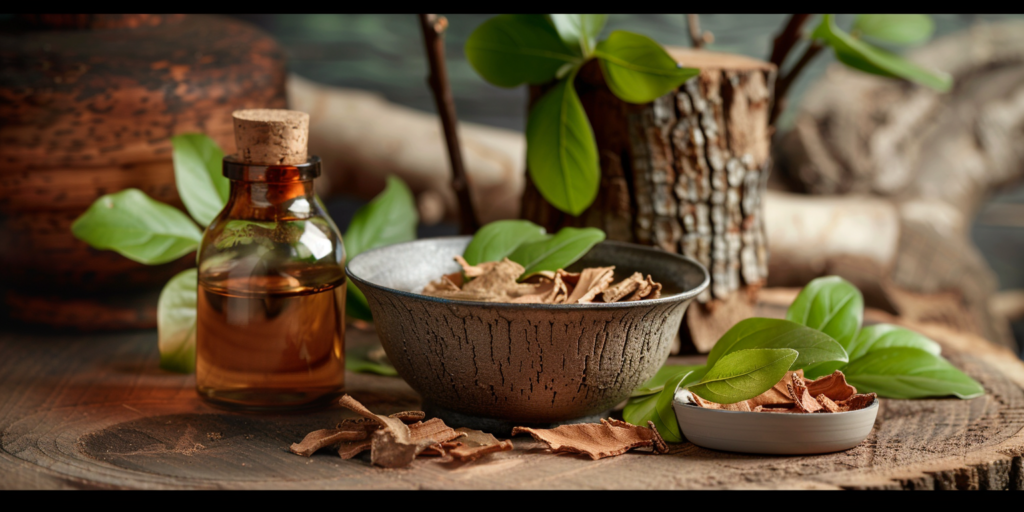
Latin (botanical) name: Viburnum opulus
Plant family: Adoxaceae (formerly Caprifoliaceae)
Common names: Cramp bark, European cranberrybush, guelder rose
Traditional use overview
In traditional Western herbalism, cramp bark is best known as a muscle-relaxing antispasmodic, particularly for smooth muscle tissue. It has been historically used to support physical comfort during spasmodic tension and has a long-standing association with cyclical and abdominal patterns of tightness. Western herbalists often rely on it as a balancing herb rather than a sedating one.
Herbal Actions
Antispasmodic: Traditionally used to help ease involuntary muscle contractions.
Nervine (secondary): Supports relaxation where nervous tension contributes to physical tightness.
Astringent (mild): Supports tissue tone and balance.
Sedative (very mild, traditional context): Encourages physical ease without heavy sedation.
Practical Uses
Cramp bark is most often used when muscle tension feels rhythmic, gripping, or resistant to release. Western herbalists commonly include it in blends aimed at supporting physical comfort during cyclical tension or stress-related muscular holding. It is frequently paired with warming or nervine herbs to round out its cooling nature.
Product Forms
Dried bark: Used for decoctions and extracts.
Alcohol tincture: A common and effective preparation for antispasmodic use.
Glycerite: Alcohol-free extract, gentler and slightly sweeter.
Capsules or tablets: Containing powdered bark.
Liquid extracts: Concentrated preparations for measured use.
Four Traditional Herbal Recipes
Cramp Bark Decoction:
½–1 teaspoon dried bark gently simmered in water for 15–20 minutes, taken as needed.Cramp Bark Tincture:
Dried bark extracted in alcohol, traditionally used in small, regular doses during periods of tension.Cramp Bark–Ginger Blend:
Cramp bark combined with warming ginger root to balance its cooling effect.Muscle Ease Formula:
Cramp bark blended with valerian and black haw for broader antispasmodic support.
Parts Used
Bark (harvested in spring or fall)
Usage Forms & Shelf Life
Internal use: Decoction, tincture, glycerite, capsules
External use: Rare in Western practice
Shelf life:
Dried bark: 2–3 years
Tincture: 4–6 years
Glycerite: 1–2 years
Safety & Considerations and Dosage Guidelines
Cramp bark is traditionally considered safe when used in moderate amounts. Western herbal practice commonly uses it as needed rather than continuously. Typical preparations include small doses of tincture or short courses of decoction. Traditional use and safety considerations are summarized in herbal monographs reviewed by the European Medicines Agency (EMA) and referenced in Western materia medica.
Side Effects & Contraindications
Side effects are uncommon, though large amounts may cause digestive discomfort. Due to its astringent nature, prolonged high intake is traditionally avoided. Safety profiles and traditional cautions are discussed in botanical reviews available through PubMed Central and guidance summarized by the National Center for Complementary and Integrative Health (NCCIH).
Active Constituents
Coumarins (scopoletin):
Traditionally associated with antispasmodic activity; best extracted in alcohol.
Scopoletin has been identified in Viburnum species at low concentrations (generally <0.5% of bark), as reported in phytochemical analyses available via PubMed Central.Iridoid glycosides (viburnin):
Traditionally linked to muscle-relaxing effects; extracted in water and alcohol.Tannins:
Contribute to mild astringency and tissue tone; readily extracted in water.
How It Works
From a traditional Western perspective, cramp bark works by helping smooth muscle tissue relax while maintaining overall tone. Rather than forcing relaxation, it supports a more balanced muscular response. Contemporary phytochemical research on coumarins and iridoids offers insight into this traditional understanding, as discussed in reviews available through PubMed Central and referenced by NCCIH.
Processing Cautions
Cramp bark should be properly identified and harvested at the correct season. Poorly dried bark can lose potency or develop excessive bitterness over time.
Quick Herb Overview
Botanical family: Adoxaceae
Parts used: Bark
Energetics (traditional): Cooling, drying
Taste profile: Bitter, astringent
Herb Identification
Visual traits: Shrub with maple-like leaves, white lace-cap flowers, and bright red berries.
Growth habit: Deciduous shrub.
Look-alikes: Black haw (Viburnum prunifolium); both are used traditionally but are distinct species and should not be confused with unrelated shrubs.
Selecting Quality Herb
High-quality cramp bark is light brown to gray, with a clean bitter taste and minimal musty odor. Excessively dark or powdery material often indicates age or improper storage.
Natural Growing Areas
Cramp bark is native to Europe and parts of Asia and has been widely cultivated and naturalized in North America.
Growing Tips
Cramp bark prefers moist soil and partial shade but is adaptable once established. It is usually grown as a shrub rather than harvested in the wild to ensure sustainability.
Frequently Asked Questions
What makes cramp bark different from black haw?
They are closely related but distinct species. Both are traditionally used for muscle relaxation, though black haw is often considered slightly warmer.
Is cramp bark a sedative?
Traditionally, it is not considered strongly sedating. Its primary role is muscle relaxation rather than nervous system suppression.
Can cramp bark be taken daily?
It is more commonly used as needed rather than continuously.
Does cramp bark work quickly?
Traditional use suggests effects may be noticed within a short time, though responses vary.
What form is best for beginners?
Tinctures are often preferred for ease of use and consistent dosing.
Is cramp bark very bitter?
Yes, its bitterness is noticeable, which is why it’s often blended with warming or aromatic herbs.
References cited using inline clickable source names
Traditional herbal monographs and safety overview European Medicines Agency (EMA)
Phytochemical and constituent analysis PubMed Central
Herbal safety and traditional context National Center for Complementary and Integrative Health (NCCIH)
Botanical identification and cultivation guidance NC State Extension
This article is for educational purposes only and does not provide medical advice, diagnosis, or treatment.