
Skullcap: Traditional Uses, Actions, and Herbal Preparations
Skullcap has long held a quiet but respected place in traditional Western herbalism. It’s not flashy, and it doesn’t shout for attention—but herbalists know it as a deeply steadying plant, especially when the nervous system feels worn thin. Skullcap is traditionally used to support calm focus, nervous system resilience, and physical ease during times of tension. It’s the sort of herb you might reach for when the body is tired, the mind won’t quite settle, and you need support that’s grounding rather than overpowering.
Latin Name, Common Names & Uses
Latin (botanical) name: Scutellaria lateriflora
Plant family: Lamiaceae (mint family)
Common names: Skullcap, American skullcap, Blue skullcap
Traditional use overview
In Western herbalism, skullcap is best known as a nervine tonic—traditionally used to support nervous system tone, emotional steadiness, and muscular relaxation. It has been used historically during periods of prolonged stress, nervous exhaustion, and physical tension, often as part of longer-term support rather than for acute situations.
Herbal Actions
Nervine tonic: Supports healthy nervous system tone over time rather than acting as a sedative.
Antispasmodic: Traditionally used to help ease involuntary muscle tension and spasmodic patterns.
Mild relaxant: Encourages physical and mental relaxation without dulling alertness.
Bitter (mild): Gently supports digestion and assimilation.
Practical Uses
Skullcap is commonly used as a daily tonic herb, especially during extended periods of mental strain, emotional stress, or physical overwork. Western herbalists often combine it with other nervines or restorative herbs to support resilience rather than quick relief.
Product Forms
Loose dried aerial parts: Used for teas and infusions.
Alcohol tincture: One of the most common forms; typically prepared fresh or dried.
Glycerite: Alcohol-free extract, milder but suitable for sensitive individuals.
Capsules: Dried powdered herb.
Liquid extracts: Standardized or non-standardized, depending on manufacturer.
Four Traditional Herbal Recipes
Skullcap Infusion:
1–2 teaspoons dried herb steeped in hot water for 10–15 minutes, taken once or twice daily.Skullcap Nervine Tea Blend:
Skullcap combined with lemon balm and oat tops for long-term nervous system support.Fresh Skullcap Tincture:
Fresh aerial parts extracted in alcohol, traditionally favored for nervous system tonics.Skullcap Evening Tea:
Skullcap blended with passionflower and chamomile for gentle evening relaxation.
Parts Used
Aerial parts (leaves, stems, flowers)
Usage Forms & Shelf Life
Internal use: Tea, tincture, glycerite, capsules
External use: Rare in Western practice
Shelf life:
Dried herb: ~1 year
Tincture: 3–5 years
Glycerite: 1–2 years
Safety & Considerations and Dosage Guidelines
Skullcap is traditionally considered gentle and well tolerated when used appropriately. Common Western herbal doses include 1–2 cups of tea daily or 2–4 mL of tincture up to twice daily. It is typically used over weeks or months rather than as a short-term herb.
Side Effects & Contraindications
Side effects are uncommon and generally mild, though very large doses may cause digestive discomfort or drowsiness. Historical reports of liver concerns were linked to misidentified or adulterated material, not Scutellaria lateriflora itself, as clarified by the American Herbal Products Association (AHPA). As with all herbs, individuals with underlying health concerns should consult a qualified practitioner before long-term use.
Active Constituents
Flavonoids (baicalin, baicalein, wogonin):
Traditionally associated with calming and antioxidant activity; best extracted in alcohol.
Analytical studies commonly report total flavonoid content in the range of 2–5% of dried aerial parts, depending on growing and harvesting conditions, as summarized in PubMed Central.Bitter principles:
Contribute to mild digestive support; extracted in both water and alcohol.Volatile compounds (trace amounts):
Present in small quantities; not a primary focus of extraction.
How It Works
From a traditional perspective, skullcap works by supporting balanced nervous system tone while gently relaxing muscular and emotional tension. Modern research suggests its flavonoids contribute antioxidant activity and interaction with neurotransmitter pathways, which aligns with its long-standing use as a nervine tonic, as discussed in PubMed Central and the National Center for Complementary and Integrative Health (NCCIH).
Processing Cautions
Skullcap should be harvested during flowering and dried promptly to preserve flavonoid content. Prolonged exposure to heat or light during drying and storage can reduce potency over time.
Quick Herb Overview
Botanical family: Lamiaceae
Parts used: Aerial parts
Energetics (traditional): Cooling, drying
Taste profile: Bitter, slightly earthy
Herb Identification
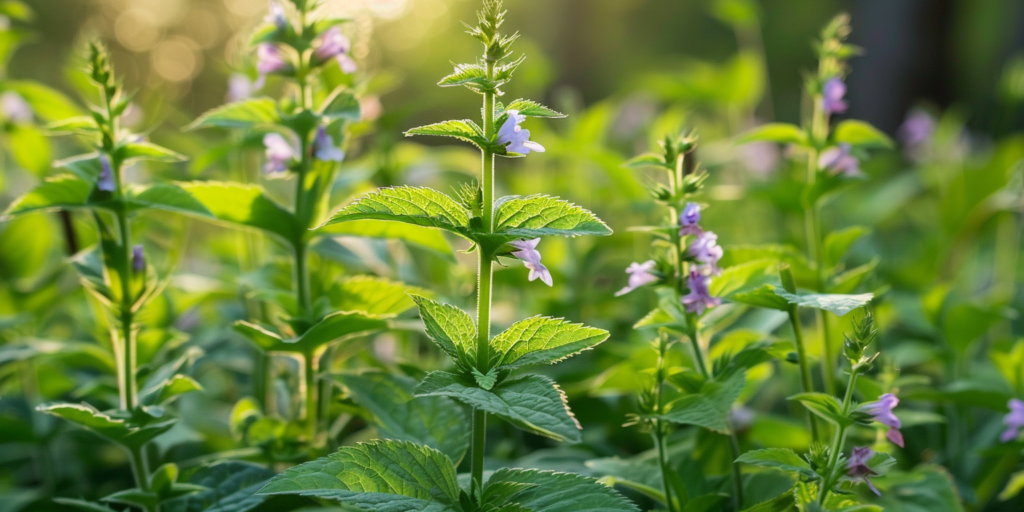
Visual traits: Opposite leaves, square stems, small blue to lavender flowers with a distinctive “helmet-like” calyx.
Growth habit: Perennial herb native to moist meadows and woodland edges.
Look-alikes: Other Scutellaria species; correct identification is essential, and substitution with unrelated plants should be avoided.
Selecting Quality Herb
High-quality skullcap has a fresh green color and a mild bitter aroma. Browned or dusty material often indicates age or poor storage.
Natural Growing Areas
Native to North America, skullcap grows naturally in damp fields, stream banks, and open woodlands.
Growing Tips
Skullcap prefers partial sun, consistently moist soil, and good air circulation. It can be grown from seed or division and benefits from regular harvesting to encourage healthy growth.
Frequently Asked Questions
Is skullcap sedating?
Skullcap is traditionally considered calming but not sedating. Many people find it supports relaxation without causing drowsiness.
Can skullcap be taken daily?
Yes, it is commonly used as a daily tonic herb in moderate amounts.
Is skullcap the same as Chinese skullcap?
No. American skullcap (Scutellaria lateriflora) is different from Chinese skullcap (Scutellaria baicalensis), which has distinct traditional uses.
What form is best for beginners?
Tea or tincture are both approachable, with tea offering a gentler introduction.
How long does skullcap take to notice effects?
Traditional use suggests benefits are more noticeable with consistent use over time rather than immediately.
References cited using inline clickable source names
Traditional use and safety clarification American Herbal Products Association (AHPA)
Constituent data and flavonoid analysis PubMed Central
Herbal overview and research context National Center for Complementary and Integrative Health (NCCIH)
This content is for educational purposes only and is not intended to diagnose, treat, cure, or prevent any disease.