


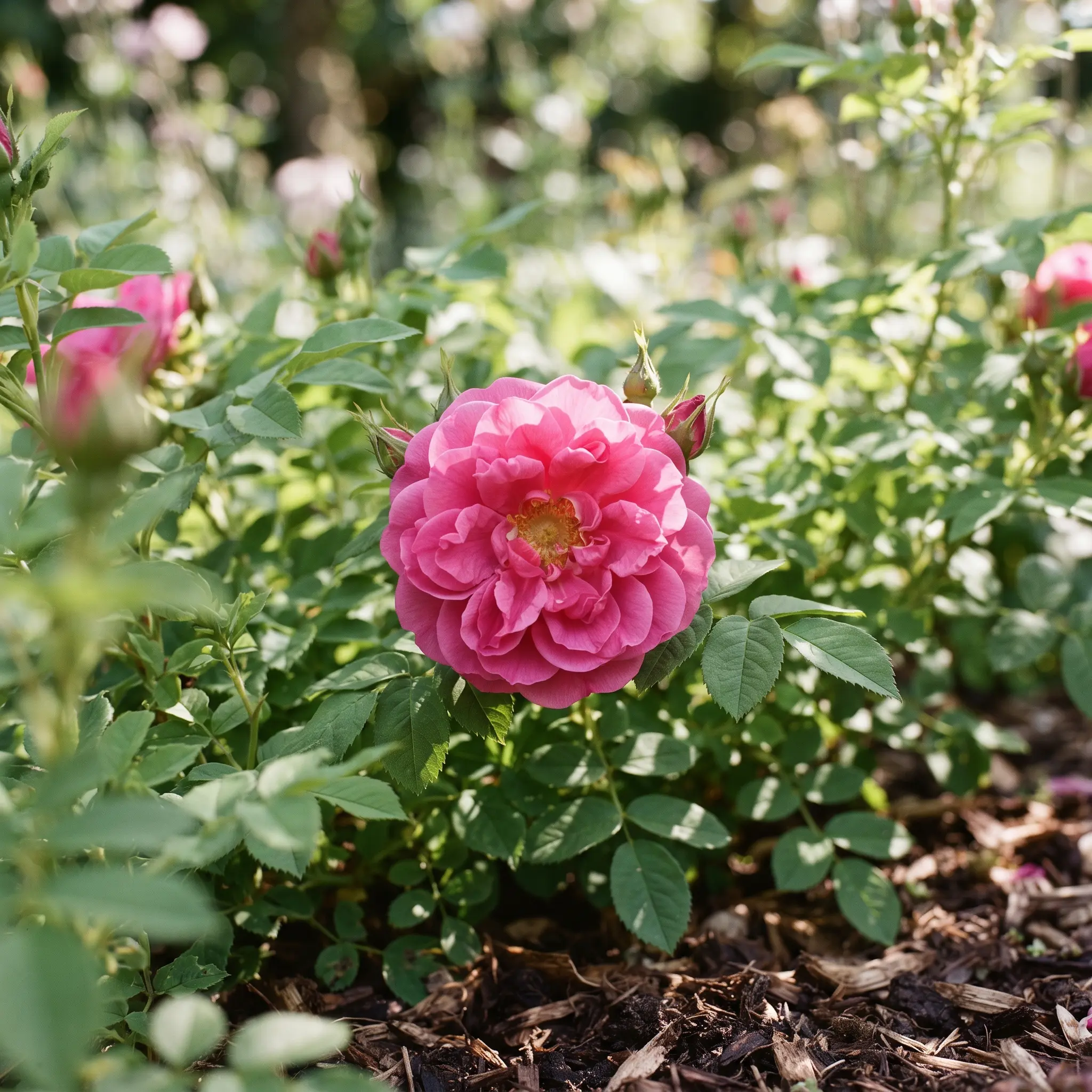
Traditionally, rose has been used primarily for soothing emotional stress and supporting a healthy mood, especially when dealing with grief, anxiety, or a heavy heart. It is commonly prepared as a tea, hydrosol (rose water), tincture, or infused honey.
Common Name: Rose Latin Name: Rosa damascena (Latin name itself in italics) Alternate Names: Damask Rose, Rose Petal
- Parts used: petals, buds
- Primary properties: nervine, astringent, antidepressant (mild)
- Common preparations: tea, hydrosol, tincture, infused honey
- Best known for: easing emotional heaviness and supporting a calm heart
What It Helps With
Health conditions this herb is commonly used to support.
Related Buying Guides
Featured Recipes
Explore and try simple ways to prepare and use this herb at home.
Active Compounds
The tiny plant chemistry doing all the heavy lifting.
Key Herbal Properties
What this herb is known for, herbally speaking.

Herbal Synergies
Other herbs that pair especially well with this one — together, their combined properties work better than either herb does alone.
Health Conditions Rose Helps With
- Grief & emotional heaviness — Rose has long been used as a heart-centered herb, traditionally reached for during times of sadness, loss, or emotional overwhelm.
- Mild anxiety & nervous tension — Traditionally used as a gentle nervine to help ease everyday stress and calm a busy mind.
- Skin irritation — Rose water and rose-infused preparations have a long traditional history of soothing irritated or inflamed skin.
- Sore throat & mouth irritation — Rose petal tea has traditionally been used as a mild astringent gargle for throat comfort.
- Digestive tension — Rose has traditionally been used in small amounts to help ease digestive tightness tied to stress.
- Menstrual discomfort — Traditionally included in formulas to help ease emotional and physical tension around the menstrual cycle.
Compounds
- Volatile oils (citronellol, geraniol, nerol) — Give rose its distinct fragrance and are thought to contribute to its calming, nervine effects.
- Tannins — Responsible for rose’s mild astringent quality, useful in gargles and skin preparations.
- Flavonoids — Contribute to rose’s overall antioxidant activity and traditional anti-inflammatory reputation.
- Vitamin C (notably higher in rose hips) — Supports rose’s traditional reputation as a general tonic, particularly in hip preparations rather than petal preparations.
- Anthocyanins — Pigment compounds responsible for rose’s color, generally understood to contribute to its antioxidant profile.
Properties
- Nervine — Rose’s most defining property, traditionally used to gently calm and uplift emotional state.
- Astringent — Its tannin content gives rose a mild tightening effect, useful for skin and throat applications.
- Antidepressant (mild, traditional) — Long associated with lifting heaviness of heart and supporting emotional resilience.
- Anti-inflammatory — Supports rose’s traditional use for soothing irritated skin and tissues.
- Aromatic — Rose’s fragrance itself is considered part of its traditional therapeutic action, often used in aromatherapy-style preparations.
Recipes Using Rose
- Rose petal tea — A simple, fragrant infusion of dried rose petals, often blended with hibiscus or chamomile for a calming everyday tea.
- Rose water (hydrosol) toner — A gentle, cooling skin mist traditionally used to soothe and refresh irritated or tired skin.
- Rose-infused honey — Dried rose petals steeped into honey, used to soothe the throat or stirred into tea for a calming effect.
Products Featuring Rose
- Dried petals — The most traditional and versatile form, suited for tea, infused honey, and homemade skin preparations.
- Rose water (hydrosol) — A gentle, ready-to-use liquid favored for skin care and light aromatic use.
- Tincture — Offers a concentrated form for those wanting rose’s calming effects without brewing tea.
Synergies
- Rose + hibiscus — A classic pairing for a tart, calming tea with added antioxidant support.
- Rose + chamomile — Combines two gentle nervines for an especially soothing evening tea.
- Rose + lavender — Paired traditionally for stress relief and skin-soothing preparations.
- Rose + hawthorn — A traditional “heart herb” pairing, combined for emotional and general heart-supportive formulas.
Safety & Precautions
Rose is generally considered one of the gentler herbs and is well-tolerated by most people when used as tea, hydrosol, or in culinary amounts. True allergic reactions are uncommon but possible, particularly in those with known sensitivities to plants in the rose family, so anyone with such allergies should introduce it cautiously.
There are no major traditional cautions against rose during pregnancy or breastfeeding at typical culinary or tea-strength amounts, though anyone pregnant or breastfeeding should still check with a healthcare provider before using concentrated rose extracts or essential oil, as essential oils in general are more potent and warrant more caution. Rose essential oil (as opposed to rose water) is highly concentrated and should always be diluted before topical use to avoid skin irritation, and should not be taken internally without professional guidance.
Culinary and tea-strength use of rose is generally very well-tolerated. For pets, rose petals themselves are not considered toxic to dogs or cats in small amounts, but rose essential oil should be used cautiously around pets, particularly cats, and thorny rose stems or treated garden roses (with pesticides) should always be kept out of reach.
Q&A
Does rose tea actually taste like roses, or is it more subtle?
Rose tea has a light, floral flavor that’s genuinely reminiscent of the flower’s fragrance, though it’s usually more delicate than perfume-strength rose scent. It’s often slightly sweet with a subtle tartness, especially when blended with hibiscus.
Because the flavor is delicate, rose is often paired with other herbs to round out the taste rather than used entirely on its own.
Can rose be used daily?
Rose tea and rose water are generally considered gentle enough for daily use by most healthy adults. It’s a mild herb without the strict dosing cautions that come with more potent botanicals.
If using rose specifically for emotional or skin support, many people find a daily cup of tea or a regular rose water misting routine to be a sustainable, low-risk habit.
What’s the difference between rose petals and rose hips?
Rose petals are the soft flower petals, traditionally used for their calming, nervine, and mildly astringent qualities, while rose hips are the small fruit left behind after the flower fades, prized mainly for their high vitamin C content. They come from the same plant but are used somewhat differently.
If the goal is emotional support or skin soothing, petals are the traditional choice; if the goal is general immune or antioxidant support, rose hips are more commonly used.
Is rose water the same as rose essential oil?
No — rose water (hydrosol) is a mild, diluted byproduct of the steam distillation process used to make rose essential oil, while the essential oil itself is highly concentrated. Rose water is gentle enough for direct skin use, while rose essential oil needs to be diluted in a carrier oil before touching skin.
Because of this difference in concentration, rose water is generally the more approachable and widely used product for everyday skin care.
Is rose safe around pets?
Rose petals themselves are not considered toxic to dogs or cats and are sometimes even found in pet-safe treat recipes in small amounts. The bigger things to watch for are thorny stems, which can cause physical injury, and any pesticides or treatments applied to garden roses that aren’t meant for consumption.
Rose essential oil should be used more cautiously around pets, particularly cats, given general sensitivities to concentrated essential oils in that species.
References
- Plants of the World Online: Rosa damascena
- PubMed: Scientific Literature on Rosa damascena
- National Library of Medicine: Chemical Constituents from Rosa damascena
- Wikipedia: Rosa damascena
- ScienceDirect Topics: Rosa damascena Research
- Memorial Sloan Kettering Cancer Center: About Herbs — Rose
- PubMed: Rosa damascena Mood and Anxiety Research
This information is for educational purposes only and is not intended as medical advice. Consult a qualified healthcare professional before using any herb, especially if pregnant, breastfeeding, taking medications, or managing a health condition.