


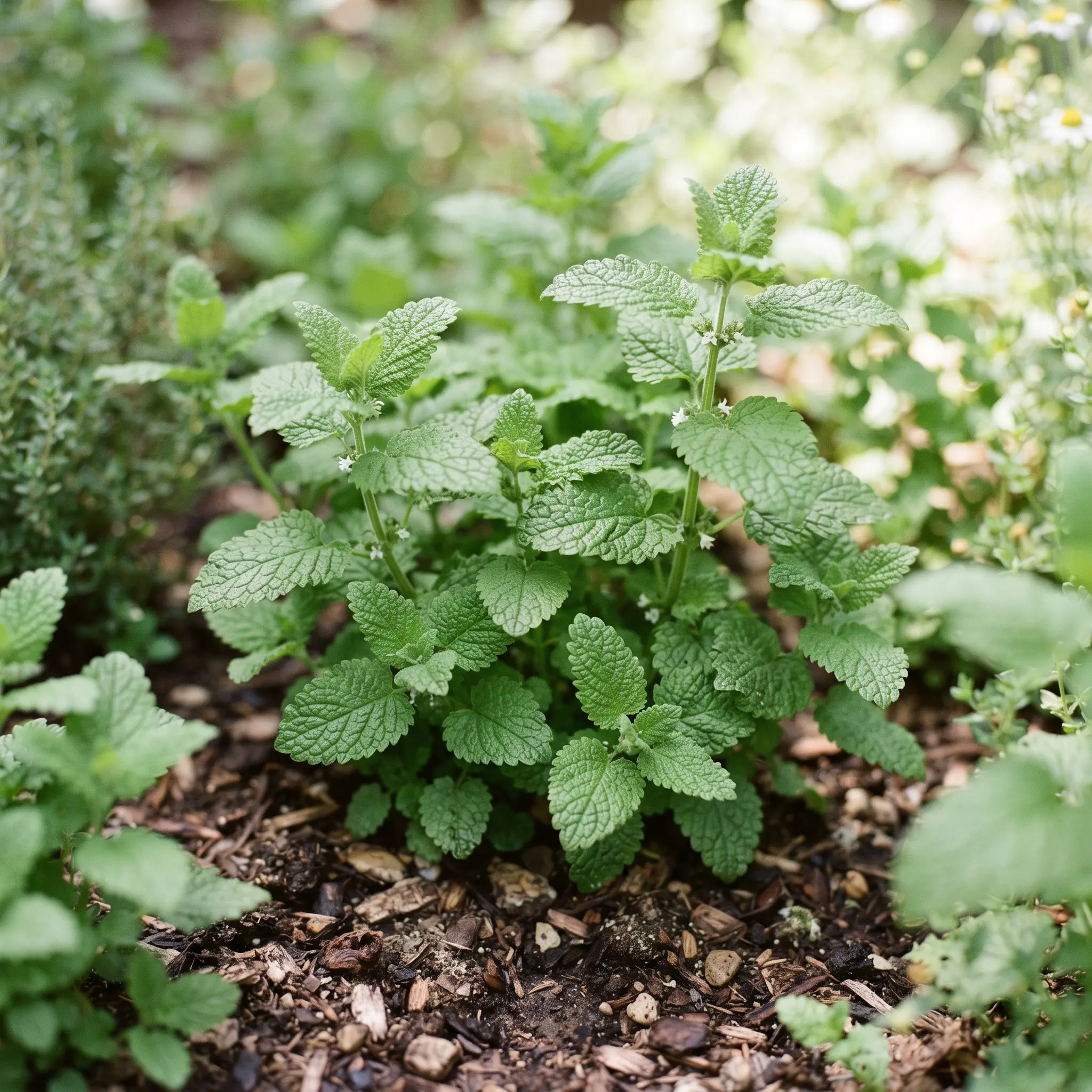
Traditionally, lemon balm has been used primarily to support calm mood and healthy digestion, especially when dealing with mild stress, restlessness, or an unsettled stomach. It is commonly prepared as a tea, tincture, infused oil, or capsule.
Common Name: Lemon Balm
Latin Name: Melissa officinalis
Alternate Names: Melissa
- Parts used: leaf
- Primary properties: nervine, carminative, antiviral
- Common preparations: tea, tincture, infused oil, capsule
- Best known for: supporting calm mood and easing digestive discomfort
What It Helps With
Health conditions this herb is commonly used to support.
Related Buying Guides
Featured Recipes
Explore and try simple ways to prepare and use this herb at home.
Active Compounds
The tiny plant chemistry doing all the heavy lifting.
Key Herbal Properties
What this herb is known for, herbally speaking.




Herbal Synergies
Other herbs that pair especially well with this one — together, their combined properties work better than either herb does alone.
Health Conditions Lemon Balm Helps With
- Stress & Mild Anxiety — Lemon balm has traditionally been used to support a calm, settled mood during everyday stress.
- Sleeplessness — Traditionally taken in the evening to support relaxation and help ease into restful sleep.
- Digestive Discomfort — Its carminative quality has traditionally made lemon balm a go-to for bloating, gas, and general stomach upset.
- Cold Sores — Lemon balm has a long traditional history of topical use, drawing on its antiviral reputation, for supporting skin comfort during cold sore outbreaks.
- Mild Tension Headaches — Traditionally used for its calming quality, particularly when headaches are linked to stress or tension.
Compounds
- Rosmarinic acid — a compound considered central to lemon balm’s traditional calming and antioxidant reputation.
- Volatile oils (including citral and citronellal) — contribute to lemon balm’s characteristic lemony aroma and support its traditional nervine use.
- Flavonoids — generally understood to contribute additional antioxidant activity alongside lemon balm’s other traditional benefits.
- Tannins — mildly astringent compounds present in the leaf, thought to contribute to lemon balm’s traditional topical antiviral use.
Properties
- Nervine — lemon balm’s defining property, traditionally used to support a calm, balanced nervous system.
- Carminative — traditionally used to ease digestive discomfort, gas, and bloating.
- Antiviral — traditionally credited with supporting skin comfort during cold sore outbreaks when used topically.
- Mild antispasmodic — traditionally used to ease mild digestive and muscular tension.
Recipes Using Lemon Balm
- Lemon Balm Tea — a traditional infusion made from dried or fresh leaf, commonly used for calm mood and digestive ease.
- Lemon Balm Tincture — a concentrated liquid extract taken as part of a daily calming routine.
- Lemon Balm Salve — leaf-infused oil combined with beeswax, traditionally applied topically to support skin comfort during cold sore outbreaks.
Products Featuring Lemon Balm
- Loose Leaf or Tea Bags — the most common and approachable form, favored for daily calming tea.
- Tincture — offers a concentrated, adjustable option for those who prefer liquid extracts.
- Topical Salves & Creams — chosen specifically for their traditional use in supporting skin comfort around cold sores.
Synergies
- Chamomile — traditionally paired with lemon balm for a gentle, complementary calming tea blend.
- Lavender — combined for additional nervine support alongside lemon balm’s calming quality.
- Passionflower — paired in traditional formulas focused on deeper relaxation and sleep support.
- Peppermint — added to lemon balm tea for a complementary digestive-supportive quality.
Safety & Precautions
Lemon balm is generally well-tolerated, though it may cause mild digestive upset or drowsiness in some people, particularly at higher doses. Because of its traditional effect on thyroid activity noted in some sources, those with hypothyroidism or thyroid conditions should consult a healthcare provider before regular use. It may increase drowsiness when combined with sedative medications, so caution is advised in that combination. Pregnant and breastfeeding individuals should consult a healthcare provider before use, as robust safety data is limited, though culinary tea-strength amounts are generally considered lower risk. Lemon balm is generally considered non-toxic to pets in small amounts, but concentrated tinctures or extracts should be avoided without veterinary guidance.
Q&A
Does lemon balm taste bitter?
No, lemon balm has a bright, lemony, slightly minty flavor rather than a bitter one, which makes it one of the more approachable and pleasant-tasting calming herbs. Its fresh, citrusy taste is part of why it’s popular in both hot and iced tea.
Lemon balm pairs well with other mild herbs like chamomile or mint, which complement its light, lemony character.
Can lemon balm be used daily?
Yes, lemon balm is commonly used daily, particularly as a calming tea or as part of an ongoing routine to support mood and digestive comfort. Many traditional and modern wellness routines include lemon balm tea regularly without issue.
Because of its potential effect on thyroid function noted in some sources, those with thyroid conditions using lemon balm daily should check in with a healthcare provider periodically.
Is fresh or dried lemon balm better?
Both fresh and dried lemon balm are used traditionally, though fresh leaf tends to have a brighter, more pronounced lemony aroma, while dried leaf is more practical for year-round tea and tincture-making. Fresh lemon balm is often used directly from the garden when in season.
Dried lemon balm loses some of its volatile oil content over time, so using it within a reasonable window after drying helps preserve its characteristic scent and flavor.
Can lemon balm be applied directly to cold sores?
Yes, lemon balm has a long traditional history of topical use for cold sores, typically applied as a salve, cream, or diluted extract directly to the affected area. Many people apply it at the first sign of a cold sore developing.
A patch test on a small area of skin first is a reasonable precaution, especially for those with sensitive skin or who haven’t used lemon balm topically before.
How should lemon balm leaf be stored?
Dried lemon balm leaf should be stored in an airtight container away from light, heat, and moisture, where it typically retains potency for about a year, though its lemony aroma is best within the first several months. Fresh lemon balm should be refrigerated and used within a week or so.
Lemon balm tincture stores well for several years when kept in a dark glass bottle away from direct light and heat.
References
- Plants of the World Online: Melissa officinalis
- PubMed: Scientific Literature on Melissa officinalis
- National Library of Medicine: Chemical Constituents from Melissa officinalis
- Wikipedia: Melissa officinalis
- ScienceDirect Topics: Melissa officinalis Research
- North Carolina State Extension Plant Toolbox: Melissa officinalis
- National Library of Medicine: Rosmarinic Acid Research
This information is for educational purposes only and is not intended as medical advice. Consult a qualified healthcare professional before using any herb, especially if pregnant, breastfeeding, taking medications, or managing a health condition.