


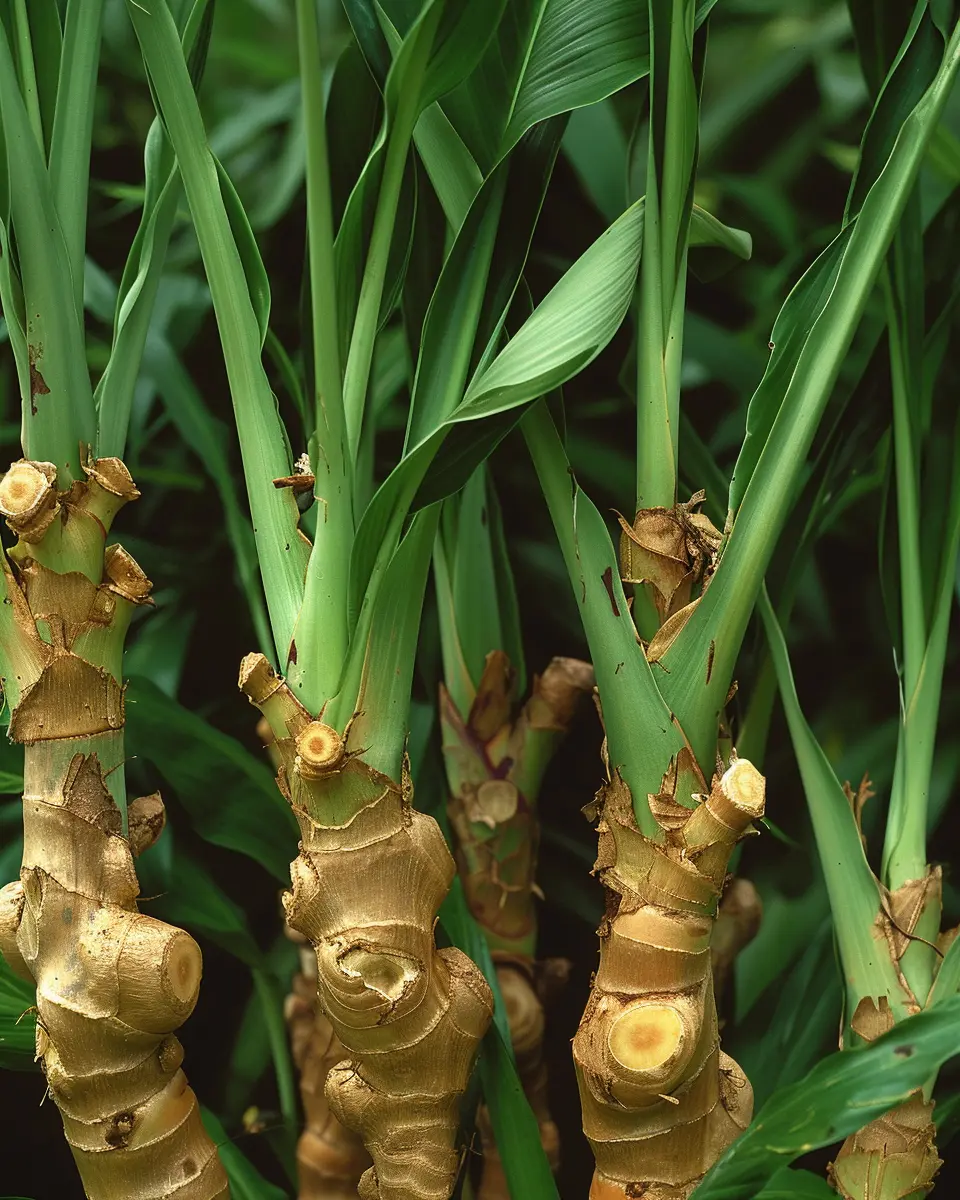
Traditionally, ginger has been used primarily to ease nausea and support digestion, especially when dealing with motion sickness, morning sickness, or an upset stomach. It is commonly prepared as a tea, fresh root, tincture, or capsule.
Common Name: Ginger
Latin Name: Zingiber officinale
Alternate Names: Ginger Root
- Parts used: rhizome
- Primary properties: carminative, antiemetic, warming
- Common preparations: tea, fresh root, tincture, capsule
- Best known for: easing nausea and digestive discomfort
What It Helps With
Health conditions this herb is commonly used to support.
Related Buying Guides
Featured Recipes
Explore and try simple ways to prepare and use this herb at home.
Active Compounds
The tiny plant chemistry doing all the heavy lifting.
Key Herbal Properties
What this herb is known for, herbally speaking.



Herbal Synergies
Other herbs that pair especially well with this one — together, their combined properties work better than either herb does alone.
Health Conditions Ginger Helps With
- Nausea & Motion Sickness — Ginger is one of the most widely used traditional remedies for nausea, whether from travel, motion sickness, or general stomach upset.
- Morning Sickness — Traditionally used in small, food-level amounts to help ease mild nausea associated with early pregnancy.
- Indigestion & Bloating — Its carminative quality has made ginger a traditional after-meal remedy for gas, bloating, and sluggish digestion.
- Muscle & Joint Discomfort — Traditionally used, often topically, to support comfort in mild muscle soreness or joint stiffness.
- Cold & Flu Symptoms — Warming ginger tea has long been used traditionally to support the body during colds, especially when chills or congestion are present.
Compounds
- Gingerols — the primary pungent compounds in fresh ginger, considered central to its traditional antiemetic and anti-inflammatory reputation.
- Shogaols — formed as ginger dries or is heated, thought to contribute a stronger, more warming quality to dried ginger preparations.
- Volatile oils — contribute to ginger’s characteristic aroma and support its traditional digestive and warming use.
- Zingerone — a compound formed during cooking or drying, believed to support ginger’s digestive and antioxidant reputation.
Properties
- Carminative — relieves gas and bloating, a core part of ginger’s traditional digestive use.
- Antiemetic — traditionally used to calm nausea and settle an unsettled stomach.
- Warming — traditionally used to bring warmth to the body, especially useful during colds or digestive sluggishness tied to cold conditions.
- Anti-inflammatory — traditionally credited with supporting comfort in mild muscle and joint discomfort.
Recipes Using Ginger
- Fresh Ginger Tea — a simple, warming infusion made from sliced or grated fresh root, commonly used for nausea and digestion.
- Ginger Candy or Lozenges — a portable, traditional way to take small doses of ginger for on-the-go nausea relief.
- Ginger-Infused Oil — used topically for its warming quality, traditionally applied to sore muscles or joints.
Products Featuring Ginger
- Fresh Root — favored for tea and cooking, offering the most potent and versatile form.
- Capsules — a convenient, taste-neutral option for those who want a consistent dose without preparing tea.
- Candied Ginger or Lozenges — chosen for their portability and ease of use during travel or acute nausea.
Synergies
- Peppermint — traditionally combined with ginger for complementary digestive and nausea-easing support.
- Turmeric — paired for combined anti-inflammatory support, especially for joint and muscle comfort.
- Lemon — added to ginger tea for flavor and a traditional soothing quality during colds.
- Fennel — combined for a broader carminative effect in traditional digestive tea blends.
Safety & Precautions
Ginger is generally well-tolerated in typical culinary and tea-strength amounts, though it can cause mild heartburn or stomach upset in some people, especially at higher doses. It has mild blood-thinning properties, so those on blood-thinning medications or scheduled for surgery should consult a healthcare provider before using concentrated forms. Those with gallstones should use caution, as ginger may stimulate bile production. Pregnant individuals commonly use ginger for morning sickness, but should stick to moderate, food-level amounts and consult a healthcare provider regarding appropriate dosing, especially in the later stages of pregnancy. Ginger is generally considered safe for pets in small amounts, but concentrated forms like extracts or essential oil should be avoided without veterinary guidance.
Q&A
Does ginger taste bitter?
No, ginger isn’t bitter — it has a warm, spicy, slightly sweet flavor with a distinctive peppery bite that becomes more intense the fresher and more concentrated the preparation. Dried ginger tends to taste sharper and more warming than fresh.
Its pleasant, recognizable flavor is part of why ginger tea is one of the more approachable herbal remedies, even for people new to herbal preparations.
Can ginger be used daily?
Yes, ginger is commonly used daily, both as a culinary staple and as a supportive herb for ongoing digestive comfort. Many traditional and modern wellness routines include ginger tea or a small amount of fresh root as part of a regular diet.
For concentrated forms like capsules or tinctures used specifically for a health concern, it’s still generally considered fine for daily use, though checking in with a healthcare provider is reasonable if you’re on other medications.
Is fresh or dried ginger better?
Fresh ginger has a brighter, more citrusy warmth and is often preferred for tea and nausea relief, while dried ginger has a more concentrated, sharper heat due to higher shogaol content formed during drying. Both are used traditionally, just for slightly different purposes.
Fresh ginger tends to be gentler and is often the first choice for morning sickness or sensitive stomachs, while dried ginger is common in capsules and warming winter preparations.
Can ginger help with motion sickness?
Yes, ginger has a long traditional history of use for motion sickness, often taken shortly before travel in the form of tea, candied ginger, or capsules. Many people find it helpful as a preventive measure rather than waiting until nausea has already started.
Ginger chews or lozenges are a popular choice for travel specifically because they’re easy to carry and don’t require preparation.
How should fresh ginger root be stored?
Fresh ginger root should be stored in the refrigerator, ideally in a paper bag or loosely wrapped, where it typically stays good for a few weeks. For longer storage, fresh ginger can also be frozen, which some people find makes it easier to grate.
Dried ginger powder should be kept in an airtight container away from light and heat, where it typically retains potency for about a year.
References
- Plants of the World Online: Zingiber officinale
- PubMed: Scientific Literature on Zingiber officinale
- National Library of Medicine: Chemical Constituents from Zingiber officinale
- Wikipedia: Zingiber officinale
- ScienceDirect Topics: Zingiber officinale Research
- Memorial Sloan Kettering Cancer Center: About Herbs — Ginger
- National Library of Medicine: Gingerol Research
This information is for educational purposes only and is not intended as medical advice. Consult a qualified healthcare professional before using any herb, especially if pregnant, breastfeeding, taking medications, or managing a health condition.