Post-illness fatigue is the lingering tiredness that can remain after an infection, fever, stomach bug, respiratory illness, or other health setback. It may feel like your body finished the illness but forgot to turn the lights fully back on.
Learn more about Post-Illness Fatigue
Why Post-Illness Fatigue Happens
After illness, the body may still repair tissues, calm inflammation, restore fluids, rebuild appetite, and rebalance sleep. That recovery work uses real energy.
Some people also lose strength after bed rest. Others feel drained because they ate less, slept poorly, became dehydrated, or pushed themselves too soon.
Common Types
Mild post-illness fatigue often improves gradually with rest, food, fluids, and gentle movement. Deeper fatigue may come with brain fog, dizziness, poor stamina, low appetite, or muscle weakness.
Some people experience post-exertional malaise. This means symptoms worsen after physical or mental effort, often 12 to 48 hours later, and may last days or weeks.
Common Triggers
Common triggers include returning to work too soon, intense exercise, poor sleep, dehydration, low protein intake, stress, and ongoing inflammation. Viral infections can leave some people especially sensitive to overexertion.
Traditional Herbal Patterns
Traditional herbalism often sees post-illness fatigue through depletion, dryness, weak digestion, nervous system strain, and low resilience. Nutritive herbs suit mineral depletion. Adaptogens suit slow recovery patterns. Digestive herbs suit low appetite and heaviness.
Herbalists usually start gently. A tired body often prefers steady nourishment, not heroic stimulation.
How Herbs Can Help Post-Illness Fatigue
Herbalism traditionally sees post-illness fatigue as depleted vitality, weak digestion, nervous system strain, and slow rebuilding after stress. Nutritive herbs replenish minerals, adaptogens support resilience, nervines calm recovery stress, and aromatic digestive herbs support appetite and meal comfort. Herbalists choose between these actions by noticing whether fatigue feels weak, wired, foggy, depleted, chilled, or digestion-related, and these are herbs traditionally used when post-illness fatigue happens: nettle, oat straw, ginger, lemon, elderberry, rosehips, cinnamon, lemon balm, chamomile, astragalus, shiitake, garlic, tulsi, marshmallow root, licorice root, hibiscus, orange peel, peppermint, fennel, calendula, oats, schisandra, echinacea, elderflower, yarrow.
“Post-illness fatigue is your body’s quiet memo that recovery is still work, even when the thermometer looks innocent.”
Recipes & Remedies Post-Illness Fatigue
Herbal Preparations
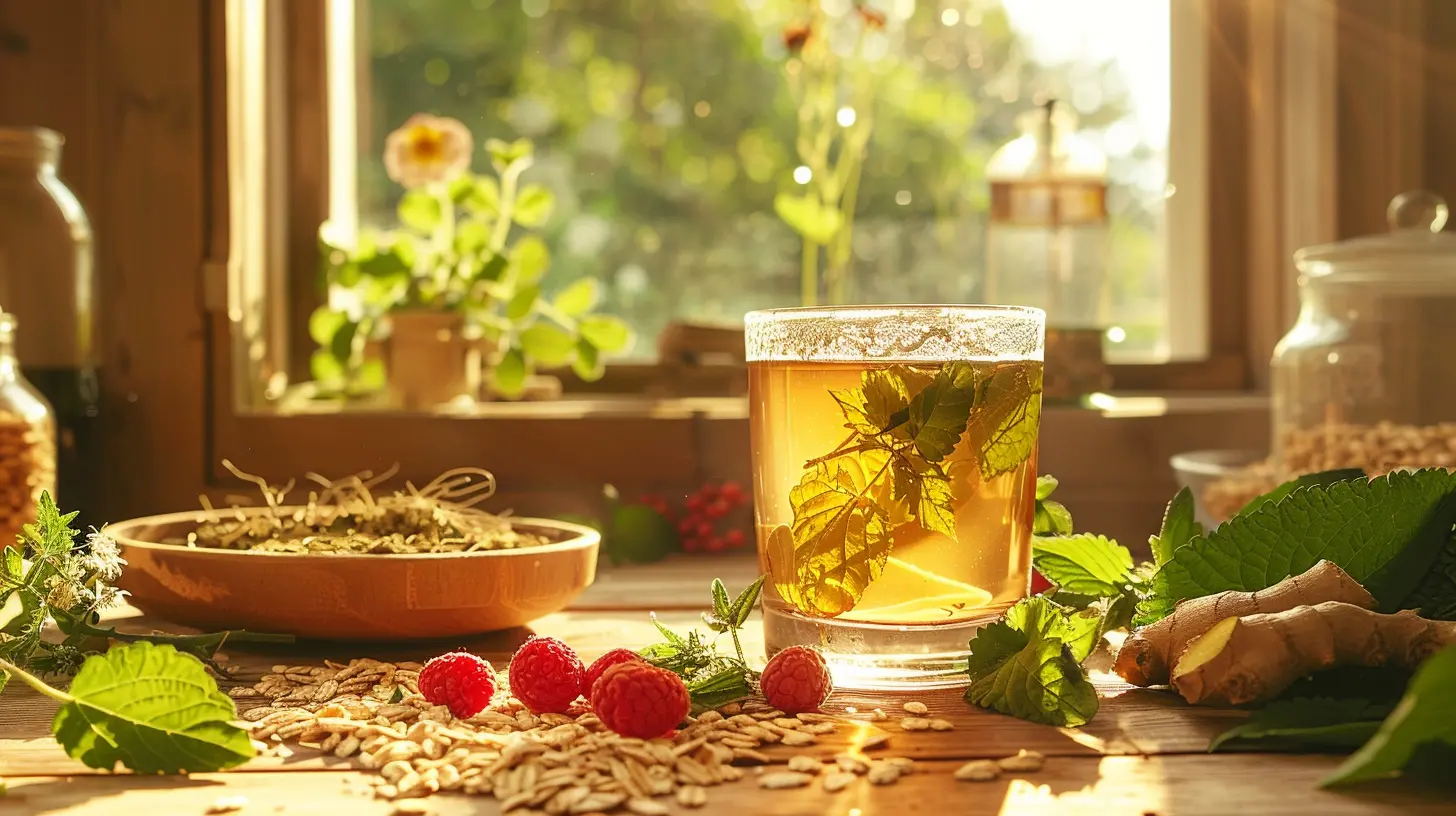
Nettle, Oat Straw, and Rosehip Recovery Infusion
Short description
This gentle infusion uses mineral-rich and vitamin-rich herbs traditionally used during low-energy recovery. It tastes earthy, slightly grassy, and quietly practical.
Ingredients with exact measurements
- 1 tablespoon dried nettle leaf
- 1 tablespoon dried oat straw
- 1 teaspoon dried rosehips
- 1/2 teaspoon dried ginger root or 2 thin slices fresh ginger
- 2 cups hot water
- 1 teaspoon honey, optional
- 1 lemon slice, optional
Step-by-step preparation instructions
- Add nettle, oat straw, rosehips, and ginger to a heat-safe jar.
- Pour 2 cups hot water over the herbs.
- Cover the jar.
- Steep for 20 minutes.
- Strain into a cup.
- Add honey or lemon if desired.
How to use
Sip 1 cup once daily during gentle recovery. Start with a smaller amount if your digestion still feels sensitive.
Food for support Post-Illness Fatigue
Gentle Chicken, Lentil, and Ginger Recovery Soup
Short description
This warm soup provides fluid, protein, minerals, and easy-to-digest nourishment. It suits the stage when appetite returns, but energy still moves like a sleepy turtle.
Ingredients with exact measurements
- 1 tablespoon olive oil
- 1 teaspoon fresh ginger, grated
- 1 small carrot, diced
- 1 celery stalk, diced
- 1/2 cup cooked shredded chicken
- 1/2 cup cooked red lentils
- 3 cups low-sodium chicken broth
- 1 cup baby spinach
- 1 teaspoon lemon juice
- 1 pinch sea salt, optional
Step-by-step preparation instructions
- Warm olive oil in a small pot.
- Add ginger, carrot, and celery.
- Cook for 3 minutes.
- Add chicken, lentils, and broth.
- Simmer for 10 minutes.
- Add spinach and cook until wilted.
- Finish with lemon juice.
- Add a small pinch of salt if appropriate.
How to use
Eat one small bowl warm. Pair it with rest, fluids, and gentle pacing rather than intense activity.
What Herbs You Need
The herbs traditionally used for post-illness fatigue support include nettle, oat straw, rosehip, ginger, tulsi, astragalus, and schisandra. These herbs support different recovery patterns, including mineral depletion, nervous exhaustion, weak digestion, immune recovery, and low resilience.
Nettle
Latin name: Urtica dioica
Key herbal actions:
Nutritive tonic: provides minerals and plant compounds for general recovery.
Astringent: gently tones tissues through tannin content.
Seasonal support herb: traditionally used during allergy and recovery patterns.
Key active compounds relevant to this issue:
Flavonoids, chlorogenic acid, caffeic acid, carotenoids, minerals, and tannins.
Oat Straw
Latin name: Avena sativa
Key herbal actions:
Nutritive nervine: supports the nervous system during depletion.
Mineral-rich tonic: traditionally used when stress drains reserves.
Gentle restorative: suits slow, steady rebuilding.
Key active compounds relevant to this issue:
Avenanthramides, silica, minerals, flavonoids, saponins, and beta-glucans.
Rosehip
Latin name: Rosa canina
Key herbal actions:
Nutritive herb: provides vitamin C and antioxidant-rich plant compounds.
Astringent: gently tones tissues through tannins.
Sour restorative: traditionally used when recovery needs brightness and nourishment.
Key active compounds relevant to this issue:
Vitamin C, carotenoids, flavonoids, galactolipids, and phenolic acids.
Ginger
Latin name: Zingiber officinale
Key herbal actions:
Warming digestive: traditionally supports cold, sluggish digestion.
Carminative: helps ease gas and unsettled stomach.
Circulatory stimulant tradition: brings warmth to cold, low-energy patterns.
Key active compounds relevant to this issue:
Gingerols, shogaols, zingerone, and volatile oils.
Tulsi
Latin name: Ocimum tenuiflorum
Key herbal actions:
Adaptogen: supports resilience during stress and recovery.
Nervine: supports calm focus without heavy sedation.
Aromatic digestive: supports digestion through fragrant oils.
Key active compounds relevant to this issue:
Eugenol, ursolic acid, rosmarinic acid, linalool, and flavonoids.
Astragalus
Latin name: Astragalus membranaceus
Key herbal actions:
Adaptogen: traditionally supports stamina and resilience.
Immune tonic tradition: often used during recovery seasons.
Qi tonic in Chinese herbalism: traditionally supports low vitality patterns.
Key active compounds relevant to this issue:
Astragalosides, polysaccharides, flavonoids, saponins, and isoflavones.
Schisandra
Latin name: Schisandra chinensis
Key herbal actions:
Adaptogen: traditionally supports stress resilience and stamina.
Hepatic tonic tradition: supports liver-related herbal wellness patterns.
Astringent tonic: traditionally used when energy feels scattered or depleted.
Key active compounds relevant to this issue:
Schisandrins, lignans, organic acids, polysaccharides, and volatile oils.
Key Herbal Products for Post-Illness Fatigue
Nettle and Oat Straw Tea
This product usually combines mineral-rich herbs in loose tea or tea bags. People often use it during gentle recovery and low-nourishment periods.
Pros: It feels mild, food-like, and suitable for slow rebuilding.
Cons: It may taste grassy or earthy.
Choose this form when fatigue feels depleted rather than stimulated.
American or Asian Ginseng Capsules
Ginseng products contain Panax quinquefolius or Panax ginseng. People commonly choose them for fatigue, stamina, and recovery support.
Pros: They are widely available and easy to dose.
Cons: They can feel overstimulating and may interact with medications.
Choose this form only after checking safety, especially with diabetes, blood thinners, pregnancy, or insomnia.
Tulsi Tea
Tulsi tea uses the leaves of holy basil. People often choose it when fatigue appears with stress, tension, or emotional weariness.
Pros: It tastes pleasant and suits daily tea routines.
Cons: It may not feel strong enough for deep exhaustion.
Choose this form when you feel tired and wired at the same time.
Astragalus Root Slices or Capsules
Astragalus appears as sliced root, powders, capsules, and tinctures. People traditionally use it during recovery and resilience-building seasons.
Pros: It fits soups, broths, and long-simmered preparations.
Cons: It may not suit some autoimmune conditions or immune-suppressing medications.
Choose this form when fatigue follows repeated illness or low resilience patterns.
Schisandra Berry Powder or Capsules
Schisandra products use the tart red berries. People often choose it for stamina, stress resilience, and recovery formulas.
Pros: It offers a unique tart flavor and long tonic tradition.
Cons: It may interact with medications processed by the liver.
Choose this form when fatigue comes with stress load and scattered energy.
FAQ
Is post-illness fatigue normal?
Yes, short-term fatigue can happen after many illnesses. However, fatigue that persists, worsens, or disrupts daily life deserves medical attention.
How long can post-illness fatigue last?
It varies. Some people feel better within days or weeks, while others need longer recovery. Fatigue after viral illness can sometimes last months.
Should I exercise through post-illness fatigue?
Not aggressively. Start with gentle movement only when symptoms allow. If activity worsens symptoms later, use pacing and seek medical guidance.
What is post-exertional malaise?
Post-exertional malaise means symptoms worsen after physical, mental, or emotional effort. It can appear 12 to 48 hours after activity and may last days or weeks.
Can herbs replace rest?
No. Herbs cannot replace sleep, fluids, food, and pacing. Think of herbs as support, not a permission slip to overdo everything.
Is fresh or dried herb better?
Dried nettle, oat straw, rosehips, astragalus, and schisandra store well. Fresh ginger works beautifully in tea and soup.
When should I seek medical care?
Seek care for severe fatigue, chest pain, shortness of breath, fainting, fever, rapid heartbeat, confusion, unexplained weight loss, or worsening symptoms. Also seek care if fatigue lasts more than a few weeks.
References
CDC: Long COVID Signs and Symptoms
CDC: ME/CFS Post-Exertional Malaise and Pacing
National Center for Complementary and Integrative Health: Asian Ginseng
National Center for Complementary and Integrative Health: Herb-Drug Interactions
PubMed: Ginseng as a Treatment for Fatigue, A Systematic Review
PubMed Central: Post-Viral Pain, Fatigue, and Sleep Disturbance Syndromes
PubMed Central: Chronic Fatigue and Postexertional Malaise
PubMed Central: Post-Viral Fatigue in COVID-19
PubMed Central: Tulsi, Ocimum sanctum, A Herb for All Reasons
PubMed Central: Astragalus membranaceus Pharmacological Effects
PubMed Central: Schisandra chinensis Pharmacological Overview
Disclaimer
This article is for educational purposes only. It does not provide medical advice, diagnosis, or treatment. Post-illness fatigue can come from infection recovery, anemia, thyroid changes, heart or lung strain, medication effects, long COVID, ME/CFS, or other causes. Talk with a qualified healthcare professional if fatigue persists, worsens, or limits normal activity. Seek urgent care for chest pain, shortness of breath, fainting, confusion, severe weakness, rapid heartbeat, high fever, or new neurological symptoms.