
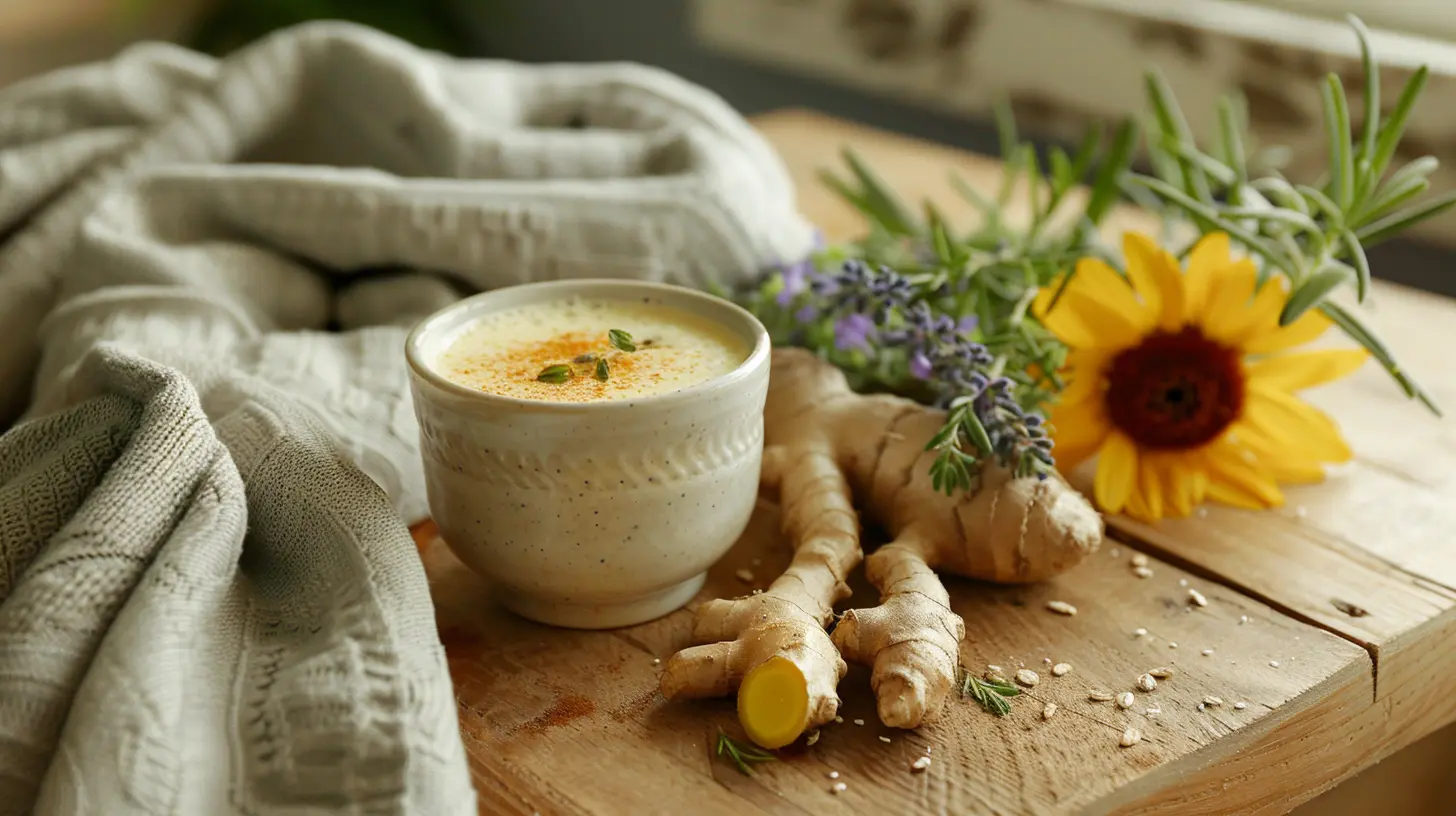
Post-exercise soreness is the achy, tender, stiff feeling that can show up after a workout, especially after new, intense, or unfamiliar movement. It often feels like your muscles are politely reminding you that yesterday’s “just one more set” had consequences.
Learn more about Post-Exercise Soreness
Why It Happens
Post-exercise soreness often appears after muscles work harder than usual, especially during eccentric movements, where muscles lengthen under load. Examples include downhill walking, squats, lunges, slow lowering in strength training, and returning to exercise after a break.
Main Types in Plain Language
Immediate soreness happens during or right after exercise and usually settles fairly quickly. Delayed-onset muscle soreness, often called DOMS, usually appears 12 to 24 hours later and may peak around one to three days after exercise.
Common Triggers
Common triggers include new workouts, heavier weights, longer sessions, downhill movement, intense stretching, poor sleep, dehydration, and inadequate recovery time. Doing too much too soon often turns a helpful workout into a negotiation with stairs.
How It Shows Up Daily
You may notice stiffness, tenderness, reduced range of motion, weakness, or soreness when using the affected muscles. Mild soreness usually improves with gentle movement, hydration, food, and rest.
Traditional Herbal View
Traditional herbalism often understands post-exercise soreness through patterns of tissue strain, heat, tension, sluggish circulation, and recovery depletion. Herbalists may choose warming circulatory herbs, relaxing nervines, topical rubefacients, antioxidant-rich herbs, and mineral-rich tonics depending on the person’s pattern.
How Herbs Can Help Post-Exercise Soreness
Herbalism traditionally sees post-exercise soreness as a pattern of overworked tissues, temporary heat, stiffness, and slowed recovery after exertion. Circulatory herbs bring warmth and movement, anti-inflammatory herbs support a calmer recovery response, nervines ease tension, and mineral-rich herbs support everyday rebuilding. Herbalists choose between those actions by noticing whether soreness feels hot, tight, stiff, heavy, depleted, or better with warmth and gentle movement. These are herbs traditionally used when post-exercise soreness happens: ginger, turmeric, arnica, rosemary, lavender, tart cherry, hibiscus, meadowsweet, willow bark, cayenne, nettle, dandelion leaf, chamomile, valerian, passionflower, comfrey leaf, St. John’s Wort, ashwagandha, maca, cacao, cinnamon, peppermint, boswellia.
Muscles love ambition, but they also appreciate a good recovery plan and fewer surprise staircases.
Recipes & Remedies Post-Exercise Soreness
Herbal Preparations
Warming Ginger-Turmeric Recovery Tea
This warming tea combines ginger and turmeric with a little black pepper and honey. It suits the post-workout moment when muscles feel stiff, heavy, and ready for comfort.
Ingredients with exact measurements
- 1 teaspoon freshly grated ginger
- 1/2 teaspoon ground turmeric
- 1 small pinch black pepper
- 1 teaspoon honey, optional
- 1 teaspoon lemon juice, optional
- 10 ounces hot water
Step-by-step preparation instructions
- Add ginger, turmeric, and black pepper to a mug.
- Pour 10 ounces hot water over the mixture.
- Cover the mug.
- Steep for 10 minutes.
- Strain if desired.
- Add honey and lemon after the tea cools slightly.
- Stir well before drinking.
How to use
Sip 1 cup after exercise or later in the day. Avoid strong ginger or turmeric preparations if they irritate your stomach, worsen reflux, or conflict with your medications. Choose gentle movement, hydration, and rest as the foundation.
Food for support Post-Exercise Soreness
Tart Cherry Ginger Recovery Smoothie
This simple smoothie combines tart cherry juice, Greek yogurt, banana, and ginger. It offers fluid, protein, carbohydrates, and a bright flavor that tastes better than walking downstairs feels.
Ingredients with exact measurements
- 1/2 cup unsweetened tart cherry juice
- 1/2 cup plain Greek yogurt
- 1 small banana
- 1/2 cup frozen berries
- 1/4 teaspoon freshly grated ginger
- 1 tablespoon ground flaxseed
- 1/4 cup water, if needed
Step-by-step preparation instructions
- Add tart cherry juice, yogurt, banana, berries, ginger, and flaxseed to a blender.
- Blend until smooth.
- Add water if you prefer a thinner texture.
- Taste and adjust with more banana if needed.
- Serve immediately.
How to use
Drink after exercise or as a recovery snack. Pair it with a balanced meal if the workout was long or intense. Avoid ingredients that do not suit your digestion or personal food needs.
What Herbs You Need
For post-exercise soreness, traditional herbalism often uses ginger, turmeric, rosemary, arnica, cayenne, nettle, oat straw, lavender, and chamomile. These herbs support different recovery patterns, and they do not replace rest, gradual training, hydration, protein, or medical care when pain suggests injury.
Ginger
Latin name: Zingiber officinale
Key herbal actions:
Warming carminative: supports digestion and brings warmth.
Circulatory stimulant: encourages a feeling of movement and warmth.
Anti-inflammatory support: contains compounds studied for inflammatory pathways.
Key active compounds: gingerols, shogaols, zingiberene, paradols.
Turmeric
Latin name: Curcuma longa
Key herbal actions:
Anti-inflammatory support: contains curcumin, studied for inflammation-related pathways.
Antioxidant: helps protect cells from oxidative stress.
Warming digestive herb: traditionally supports sluggish digestion.
Key active compounds: curcumin, demethoxycurcumin, bisdemethoxycurcumin, turmerones.
Rosemary
Latin name: Salvia rosmarinus
Key herbal actions:
Circulatory herb: traditionally used where warmth and movement feel helpful.
Aromatic nervine: offers a bright, stimulating scent.
Antioxidant support: contains compounds studied for oxidative stress.
Key active compounds: rosmarinic acid, carnosic acid, carnosol, 1,8-cineole.
Arnica
Latin name: Arnica montana
Key herbal actions:
Topical vulnerary: traditionally used externally after bumps, strain, or overuse.
Rubefacient: encourages surface warmth when applied topically.
Anti-inflammatory support: studied in topical preparations.
Key active compounds: sesquiterpene lactones, helenalin, flavonoids, phenolic acids.
Cayenne
Latin name: Capsicum annuum or Capsicum frutescens
Key herbal actions:
Rubefacient: creates surface warmth when used externally.
Counterirritant: produces a warming sensation that may shift attention from soreness.
Circulatory stimulant: traditionally used to bring warmth and movement.
Key active compounds: capsaicin, carotenoids, flavonoids.
Nettle
Latin name: Urtica dioica
Key herbal actions:
Nutritive: provides minerals and plant compounds for everyday nourishment.
Tonic: traditionally used for steady rebuilding.
Mild diuretic: supports normal fluid movement.
Key active compounds: minerals, flavonoids, chlorophyll, carotenoids, phenolic acids.
Oat Straw
Latin name: Avena sativa
Key herbal actions:
Nutritive nervine: supports the nervous system through gentle nourishment.
Tonic: traditionally used during tired or worn-down states.
Mineral support: offers plant-based minerals in infusion form.
Key active compounds: avenanthramides, flavonoids, minerals, saponins.
Lavender
Latin name: Lavandula angustifolia
Key herbal actions:
Nervine: supports relaxation when the body feels tense.
Aromatic: offers fragrant volatile oils for comfort routines.
Topical comfort herb: commonly used in massage oils and baths.
Key active compounds: linalool, linalyl acetate, lavandulol, flavonoids.
Chamomile
Latin name: Matricaria recutita
Key herbal actions:
Nervine: supports calm after stress or exertion.
Antispasmodic: traditionally used for tension and tightness.
Anti-inflammatory support: contains compounds studied for irritation pathways.
Key active compounds: apigenin, alpha-bisabolol, chamazulene, flavonoids.
Key Herbal Products for Post-Exercise Soreness
Arnica Gel or Cream
Arnica gel is a topical product applied to intact skin after overuse, bumps, or soreness. People commonly choose it when soreness feels localized and surface-level. It feels convenient and non-greasy, but it should not go on broken skin. Someone might choose arnica when they want an external product instead of a tea or capsule.
Magnesium Bath Flakes with Lavender
Magnesium bath flakes usually contain magnesium chloride, often paired with calming scents like lavender. People commonly use warm baths when muscles feel stiff or tight. The warmth may feel soothing, but very hot baths can worsen dehydration or lightheadedness. Someone might choose this when whole-body stiffness needs a relaxing evening routine.
Turmeric Capsules
Turmeric capsules contain powdered turmeric or concentrated curcumin extract. People commonly choose them when they want a measured supplement instead of a culinary spice. Capsules vary widely in strength and absorption, and turmeric can interact with some medications. Someone might choose capsules when they want consistency, but professional guidance matters.
Ginger Tea or Capsules
Ginger products come as tea, capsules, powders, and chews. People often choose ginger when soreness pairs with coldness, sluggish digestion, or post-workout heaviness. It may feel too warming for reflux-prone people. Someone might choose ginger tea when they want a simple kitchen-based recovery ritual.
Cayenne Muscle Rub
Cayenne-based muscle rubs use capsaicin to create surface warmth. People commonly use them for tight, stiff muscles that feel better with heat. These products can burn sensitive skin and should stay away from eyes, broken skin, and mucous membranes. Someone might choose cayenne rub when they want strong topical warmth.
FAQ
Is post-exercise soreness normal?
Mild soreness after a new or intense workout can be normal. It often appears the next day and improves over a few days. Severe pain, swelling, weakness, or dark urine needs medical attention.
Does soreness mean my workout worked?
Not necessarily. Soreness often means your muscles did something unfamiliar or intense. You can build strength and fitness without feeling very sore after every workout.
Should I stretch sore muscles?
Gentle movement and light stretching may feel helpful. Avoid forcing deep stretches into painful muscles. If stretching increases sharp pain, back off and give the tissue more time.
Can herbs replace rest days?
No. Herbs can support comfort routines, but muscles still need rest, food, fluids, and smart training progressions. Recovery is part of the workout, not a sign of weakness.
Is arnica safe to use?
Topical arnica should only be used on intact skin. Do not apply it to cuts, rashes, or irritated skin. Avoid oral arnica unless supervised by a qualified professional, because it can be unsafe.
Can I use turmeric every day?
Many people use turmeric as a food regularly. Concentrated supplements need more caution, especially with blood-thinning medications, gallbladder issues, surgery, pregnancy, or chronic conditions. Ask a healthcare professional if you plan to use high-dose products.
Can pets use these remedies?
Do not use human muscle rubs, essential oils, cayenne products, or herbal supplements on pets without veterinary guidance. Many topical products can harm pets if they lick them. Soreness or limping in pets needs a veterinarian.
References
Mayo Clinic: Muscle Pain, When to See a Doctor
NCCIH: Turmeric Usefulness and Safety
NCCIH: Ginger Usefulness and Safety
NCCIH: Nutritional Approaches for Musculoskeletal Pain and Inflammation
NIH/PMC: Ginger on Human Health, Systematic Review
NIH/PMC: Curcumin and Exercise-Induced Muscle Damage Review
NIH/PMC: Clinical Trials on Pain-Lowering Effect of Ginger
User-provided article prompt
Disclaimer
This article is for educational purposes only and does not provide medical advice, diagnosis, or treatment. Post-exercise soreness can overlap with muscle strain, tendon injury, dehydration, medication effects, or rare serious conditions. Seek medical care for severe pain, swelling, weakness, dark urine, fever, dizziness, trouble breathing, or pain that lasts more than three days. Talk with a qualified healthcare professional before using herbs or supplements if you take medication, have a medical condition, are pregnant, are breastfeeding, or are preparing remedies for a child.