Irritability is that prickly, low-patience state where small things feel louder than they should, and your nervous system seems to be answering every request with, “Absolutely not.” It can show up as snap reactions, tension, restlessness, overwhelm, poor sleep, or feeling emotionally “overcaffeinated” even when you are not.
Learn more about Irritability
Irritability is not a diagnosis by itself. It is more like a signal light on the dashboard. Sometimes it appears after poor sleep, too much stress, skipped meals, hormonal changes, caffeine overload, pain, burnout, overstimulation, or emotional strain. It can also appear when the body is simply running low on rest, nourishment, quiet, or recovery time.
In everyday life, irritability may look like snapping at people, feeling easily annoyed by noise, struggling to focus, reacting strongly to small problems, or feeling like your mind and body are both “too full.” Some people feel it mostly as emotional impatience, while others feel it physically as jaw tension, tight shoulders, shallow breathing, stomach fluttering, or difficulty winding down.
The main types of irritability can be understood in plain language as:
Stress-driven irritability: This often appears when the nervous system has been “on” for too long. The person may feel wired, impatient, tense, and easily startled.
Sleep-related irritability: When sleep is short or poor quality, emotional regulation becomes harder. Even minor frustrations can feel bigger than they are.
Blood sugar-related irritability: Skipping meals or relying heavily on caffeine and sugar may leave some people feeling shaky, sharp, moody, or suddenly impatient.
Digestive or liver-pattern irritability in traditional herbalism: In many herbal traditions, irritability connected with heat, tension, sluggish digestion, or a “stuck” feeling may be understood as a pattern of internal heat, stagnation, or constriction rather than simply a mood issue.
Overwhelm-type irritability: This tends to happen when the senses and mind are overloaded. Too many tasks, sounds, screens, decisions, and social demands can make the nervous system feel crowded.
Traditional herbalism does not usually choose herbs based only on the word “irritability.” Herbalists tend to ask what the irritability feels like. Is the person tense and wired? Exhausted and snappy? Hot and restless? Emotionally overwhelmed? Digestively uncomfortable? Not sleeping well? The pattern matters.
For tense, wired irritability, herbalists often reach for calming nervines such as lemon balm, chamomile, lavender, skullcap, or passionflower. For irritability linked with poor sleep, more evening-focused herbs such as valerian, passionflower, chamomile, or lavender may be considered. For irritability with digestive discomfort, bitter-aromatic herbs such as chamomile or lemon balm are often selected because they have a long history of use for both the nervous system and digestion.
How Herbs Can Help Irritability
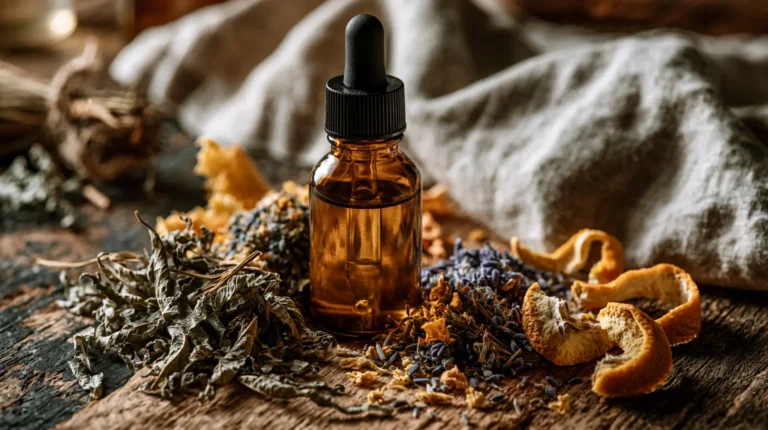
Herbalism traditionally sees irritability as a sign that the nervous system may be overstimulated, under-rested, tense, or struggling to shift out of “high alert” mode. The main herbal actions used are nervines, which gently support the nervous system; relaxants, which help soften physical tension; aromatics, which support digestion and mood through scent and flavor; and mild sedatives, which are traditionally used when irritability is tied to poor sleep. Herbalists choose between these actions based on whether the person feels wired, tense, depleted, restless, digestive-heavy, or sleep-disrupted, and these are herbs traditionally used when irritability happens: lemon balm, chamomile, lavender, tulsi, rose, orange peel, passionflower, oatstraw, oat, spearmint, ginger, cardamom, milky oats, cinnamon, skullcap, rosemary, peppermint.
“Sometimes irritability is not your personality getting spicy. Sometimes it is your nervous system politely requesting tea, food, sleep, and fewer tabs open in real life.”
Create a quote for the post about Irritability in friendly entertaining style
“Sometimes irritability is not your personality getting spicy. Sometimes it is your nervous system politely requesting tea, food, sleep, and fewer tabs open in real life.”
Recipes & Remedies Irritability
Herbal Preparations
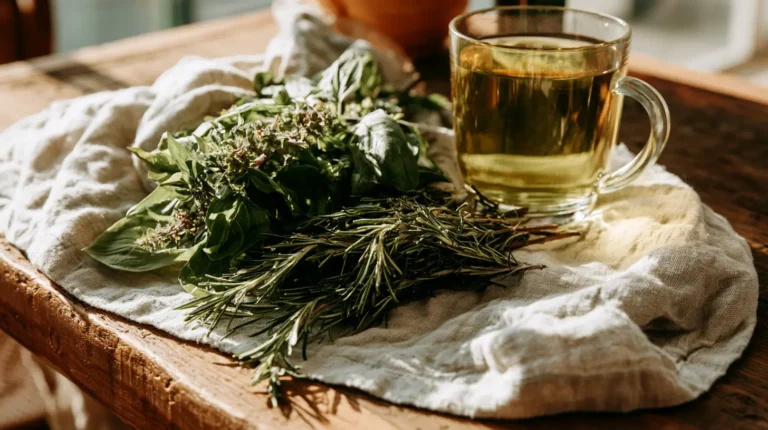
Lemon Balm Chamomile Calm Tea
This gentle herbal tea combines lemon balm and chamomile, two classic herbs traditionally used when the nerves feel tense, the mood feels prickly, and the body needs a softer landing. It is simple, pleasant, and realistic enough for an ordinary Tuesday, which is when most of us need it.
Ingredients with exact measurements
1 teaspoon dried lemon balm
1 teaspoon dried chamomile flowers
1/2 teaspoon dried lavender flowers
1 cup hot water, just off the boil
Optional: 1 teaspoon honey
Optional: 1 thin slice of lemon
Step-by-step preparation instructions
Place the lemon balm, chamomile, and lavender in a mug or teapot.
Pour 1 cup of hot water over the herbs.
Cover and steep for 8 to 10 minutes.
Strain well.
Add honey or lemon if desired.
Sip slowly while doing something radically advanced, like not checking your phone for five minutes.
How to use
Enjoy 1 cup in the late afternoon or evening when irritability feels connected with tension, overstimulation, or difficulty winding down. Start with a small amount if you are new to these herbs, especially if you are sensitive to sedating herbs or taking medications.
Food for support Irritability
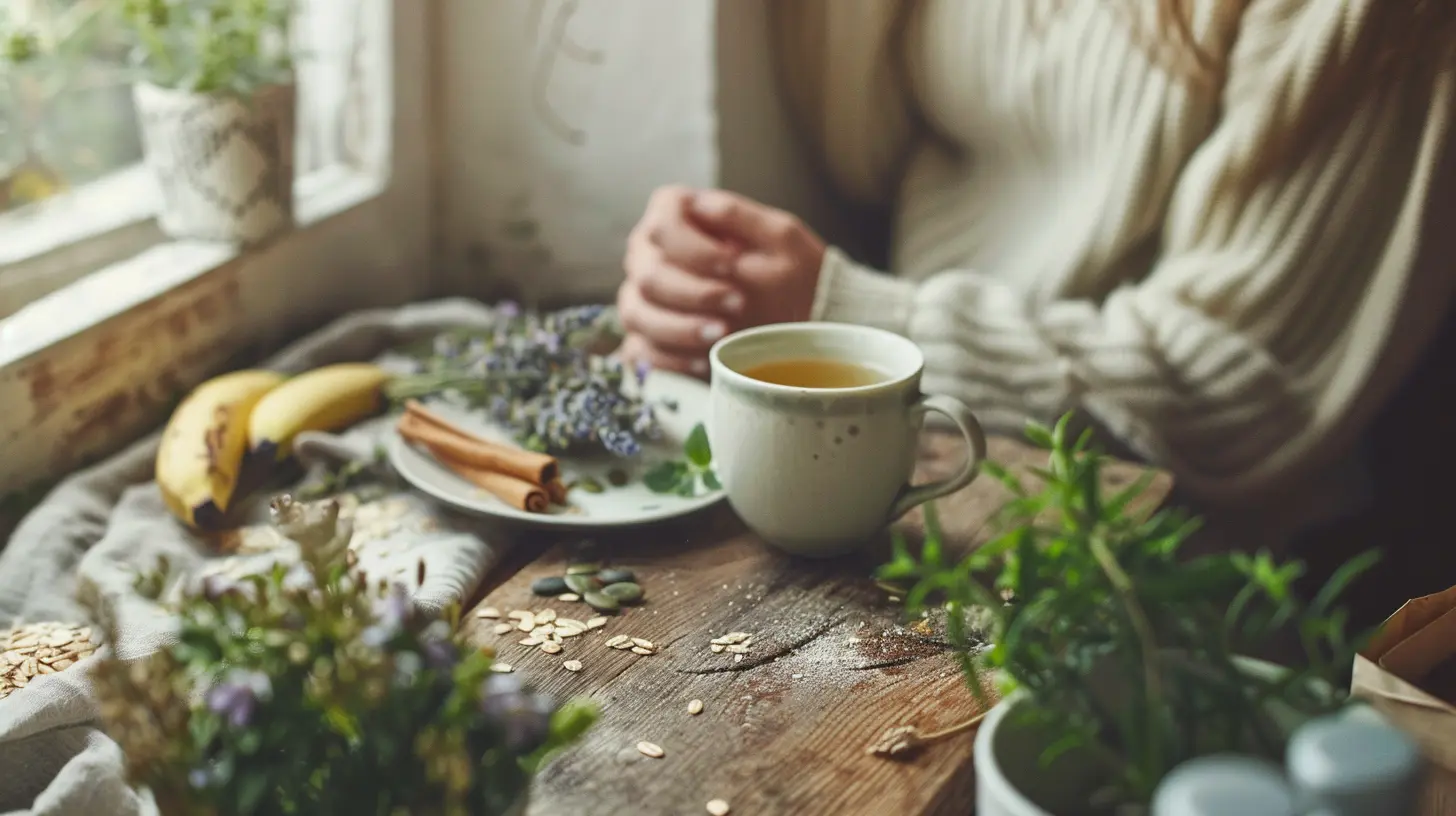
Oatmeal with Pumpkin Seeds, Banana, and Cinnamon
This simple bowl is built around steady, grounding foods traditionally favored when mood and energy feel uneven. Oats provide slow-digesting carbohydrates, pumpkin seeds add minerals and protein, and banana brings natural sweetness without turning breakfast into dessert wearing a wellness hat.
Ingredients with exact measurements
1/2 cup rolled oats
1 cup water or milk of choice
1 small banana, sliced
1 tablespoon pumpkin seeds
1/2 teaspoon cinnamon
1 teaspoon almond butter or peanut butter
Optional: 1 teaspoon honey or maple syrup
Pinch of sea salt
Step-by-step preparation instructions
Add oats, water or milk, and a pinch of salt to a small saucepan.
Simmer over medium-low heat for 5 to 7 minutes, stirring often.
Remove from heat when creamy.
Stir in cinnamon and almond or peanut butter.
Top with banana slices and pumpkin seeds.
Add a small drizzle of honey or maple syrup if desired.
How to use
Enjoy as a breakfast or afternoon meal when irritability seems connected with skipped meals, shaky energy, or too much caffeine on too little food. This is not a magic bowl, but it is a very sensible one.
What Herbs You Need
The herbs used in the main irritability tea are lemon balm, chamomile, and lavender. These herbs are traditionally used to support a calmer nervous system, ease tension, and create a more settled evening rhythm without sounding the ceremonial gong of “I am now doing self-care.”
Lemon Balm
Latin name: Melissa officinalis
Key herbal actions:
- Nervine: Traditionally used to support a calmer nervous system.
- Carminative: Helps support comfortable digestion and reduce occasional gas or bloating.
- Mild relaxing herb: Commonly used when tension and mood feel connected.
Key active compounds: Rosmarinic acid, citral, citronellal, geraniol, flavonoids, and volatile oils.
Chamomile
Latin name: Matricaria chamomilla or Matricaria recutita
Key herbal actions:
- Nervine: Traditionally used for emotional tension and restlessness.
- Carminative: Supports digestion, especially when stress and the stomach are having a group meeting.
- Mild antispasmodic: Traditionally used to soften occasional muscular or digestive tension.
Key active compounds: Apigenin, bisabolol, chamazulene, luteolin, and volatile oils.
Lavender
Latin name: Lavandula angustifolia
Key herbal actions:
- Aromatic nervine: Traditionally used for tension, restlessness, and sensory overwhelm.
- Relaxant: Used in herbal traditions to support a calmer body response.
- Carminative: Aromatic herbs like lavender may also support digestion when used in small amounts.
Key active compounds: Linalool, linalyl acetate, lavandulol, cineole, and tannins.
Key Herbal Products for Irritability
Herbal Tea Blends
Herbal tea blends for irritability often include lemon balm, chamomile, lavender, passionflower, or skullcap. They are commonly used in the evening or during quiet breaks because the ritual of making tea adds its own calming rhythm.
Pros: Gentle, affordable, easy to customize, and pleasant for daily routines.
Cons: Requires preparation and may taste too floral or grassy for some people.
Best for: Someone who wants a mild, traditional option and enjoys a calming ritual.
Lemon Balm Tincture
Lemon balm tincture is a liquid extract made from Melissa officinalis. It is commonly used in small serving sizes and is convenient when someone does not want to prepare tea.
Pros: Portable, fast to use, and easy to add to water.
Cons: Many tinctures contain alcohol, and the taste can be strong.
Best for: Someone who wants convenience and does not mind a concentrated herbal flavor.
Chamomile Capsules
Chamomile capsules contain dried powdered chamomile or chamomile extract. They are commonly chosen by people who dislike tea or want a more standardized serving format.
Pros: Easy to take, no brewing required, and no strong taste.
Cons: Less connected to the relaxing ritual of tea; quality can vary by brand.
Best for: Someone who wants simplicity and does not enjoy floral teas.
Lavender Aromatherapy Products
Lavender essential oil products are often used in diffusers, roll-ons, bath products, or pillow sprays. They are commonly chosen when irritability feels connected with sensory tension, restlessness, or difficulty settling into the evening.
Pros: Pleasant scent, easy to use, and helpful as part of a wind-down routine.
Cons: Essential oils must be used carefully; they should not be swallowed unless under qualified professional guidance. Some people are sensitive to strong scents.
Best for: Someone who responds well to scent-based relaxation routines.
Passionflower or Valerian Sleep Support Products
Passionflower and valerian are commonly found in nighttime herbal blends. Valerian is especially associated with sleep support, while passionflower is often used when the mind feels busy or restless.
Pros: Useful when irritability is tied to poor sleep or evening restlessness.
Cons: May cause drowsiness and may not be appropriate with sedatives, alcohol, pregnancy, breastfeeding, or certain medical conditions.
Best for: Someone whose irritability is mostly connected with not sleeping well, after checking safety considerations.
FAQ
Is irritability always a sign of stress?
Not always, but stress is a common contributor. Irritability can also be linked with poor sleep, hunger, hormonal shifts, pain, overstimulation, caffeine, alcohol, or simply having too many demands and not enough recovery time.
What is the best herb for irritability?
There is no single best herb for everyone. Lemon balm may be a good traditional choice when irritability feels tense and emotional, chamomile when it comes with digestive tightness or restlessness, and lavender when sensory overwhelm is part of the picture.
Can I drink calming herbal tea every day?
Many people use gentle herbal teas like chamomile or lemon balm as part of a daily routine. However, daily use is not automatically appropriate for everyone, especially during pregnancy, breastfeeding, with allergies, or when taking medications.
Does the tea taste strong?
This tea is mild, lemony, floral, and slightly earthy. If lavender tastes too perfume-like, reduce it to 1/4 teaspoon or leave it out. Lavender is lovely, but it can become bossy very quickly.
Are fresh herbs better than dried herbs?
Fresh lemon balm can be beautiful in tea, but dried herbs are more practical and available year-round. As a general kitchen rule, you may use about 2 to 3 times more fresh herb than dried herb because fresh leaves contain more water.
How should I store dried herbs?
Store dried herbs in airtight containers away from heat, light, and moisture. Most leafy and flower herbs are best used within about 6 to 12 months for good flavor and aroma.
Are these herbs safe for pets?
Do not give herbal teas, tinctures, essential oils, or supplements to pets without guidance from a veterinarian. Cats and dogs process many plant compounds differently than humans, and essential oils can be especially risky around animals.
References
National Center for Complementary and Integrative Health: Chamomile
National Center for Complementary and Integrative Health: Valerian
National Institutes of Health Office of Dietary Supplements: Magnesium Fact Sheet
Clinical Efficacy and Tolerability of Lemon Balm: A Systematic Review and Meta-Analysis
Effects of Lemon Balm on Depression and Anxiety in Patients With Type 2 Diabetes
Attenuation of Laboratory-Induced Stress in Humans After Acute Administration of Melissa officinalis
Exploring Pharmacological Mechanisms of Lavender Essential Oil
European Medicines Agency: Assessment Report on Lavandula angustifolia
Disclaimer
This article is for educational purposes only and is not medical advice. Irritability can have many causes, including stress, sleep issues, medication effects, pain, hormonal changes, mental health concerns, or underlying health conditions. If irritability is severe, sudden, ongoing, connected with depression or anxiety, or affecting your relationships or daily life, speak with a qualified healthcare professional. Always check with a healthcare professional before using herbs or supplements if you are pregnant, breastfeeding, taking medication, managing a medical condition, or preparing herbs for children.