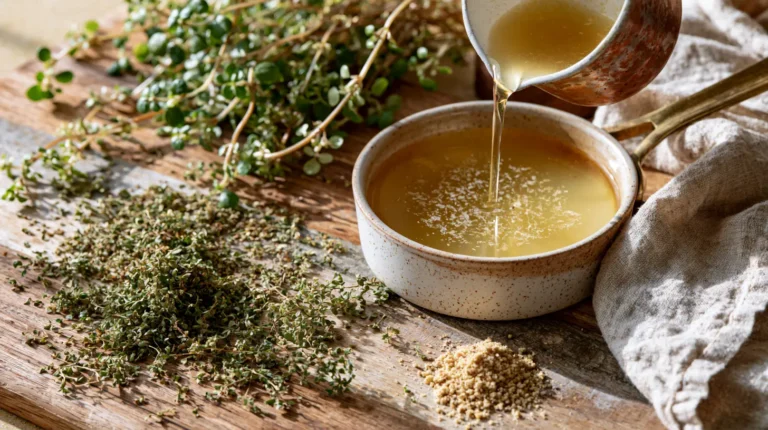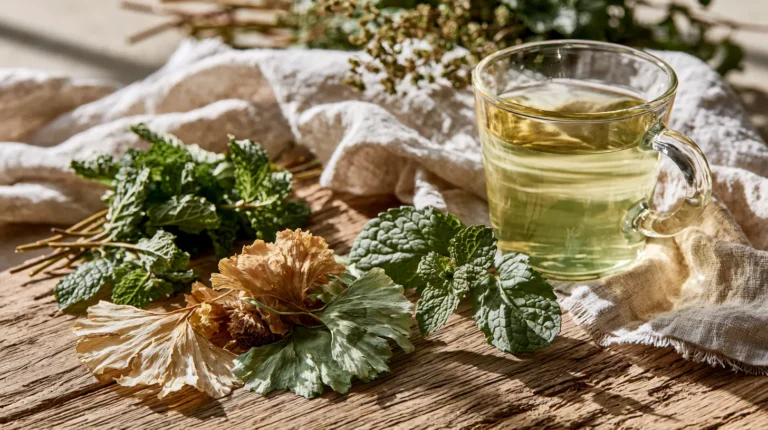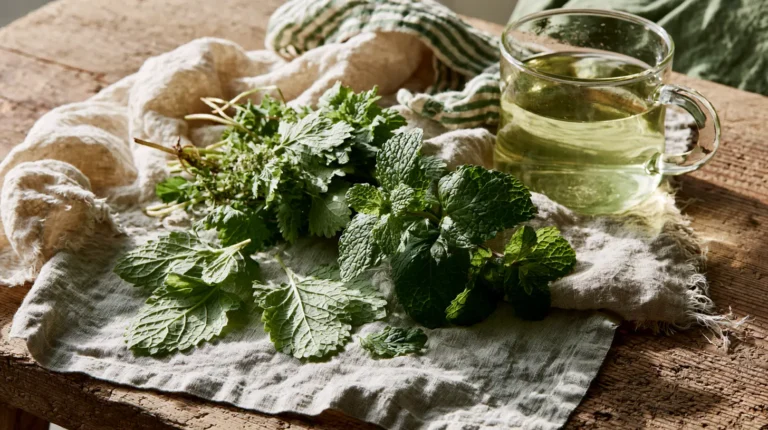

Gas is the very normal, very human result of digestion doing its slightly noisy work. It may show up as burping, flatulence, belly pressure, gurgling, fullness, or the socially inconvenient reminder that beans are both nutritious and dramatic.
Learn more about Gas
Gas forms in the digestive tract mainly in two ways: by swallowing air and by the natural breakdown of food by gut bacteria. Everyone produces and passes gas, and it is usually a normal part of digestion. It becomes uncomfortable when gas feels trapped, excessive, painful, or socially disruptive.
Swallowed air often comes from eating quickly, chewing gum, drinking carbonated beverages, smoking, using straws, or talking a lot while eating. Gas from fermentation happens when gut bacteria break down certain carbohydrates that are not fully digested in the small intestine. This is why foods like beans, lentils, onions, garlic, cabbage, broccoli, dairy, wheat, and sugar alcohols may cause more gas in some people.
The main types of gas can be understood in plain language:
Upper digestive gas: This usually shows up as burping or pressure in the upper belly. It may be connected with swallowed air, carbonated drinks, eating too fast, or reflux-like discomfort.
Lower digestive gas: This usually shows up as flatulence, gurgling, or lower-belly pressure. It is often related to fermentation in the intestines.
Food-triggered gas: Some foods are more gas-forming because they contain fermentable carbohydrates. These foods are not “bad,” but some digestive systems need smaller portions, slower introductions, or better preparation methods.
Constipation-related gas: When stool moves slowly, gas may feel more trapped and uncomfortable. This can create pressure, bloating, and a heavy lower-belly feeling.
Stress-related gas: Stress can affect gut motility, muscle tension, swallowing patterns, and digestive sensitivity. A tense nervous system can make normal digestive gas feel much more noticeable.
Traditional herbalism approaches gas through the idea of movement, warmth, relaxation, and digestive rhythm. Herbalists often ask whether the gas feels cold and heavy, hot and irritated, crampy, stuck, meal-related, stress-related, or linked with constipation.
For gas and pressure, carminative herbs are the classic category. These are aromatic herbs that traditionally help the belly feel less full, tight, or gassy. Fennel, anise, caraway, peppermint, ginger, chamomile, dill, and lemon balm are among the most common choices. For gas with cramping, peppermint and chamomile are often used. For gas with cold, sluggish digestion, ginger, fennel, and cardamom may be preferred. For gas connected with stress, lemon balm and chamomile bring a gentler nervous-system angle.
How Herbs Can Help Gas
Herbalism traditionally sees gas as a pattern of trapped wind, sluggish digestion, fermentation, digestive tension, or stress interfering with normal gut movement. The main herbal actions used are carminatives, which help gas move more comfortably; antispasmodics, which relax digestive tension; warming aromatics, which support slow or cold digestion; and bitters, which help prepare the body for meals. Herbalists choose between those actions depending on whether gas feels stuck, crampy, cold, upper-belly, lower-belly, food-triggered, or stress-related, and these are herbs traditionally used when gas happens: fennel, caraway, chamomile, ginger, peppermint, cumin, coriander, ajwain, lemon balm, spearmint, dill, anise, cardamom, cinnamon, turmeric, black pepper, rose.
“Gas is not a personal failure. It is your digestive system’s way of saying, ‘We are processing fiber, please hold for acoustic updates.’”
Recipes & Remedies Gas
Herbal Preparations
Fennel Caraway Ginger Gas Tea
This classic digestive tea combines fennel, caraway, ginger, and chamomile for a warm, aromatic cup traditionally used when gas feels trapped, heavy, or uncomfortable after meals. It is especially useful when the belly wants calm movement rather than more chaos.
Ingredients with exact measurements
1 teaspoon fennel seeds, lightly crushed
1/2 teaspoon caraway seeds, lightly crushed
1/4 teaspoon dried ginger or 1/2 teaspoon fresh grated ginger
1 teaspoon dried chamomile flowers
1 cup hot water
Optional: 1/2 teaspoon honey
Optional: 1 thin slice of lemon
Step-by-step preparation instructions
Lightly crush the fennel and caraway seeds with a mortar and pestle or the back of a spoon.
Add fennel, caraway, ginger, and chamomile to a mug or small teapot.
Pour 1 cup of hot water over the herbs.
Cover and steep for 10 to 12 minutes.
Strain well.
Add honey or lemon if desired.
Sip slowly after meals or when gas feels trapped.
How to use
Enjoy 1 cup after meals, especially when gas feels related to beans, heavy foods, eating too quickly, or sluggish digestion. Avoid using this tea as a substitute for medical care if gas is severe, painful, persistent, or paired with concerning symptoms.
Food for support Gas
Cumin Fennel Lentil Soup
This simple soup uses red lentils, ginger, cumin, and fennel to create a more digestion-friendly bean-family meal. Red lentils tend to cook down softly, and the spices are traditionally used to make legumes feel easier on the belly.
Ingredients with exact measurements
1 cup red lentils, rinsed well
4 cups water or low-sodium vegetable broth
1 tablespoon olive oil
1 small carrot, finely diced
1/2 teaspoon cumin seed or ground cumin
1/2 teaspoon fennel seed, lightly crushed
1 teaspoon fresh grated ginger
1/4 teaspoon turmeric
1/2 teaspoon sea salt, or to taste
1 tablespoon lemon juice
Optional: 1 tablespoon chopped cilantro or parsley
Step-by-step preparation instructions
Rinse red lentils under running water until the water runs mostly clear.
Warm olive oil in a pot over medium heat.
Add carrot, cumin, fennel, and ginger, and cook for 2 to 3 minutes.
Add turmeric, lentils, and water or broth.
Bring to a gentle boil, then reduce heat to low.
Simmer for 20 to 25 minutes, stirring occasionally, until the lentils are very soft.
Add salt and lemon juice.
Top with cilantro or parsley if desired.
How to use
Enjoy as a light lunch or dinner when you want legumes but know your digestion can be sensitive. Start with a smaller portion, eat slowly, and avoid pairing it with carbonated drinks if gas is already a regular visitor.
What Herbs You Need
The herbs and spices used in the gas tea and soup include fennel, caraway, ginger, chamomile, cumin, and turmeric. These plants are traditionally used to support digestive comfort, reduce the feeling of trapped gas, warm sluggish digestion, and soften belly tension.
Fennel
Latin name: Foeniculum vulgare
Key herbal actions:
- Carminative: Traditionally used to ease the feeling of gas and belly pressure.
- Antispasmodic: Used to soften occasional digestive cramping or tightness.
- Aromatic digestive herb: Supports digestive comfort through fragrant volatile oils.
Key active compounds: Anethole, fenchone, estragole, limonene, flavonoids, and volatile oils.
Caraway
Latin name: Carum carvi
Key herbal actions:
- Carminative: Traditionally used for gas, fullness, and digestive pressure.
- Antispasmodic: Helps relax the feel of digestive tension.
- Aromatic bitter: Supports digestion with both aromatic and mildly bitter qualities.
Key active compounds: Carvone, limonene, carveol, flavonoids, fixed oils, and volatile oils.
Ginger
Latin name: Zingiber officinale
Key herbal actions:
- Warming aromatic: Traditionally used when digestion feels cold, slow, or heavy.
- Carminative: Supports digestive comfort and helps reduce occasional gas or fullness.
- Digestive stimulant: Traditionally used to encourage warmth and movement in digestion.
Key active compounds: Gingerols, shogaols, zingiberene, paradols, and volatile oils.
Chamomile
Latin name: Matricaria chamomilla or Matricaria recutita
Key herbal actions:
- Carminative: Traditionally used for gas, mild belly discomfort, and digestive tension.
- Nervine: Supports the nervous system when stress affects digestion.
- Mild antispasmodic: Traditionally used to soften occasional cramping.
Key active compounds: Apigenin, bisabolol, chamazulene, luteolin, and volatile oils.
Cumin
Latin name: Cuminum cyminum
Key herbal actions:
- Carminative spice: Traditionally used to make legumes and heavy foods easier to digest.
- Warming digestive herb: Supports a sense of warmth and movement after meals.
- Aromatic culinary herb: Adds flavor while supporting digestive comfort.
Key active compounds: Cuminaldehyde, cymene, terpenes, flavonoids, and volatile oils.
Turmeric
Latin name: Curcuma longa
Key herbal actions:
- Warming digestive herb: Traditionally used in food to support digestion and overall wellness.
- Bitter-aromatic spice: Helps round out digestive spice blends.
- Anti-inflammatory botanical: Studied for inflammation-related pathways, though it should not be treated as a cure or quick fix.
Key active compounds: Curcumin, demethoxycurcumin, bisdemethoxycurcumin, turmerones, and volatile oils.
Key Herbal Products for Gas
Fennel Seed Tea
Fennel seed tea is one of the most common traditional herbal products for gas and digestive pressure. It is usually made by lightly crushing fennel seeds and steeping them in hot water.
Pros: Caffeine-free, simple, inexpensive, and widely available.
Cons: The licorice-like flavor may not appeal to everyone, and fennel may not be appropriate for certain allergies or hormone-sensitive conditions.
Best for: Someone whose gas feels full, stuck, or meal-related.
Caraway Capsules or Tea
Caraway is a classic European digestive herb often used for gas, fullness, and abdominal pressure. It is available as tea, capsules, and in combination products.
Pros: Strong traditional use for gas and digestive fullness.
Cons: The taste is distinct, and concentrated products may not be suitable for everyone.
Best for: Someone who wants a focused digestive herb and tolerates aromatic seeds well.
Enteric-Coated Peppermint Oil Capsules
Enteric-coated peppermint oil capsules are designed to release peppermint oil in the intestines rather than the stomach. They have been studied for irritable bowel syndrome symptoms, including gas, bloating, and abdominal discomfort.
Pros: More concentrated than tea and more studied than many digestive herbs.
Cons: May worsen reflux, heartburn, or indigestion in some people and may not be appropriate with certain health conditions.
Best for: Adults with IBS-type gas or cramping who have reviewed safety considerations with a healthcare professional.
Ginger Tea or Ginger Capsules
Ginger is commonly used when gas is linked with heavy, cold, sluggish digestion or nausea. Ginger tea is gentler, while capsules provide a more concentrated form.
Pros: Warming, familiar, food-like, and easy to use after meals.
Cons: Higher amounts may cause heartburn or interact with some medications.
Best for: Someone whose gas comes with heaviness, coldness, nausea, or slow digestion.
Digestive Bitters
Digestive bitters often include herbs such as dandelion root, gentian, artichoke leaf, orange peel, or burdock root. They are commonly used before meals to support digestive secretions and meal readiness.
Pros: Helpful when gas is linked with heavy meals or sluggish digestion.
Cons: Bitter flavor can be intense, and bitters may not be appropriate with reflux, ulcers, gallbladder concerns, pregnancy, or some medications.
Best for: Someone who feels overly full and gassy after meals and wants to support digestive rhythm before eating.
FAQ
Is gas normal?
Yes, gas is a normal part of digestion. It becomes more concerning when it is severe, painful, persistent, suddenly different, or paired with symptoms like weight loss, blood in stool, vomiting, fever, or major bowel changes.
What foods commonly cause gas?
Common gas-producing foods include beans, lentils, onions, garlic, cabbage, broccoli, cauliflower, dairy, wheat, carbonated drinks, and sugar alcohols. These foods are not unhealthy, but some people need smaller portions or different preparation methods.
What is the best herb for gas?
Fennel, caraway, peppermint, ginger, and chamomile are among the most common traditional herbs for gas. The best choice depends on whether the gas feels stuck, crampy, cold, heavy, stress-related, or connected with specific foods.
Does eating slowly really help gas?
Yes, eating slowly may help because it can reduce swallowed air and support better digestion. Chewing well also gives the digestive system a more manageable job, which is polite of you.
Are peppermint oil capsules safe?
Peppermint oil capsules are not right for everyone. They may worsen reflux or heartburn and may not be appropriate for people with certain gallbladder conditions, liver concerns, or medication use unless guided by a healthcare professional.
Can I use gas herbs every day?
Gentle teas like fennel or chamomile may be used regularly by many people, but daily use is not automatically appropriate for everyone. If gas is frequent or worsening, it is better to look for the underlying cause rather than simply covering it with tea.
Can pets have fennel or gas-relief herbs?
Do not give digestive herbs, essential oils, tinctures, or human gas-relief products to pets unless recommended by a veterinarian. Pets process herbs differently, and some products that are safe for humans can be unsafe for animals.
References
NIDDK: Gas in the Digestive Tract
NIDDK: Symptoms and Causes of Gas in the Digestive Tract
NIDDK: Eating, Diet, and Nutrition for Gas in the Digestive Tract
European Medicines Agency: Sweet Fennel Fruit
European Medicines Agency: Caraway Fruit
PubMed Central: Ginger in Gastrointestinal Disorders
PubMed Central: Herbs and Spices in Functional Abdominal Pain Disorders
Your Provided Article Prompt
Disclaimer
This article is for educational purposes only and is not medical advice. Gas can be related to diet, swallowing air, constipation, food intolerances, IBS, infections, medications, digestive disorders, or other health conditions. If gas is severe, persistent, painful, sudden, or occurs with vomiting, fever, blood in stool, unexplained weight loss, ongoing diarrhea or constipation, or major bowel changes, speak with a qualified healthcare professional. Always check with a healthcare professional before using herbs or supplements if you are pregnant, breastfeeding, taking medication, managing a digestive condition, or preparing herbs for children.