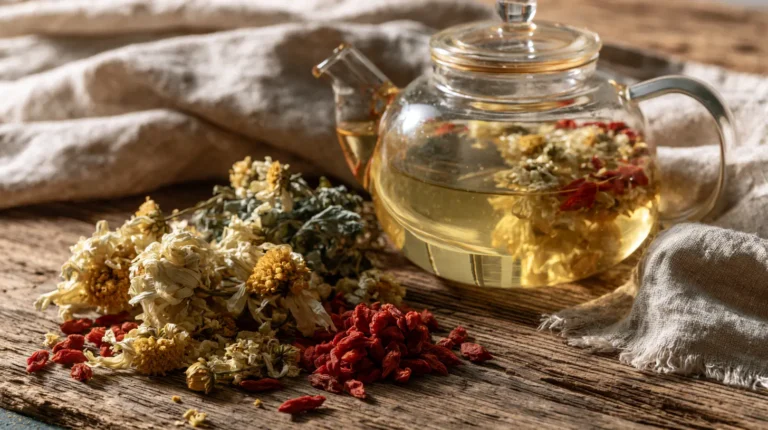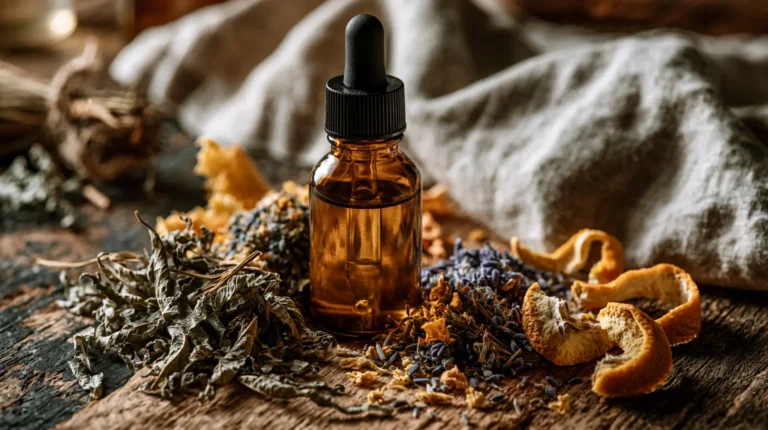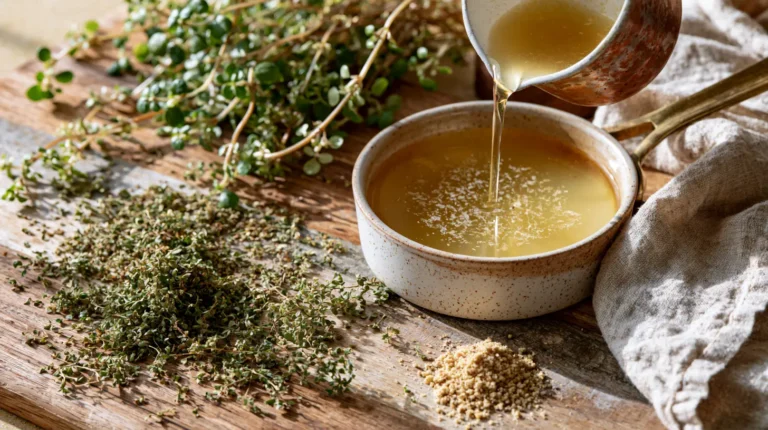

Low energy is the feeling of not having enough physical, mental, or emotional fuel to move through the day comfortably. It may show up as sluggish mornings, afternoon crashes, low motivation, heavy limbs, brain fog, or the strong desire to negotiate with your to-do list from under a blanket.
Learn more about Low Energy
Low energy is not a diagnosis by itself; it is a common experience that can come from many different causes. Sometimes it is linked with simple lifestyle factors such as poor sleep, skipped meals, dehydration, stress, too much alcohol, too little movement, or long stretches of screen-heavy work.
It can also be connected with medical factors, including anemia, thyroid concerns, infections, depression, anxiety, chronic pain, medication side effects, blood sugar issues, sleep apnea, or long-term health conditions. If low energy is persistent, severe, worsening, or unusual for you, it is worth discussing with a qualified healthcare professional rather than trying to “push through” with caffeine and optimism alone.
In everyday life, low energy may feel like waking up tired, losing focus quickly, needing more caffeine than usual, feeling heavy after meals, craving sugar, moving more slowly, or having less interest in normal activities. Some people feel low energy mostly in the body, while others feel it as mental fatigue, emotional depletion, or a lack of spark.
In plain language, there are several common patterns. One is the “under-rested” pattern, where sleep quantity or sleep quality is not enough to restore the body. Another is the “underfed or uneven fuel” pattern, where long gaps between meals, low protein intake, or blood sugar swings leave energy unstable. Another is the “stress-depleted” pattern, where the nervous system has been running on alert for too long. There is also the “sluggish digestion” pattern, where meals feel heavy and the body feels slow afterward.
Traditional herbalism approaches low energy by looking at the type of tiredness rather than simply using stimulating herbs. If the person feels depleted and overworked, herbalists may choose nutritive herbs, mineral-rich infusions, and gentle adaptogens. If the pattern is sluggish digestion, warming aromatics and bitters may be considered. If low energy is tied to stress and poor sleep, calming nervines may be more appropriate than stimulating herbs.
Herbs are traditionally selected based on the person’s constitution, timing, and safety needs. Oat straw and nettle may be chosen for steady nourishment. Ginger may be used when digestion feels cold or sluggish. Lemon balm may be useful when low energy is tied to stress and nervous tension. Rhodiola or eleuthero are sometimes used in adaptogenic traditions, but they are stronger herbs and should be approached carefully, especially with medications, anxiety, pregnancy, blood pressure concerns, or chronic health conditions.
How Herbs Can Help Low Energy
Herbalism traditionally sees low energy as a pattern that may involve depletion, poor sleep, stress load, uneven nourishment, sluggish digestion, or lack of daily rhythm. The main herbal actions used are nutritives, which support steady nourishment; adaptogens, which are traditionally used during stressful seasons; carminatives and bitters, which support digestive comfort; and nervines, which support calm when stress is draining the system. Herbalists choose between these actions by noticing whether low energy feels depleted, heavy, stress-related, sleep-related, digestion-related, or mentally foggy.
These herbs used for support in low energy situation: nettle, oat straw, ginger, rosemary, holy basil, lemon balm, orange peel, dandelion root, cinnamon, peppermint, ashwagandha, turmeric, green tea, eleuthero, cacao, rosehips, and honey.
“Low energy is the body’s gentle reminder that you are not a phone, and plugging yourself into coffee is not the same as true recharging.”
Create a quote for the post about Low Energy in friendly entertaining style
“Low energy is the body’s gentle reminder that you are not a phone, and plugging yourself into coffee is not the same as true recharging.”
Recipes & Remedies Low Energy
Herbal Preparations
Nettle, Oat Straw & Ginger Daily Energy Infusion
This mineral-rich infusion combines nourishing herbs with a little warming ginger. It is designed for steady support, not a dramatic lightning bolt of energy, because the nervous system usually prefers kindness over fireworks.
Ingredients with exact measurements
1 tablespoon dried nettle leaf
2 tablespoons dried oat straw
2 thin slices fresh ginger
3 cups hot water
1 teaspoon honey, optional
1 slice lemon, optional
Step-by-step preparation instructions
Place nettle, oat straw, and ginger in a quart-size jar or teapot.
Pour 3 cups of hot water over the herbs.
Cover and steep for 2 to 4 hours.
Strain well.
Add honey or lemon if desired.
Drink warm, room temperature, or chilled.
How to use
Drink 1 cup during the day, preferably earlier rather than close to bedtime. Use within 24 hours and keep refrigerated after straining. Avoid nettle if you take blood thinners, diuretics, lithium, blood pressure medication, diabetes medication, or have kidney concerns unless a qualified healthcare professional says it is appropriate.
Food for support Low Energy
Sweet Potato, Lentil & Rosemary Energy Bowl
This practical bowl combines slow carbohydrates, plant protein, fiber, warming herbs, and greens. It is steady, simple, and much more supportive than trying to survive on a sad snack and heroic intentions.
Ingredients with exact measurements
1 medium sweet potato, cubed
1 cup cooked lentils
1 cup chopped spinach or kale
1 teaspoon olive oil
1/2 teaspoon fresh rosemary, finely chopped
1/2 teaspoon grated fresh ginger
1/4 teaspoon cinnamon
1 small pinch sea salt
1 tablespoon pumpkin seeds, optional
1 teaspoon lemon juice, optional
Step-by-step preparation instructions
Steam or roast the sweet potato cubes until soft.
Warm olive oil in a skillet over low to medium heat.
Add ginger and rosemary, and stir for 30 seconds.
Add cooked lentils and chopped greens.
Stir until the greens soften.
Add cooked sweet potato, cinnamon, and a small pinch of sea salt.
Spoon into a bowl and top with pumpkin seeds and lemon juice if desired.
How to use
Enjoy as a steady lunch or early dinner when you want more lasting energy from food. Eat slowly and pair with water or herbal tea. If you have blood sugar concerns, adjust portions with guidance from a healthcare professional or registered dietitian.
What Herbs You Need
These herbs are traditionally used to support low energy patterns: oat straw, nettle, ginger, lemon balm, holy basil, rhodiola, eleuthero, rosemary, dandelion root, and ashwagandha. They do not replace sleep, balanced meals, medical evaluation, or treatment for underlying causes, but they may fit into thoughtful routines that support nourishment, stress resilience, digestion, and daily rhythm.
Oat Straw
Latin name: Avena sativa
Key herbal actions:
- Nutritive tonic: Traditionally used for long-term nourishment and steady support.
- Gentle nervine: Traditionally used when stress and depletion are part of the pattern.
- Mineral-rich herb: Commonly prepared as a long infusion for daily support.
Key active compounds: Minerals including magnesium and calcium, avenanthramides, silica, flavonoids, saponins, and alkaloids.
Nettle
Latin name: Urtica dioica
Key herbal actions:
- Nutritive herb: Traditionally used as a mineral-rich daily infusion.
- Spring tonic tradition: Often used when the body feels depleted or undernourished.
- Mineral support herb: Provides naturally occurring minerals and plant compounds.
Key active compounds: Minerals including iron, calcium, magnesium, potassium, and silica; chlorophyll; flavonoids; phenolic acids; and plant sterols.
Ginger
Latin name: Zingiber officinale
Key herbal actions:
- Warming aromatic: Traditionally used when digestion or circulation feels sluggish.
- Carminative: Traditionally used to support digestive comfort.
- Digestive stimulant tradition: Often used when low energy follows heavy meals or cold digestion patterns.
Key active compounds: Gingerols, shogaols, zingerone, volatile oils, and phenolic compounds.
Lemon Balm
Latin name: Melissa officinalis
Key herbal actions:
- Nervine: Traditionally used to support calm and emotional steadiness.
- Carminative: Traditionally used when stress affects digestion.
- Gentle uplifting relaxant: Traditionally chosen when low energy comes with nervous tension.
Key active compounds: Rosmarinic acid, citral, citronellal, geraniol, flavonoids, and volatile oils.
Holy Basil
Latin name: Ocimum tenuiflorum
Key herbal actions:
- Adaptogenic tradition: Traditionally used to support resilience during stressful seasons.
- Nervine-like support: Often used when stress and low energy appear together.
- Aromatic digestive herb: Used in teas for both digestion and mood support.
Key active compounds: Eugenol, ursolic acid, rosmarinic acid, apigenin, linalool, and flavonoids.
Rhodiola
Latin name: Rhodiola rosea
Key herbal actions:
- Adaptogenic tradition: Traditionally used for stress-related fatigue and stamina support.
- Mental performance support tradition: Often discussed for mental fatigue, though evidence quality varies.
- Stimulating tonic: Can feel activating, so it is not ideal for everyone.
Key active compounds: Rosavins, salidroside, tyrosol, flavonoids, phenolic acids, and monoterpenes.
Eleuthero
Latin name: Eleutherococcus senticosus
Key herbal actions:
- Adaptogenic tradition: Traditionally used for stamina and stress resilience.
- Restorative tonic: Often used in longer-term formulas rather than quick fixes.
- Mildly stimulating herb: May be best earlier in the day.
Key active compounds: Eleutherosides, lignans, coumarins, polysaccharides, and phenolic compounds.
Rosemary
Latin name: Rosmarinus officinalis or Salvia rosmarinus
Key herbal actions:
- Aromatic stimulant tradition: Traditionally used for clarity, circulation, and alertness.
- Carminative: Supports digestive comfort in culinary and tea preparations.
- Warming herb: Often used when low energy feels cold, sluggish, or foggy.
Key active compounds: Rosmarinic acid, carnosic acid, carnosol, cineole, camphor, and volatile oils.
Dandelion Root
Latin name: Taraxacum officinale
Key herbal actions:
- Bitter tonic: Traditionally used to support digestive readiness.
- Digestive support herb: Often used when meals feel heavy or sluggish.
- Nutritive root: Contains inulin and other plant compounds.
Key active compounds: Sesquiterpene lactones, inulin, phenolic acids, flavonoids, triterpenes, and potassium.
Ashwagandha
Latin name: Withania somnifera
Key herbal actions:
- Adaptogenic tradition: Traditionally used for stress resilience and depletion patterns.
- Restorative tonic: Often used when low energy is tied to long-term stress.
- Calming support herb: May feel grounding rather than stimulating for some people.
Key active compounds: Withanolides, alkaloids, sitoindosides, flavonoids, and steroidal lactones.
Key Herbal Products for Low Energy
Nettle Tea or Nettle Infusion
Nettle tea is made from dried nettle leaf, while a stronger nettle infusion is steeped for several hours. It is commonly used as a mineral-rich herbal drink.
Pros: Food-like, mineral-rich, caffeine-free, and useful as a daily nourishment routine.
Cons: May interact with medications affecting blood pressure, blood sugar, fluid balance, or clotting.
Best choice when: Low energy feels connected with general depletion and the person wants a steady, non-stimulating option.
Oat Straw Infusion
Oat straw infusion is a long-steeped herbal drink made from the green stems of the oat plant. It is traditionally used as a gentle nervous system tonic.
Pros: Gentle, caffeine-free, nourishing, and suitable for daily ritual use for many people.
Cons: Mild and not fast-acting; people with oat sensitivity should use caution.
Best choice when: Low energy is linked with stress, burnout-like depletion, or the need for steady support.
Rhodiola Capsules or Tincture
Rhodiola is sold as capsules, tablets, tinctures, and extracts. It is often marketed for stress-related fatigue and mental performance.
Pros: Convenient, widely available, and studied more than many other adaptogens.
Cons: May feel too stimulating, may worsen anxiety or insomnia in some people, and may interact with medications.
Best choice when: Someone wants a stronger adaptogen and has confirmed it is appropriate with their healthcare professional.
Holy Basil Tea
Holy basil, also called tulsi, is commonly sold as tea, capsules, tinctures, and glycerites. Tea is often the gentlest place to start.
Pros: Pleasant flavor, calming but not usually heavy, and useful in stress-related wellness routines.
Cons: May interact with blood sugar, blood-thinning, or sedative medications and may not be appropriate during pregnancy.
Best choice when: Low energy is linked with stress, emotional overload, or an unsettled nervous system.
Ginger Tea or Ginger Capsules
Ginger is available as fresh root, tea bags, powder, capsules, tincture, and chews. For low energy, food and tea forms are usually the most practical.
Pros: Easy to find, warming, digestive, and useful in meals and drinks.
Cons: May worsen reflux or heartburn and may not be appropriate in concentrated forms with certain medications.
Best choice when: Low energy feels related to heavy digestion, coldness, or sluggishness.
FAQ
Is low energy the same as fatigue?
Low energy and fatigue are often used together, but fatigue can be more persistent and harder to relieve with rest. Fatigue can come from many causes, including sleep issues, stress, medications, infections, anemia, thyroid problems, depression, or chronic illness. If low energy is ongoing or unusual, it is worth getting checked.
Can herbs give me energy like caffeine?
Some herbs can feel gently stimulating, but they do not work like caffeine. Adaptogens such as rhodiola or eleuthero may support stress-related energy patterns for some people, but they are not quick fixes and are not right for everyone. Nutritive herbs like nettle and oat straw are more about steady support than instant energy.
Which herb is best for low energy?
There is no single best herb for everyone. Nettle and oat straw may suit depletion, ginger may suit sluggish digestion, lemon balm may suit stress-related tiredness, and rhodiola may suit some forms of stress-related fatigue. The best choice depends on the pattern and safety considerations.
Can I use low energy herbs every day?
Gentle herbs such as oat straw or nettle may be used regularly by many people, but daily use still depends on health history and medications. Stronger adaptogens such as rhodiola, eleuthero, or ashwagandha should be used more thoughtfully. If you need daily herbal support just to function, it is a good idea to investigate the deeper cause.
Do low energy herbs taste good?
Nettle tastes green and earthy, oat straw tastes mild and grassy, ginger tastes warm and spicy, lemon balm tastes lightly lemony, and holy basil tastes aromatic and slightly clove-like. Rhodiola can taste bitter and is often easier as a capsule or tincture. Blending herbs can make the flavor more pleasant.
Are fresh herbs better than dried herbs?
Fresh ginger, rosemary, and lemon balm can be excellent. Dried herbs are often more practical for nettle, oat straw, rhodiola, dandelion root, and eleuthero. Store dried herbs away from heat, light, and moisture for best quality.
Can pets use herbs for low energy?
Do not give energy herbs, adaptogens, teas, tinctures, essential oils, or supplements to pets unless a veterinarian recommends them. Low energy in pets can be a sign of illness and should be evaluated by a vet. Human herbal products are not automatically safe for animals.
References
MedlinePlus Medical Encyclopedia: Fatigue
CDC: Sleep in Adults FastStats
National Center for Complementary and Integrative Health: Using Dietary Supplements Wisely
National Center for Complementary and Integrative Health: Herb-Drug Interactions
National Center for Complementary and Integrative Health: Ashwagandha
National Center for Complementary and Integrative Health: Ginger
PubMed Central: Rhodiola rosea for Physical and Mental Fatigue
Disclaimer
This article is for educational purposes only and is not medical advice, diagnosis, or treatment. Low energy can have many causes, including poor sleep, dehydration, stress, nutritional deficiencies, anemia, thyroid concerns, infections, depression, anxiety, chronic illness, medication effects, or sleep disorders.
Speak with a qualified healthcare professional if low energy is persistent, severe, worsening, sudden, or interfering with daily life. Seek medical care promptly if low energy comes with chest pain, shortness of breath, fainting, unexplained weight loss, fever, severe weakness, confusion, blood loss, or new neurological symptoms. Consult a healthcare professional before using herbs or supplements if you are pregnant, nursing, taking medication, preparing for surgery, managing a medical condition, or choosing herbs for a child or pet.