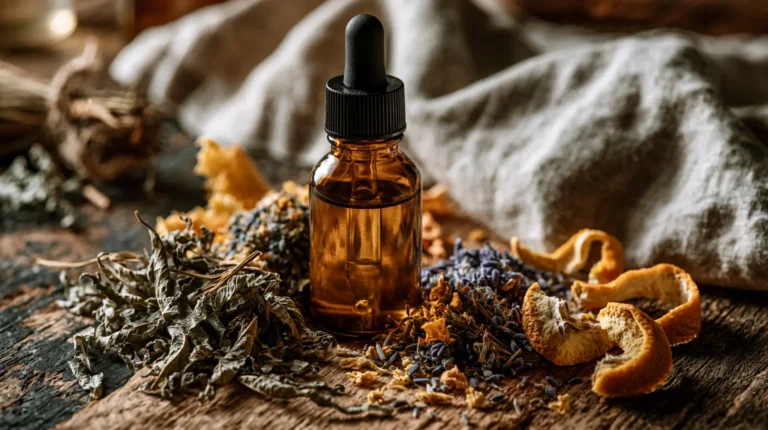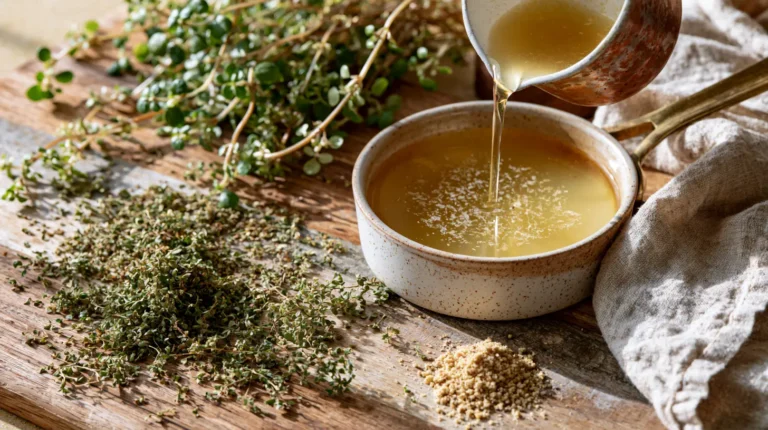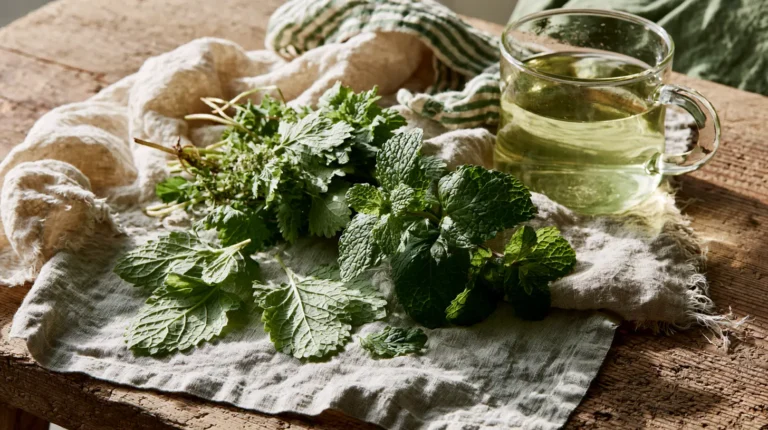
High blood pressure, also called hypertension, means the force of blood against artery walls stays higher than ideal over time. It often has no obvious symptoms, which is why it has a reputation for being quiet, stubborn, and not especially good at announcing itself before causing concern.
Learn more about High Blood Pressure
High blood pressure happens when blood consistently pushes against artery walls with more force than is considered healthy. According to the National Heart, Lung, and Blood Institute, blood pressure is considered high when repeated readings are 130 mm Hg or higher for systolic pressure, or 80 mm Hg or higher for diastolic pressure.
Many people do not feel symptoms when blood pressure is high, so regular measurement is the most reliable way to know what is happening. When blood pressure remains high over time, the heart has to work harder, and the risk of serious problems such as heart disease, stroke, heart failure, and kidney disease can increase.
In plain language, high blood pressure may develop through several common patterns. One pattern is “salt, stress, and stiffness,” where diet, stress load, aging blood vessels, and lifestyle factors all contribute. Another is “metabolic pressure,” where weight, insulin resistance, diabetes, or kidney concerns may be involved. A third is “silent family tendency,” where genetics and age play a role, even when someone feels generally well.
Common triggers and contributors include physical inactivity, high sodium intake, low intake of fruits and vegetables, tobacco use, too much alcohol, diabetes, kidney disease, family history, aging, and chronic stress. The CDC also notes that healthy lifestyle steps such as physical activity, limiting sodium and alcohol, not smoking, managing stress, and maintaining a healthy weight can help prevent or manage high blood pressure.
Traditional herbalism does not treat high blood pressure as something to manage casually with a random tea. Herbalists tend to think in patterns: tension and stress, fluid balance, vascular tone, metabolic health, digestion, sleep quality, and daily rhythm. For someone already taking blood pressure medication, herbs require extra caution because some can lower blood pressure, raise blood pressure, or interact with medications.
Herbs are traditionally selected based on the person’s constitution, medication use, and overall pattern. Hibiscus is often discussed for blood pressure support, but it may not be appropriate for everyone. Garlic has limited evidence suggesting small blood-pressure effects in people with hypertension, but concentrated supplements may interact with medications, especially blood thinners. NCCIH also warns that some herbs and supplements, including licorice root, ephedra, bitter orange, and ginseng, may raise blood pressure or interact with blood pressure medications.
How Herbs Can Help High Blood Pressure
Herbalism traditionally sees high blood pressure as a pattern that may involve vascular tension, stress load, fluid balance, metabolic strain, and daily lifestyle rhythm rather than a simple herb-deficiency problem. The main herbal actions used are gentle cardiovascular tonics, relaxing nervines, mineral-rich nutritive herbs, and antioxidant-rich herbs that support general wellness while medical monitoring remains central. Herbalists choose between these actions by noticing whether the pattern is more stress-related, fluid-related, diet-related, sleep-related, or medication-sensitive; these are herbs traditionally used when high blood pressure happens: hibiscus, lemon balm, hawthorn, cinnamon, garlic, parsley, linden, chamomile, nettle, oat straw, olive leaf, rosehips, mint, lavender, oregano, thyme, ginger, and dandelion leaf.
“High blood pressure is the body’s quiet reminder that the heart appreciates calm routines, less salt drama, and fewer meetings that could have been emails.”
Recipes & Remedies High Blood Pressure
Herbal Preparations
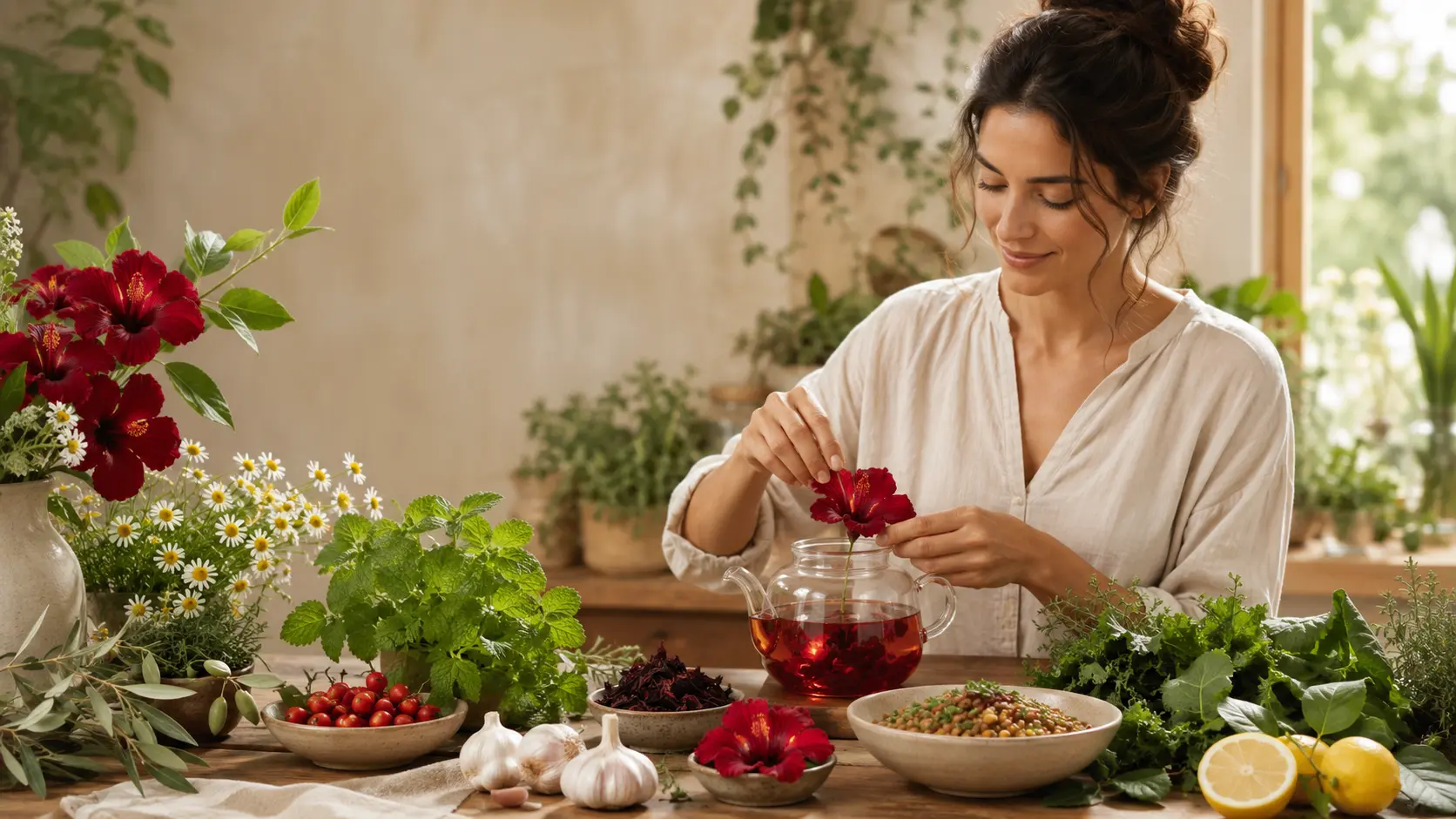
Hibiscus, Lemon Balm & Hawthorn Heart-Support Tea
This tart, calming tea combines hibiscus, lemon balm, and hawthorn for a traditional heart-supportive herbal routine. It is not a replacement for blood pressure medication or monitoring, but it can be a pleasant, caffeine-free wellness drink for people who have confirmed these herbs are appropriate for them.
Ingredients with exact measurements
1 teaspoon dried hibiscus
1 teaspoon dried lemon balm
1 teaspoon dried hawthorn berries or hawthorn leaf and flower
8 ounces hot water
1 small slice fresh orange, optional
1 teaspoon honey, optiona
Step-by-step preparation instructions
Place hibiscus, lemon balm, and hawthorn in a mug or teapot.
Pour 8 ounces of hot water over the herbs.
Cover and steep for 10 to 15 minutes.
Strain well.
Add orange slice or honey if desired.
Sip warm, or chill and serve over ice.
How to use
Drink 1 cup occasionally as part of a heart-healthy routine, only if these herbs are appropriate for your health situation. Do not use hibiscus, hawthorn, or concentrated herbal products with blood pressure medications, heart medications, diuretics, anticoagulants, pregnancy, kidney disease, or heart disease unless approved by a qualified healthcare professional. Continue checking blood pressure as recommended by your healthcare team.
Food for support High Blood Pressure
Garlic, Greens & Lentil Heart-Support Bowl
This simple bowl uses fiber-rich lentils, leafy greens, garlic, olive oil, herbs, and a low-sodium approach. It is warm, practical, satisfying, and much friendlier to the heart than a salt shaker with commitment issues.
Ingredients with exact measurements
1 cup cooked lentils, no salt added if possible
1 cup chopped spinach or kale
1 small garlic clove, minced
1 teaspoon olive oil
1/2 cup cooked quinoa or brown rice
1 tablespoon chopped parsley
1 teaspoon fresh lemon juice
1/4 teaspoon ground cumin
1 small pinch black pepper
Optional: 1 tablespoon unsalted pumpkin seeds
Step-by-step preparation instructions
Warm olive oil in a skillet over low to medium heat.
Add minced garlic and stir for 30 seconds, just until fragrant.
Add spinach or kale and cook until wilted.
Stir in cooked lentils and quinoa or brown rice.
Add cumin, black pepper, and lemon juice.
Warm everything together for 3 to 5 minutes.
Top with parsley and pumpkin seeds if desired.
How to use
Enjoy as a lunch or dinner bowl as part of an overall heart-healthy eating pattern. Keep sodium low by using unsalted lentils, avoiding salty sauces, and seasoning with herbs, lemon, garlic, and spices instead of relying heavily on salt.
What Herbs You Need
These herbs are traditionally used to support heart, stress, and circulation-focused wellness routines: hibiscus, hawthorn, garlic, olive leaf, motherwort, lemon balm, chamomile, nettle, oat straw, and linden. They do not replace blood pressure medication, monitoring, or medical care, and several may interact with medications or may not be appropriate for people with heart, kidney, pregnancy, or medication-related concerns.
Hibiscus
Latin name: Hibiscus sabdariffa
Key herbal actions:
- Refreshing cardiovascular-support herb: Traditionally used in tart drinks and heart-focused wellness routines.
- Antioxidant-rich herb: Contains colorful plant compounds that support general vascular wellness.
- Cooling sour herb: Traditionally chosen when heat and tension are part of the pattern.
Key active compounds: Anthocyanins, hibiscus acid, organic acids, flavonoids, polyphenols, and vitamin C.
Hawthorn
Latin name: Crataegus species
Key herbal actions:
- Cardiovascular tonic tradition: Traditionally used to support heart and circulation wellness over time.
- Antioxidant-rich herb: Contains flavonoids and procyanidins that are often discussed in heart-support research.
- Gentle trophorestorative tradition: Traditionally used as a long-term support herb rather than a quick-acting remedy.
Key active compounds: Oligomeric procyanidins, vitexin, hyperoside, flavonoids, triterpenes, and phenolic acids.
Garlic
Latin name: Allium sativum
Key herbal actions:
- Cardiovascular food herb: Traditionally used in food and wellness routines for heart and circulation support.
- Aromatic digestive herb: Supports flavor and digestive warmth in meals.
- Metabolic wellness tradition: Often used in heart-healthy food patterns.
Key active compounds: Allicin, alliin, ajoene, diallyl sulfides, sulfur compounds, and flavonoids.
Olive Leaf
Latin name: Olea europaea
Key herbal actions:
- Antioxidant-rich herb: Traditionally used in Mediterranean herbal wellness.
- Vascular support tradition: Often discussed for circulation and metabolic wellness.
- Bitter leaf herb: Has a strong, slightly bitter taste and is often used as tea or extract.
Key active compounds: Oleuropein, hydroxytyrosol, verbascoside, flavonoids, and secoiridoids.
Motherwort
Latin name: Leonurus cardiaca
Key herbal actions:
- Nervine tradition: Traditionally used when stress, emotional tension, or restlessness affects the heart area.
- Bitter herb: Traditionally used for digestion and nervous system patterns.
- Cardiac folk herb: Historically associated with heart-centered tension, but it requires careful safety review.
Key active compounds: Leonurine, stachydrine, flavonoids, iridoids, diterpenes, and tannins.
Lemon Balm
Latin name: Melissa officinalis
Key herbal actions:
- Nervine: Traditionally used to support calm and emotional steadiness.
- Carminative: Traditionally used when stress affects digestion.
- Gentle aromatic herb: Adds pleasant lemony flavor to teas.
Key active compounds: Rosmarinic acid, citral, citronellal, geraniol, flavonoids, and volatile oils.
Chamomile
Latin name: Matricaria recutita
Key herbal actions:
- Nervine: Traditionally used to support relaxation and calm routines.
- Carminative: Traditionally used for digestive comfort.
- Mild antispasmodic tradition: Traditionally used when tension and stress are part of the pattern.
Key active compounds: Apigenin, bisabolol, chamazulene, matricin, flavonoids, and volatile oils.
Nettle
Latin name: Urtica dioica
Key herbal actions:
- Nutritive herb: Traditionally used as a mineral-rich infusion.
- Spring tonic tradition: Often used for general nourishment and wellness.
- Mild fluid-balance tradition: Traditionally associated with urinary and mineral support, so medication caution matters.
Key active compounds: Minerals including potassium, calcium, magnesium, and iron; chlorophyll; flavonoids; phenolic acids; and plant sterols.
Oat Straw
Latin name: Avena sativa
Key herbal actions:
- Nutritive tonic: Traditionally used for long-term nervous system nourishment.
- Gentle nervine: Used when stress and depletion are part of the pattern.
- Mineral-rich herb: Commonly prepared as a long infusion.
Key active compounds: Minerals including magnesium and calcium, avenanthramides, silica, flavonoids, saponins, and alkaloids.
Linden
Latin name: Tilia species
Key herbal actions:
- Relaxing nervine: Traditionally used for tension and calm.
- Gentle cardiovascular folk herb: Traditionally associated with relaxation and heart-centered stress patterns.
- Soothing aromatic tea herb: Often used in evening teas.
Key active compounds: Flavonoids including quercetin and kaempferol, mucilage, tannins, volatile oils, and phenolic acids.
Key Herbal Products for High Blood Pressure
Hibiscus Tea
Hibiscus tea is a tart, ruby-colored herbal tea commonly used hot or iced. Research has explored hibiscus for blood pressure, and some studies suggest potential blood-pressure-lowering effects, but it should be used with caution, especially with medication.
Pros: Caffeine-free, flavorful, widely available, and easy to prepare.
Cons: May lower blood pressure or interact with medications; not appropriate for everyone.
Best choice when: Someone wants a tart herbal drink and has confirmed it is safe with their healthcare professional.
Garlic Supplements
Garlic supplements are sold as capsules, tablets, aged garlic extract, powders, and oils. NCCIH notes limited evidence that garlic supplements may reduce blood pressure to a small extent in people with high blood pressure, but supplement quality and interaction risks matter.
Pros: Convenient, standardized options are available, and garlic is widely studied compared with many herbs.
Cons: May increase bleeding risk, interact with medications, cause digestive upset, or be inappropriate before surgery.
Best choice when: Someone wants a supplement format and has reviewed medication interactions with a healthcare professional.
Hawthorn Tea, Capsules, or Tincture
Hawthorn is commonly sold as tea, capsules, tincture, or solid extract. It is traditionally used as a long-term cardiovascular support herb, not as an emergency or quick blood pressure intervention.
Pros: Long history of traditional use and available in multiple forms.
Cons: May interact with heart medications, blood pressure medications, and other cardiovascular drugs.
Best choice when: Someone is looking for traditional heart-supportive herbs and has professional guidance.
Olive Leaf Extract
Olive leaf extract is often sold as capsules, tincture, or liquid extract. It is commonly marketed for cardiovascular and antioxidant support.
Pros: Convenient and widely available.
Cons: May interact with blood pressure or diabetes medications and may not be appropriate for everyone.
Best choice when: Someone wants a supplement-style product and can review safety with a healthcare professional.
Calming Nervine Tea Blends
Calming blends may include lemon balm, chamomile, linden, passionflower, or lavender. For high blood pressure, their traditional role is more about supporting stress routines than directly managing blood pressure.
Pros: Gentle, relaxing, caffeine-free, and useful as part of an evening routine.
Cons: Not a substitute for medication, monitoring, exercise, sodium reduction, or medical care.
Best choice when: Stress, poor sleep, or nervous tension are part of the overall pattern.
FAQ
Can herbs lower high blood pressure?
Some herbs and supplements have been studied for blood pressure, including hibiscus and garlic, but evidence varies and effects are generally not a replacement for medical care. NCCIH notes that some complementary approaches may have small effects, while others may interact with medications or raise blood pressure. Always involve your healthcare professional if you have high blood pressure.
Is high blood pressure dangerous if I feel fine?
Yes, it can be. Many people with high blood pressure do not feel symptoms, but untreated hypertension can increase the risk of heart disease, stroke, kidney disease, and other serious problems. Regular blood pressure checks are important because feeling fine does not always mean blood pressure is in a healthy range.
Can I drink hibiscus tea every day?
Hibiscus tea is commonly consumed as a beverage, but daily use is not appropriate for everyone. It may lower blood pressure and may interact with blood pressure medications, diuretics, or other medications. Ask your healthcare professional if hibiscus is appropriate for your situation.
Are there herbs people with high blood pressure should avoid?
Yes. NCCIH warns that some supplements, including licorice root, bitter orange, ephedra, and ginseng, may raise blood pressure or interact with blood pressure medications. People with hypertension should be careful with stimulant herbs, concentrated extracts, and “energy” products.
Is garlic food safer than garlic supplements?
Garlic used in normal food amounts is generally different from concentrated garlic supplements. Supplements may have stronger effects and more interaction concerns, especially with blood thinners, surgery, or medications. If you use garlic for flavor in heart-healthy meals, that is usually a more food-based approach.
Can stress management help blood pressure?
Stress management can be part of a blood pressure support plan, especially when paired with medical care and lifestyle steps. CDC includes managing stress among lifestyle measures that can help prevent or manage high blood pressure. Practices such as relaxation, yoga, breathing, and calm routines may support overall wellness.
Can pets use these herbs for high blood pressure?
Do not give blood pressure herbs, garlic, tinctures, teas, or supplements to pets unless a veterinarian recommends them. Garlic can be unsafe for dogs and cats, and blood pressure problems in pets require veterinary care. A pet’s cardiovascular health should never be managed with human herbal products.
References
CDC: About High Blood Pressure
CDC: High Blood Pressure Risk Factors
CDC: Preventing High Blood Pressure
MedlinePlus: High Blood Pressure
MedlinePlus: High Blood Pressure in Adults
NHLBI: What Is High Blood Pressure?
NCCIH: Hypertension High Blood Pressure
NCCIH: Complementary Health Approaches for Hypertension
NCCIH: Garlic Usefulness and Safety
PubMed Central: Effect of Hibiscus sabdariffa on Blood Pressure
PubMed Central: Systematic Review and Meta-Analysis of Hibiscus Effects
Cochrane: Garlic for Hypertension
Disclaimer
This article is for educational purposes only and is not medical advice, diagnosis, or treatment. High blood pressure can be serious and should be monitored and managed with guidance from a qualified healthcare professional.
Do not stop or change blood pressure medication because of herbs, teas, supplements, or online wellness advice. Seek urgent medical care for very high readings, chest pain, shortness of breath, severe headache, weakness, confusion, vision changes, or symptoms that feel sudden or severe. Consult a healthcare professional before using herbs or supplements if you are pregnant, nursing, taking medication, preparing for surgery, managing kidney disease, heart disease, diabetes, blood pressure concerns, or choosing herbs for a child or pet.