
Aloe Vera: Soothing Support
Aloe vera is a classic herbal ally known for its cooling, moistening effect on irritated tissues. In traditional Western herbalism, it supports skin repair, digestive lining integrity, and balanced inflammation where dryness and heat are present.
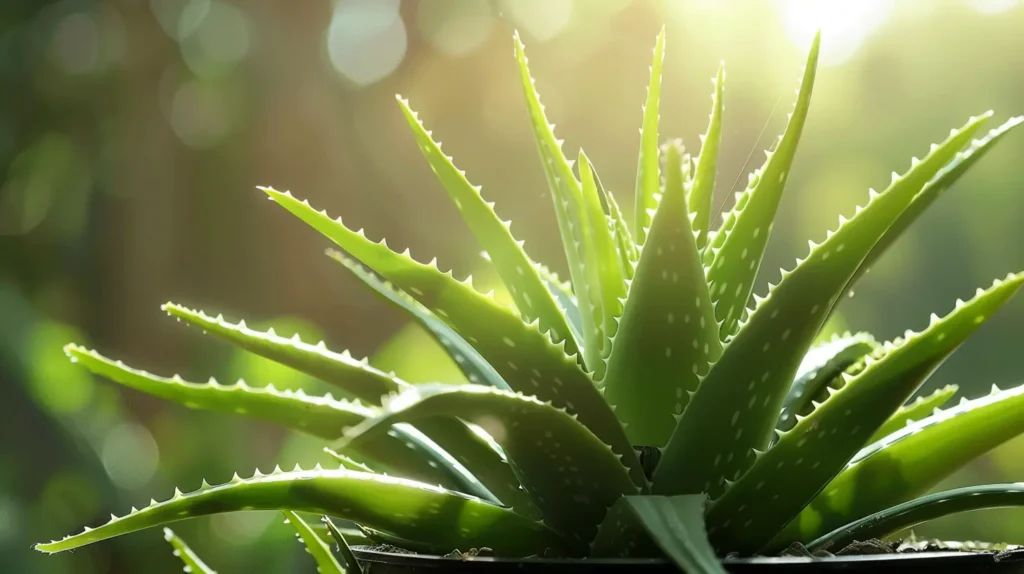
Latin (botanical) name: Aloe barbadensis miller
Plant family: Asphodelaceae
Common names: Aloe vera, Aloe, Barbados aloe
Traditional use overview:
Aloe vera has been used for centuries as a topical remedy for burns, dryness, and irritation, and internally (in specific preparations) to support digestive function. It is valued for its ability to soothe, cool, and protect delicate tissues.
Herbal Actions
- Demulcent – coats and soothes irritated tissues
- Vulnerary – supports tissue repair and recovery
- Anti-inflammatory – calms heat and irritation
- Moistening – restores hydration to dry tissues
- Mild laxative (latex portion) – stimulates bowel movement when used appropriately
Practical Uses
Aloe vera is widely used where tissues are overheated, dry, or irritated—such as sun-exposed skin or sensitive digestive lining.
Externally, it is a staple for soothing skin, while internally (gel only), it is used in small amounts to support digestive comfort.
Product forms
- Fresh gel (from leaf) – most traditional and direct form
- Stabilized aloe gel – processed for longer shelf life
- Juice – filtered internal preparation
- Capsules – typically containing dried gel or extract
- Topical gels and creams – for skin application
- Latex extracts – concentrated bitter fraction (less commonly used today)
Traditional herbal recipes
Fresh Aloe Skin Gel
The inner gel is scooped from a freshly cut leaf and applied directly to the skin for cooling and soothing.
Aloe Cooling Skin Blend
Fresh aloe gel is blended with a small amount of herbal infusion (such as chamomile) for a calming topical application.
Diluted Aloe Juice
Prepared aloe gel is diluted with water and taken in small amounts to support digestive tissues (traditional use, gel only).
Parts Used
- Inner leaf gel (primary use)
- Leaf latex (yellow bitter sap, used cautiously and less commonly today)
Usage Forms & Shelf Life
Internal vs external use:
- External: fresh gel, creams, compresses
- Internal: gel or juice (latex excluded in most modern use)
Common preparations:
- Fresh gel
- Juice
- Topical formulations
Shelf life:
- Fresh gel: 1–2 days refrigerated
- Stabilized gel: several months
- Juice: varies (typically weeks when refrigerated and preserved)
Safety & Considerations and Dosage Guidelines
Aloe vera is generally safe when used appropriately.
- Only the inner gel is used for internal purposes
- Latex portion is potent and should be used cautiously
- Internal use typically involves small amounts (e.g., 15–50 mL juice daily in traditional use)
Side Effects & Contraindications
- Latex may cause strong laxative effects and discomfort
- Excessive internal use may lead to digestive upset
- Not recommended during pregnancy when using latex-containing preparations
- Topical use is generally well tolerated, though rare sensitivity may occur
Active Constituents
Polysaccharides (e.g., acemannan, glucomannan)
- Responsible for soothing and moisturizing effects
- Support tissue repair and hydration
- Best extracted in fresh gel or stabilized aqueous preparations
National Center for Biotechnology Information (NCBI)
Anthraquinones (e.g., aloin, emodin)
- Found in latex portion
- Provide strong laxative action
- Alcohol extraction increases concentration
- Typically removed from internal products in modern use
European Medicines Agency (EMA)
Vitamins (e.g., vitamin C, vitamin E)
- Contribute to antioxidant activity
- Support skin health
- Present in modest amounts
Enzymes (e.g., bradykinase)
- Associated with anti-inflammatory effects
- Sensitive to heat and processing
How It Works
Aloe vera works by forming a soothing, protective layer over tissues while delivering hydration and bioactive compounds.
Its polysaccharides help retain moisture and support cellular repair, while its anti-inflammatory components calm irritated areas.
Processing Cautions
The key distinction in aloe processing is separating the gel from the latex.
Improper preparation can result in unwanted laxative effects due to anthraquinones. Fresh gel is highly perishable and should be used promptly or stabilized carefully.
Quick Herb Overview
- Botanical family: Asphodelaceae
- Parts used: Inner leaf gel
- Energetics (traditional): Cooling, moistening
- Taste profile: Mild, slightly bitter
Herb Identification
Visual traits:
Thick, fleshy leaves with serrated edges, filled with clear gel.
Growth habit:
Succulent plant forming rosettes, adapted to dry climates.
Look-alikes and safety notes:
Some aloe species are similar; correct identification is important, especially for internal use.
Selecting Quality Herb
- Fresh leaves should be firm and full
- Gel should be clear and not overly watery
- Avoid products with excessive additives
- Look for decolorized (latex-removed) internal products
Natural Growing Areas
Aloe vera is native to arid regions of the Arabian Peninsula and is now cultivated worldwide in warm, dry climates.
Growing Tips
- Prefers well-drained sandy soil
- Requires bright light or full sun
- Minimal watering needed (drought-tolerant)
- Easily grown in pots indoors or outdoors
Frequently Asked Questions
Can aloe vera be used directly from the plant?
Yes, the fresh inner gel can be applied directly to the skin. It is one of the simplest and most traditional ways to use the plant.
What is the difference between aloe gel and latex?
The gel is the clear inner portion used for soothing and hydration, while the latex is a yellow sap with strong laxative properties.
Is aloe useful for dry skin?
Traditionally, it is widely used to hydrate and soothe dry or irritated skin, especially in warm or dry environments.
Can aloe be taken internally?
Only properly prepared gel or juice is used internally in traditional practice, and in moderate amounts.
Why does aloe feel cooling?
Its high water content and soothing compounds help reduce heat and irritation in tissues.
Is fresh aloe better than store-bought?
Fresh aloe provides the most direct and unprocessed form, though stabilized products offer convenience and longer shelf life.
References cited using inline clickable source names
National Center for Biotechnology Information (NCBI)
European Medicines Agency (EMA)
This content is for educational purposes only and reflects traditional herbal knowledge. It is not intended to diagnose, treat, or replace professional medical advice.