
Gentian Root: Traditional Bitter for Digestive Tone and Appetite Support
Gentian root is one of the most respected bitter herbs in traditional Western herbalism. It is valued for restoring digestive tone, stimulating appetite, and supporting healthy gastric and bile secretions through its intensely bitter taste.
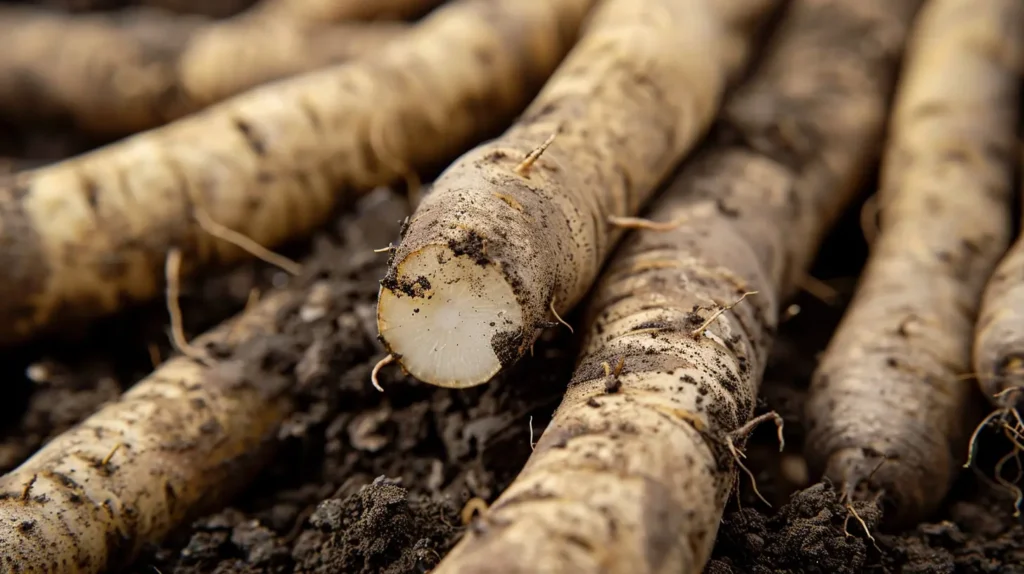
Latin name: Gentiana lutea
Plant family: Gentianaceae
Common names: Yellow gentian, bitter root, European gentian
Gentian has been used in European herbal practice for centuries as a classic digestive bitter. Traditional herbal texts describe its use before meals to stimulate appetite and improve digestive readiness. Its root has also been included in historical tonic wines and aperitif formulas designed to awaken digestive reflexes.
The European Medicines Agency recognizes gentian root as a traditional herbal medicinal product for loss of appetite and mild digestive complaints based on longstanding use, documented in its herbal monograph from the European Medicines Agency (EMA).
Herbal Actions
Gentian is traditionally described as:
- Bitter tonic
- Digestive stimulant
- Cholagogue (supports bile flow)
- Stomachic (supports gastric tone)
These actions are tied directly to its strong bitter profile, which activates taste receptors and triggers reflexive digestive secretions.
Practical Uses
In traditional practice, gentian is most often used when appetite is diminished, digestion feels sluggish, or meals sit heavily. Herbalists frequently combine it with aromatic herbs such as orange peel or fennel to soften its intensity.
Because it is strongly bitter, small quantities are traditionally sufficient. The emphasis is on stimulating physiological response rather than providing bulk nourishment.
Product Forms
Gentian root is commonly available as:
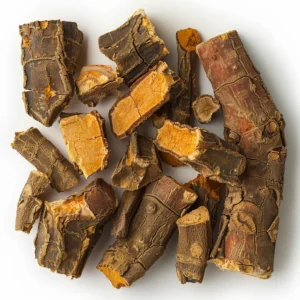
- Dried cut root (for decoctions)
- Powdered root
- Alcohol-based tincture
- Glycerite (less common)
- Bitter extracts and digestive formulas
- Traditional aperitif-style preparations
Tinctures and extracts are particularly common due to efficient extraction of bitter constituents.
Traditional Herbal Recipes
Gentian is traditionally included in bitter blends taken before meals. A simple decoction involves gently simmering small pieces of dried root to extract its bitter compounds. It is rarely used alone in tea because of its intensity, and more often appears in multi-herb formulas.
Parts Used
The dried root is the medicinal part used in Western herbalism.
Usage Forms & Shelf Life
Internal use: Decoctions, tinctures, bitter extracts
External use: Not commonly used externally
Shelf life:
- Dried root: approximately 2–3 years when stored in airtight conditions
- Tincture: 4–6 years
- Powder: 1–2 years depending on storage
Proper storage away from moisture and light preserves bitter compounds.
Safety & Considerations and Dosage Guidelines
Gentian is traditionally used in very small quantities due to its potency. It is generally considered appropriate for short-term digestive support in traditional contexts.
Individuals with sensitive stomach lining may find strong bitters uncomfortable. Conservative use is customary.
Side Effects & Contraindications
Because gentian stimulates gastric secretion, it is traditionally avoided in individuals with gastric irritation or ulceration. Its strong bitterness may cause nausea if used in excess.
The EMA monograph outlines traditional safety considerations in detail in documentation from the European Medicines Agency (EMA).
Active Constituents
Secoiridoid Bitter Glycosides
Primary compounds include gentiopicroside and amarogentin. Amarogentin is considered one of the most bitter naturally occurring compounds, with an extremely low taste threshold measured in microgram ranges according to phytochemical analyses summarized in research available through PubMed Central.
Traditional role: Stimulates bitter taste receptors and digestive reflexes
Best extraction method: Alcohol extraction or decoction
Xanthones
Gentisin and isogentisin are present in smaller amounts.
Traditional role: Contribute to tonic and digestive-supportive properties
Best extraction method: Alcohol-based extraction
Inulin (minor component)
Provides mild prebiotic properties in root tissue.
How It Works
Gentian activates bitter taste receptors located not only on the tongue but also throughout the gastrointestinal tract. Activation of these receptors triggers vagal reflexes that increase salivary secretion, gastric acid production, and bile release.
Research describing bitter taste receptors in the gut and their physiological effects is available through PubMed Central.
In traditional herbalism, this reflex stimulation is central to gentian’s action: the taste initiates the function.
Processing Cautions
Gentian root is dense and fibrous. Proper drying is essential to prevent mold. Overheating during processing may reduce volatile compounds, though the primary bitter glycosides are relatively stable.
Powdering increases surface area but may shorten shelf life.
Quick Herb Overview
Botanical family: Gentianaceae
Parts used: Root
Energetics (traditional): Cold, dry
Taste profile: Intensely bitter
Herb Identification
Gentiana lutea is a tall perennial plant native to mountainous regions of Europe. It produces large opposite leaves and striking yellow star-shaped flowers arranged in whorls along the stem.
The root is thick, brown externally, and yellow internally. It should not be confused with white hellebore (Veratrum album), which is toxic and can appear superficially similar in the wild. Proper botanical identification is essential when wild harvesting.
Selecting Quality Herb
Quality gentian root should have a distinctly strong bitter aroma and bright yellow interior when freshly cut. Dull color or weak taste may indicate age or poor storage.
Reputable suppliers provide cut root pieces with minimal powder and consistent color.
Natural Growing Areas
Gentian grows naturally in alpine and subalpine regions of Central and Southern Europe, particularly in the Alps and Balkans. It prefers well-drained mountain soils.
Wild populations are protected in some regions due to overharvesting.
Growing Tips
Gentian requires patience. Seeds need cold stratification and may take several years to mature. It prefers cool climates and deep, well-drained soil.
Because the medicinal root develops slowly, cultivation requires long-term planning.
Frequently Asked Questions
Why is gentian so bitter?
It contains secoiridoid glycosides such as amarogentin, among the most bitter natural compounds known.
Can gentian be taken as tea?
Yes, but it is typically prepared as a decoction and often blended due to its intensity.
Is gentian used daily?
Traditionally, it is used in small amounts before meals rather than continuously throughout the day.
Does gentian support liver function?
It traditionally supports bile flow, which is part of digestive physiology.
Why are bitters taken before meals?
The bitter taste stimulates digestive reflexes in anticipation of food.
Is gentian warming or cooling?
Traditionally considered cooling and drying due to its bitter energetics.
References
Community Herbal Monograph on Gentiana lutea L., radix — European Medicines Agency (EMA)
Phytochemical analysis of Gentiana species — PubMed Central
Bitter taste receptors in the gastrointestinal tract — PubMed Central
This content is provided for educational purposes only and reflects traditional Western herbal practice and publicly available research. It is not intended to diagnose, treat, cure, or prevent any disease and does not replace professional medical care or individualized guidance.