
Dandelion: Traditional Uses, Actions, and Herbal Practice
Dandelion is traditionally used to support liver function, digestive flow, and gentle detoxification through nourishment rather than force.
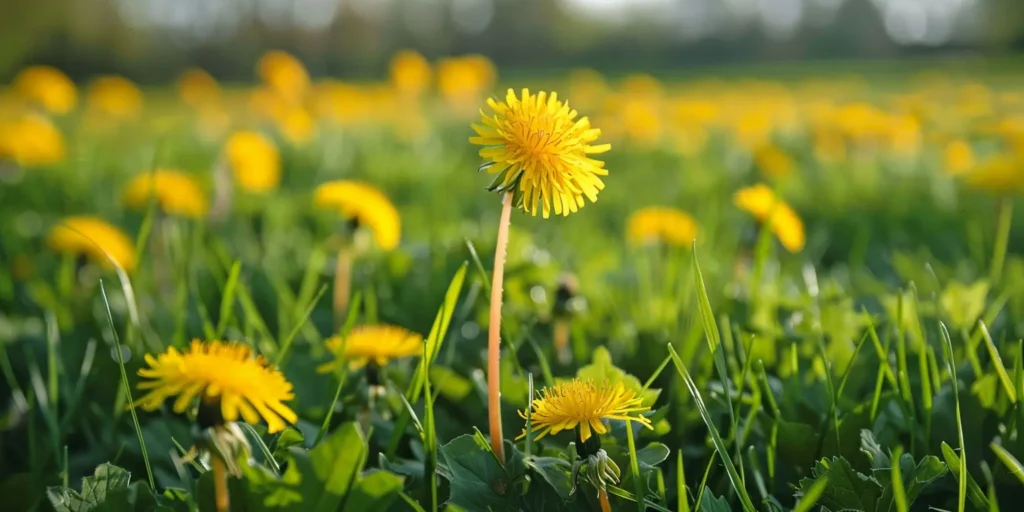
Latin (botanical) name: Taraxacum officinale
Plant family: Asteraceae
Common names: Dandelion, lion’s tooth, blowball
Traditional use overview:
Dandelion has been used in Western herbalism for centuries as a foundational food-herb and medicine. Traditionally, it was employed to support liver and gallbladder function, stimulate digestion, encourage elimination, and nourish depleted tissues. Unlike harsher detoxifying herbs, dandelion is known for strengthening the body while supporting clearance.
Herbal Actions
Dandelion is traditionally associated with the following actions:
- Cholagogue – supports bile flow and digestive function
- Alterative – encourages gradual metabolic balance
- Diuretic – supports healthy fluid movement
- Bitter tonic – stimulates digestive secretions
- Nutritive – provides minerals and phytonutrients
These actions describe traditional functional use rather than medical treatment.
Practical Uses
In Western herbalism, dandelion is commonly used for sluggish digestion, liver congestion, metabolic imbalance, and general depletion. It is often chosen when long-term support is needed rather than rapid intervention. Because both root and leaf are used, herbalists tailor preparations depending on whether digestive stimulation, nourishment, or elimination is the primary goal.
Product Forms
Dandelion is widely available in many preparations:
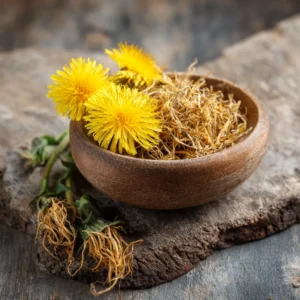
- Dried root – teas, decoctions, tinctures
- Dried leaf – teas and nutritive blends
- Fresh root tincture – traditional liver support
- Capsules – powdered root or leaf
- Roasted root – coffee-style beverage
Whole-plant preparations are common in traditional practice.
Traditional Herbal Recipes
- Dandelion Root Decoction
A classic bitter tonic for digestive and liver support. - Nutritive Dandelion Leaf Tea
Traditionally used to nourish and gently support elimination. - Roasted Dandelion Root Drink
A traditional caffeine-free alternative beverage. - Spring Alterative Blend
Dandelion combined with other cleansing and nourishing herbs.
Parts Used
- Root
- Leaf
- Occasionally flower
Usage Forms & Shelf Life
Internal vs external use:
Primarily used internally.
Common preparations:
Teas, decoctions, tinctures, powders, roasted root beverages
Shelf-life ranges:
- Dried root or leaf: 1–2 years
- Tinctures: 3–5 years
- Roasted root: 1 year when stored airtight
Safety & Considerations and Dosage Guidelines
Dandelion is generally considered safe and gentle for long-term use in traditional practice. It is often introduced gradually due to its bitter and stimulating nature. Root and leaf have different effects and are traditionally selected based on individual needs.
Side Effects & Contraindications
Some individuals may experience increased digestive activity when first using dandelion. Those with known bile duct obstruction traditionally use caution. Proper plant identification is essential, as dandelion is sometimes confused with similar-looking species.
Active Constituents
Bitter Compounds
- Compounds: taraxacin, taraxacerin
- Traditional role: digestive and bile stimulation
- Best extraction: decoction, tincture
Sesquiterpene Lactones
- Traditional role: bitter tonic effects
- Best extraction: alcohol and water
Inulin
- Traditional role: nutritive support for digestion
- Quantitative data: root may contain 25–45% inulin by dry weight
National Center for Biotechnology Information
Minerals
- Compounds: potassium, calcium, iron
- Traditional role: nutritive and balancing effects
- Best extraction: infusion (leaf), decoction (root)
How It Works
Traditionally, dandelion is understood to work by stimulating digestive secretions, supporting bile flow, and nourishing metabolic pathways, particularly in the liver. Modern research supports its bitter compounds and inulin content as key contributors to these effects, aligning closely with its long history of use
Journal of Ethnopharmacology.
Processing Cautions
Roots should be harvested in fall or early spring for best potency. They must be cleaned thoroughly and dried evenly to prevent mold. Leaves should be dried quickly to preserve color and mineral content.
Quick Herb Overview
- Botanical family: Asteraceae
- Parts used: Root, leaf, flower
- Energetics: Cooling, drying (leaf); warming, stimulating (root)
- Taste profile: Bitter, slightly sweet
Herb Identification
Visual traits:
Deeply toothed leaves, hollow flowering stalks, bright yellow composite flowers.
Growth habit:
Perennial, low-growing rosette with a deep taproot.
Look-alikes and safety notes:
True dandelion has a single flower per stem and milky sap. Avoid confusing with false dandelions or hawkweeds.
Selecting Quality Herb
Choose roots that are firm and aromatic, not shriveled or musty. Leaves should be green and vibrant. Properly dried dandelion retains a clean, earthy bitterness.
Natural Growing Areas
Dandelion is native to Europe and Asia and now grows worldwide. It thrives in lawns, fields, and disturbed soils.
Growing Tips
Dandelion grows easily in most soils and prefers full sun. Roots are best harvested from loose, uncompacted ground. Regular leaf harvesting encourages regrowth.
Frequently Asked Questions
Is dandelion mainly a liver herb?
Yes, but it also supports digestion, elimination, and nourishment.
Is the root or leaf better?
They serve different purposes; root is more digestive and liver-focused, leaf more nutritive and diuretic.
Can dandelion be used long term?
Traditionally, yes, especially as a food-like herb.
Does dandelion act quickly?
It works gradually and steadily rather than producing rapid effects.
Is roasted dandelion medicinal?
It retains some traditional benefits but is milder than medicinal preparations.
Is dandelion safe for daily use?
In traditional practice, it is often used daily in moderate amounts.
References
- National Center for Biotechnology Information
- Journal of Ethnopharmacology
- European Medicines Agency – Herbal Monographs
This content is for educational purposes only and reflects traditional herbal understanding. It is not intended to diagnose, treat, cure, or prevent any disease.