
Peppermint: Traditional Uses, Actions, and Herbal Practice
Peppermint is traditionally used to support digestion, ease muscular tension in the gut, and restore clarity and responsiveness in the nervous system.
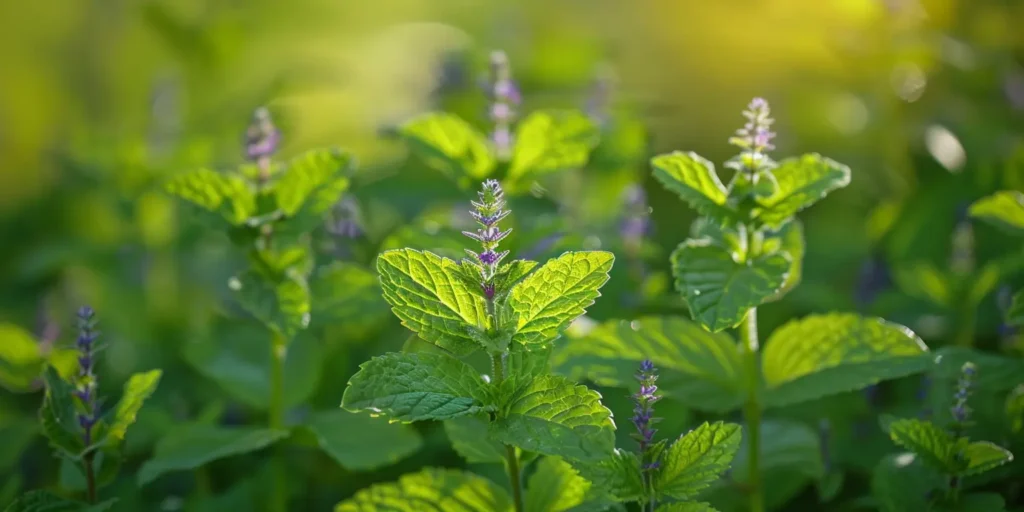
Latin (botanical) name: Mentha × piperita
Plant family: Lamiaceae
Common names: Peppermint, black mint
Traditional use overview:
Peppermint has been a cornerstone of Western herbal practice for centuries, particularly for digestive and nervous system support. Traditionally, it was used to calm cramping, improve digestive flow, and sharpen mental clarity. Herbalists often describe peppermint as a harmonizer—capable of settling discomfort while restoring alertness and balance.
Herbal Actions
Peppermint is traditionally associated with the following actions:
- Carminative – supports digestive movement and comfort
- Antispasmodic – helps ease smooth muscle tension
- Cooling stimulant – refreshes circulation without overheating
- Mild nervine – supports mental clarity and calm focus
- Cholagogue – encourages healthy bile flow
These actions describe traditional functional use rather than medical treatment.
Practical Uses
In Western herbalism, peppermint is commonly used for digestive discomfort, tension-related unease, and mental fatigue. It is well suited for both acute and daily use, often taken as a tea after meals or included in formulas designed to balance heavier or warming herbs. Peppermint is also valued for making herbal blends more palatable and energetically balanced.
Product Forms
Peppermint is widely available in multiple preparations:
- Dried leaf – teas and bulk herbal blends
- Tinctures – alcohol extracts
- Essential oil – aromatic and topical use
- Capsules – powdered leaf
- Topical products – balms, oils, and liniments
Whole leaf preparations are most common in traditional use.
Traditional Herbal Recipes
- Peppermint Digestive Tea
A classic single-herb infusion used after meals. - Cooling Nervine Blend
Peppermint combined with calming herbs for mental refreshment. - Carminative Tea Formula
Peppermint paired with warming spices to support digestion. - Topical Peppermint Oil
Traditionally used to cool and stimulate the skin.
Parts Used
- Leaf and flowering tops
Usage Forms & Shelf Life
Internal vs external use:
Used both internally and externally.
Common preparations:
Teas, tinctures, essential oil (external/aromatic), capsules
Shelf-life ranges:
- Dried leaf: 1–2 years
- Tinctures: 3–5 years
- Essential oil: 2–3 years when stored properly
Safety & Considerations and Dosage Guidelines
Peppermint is generally considered gentle and suitable for regular use in traditional practice. It is often used alone or to balance formulas that feel heavy, hot, or stagnant. Essential oil preparations are much more concentrated and traditionally used with caution.
Side Effects & Contraindications
Peppermint may aggravate reflux symptoms in some individuals due to its relaxing effect on digestive sphincters. Essential oil should not be applied undiluted to the skin. Traditional use avoids strong peppermint preparations for very young children.
Active Constituents
Volatile Oils
- Compounds: menthol, menthone, menthyl acetate
- Traditional role: cooling sensation, digestive relaxation, aromatic stimulation
- Best extraction: steam distillation (oil), alcohol tincture
- Quantitative data: menthol typically makes up 30–50% of peppermint essential oil
National Center for Biotechnology Information
Flavonoids
- Compounds: eriocitrin, luteolin
- Traditional role: antioxidant and tissue support
- Best extraction: water and alcohol
Phenolic Acids
- Compounds: rosmarinic acid
- Traditional role: soothing and balancing effects
- Best extraction: water infusions and tinctures
How It Works
Traditionally, peppermint is understood to work by relaxing smooth muscle, stimulating circulation, and cooling excess heat, particularly in the digestive and nervous systems. Modern research highlights menthol’s effects on sensory receptors and smooth muscle tone, aligning closely with peppermint’s long-standing traditional uses
Journal of Ethnopharmacology.
Processing Cautions
Peppermint leaves should be dried quickly and stored away from heat and light to preserve volatile oils. Crushing the leaf too finely can accelerate loss of aroma and potency. Essential oil requires careful handling and proper dilution.
Quick Herb Overview
- Botanical family: Lamiaceae
- Parts used: Leaf, flowering tops
- Energetics: Cooling, drying
- Taste profile: Strongly aromatic, cooling, slightly bitter
Herb Identification
Visual traits:
Dark green leaves with serrated edges and a strong mint aroma when crushed.
Growth habit:
Perennial with spreading runners; vigorous and fast-growing.
Look-alikes and safety notes:
Peppermint is a hybrid; other Mentha species are similar but vary in potency.
Selecting Quality Herb
Choose peppermint with a bright green color and strong, fresh aroma. Leaves should not smell musty or dull. High-quality herb is vibrant, aromatic, and clearly labeled with botanical name.
Natural Growing Areas
Peppermint is widely cultivated and does not occur naturally in the wild. It thrives in temperate regions with adequate moisture.
Growing Tips
Peppermint prefers moist soil, partial to full sun, and benefits from regular harvesting. Because it spreads aggressively, container growing is often recommended.
Frequently Asked Questions
Is peppermint primarily a digestive herb?
Yes. Digestive support is one of its most common traditional uses.
Is peppermint warming or cooling?
It is considered cooling, despite its stimulating aroma.
Can peppermint be used daily?
Traditionally, yes—especially as a mild tea.
Is peppermint calming or stimulating?
It can be both, depending on context, often calming the body while sharpening the mind.
Can peppermint be used externally?
Yes. Topical and aromatic use has a long tradition.
Does peppermint combine well with other herbs?
Very well. It is often used to harmonize formulas.
References
- National Center for Biotechnology Information
- Journal of Ethnopharmacology
- European Medicines Agency – Herbal Monographs
This content is for educational purposes only and reflects traditional herbal understanding. It is not intended to diagnose, treat, cure, or prevent any disease.