
Ginger: Traditional Uses, Actions, and Herbal Practice
Ginger is traditionally used to support digestion, circulation, tissue warmth, and adaptive response to stress, especially where cold, stagnation, or nausea are present. I
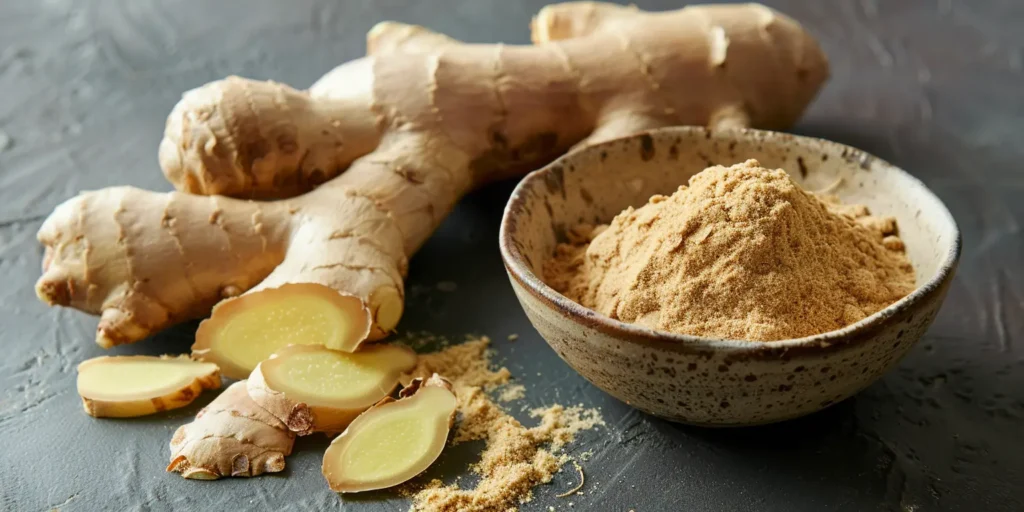
Latin (botanical) name: Zingiber officinale
Plant family: Zingiberaceae
Common names: Ginger, common ginger, ginger root
Traditional use overview:
Although ginger originates in Southeast Asia, it has been fully integrated into Western herbalism for centuries as a warming, dispersive, and digestive root. Western herbalists traditionally use ginger to address digestive sluggishness, poor circulation, cold conditions, and recovery from acute stress. It is often viewed as both a culinary and medicinal herb, bridging daily nourishment and targeted support.
Herbal Actions
Ginger is traditionally associated with the following actions:
- Carminative – supports digestive comfort and reduces gas and bloating
- Circulatory stimulant – encourages warmth and movement in tissues
- Anti-inflammatory – supports moderation of inflammatory responses
- Diaphoretic – gently promotes sweating during acute conditions
- Anti-nausea support – traditionally used to settle the stomach
These actions describe traditional functional use rather than medical effect.
Practical Uses
In Western herbal practice, ginger is commonly used both acutely and preventively, depending on preparation and context. It is often chosen for digestive upset, cold extremities, motion-related discomfort, and recovery after acute stress. Herbalists value ginger for its reliability, immediacy, and versatility across many situations.
Product Forms
Ginger is widely available in many forms:
- Fresh root – culinary and medicinal use
- Dried root powder – capsules, teas, and food preparations
- Tinctures – alcohol-based extracts
- Teas and decoctions – fresh or dried root preparations
- Capsules and tablets – powdered or standardized extracts
- Topical preparations – oils, compresses, and salves
Fresh and dried root preparations remain the most traditional.
Traditional Herbal Recipes
- Fresh Ginger Tea
Sliced fresh root simmered gently to support digestion and warmth. - Ginger Decoction
Dried root boiled for stronger circulatory support. - Digestive Spice Blend
Ginger combined with other carminatives for daily use. - Ginger Compress
Traditionally used externally to encourage circulation and ease tension.
Parts Used
- Rhizome (root), fresh or dried
Usage Forms & Shelf Life
Internal vs external use:
Used both internally and externally.
Common preparations:
Teas, decoctions, tinctures, powders, capsules, topical applications
Shelf-life ranges:
- Fresh root: several weeks refrigerated
- Dried root or powder: 2–3 years
- Tinctures: 3–5 years
- Topical preparations: 6–12 months
Safety & Considerations and Dosage Guidelines
Ginger is traditionally considered safe and well tolerated when used in culinary and herbal amounts. Herbalists often tailor dose and preparation to constitution, emphasizing moderation for individuals sensitive to heat or stimulation. Consistency and appropriate form are usually prioritized over high amounts.
Side Effects & Contraindications
Large amounts may cause digestive irritation or heartburn in sensitive individuals. Ginger is traditionally used with caution where excessive heat or dryness is present. Sensitivity reactions are uncommon.
Active Constituents
Gingerols and Shogaols
- Compounds: 6-gingerol, 8-gingerol, 6-shogaol
- Traditional role: associated with warming, anti-inflammatory, and digestive actions
- Best extraction: alcohol, heat, and drying
- Quantitative data: gingerols typically comprise 1–4% of dried ginger root, with shogaols increasing upon drying
National Center for Biotechnology Information
Volatile Oils
- Compounds: zingiberene, β-bisabolene
- Traditional role: circulatory and carminative activity
- Best extraction: fresh root and alcohol extraction
Polysaccharides
- Traditional role: supportive and nutritive activity
- Best extraction: water-based preparations
How It Works
Traditionally, ginger is understood to work by restoring movement and warmth, especially in digestion and circulation. Modern research suggests its constituents influence inflammatory mediators, gastric motility, and antioxidant pathways, helping explain its long-standing use for digestive and circulatory support
Journal of Ethnopharmacology.
Processing Cautions
Drying increases pungency by converting gingerols to shogaols. Excessive heat may reduce volatile oil content. Preparation method should be matched to desired intensity and purpose.
Quick Herb Overview
- Botanical family: Zingiberaceae
- Parts used: Rhizome
- Energetics: Warming, drying
- Taste profile: Pungent, spicy, slightly sweet
Herb Identification
Visual traits:
Knobby, fibrous rhizome with pale yellow interior and aromatic scent.
Growth habit:
Perennial tropical plant with long, narrow leaves and underground rhizomes.
Look-alikes and safety notes:
Distinct aroma and appearance reduce confusion; ensure correct identification of Zingiber officinale.
Selecting Quality Herb
Choose ginger that is firm, aromatic, and free from mold. Dried ginger should have a strong scent and pale interior. Products should clearly state botanical name and root origin.
Natural Growing Areas
Native to Southeast Asia; widely cultivated in tropical and subtropical regions worldwide.
Growing Tips
Ginger requires warmth, humidity, and rich soil. In temperate climates, it is often grown in containers and harvested once foliage dies back.
Frequently Asked Questions
Is ginger meant for daily use?
Yes. Ginger is traditionally used both daily as a food-herb and situationally as a medicinal herb.
Is ginger warming or cooling?
Ginger is considered distinctly warming and dispersive.
Can ginger be used acutely?
Yes. It is commonly used for immediate digestive or circulatory support.
Does dried ginger work differently than fresh?
Yes. Dried ginger is generally more pungent and warming.
Can ginger be used externally?
Yes. Compresses and infused oils have a long history of external use.
How quickly does ginger act?
Ginger often acts relatively quickly, especially for digestion and circulation.
References
- National Center for Biotechnology Information
- Journal of Ethnopharmacology
- European Medicines Agency – Herbal Monographs
This content is for educational purposes only and reflects traditional herbal understanding. It is not intended to diagnose, treat, cure, or prevent any disease.