
Rose Hips: Traditional Uses, Actions, and Herbal Practice
Rose hips are traditionally used to nourish tissues, support joint ease, and strengthen baseline immune resilience.
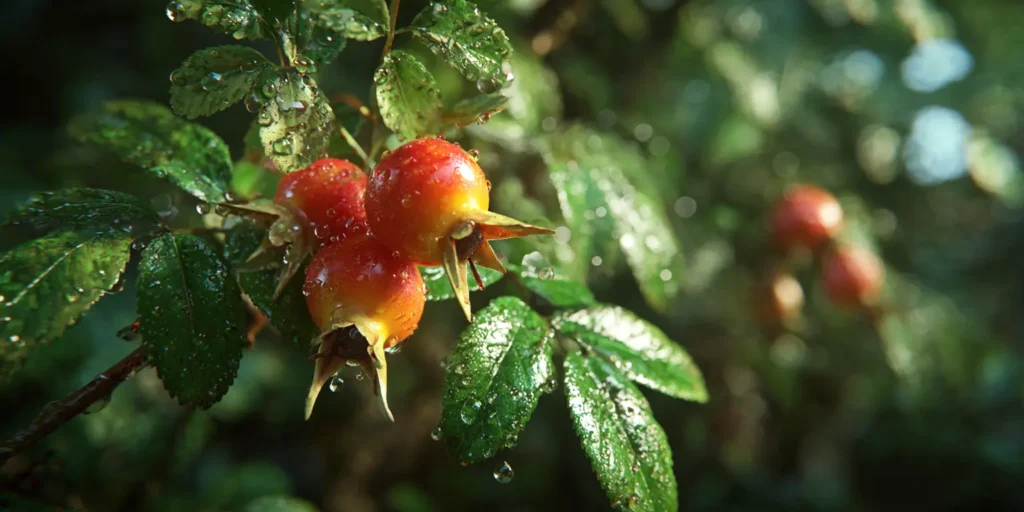
Latin (botanical) name: Rosa canina, Rosa rubiginosa, Rosa rugosa
Plant family: Rosaceae
Common names: Rose hips, dog rose hips
Traditional use overview:
Rose hips are the ripe fruits of wild roses and have been used across European and Western herbal traditions for centuries. Traditionally, they were gathered after the first frost and used as a nutritive and restorative herb, especially during winter months. Western herbalists value rose hips for supporting vitality, recovery, and overall resilience through gentle, food-like nourishment.
Herbal Actions
Rose hips are traditionally associated with the following actions:
- Nutritive tonic – provides nourishment that supports overall vitality
- Immune tonic – supports baseline immune resilience
- Antioxidant – contributes to protection from oxidative stress
- Mild anti-inflammatory – traditionally used to ease tissue wear and tear
- Astringent – gently supports tissue tone
These actions reflect traditional functional use rather than medical effect.
Practical Uses
In Western herbalism, rose hips are most often used seasonally or long term as a supportive, nourishing herb. They are commonly chosen during colder months, after periods of stress, or when gentle rebuilding is desired. Herbalists appreciate rose hips for their mild nature and suitability for regular use.
Product Forms
Rose hips are available in a variety of preparations:
- Dried whole hips – used for teas and decoctions
- Cut and sifted hips – easier for infusion
- Powdered rose hips – added to capsules or food
- Syrups – traditionally prepared for seasonal use
- Capsules and tablets – powdered or standardized products
Teas and syrups remain among the most traditional forms.
Traditional Herbal Recipes
- Rose Hip Tea
A gently steeped infusion traditionally used for daily nourishment. - Rose Hip Syrup
A slow-simmered preparation combined with honey for seasonal support. - Rose Hip Powder Blend
Mixed with other nutritive herbs for capsule or food use. - Traditional Cold Infusion
Used to preserve delicate vitamin content.
Parts Used
- Fruit (hips) harvested fully ripe, seeds typically removed before use
Usage Forms & Shelf Life
Internal vs external use:
Primarily internal; occasionally used externally in oils or skin preparations.
Common preparations:
Infusions, decoctions, powders, syrups, capsules
Shelf-life ranges:
- Dried hips: 1–2 years when properly stored
- Powders: 1 year
- Syrups: 3–6 months refrigerated, longer with preservation
Safety & Considerations and Dosage Guidelines
Rose hips are traditionally considered safe and gentle, suitable for long-term use. Herbalists emphasize consistent, moderate intake rather than large amounts. Preparation method is often chosen to preserve delicate constituents.
Side Effects & Contraindications
Rose hips are generally well tolerated. Fine hairs inside the hips can cause throat irritation if not properly removed or strained. Sensitivity reactions are uncommon.
Active Constituents
Vitamin C (Ascorbic Acid)
- Compound: ascorbic acid
- Traditional role: nutritive and immune-supportive activity
- Best extraction: cold or gentle warm infusions
- Quantitative data: rose hips may contain approximately 300–1,500 mg vitamin C per 100 g dried hips, depending on species and processing
National Center for Biotechnology Information
Flavonoids
- Compounds: quercetin, rutin, catechins
- Traditional role: antioxidant and tissue support
- Best extraction: water and hydroalcoholic preparations
Carotenoids
- Compounds: beta-carotene, lycopene
- Traditional role: antioxidant and nutritive support
- Best extraction: gentle heat and oil-based preparations
How It Works
Traditionally, rose hips are understood to work by providing foundational nourishment, supporting immune and connective tissue health through steady input of vitamins and antioxidants. Modern research supports their antioxidant and anti-inflammatory activity, aligning with their long-standing reputation as a restorative, food-like herb
Journal of Ethnopharmacology.
Processing Cautions
High heat and prolonged boiling can degrade vitamin C. Gentle drying and low-temperature preparation are traditionally preferred. Removing internal hairs improves comfort and quality.
Quick Herb Overview
- Botanical family: Rosaceae
- Parts used: Fruit (hips)
- Energetics: Cooling to neutral
- Taste profile: Tart, slightly sweet
Herb Identification
Visual traits:
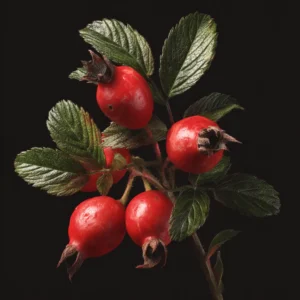
Oval to round red or orange fruits formed after rose petals fall.
Growth habit:
Perennial shrubs with thorny stems.
Look-alikes and safety notes:
Only hips from non-sprayed, correctly identified roses are used; ornamental roses may be unsuitable.
Selecting Quality Herb
Choose rose hips that are deep red or orange, free from mold, and mildly aromatic. Products should specify species and note whether seeds and hairs were removed.
Natural Growing Areas
Wild roses grow across Europe, Asia, North America, and parts of Africa, thriving in hedgerows, meadows, and woodland edges.
Growing Tips
Roses prefer full sun and well-drained soil. Hips are harvested in late autumn, often after the first frost, when fully ripe.
Frequently Asked Questions
Are rose hips suitable for daily use?
Yes. Traditionally, they are used regularly as a nourishing food-herb.
Do rose hips need to be cooked?
Not always. Cold or gently warm infusions are often used to preserve delicate constituents.
Are rose hips an immune stimulant?
No. They are considered an immune tonic that supports resilience through nourishment.
Why are rose hips tart?
Their tartness comes from vitamin C and organic acids.
Can rose hips be combined with other herbs?
Yes. They blend well with many nutritive and tonic herbs.
Are all rose hips usable?
Only hips from correctly identified, unsprayed roses are traditionally used.
References
- National Center for Biotechnology Information
- Journal of Ethnopharmacology
- European Medicines Agency – Herbal Monographs
This content is for educational purposes only and reflects traditional herbal understanding. It is not intended to diagnose, treat, cure, or prevent any disease.