
Lavender: Calm, Comfort, and Clarity
Lavender has long been cherished in traditional Western herbalism as a plant that brings calm without dullness and comfort without heaviness. Its familiar scent is more than pleasant—it signals a long history of use for soothing the nerves, relaxing tension, and supporting gentle rest. Lavender’s role has never been about forceful change, but about guiding the body back toward balance when things feel overstimulated or unsettled.
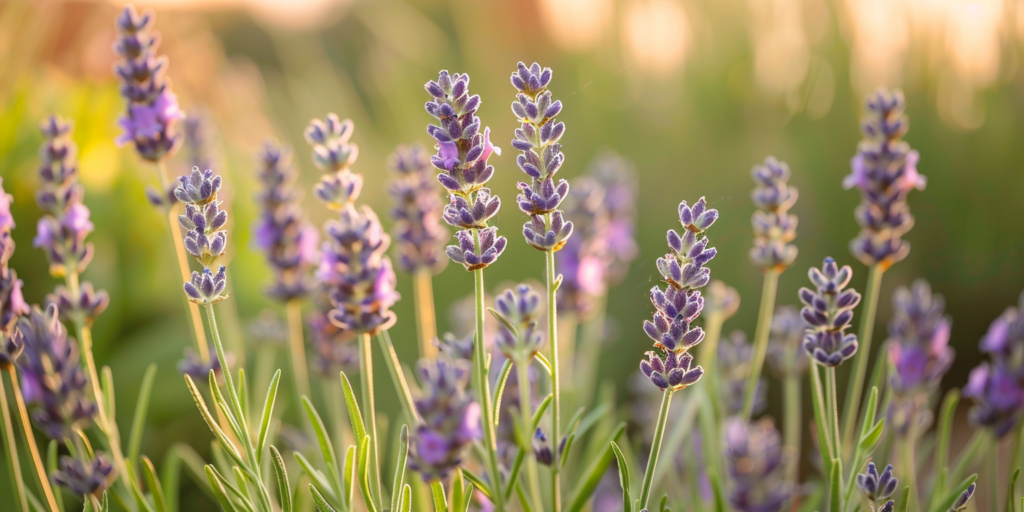
Latin (botanical) name: Lavandula angustifolia
Plant family: Lamiaceae (mint family)
Common names: Lavender, English lavender, True lavender
Traditional use overview:
In traditional Western herbalism, lavender has been used primarily as a nervine and aromatic relaxant. It was valued for easing nervous tension, restlessness, and stress-related discomfort, as well as supporting digestion when tension interfered with appetite. Lavender also played an important external role, traditionally applied to the skin and used in aromatic preparations for comfort and cleanliness.
Herbal Actions
Lavender’s actions are gentle, broad, and supportive rather than targeted or aggressive.
- Nervine: Supports calm and balanced nervous system tone
- Relaxant: Helps ease physical and emotional tension
- Carminative: Traditionally used to support digestion influenced by stress
- Mild antispasmodic: Relaxes minor muscle tension
- Aromatic antimicrobial (traditional): Historically used in cleansing preparations
These actions reflect lavender’s long-standing use in European herbal traditions.
Practical Uses
Lavender is traditionally used when the body and mind feel overstimulated—during periods of stress, restlessness, or difficulty unwinding. Herbalists often include it in evening teas, aromatic preparations, or topical blends designed to encourage relaxation and comfort without sedation. Its pleasant flavor and aroma also make it useful for balancing stronger herbs in formulas.
Product Forms
Lavender is widely available in many traditional and modern herbal forms:
- Dried flowers: Used for teas, sachets, and infused preparations
- Loose-leaf tea blends: Combined with other calming herbs
- Tea bags: Convenient daily use
- Tinctures: Alcohol extracts for internal use
- Glycerites: Alcohol-free liquid extracts
- Essential oil: Used externally or aromatically
- Hydrosols: Gentle aromatic waters for external use
- Topical products: Salves, balms, oils, and creams
Four Traditional Herbal Recipes
- Calming Evening Tea
Dried lavender flowers steeped briefly in hot water, traditionally used in small amounts to encourage relaxation. - Nervine Blend
Lavender combined with herbs such as lemon balm or chamomile for gentle nervous system support. - Lavender Infused Oil
Dried flowers infused in a carrier oil for use in massage or topical preparations. - Aromatic Sleep Sachet
Dried lavender flowers placed in a cloth sachet, traditionally kept near bedding for their soothing aroma.
Parts Used
- Flowers: Primary medicinal and aromatic part
- Flowering tops: Used fresh or dried
Usage Forms & Shelf Life
Internal vs external use:
Lavender is traditionally used both internally (tea, tincture) and externally (oils, salves, aromatic use).
Common preparations:
Infusions, tinctures, glycerites, essential oil, infused oils, and hydrosols.
Shelf-life ranges:
- Dried flowers: 1–2 years
- Tinctures and glycerites: 3–5 years
- Infused oils: ~1 year
- Essential oil: 2–3 years when properly stored
Safety & Considerations and Dosage Guidelines
Lavender is considered a gentle herb when used traditionally. Internal use typically involves small, aromatic amounts rather than large doses. External use of essential oil should always be properly diluted. Traditional practice favors moderation and consistency over intensity.
Side Effects & Contraindications
Lavender is generally well tolerated. In rare cases, large amounts may cause digestive discomfort or headaches. Essential oil should not be ingested without professional guidance. As with all herbs, individual sensitivity is possible.
Active Constituents
Volatile oils (1–3%)
- Key compounds: linalool, linalyl acetate, terpinen-4-ol
- Traditional role: nervine, relaxant, aromatic support
- Best extraction: steam distillation (essential oil), alcohol tincture
- Linalool and linalyl acetate together often comprise over 60% of lavender essential oil
European Medicines Agency
Flavonoids
- Compounds: apigenin, luteolin derivatives
- Traditional role: supportive antioxidant activity
- Best extraction: alcohol or hydroalcoholic preparations
PubMed Central
Triterpenes and phenolic acids
- Compounds: ursolic acid, rosmarinic acid
- Traditional role: general plant support compounds
- Best extraction: tincture or infusion
National Center for Biotechnology Information
How It Works
Traditionally, lavender’s aroma and bitter-sweet taste were thought to signal relaxation to the nervous system. The volatile oils act quickly through scent and taste, helping ease tension and encourage calm. Modern research into lavender’s aromatic compounds aligns with its historical reputation for promoting relaxation and emotional comfort.
Processing Cautions
Lavender flowers should be harvested just as they begin to open, when aromatic content is highest. Overheating during drying can reduce volatile oil content. Essential oil should be stored away from heat and light to preserve quality.
Quick Herb Overview
- Botanical family: Lamiaceae
- Parts used: Flowers, flowering tops
- Energetics (traditional): Cooling, drying
- Taste profile: Aromatic, slightly bitter, floral
Herb Identification
Visual traits:
Narrow gray-green leaves, upright stems, and purple-blue flower spikes with a strong fragrance.
Growth habit:
Woody perennial shrub, typically 1–3 feet tall.
Look-alikes and safety notes:
Other Lavandula species may look similar but vary in aroma and quality. Proper botanical identification ensures consistent traditional use.
Selecting Quality Herb
High-quality lavender has a strong, clean aroma and vibrant flower color. Dull color or weak scent suggests age or poor storage. Organically grown lavender is preferred, especially for aromatic preparations.
Natural Growing Areas
Lavender is native to the Mediterranean region and thrives in dry, sunny environments. It is now cultivated worldwide in temperate climates.
Growing Tips
Lavender prefers full sun, well-drained soil, and minimal watering once established. Good air circulation helps prevent moisture-related issues. Regular pruning encourages healthy growth.
Frequently Asked Questions
Is lavender only used for relaxation?
No. While relaxation is its most well-known traditional use, lavender has also been used to support digestion and topical comfort.
Can lavender be used daily?
Traditionally, lavender has been used regularly in small, aromatic amounts such as tea or infusion.
What part of lavender is medicinal?
The flowers and flowering tops are the primary parts used in herbal practice.
Does lavender make people sleepy?
Lavender is traditionally calming rather than sedating, supporting relaxation without strong drowsiness.
Is lavender safe for children?
Lavender has a history of gentle use, but amounts should always be modest and appropriate.
Can lavender be combined with other herbs?
Yes. Lavender is commonly blended with other nervine or digestive herbs to balance flavor and action.
References cited using inline clickable source names
European Medicines Agency
PubMed Central
National Center for Biotechnology Information
This content is provided for educational purposes only and reflects traditional herbal knowledge. It does not offer medical advice, diagnosis, or treatment.